
Get the full EPUB
Drop your email and the EPUB downloads straight to your device. We'll also ping you when the next case file lands — unsubscribe any time.
Your email is already on file — enjoy the read.
Download the EPUBAround 12,900 years ago, the North Atlantic region entered a prolonged cold interval known as the Younger Dryas. Some researchers argue that a cosmic impact contributed to the change. Others dispute the dating, identification, and interpretation of the proposed impact markers. Changes in tools and animal populations do not, by themselves, establish the disappearance of an entire people.
The question is whether the proposed evidence distinguishes an impact from other processes. The impact hypothesis remains contested.
12,800
Years ago, a fragmented comet may have struck the Laurentide Ice Sheet — triggering megafloods, continent-wide wildfires, and a 1,200-year cold snap that erased an entire world.
32
Sites across four continents where impact nanodiamonds have been confirmed at the Younger Dryas boundary.
4×
Enrichment of platinum-group elements at the boundary — rare on Earth, abundant in comets.
2,200°C
Temperature required to produce the meltglass found at Abu Hureyra, Syria — far beyond any wildfire or ancient technology.
The Evidence
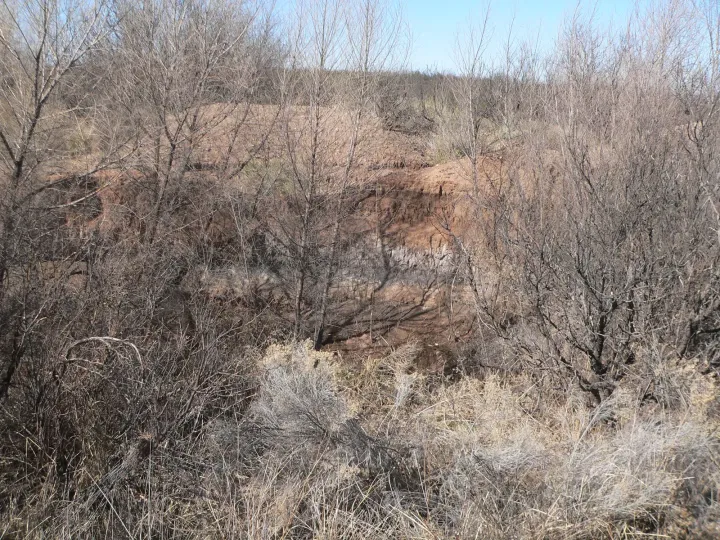
The Black Mat
A thin, dark stratum found at Clovis sites across North America. Below it: mammoth bones and fluted spear points. Above it: silence. The boundary contains nanodiamonds, magnetic microspherules, and platinum concentrations consistent with a cosmic impact — markers that appear together at over fifty sites worldwide.
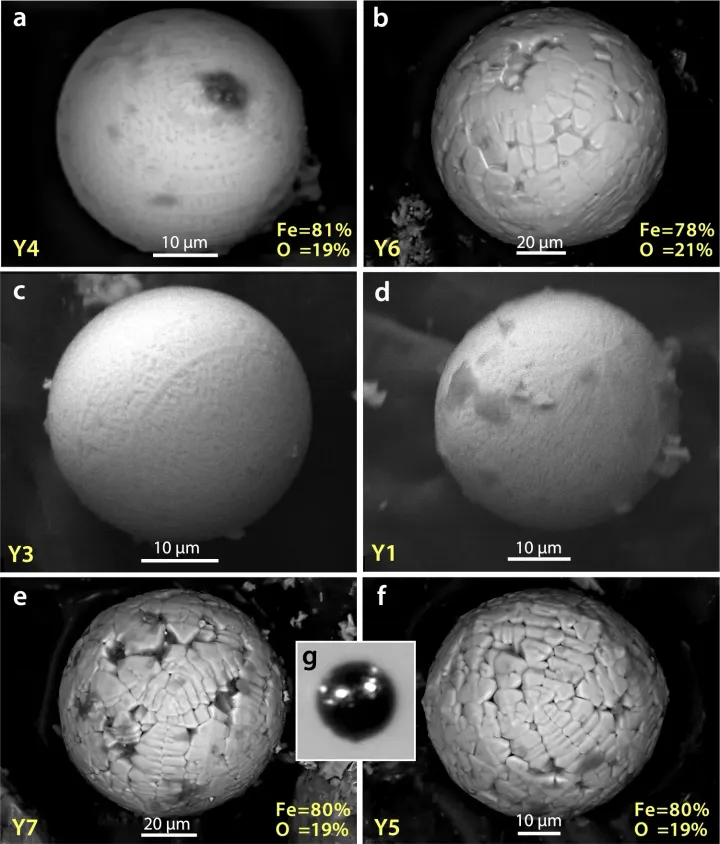
Impact Spherules
Iron-rich microspheres with dendritic surface textures, quenched from temperatures exceeding 1,450°C. Found at the Younger Dryas boundary at Pilauco, Chile — extending the evidence to the Southern Hemisphere. Their composition matches impact ejecta, not volcanic or industrial origin.
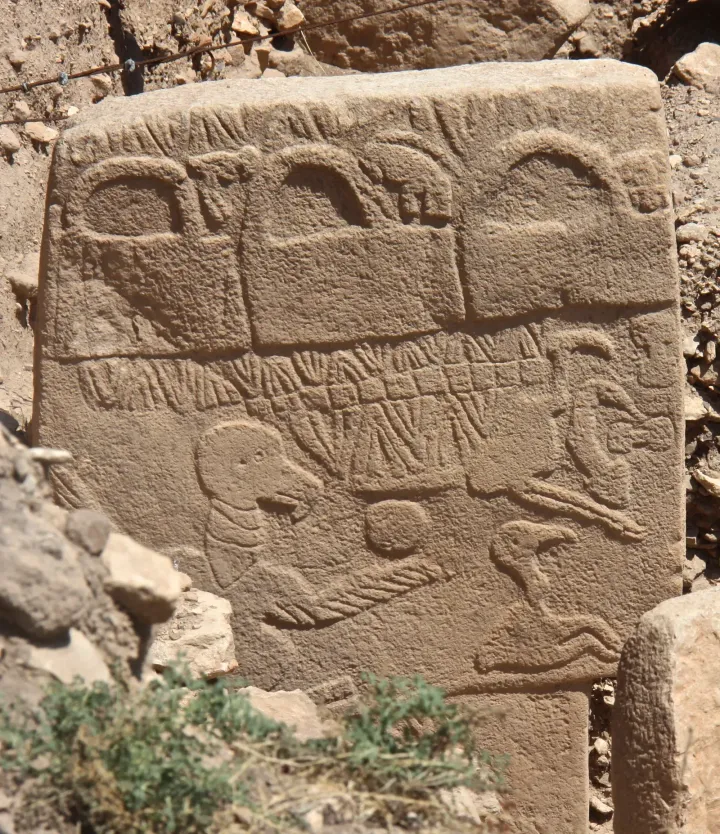
The Vulture Stone
Pillar 43 at Göbekli Tepe — the world's oldest known temple, built during the Younger Dryas. Some researchers argue its carvings encode astronomical observations of the comet impact. Others see symbolic art unrelated to cosmic events. The temple itself — built before agriculture, before pottery — remains the deepest mystery.
Fire and Ice
The Impact
A fragmented comet strikes or detonates above the Laurentide Ice Sheet. Continent-wide wildfires ignite. Lake Agassiz drains catastrophically into the North Atlantic, shutting down ocean circulation. Temperatures plunge. The Younger Dryas begins.
The Hypothesis
Firestone, West, Kennett, and 23 co-authors publish their landmark paper in PNAS, presenting nanodiamonds, spherules, and platinum anomalies as evidence of a cosmic impact at the Younger Dryas boundary.
The Pushback
Surovell, Pinter, and Boslough lead the scientific counterattack. Replication failures, identification disputes, and physics objections threaten to bury the hypothesis.
The Crater — and the Letdown
The Hiawatha Crater is found beneath Greenland's ice sheet. Supporters celebrate — then dating reveals it is 58 million years old. The search for the smoking gun continues.
The Revival
Proponents report meltglass, platinum anomalies and other proposed impact markers. Critics dispute their diagnostic value, dating and reproducibility; their presence alone does not establish an impact.
Key Figures

Klaus Schmidt
Discovered and excavated Göbekli Tepe from 1994 until his death in 2014. "First came the temple, then the city." His work demolished the assumption that monumental architecture required agriculture — and opened the door to questions about what humanity was capable of before the Younger Dryas.

Graham Hancock
Bestselling author of Fingerprints of the Gods and Magicians of the Gods. Hancock carried the impact hypothesis into popular culture, arguing that a technologically advanced civilization was destroyed by the Younger Dryas catastrophe. Professional archaeologists consider his claims unsubstantiated, but his work has kept the debate alive.
What Fell from the Sky
The Younger Dryas Impact Hypothesis remains contested. Reported markers are not by themselves proof of an extraterrestrial event, and their interpretation and chronological alignment remain disputed. The 2026 retraction noted in the reading guide is a further reason to examine individual studies rather than count claimed sites.
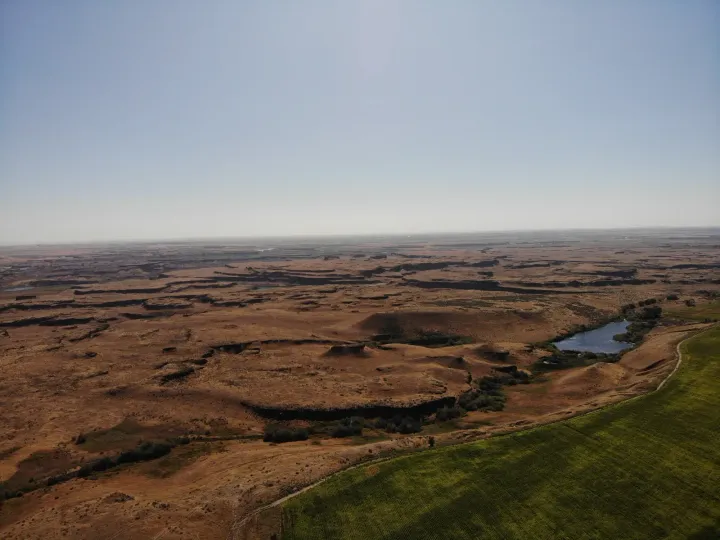
J Harlen Bretz spent forty years being told his catastrophic flood was impossible. He was right. The question now is whether another catastrophe — arriving not from a breaking ice dam but from the sky — reshaped the world 12,800 years ago.
Get the Full Book
Eight chapters on the comet, the megafauna, the black mat, and the temple that shouldn't exist.