
The Yonaguni Monument
Japan's Underwater Enigma
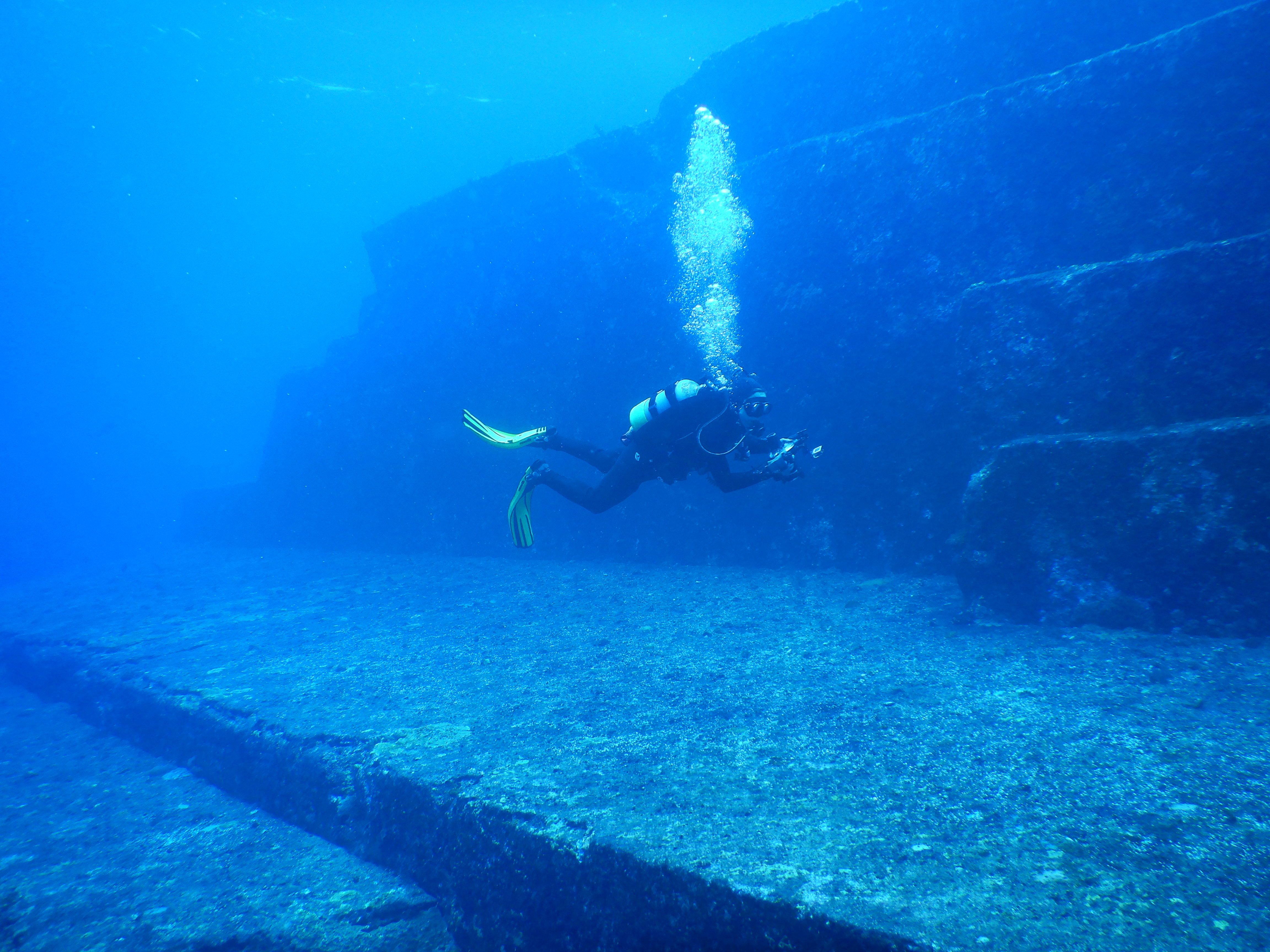
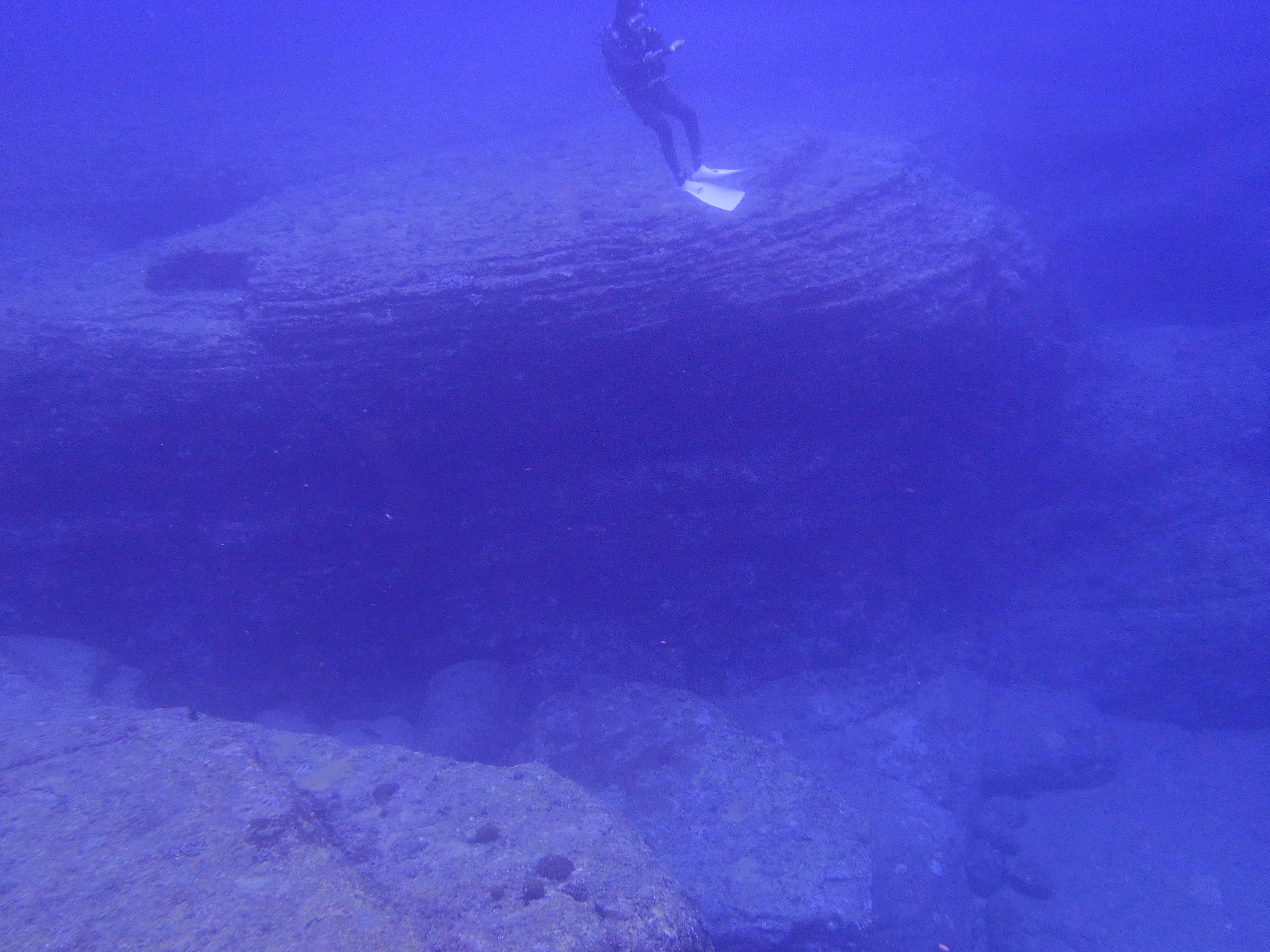
Off the southern coast of Japan's westernmost island lies an enormous stepped structure beneath the waves — a formation so geometrically precise that it has divided scientists for decades. Flat terraces, sharp right angles, and a stepped profile that looks unmistakably like a pyramid.
Discovered by a shark-hunting diver in 1986, the Yonaguni Monument has been called everything from a ten-thousand-year-old temple to a striking example of natural geology. After nearly four decades, the question remains unanswered.
150m Long
The main formation measures roughly 150 metres long, 40 metres wide, and 27 metres tall — equivalent to two football pitches laid end to end, rising the height of a nine-storey building.
Aratake
Kihachiro Aratake, a dive operator scouting for hammerhead sharks, stumbled upon the formation in the warm, clear waters off Yonaguni's southern coast.
38 Years
Since 1986, scientists have argued over whether the monument is a natural geological formation, a human construction, or something in between.
None
No pottery, no tools, no bones, no charcoal — not a single unambiguous human artefact has been found at the monument site.
The Evidence
The Steps
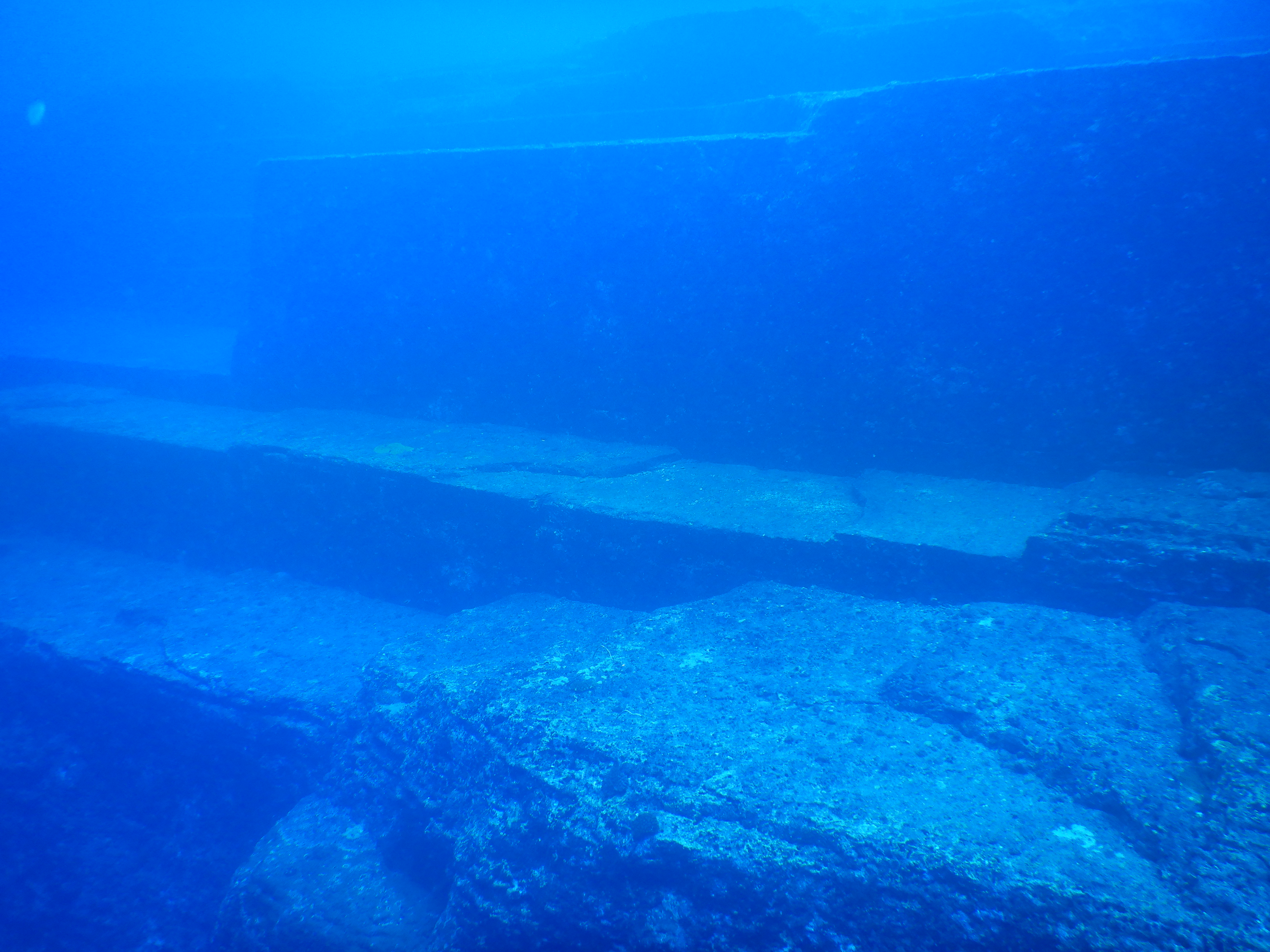
Broad, flat terraces descend from the top of the structure to its base like a colossal staircase. Their regularity has been cited as evidence of human construction — and as a textbook example of natural sandstone erosion.
The Sanninudai Problem
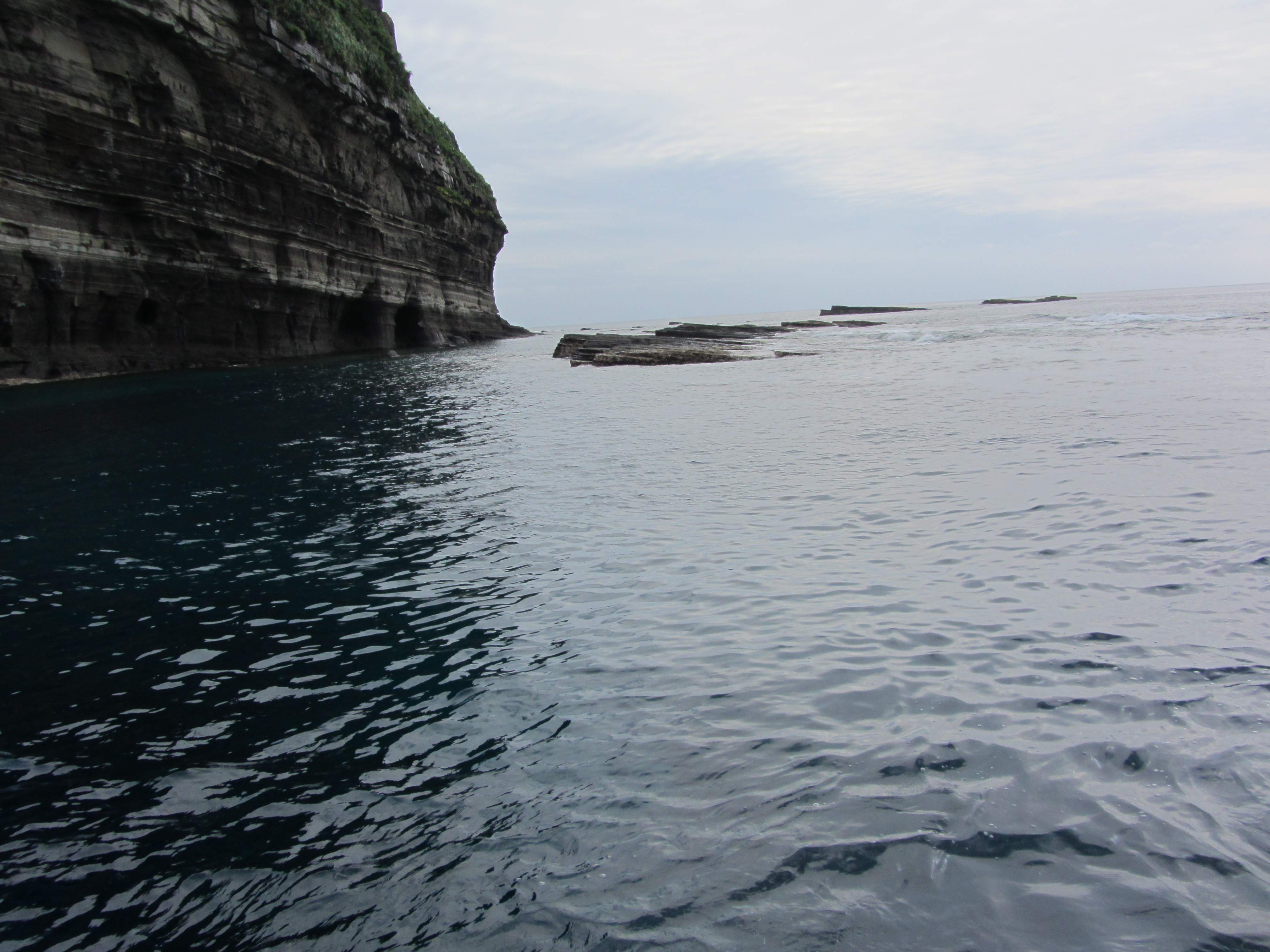
Identical stepped formations exist above the waterline on Yonaguni's coast — universally recognised as natural. If the same rock produces the same shapes on land, why would the underwater version require a different explanation?
The Twin Megaliths
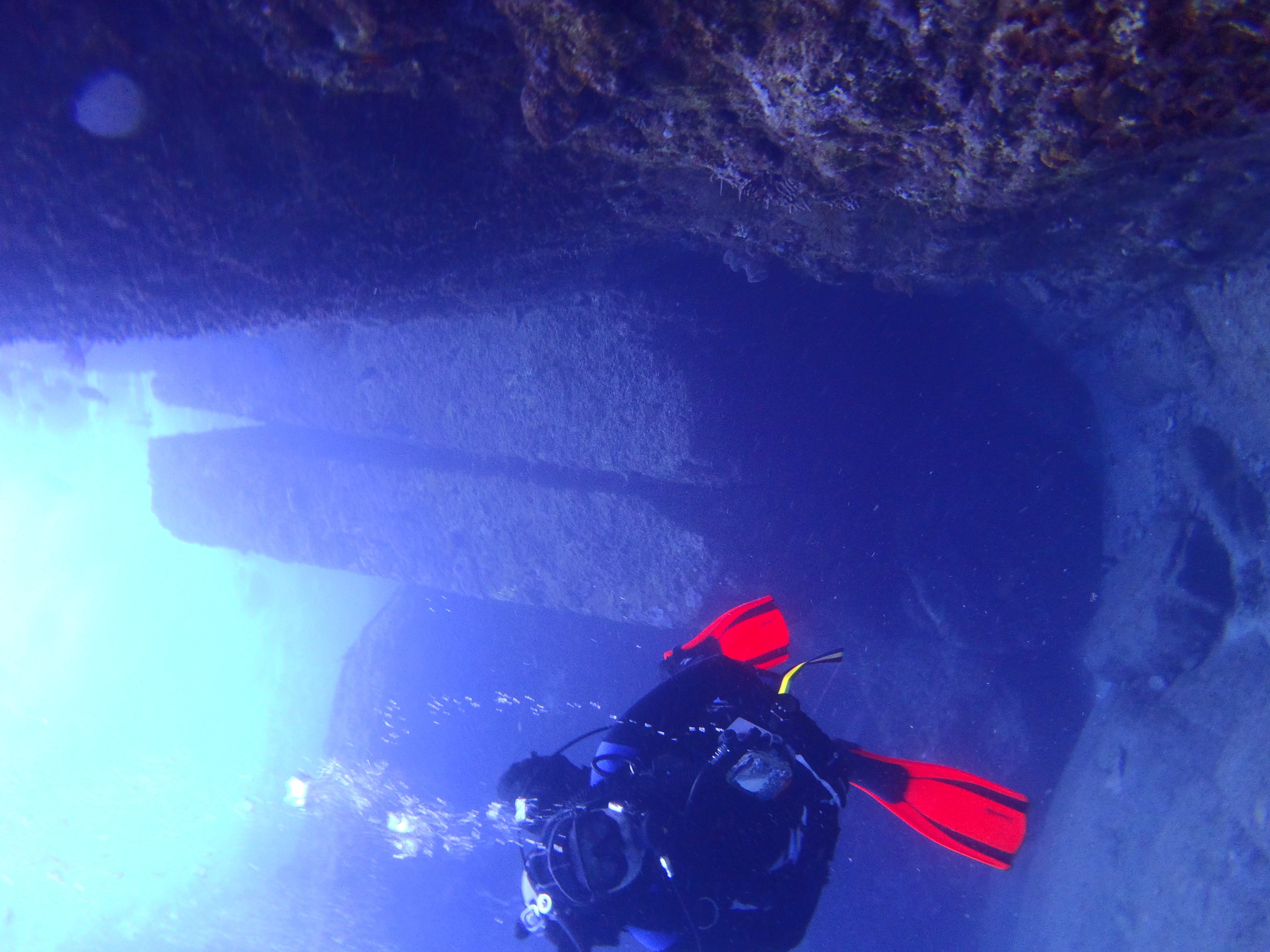
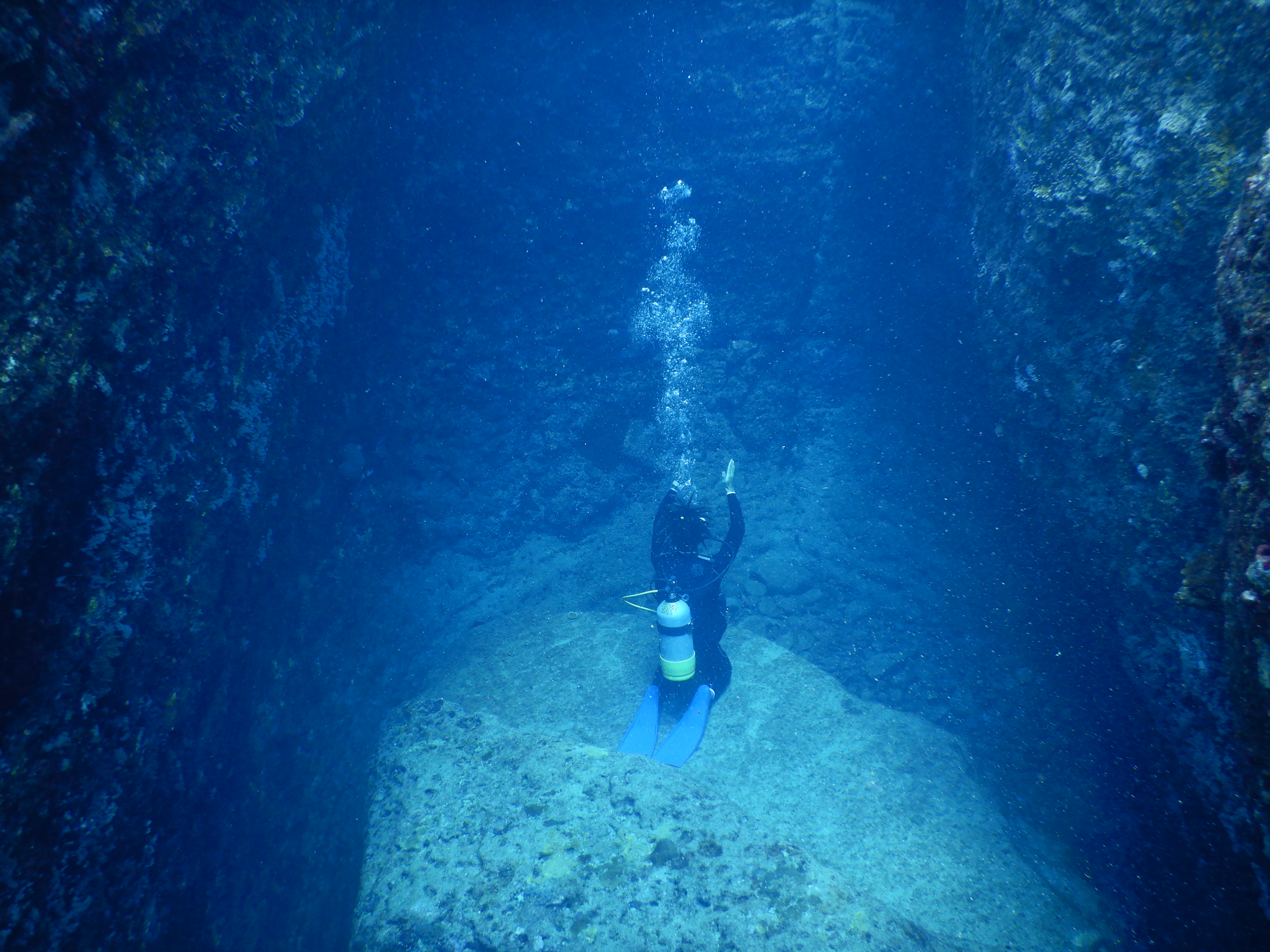
Two massive rectangular stones stand side by side, their resemblance to standing stones found at megalithic sites worldwide impossible to ignore — and equally impossible to prove meaningful.
The Investigation
Discovery
Dive operator Kihachiro Aratake discovers the monument while scouting for hammerhead sharks off Yonaguni's southern coast.
The Professor
Masaaki Kimura of the University of the Ryukyus makes his first dive. He becomes convinced the monument is at least partly man-made.
The Sceptic
Boston University geologist Robert Schoch examines the site and concludes it is most likely natural — but leaves the door open for possible human modification.
The Science
Ogata et al. publish a detailed topographical analysis confirming the monument's features match natural onshore formations on Yonaguni.
The Protagonists
Masaaki Kimura
University of the RyukyusMarine geologist who devoted his career to proving the monument was man-made. He catalogued tool marks, carved characters, and an entire complex of ruins — temples, stadiums, and roads.
Robert Schoch
Boston UniversityGeologist who examined the monument and concluded the stepped terraces were consistent with natural erosion of jointed sandstone — the same processes that shaped Yonaguni's coastline.
The Question That Won't Die
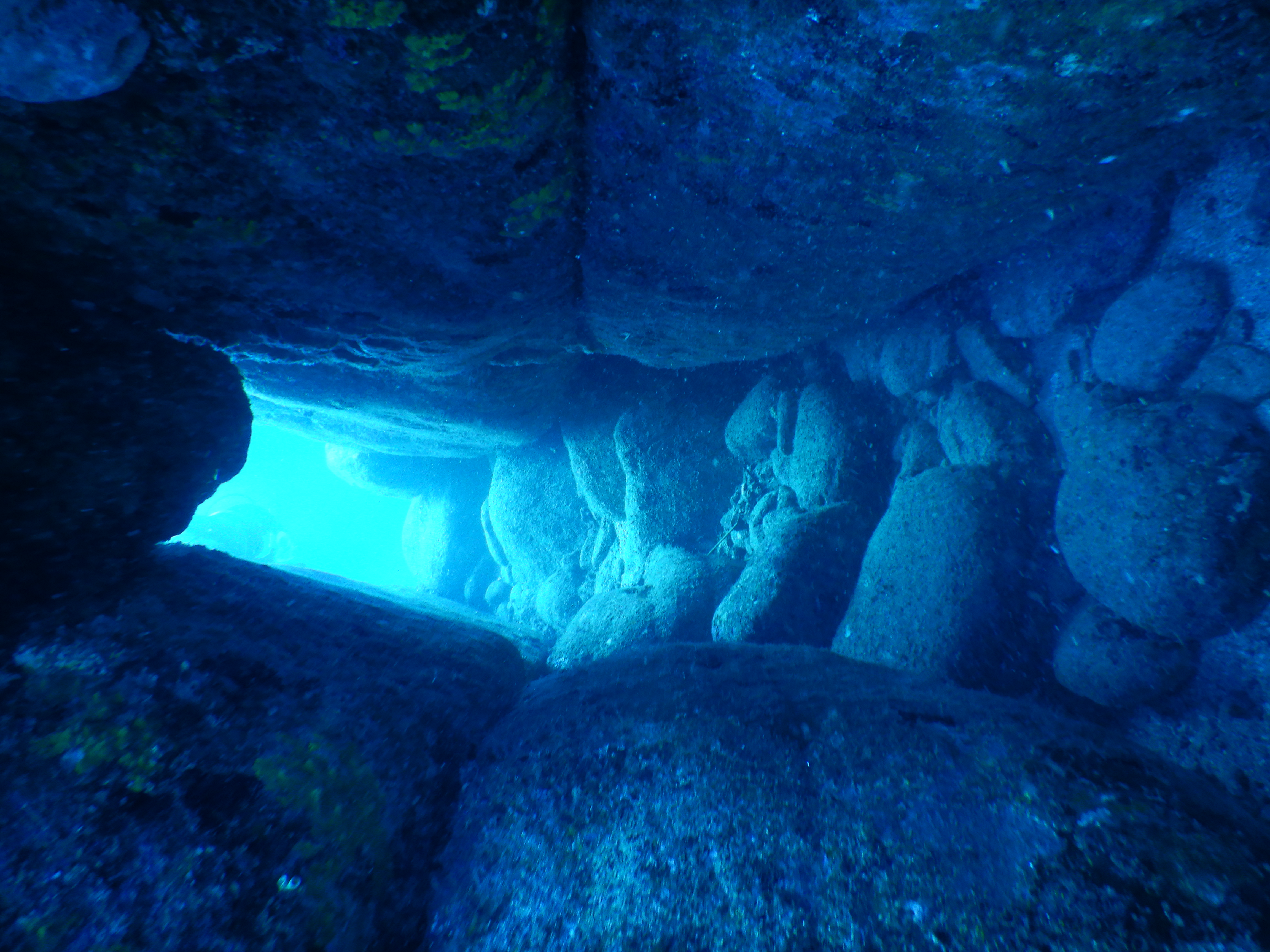
The Yonaguni Monument is too regular to be comfortably natural, too lacking in artefacts to be confidently artificial. It sits in the gap between these two positions — a permanent question mark carved into the sea floor.
No official archaeological excavation has ever been conducted. No government agency has investigated. The monument waits, with the implacable patience of twenty-million-year-old stone, for someone to answer the question.
Get the Full Book
10 chapters. The complete story of the Yonaguni Monument — from Aratake's discovery to the geological science to the debate that refuses to die.