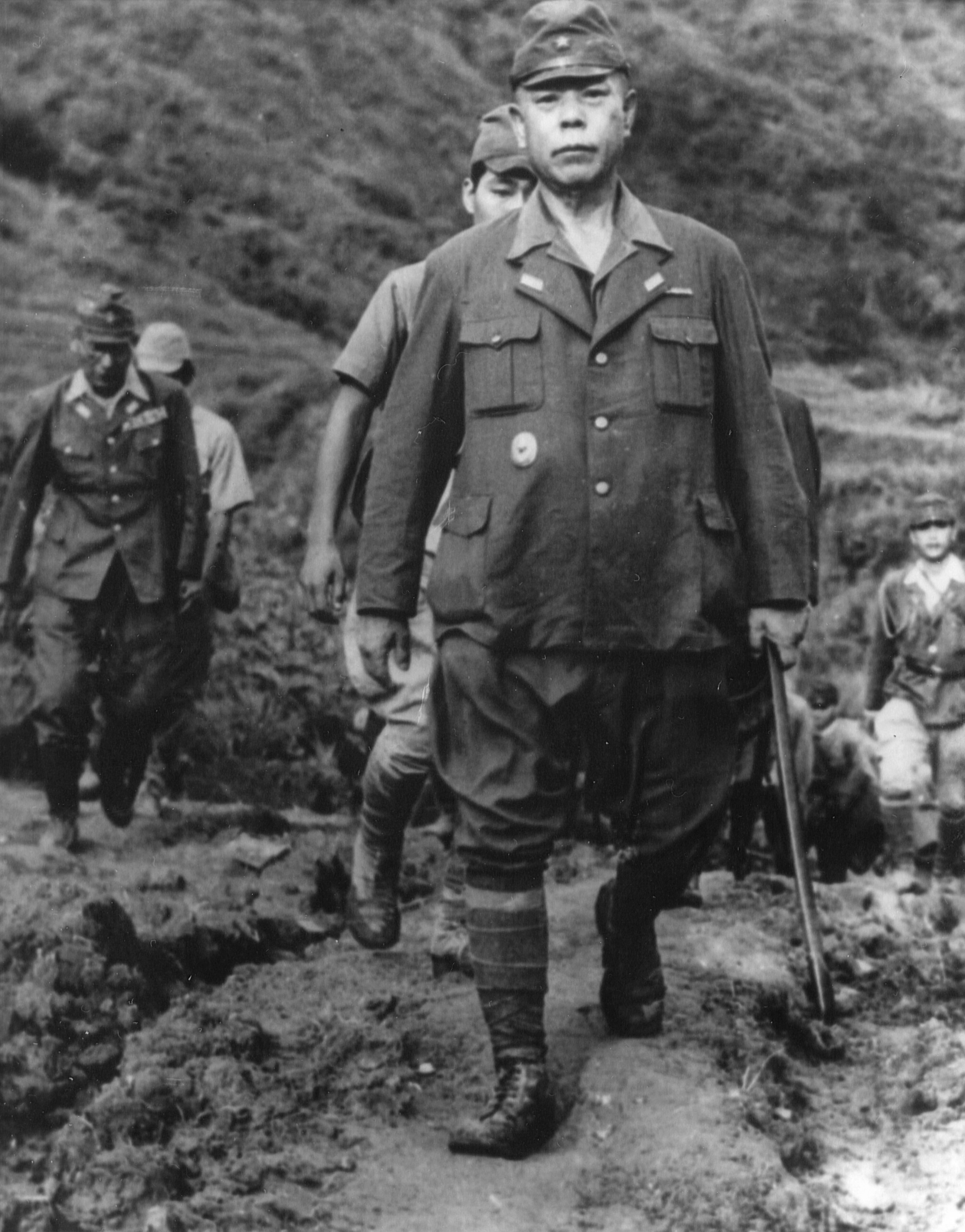
Yamashita's Gold
Japan's Buried Philippine Treasure
During World War II, Japan looted the wealth of twelve Asian nations in a secret operation code-named Golden Lily. Gold, diamonds, sacred artifacts, and the contents of entire national treasuries were shipped to the Philippines — and buried in 175 hidden tunnel complexes across the archipelago. Then the workers who dug the tunnels were sealed inside.
The treasure has an estimated value of $100 billion. Eighty years later, it has never been found — or has it?
Golden Lily
A top-secret looting operation overseen by Prince Chichibu, Emperor Hirohito's brother. Expert teams systematically emptied banks, temples, and museums across twelve occupied nations.
12
China, Korea, Malaya, Philippines, Burma, Thailand, Vietnam, and more.
175
Alleged burial locations across the Philippine archipelago.
$22B
Awarded against the Marcos estate in 1996 — the largest jury verdict in American history.
The Evidence

The Golden Buddha
In 1971, Filipino locksmith Rogelio Roxas discovered a three-foot golden Buddha weighing over one ton, filled with uncut diamonds, along with 24 gold bars in a tunnel near Baguio City. Armed men confiscated the treasure weeks later on orders from President Marcos.
The Tunnel Network
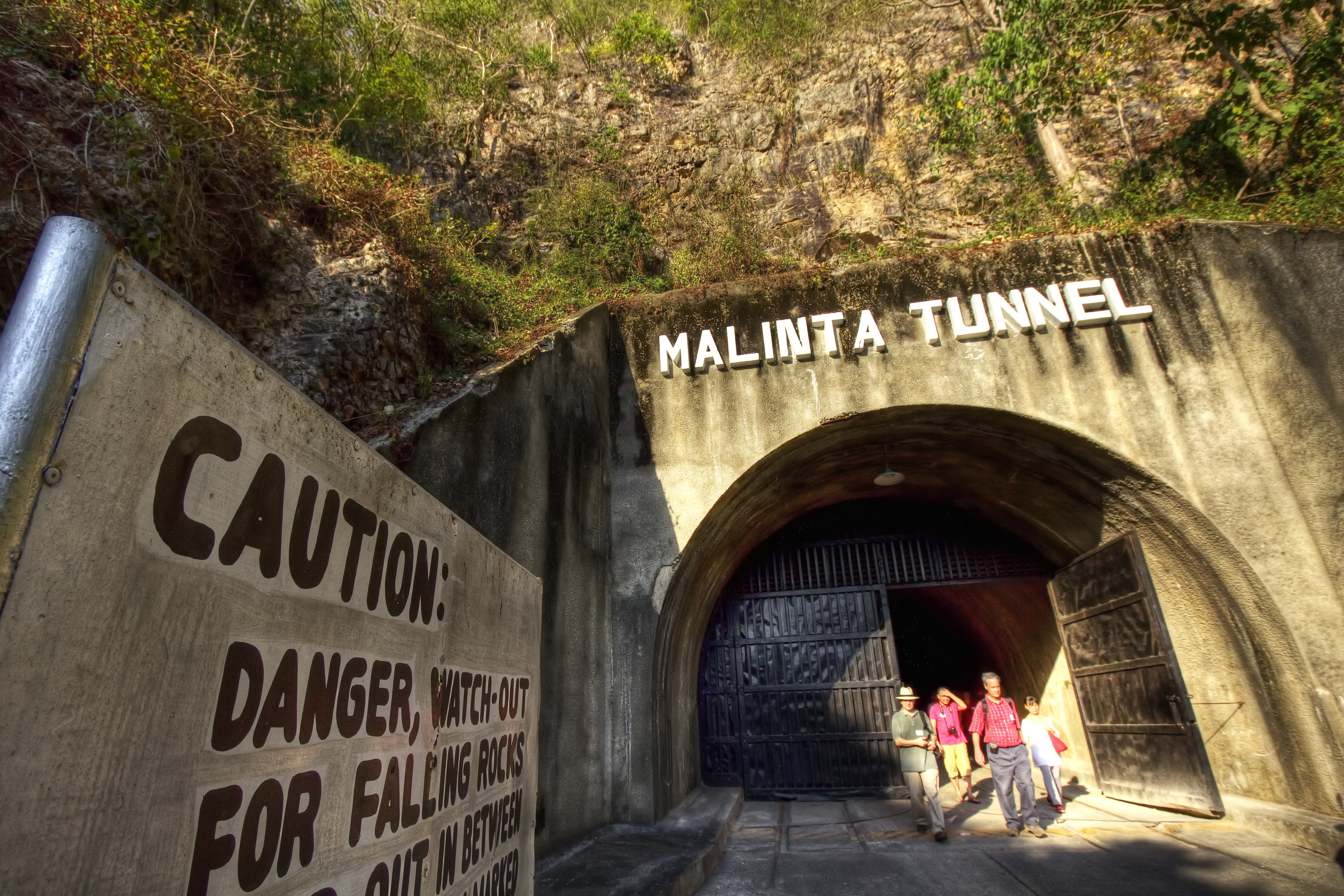
Japanese military engineers constructed extensive underground complexes across the Philippines during the occupation. The tunnels were sealed with concrete, booby-trapped with explosives, and their entrances camouflaged. Workers who dug them were reportedly entombed inside.
The Fall of Manila
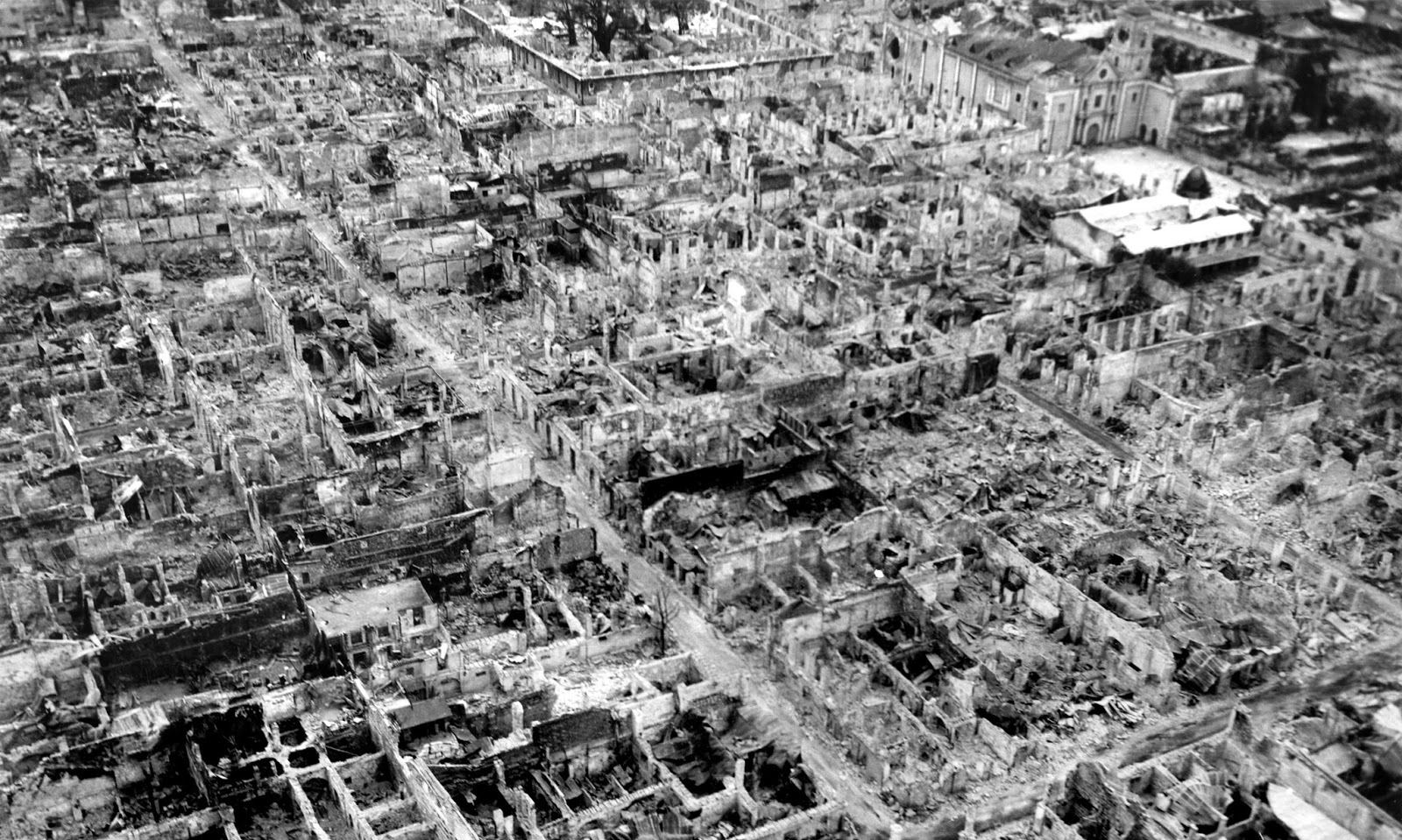
100,000 civilians died in the Battle of Manila. The city — once the Pearl of the Orient — was reduced to rubble. Yamashita ordered evacuation, but Admiral Iwabuchi defied him, triggering a massacre that would cost the general his life at the gallows.
The Tiger's Treasure
Singapore Falls
Yamashita captures Singapore in 70 days, earning the title "Tiger of Malaya." Prince Chichibu establishes Golden Lily headquarters in the captured city, inventorying looted treasure from across Southeast Asia.
The Burial
With sea lanes to Japan cut off after Midway, the treasure is diverted to the Philippines. An alleged 175 tunnel complexes are constructed using forced labour. Workers are sealed inside upon completion.
The Execution
Yamashita is convicted of war crimes under a controversial new doctrine of command responsibility and hanged. Whatever he knew about the treasure dies with him.
The Discovery
Locksmith Rogelio Roxas unearths gold bars and a golden Buddha in a tunnel near Baguio. Marcos confiscates the treasure, arrests Roxas, and subjects him to years of torture.
The Verdict
A Hawaii jury awards $22 billion against the Marcos estate — confirming that Roxas found treasure and Marcos stole it. The judgment remains largely uncollected.
Key Figures
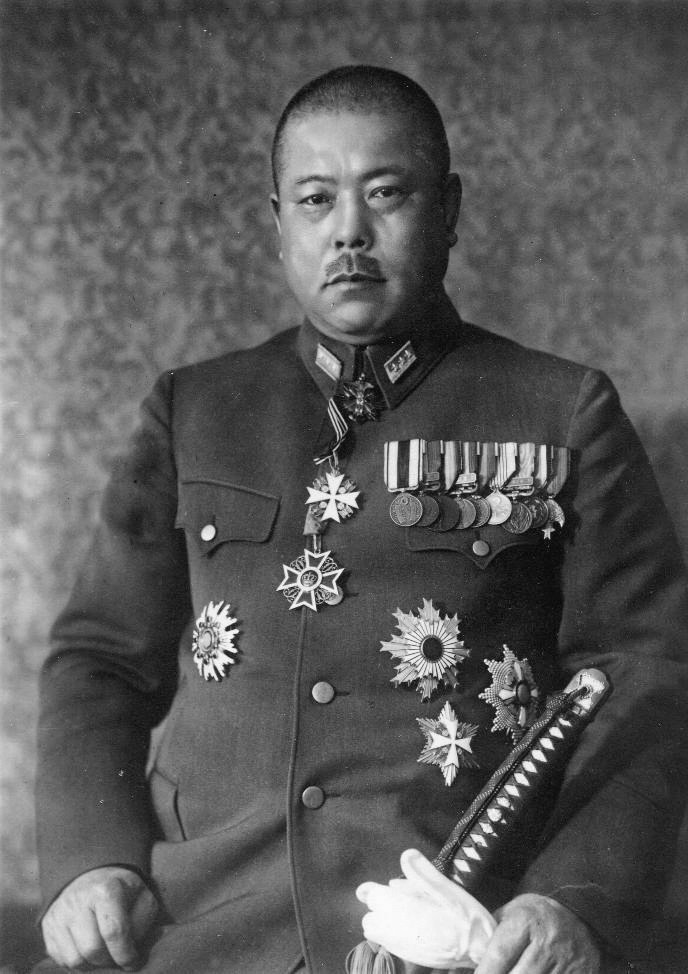
Tomoyuki Yamashita
The "Tiger of Malaya" who conquered Singapore in 70 days. Sent to defend the Philippines in 1944, he was executed for war crimes in 1946 under the controversial doctrine of command responsibility — despite evidence he never ordered the atrocities.
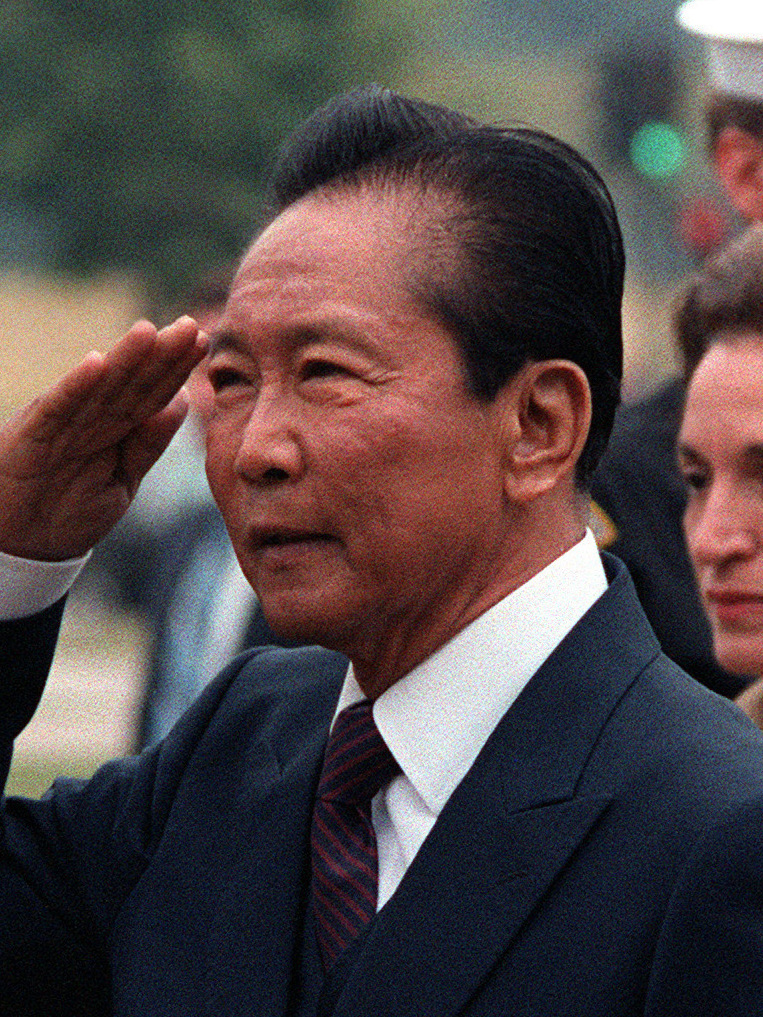
Ferdinand Marcos
Philippine president from 1965 to 1986, whose unexplained fortune of $5-10 billion has fueled decades of speculation about recovered Japanese war loot. A jury found that he stole the golden Buddha from Roxas.
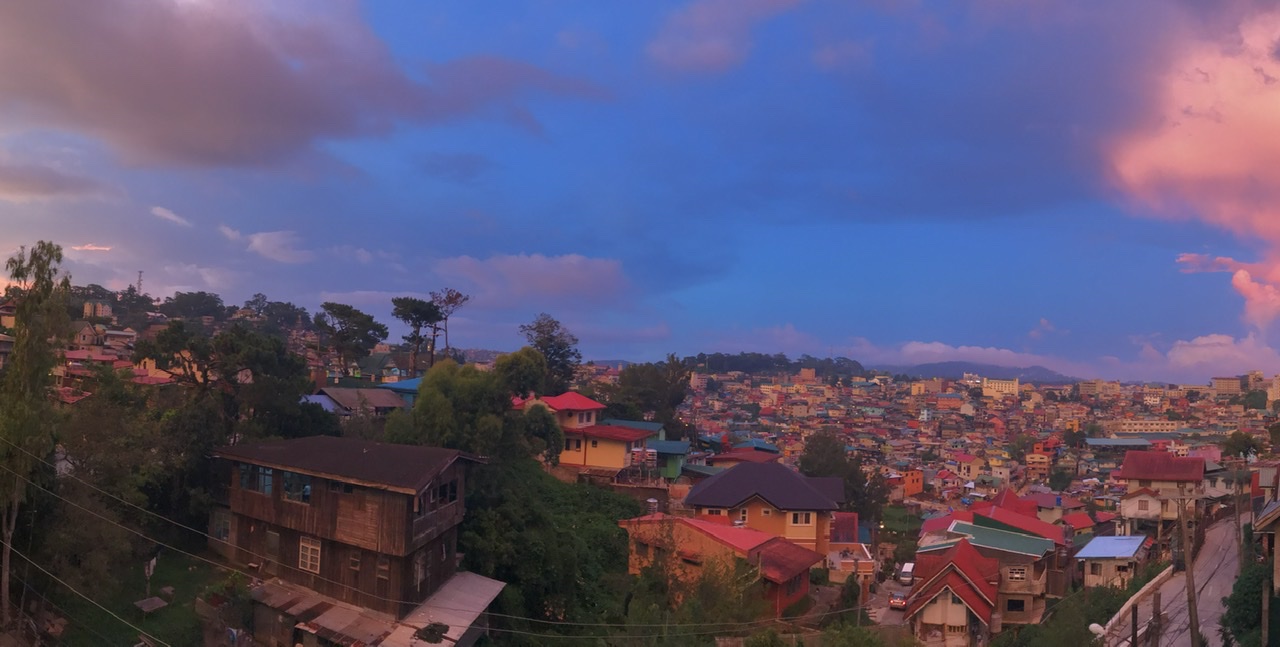
The Mountains Keep Their Secrets
Eighty years of treasure hunters, metal detectors, satellite scans, and History Channel expeditions have produced tantalising hints — but no confirmed discovery of the main hoard.
The gold, if it was ever there, lies in the dark — indifferent to the stories told about it, indifferent to the men who have killed and died for it.
Get the Full Book
The complete story of the general, the locksmith, the dictator, and the $100 billion treasure that may still lie beneath the Philippine jungle.