The Somerton Man
The Cold War Mystery on an Australian Beach
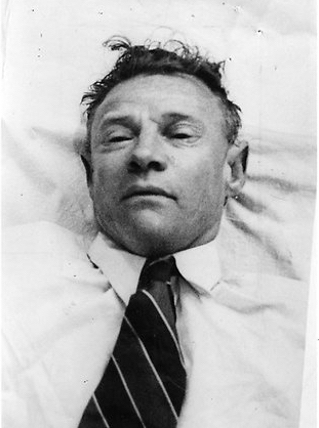
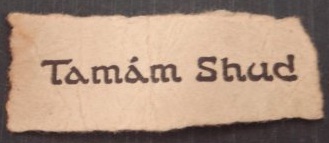
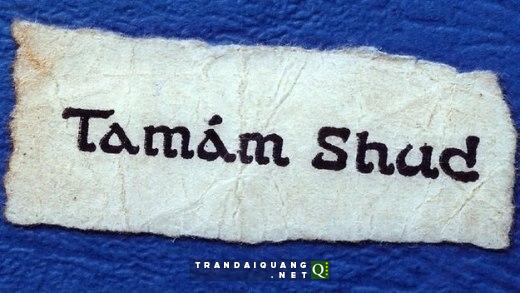
On a warm December morning in 1948, a smartly dressed man was found dead on an Australian beach. He carried no wallet, no name, and no explanation. Every label had been cut from his clothing. A tiny scrap of paper hidden in his pocket bore two words in Persian: Tamám Shud — It is finished.
It took 74 years, a strand of hair trapped in plaster, and the birth of forensic genealogy to finally speak his name.
1948
An unidentified man found dead on Somerton Park beach, Adelaide. No wallet, no ID, no cause of death. Every clothing label methodically removed. The perfect unknown.
2 Words
"Tamám Shud" — torn from the final page of the Rubáiyát of Omar Khayyám.
5 Lines
An unbroken cipher found on the back of the book. 75+ years. Still unsolved.
2022
DNA from hair in a plaster death mask finally named him: Carl "Charles" Webb of Melbourne.
The Evidence
Tamám Shud
Hidden in a concealed fob pocket sewn into the dead man's trousers, a tiny rolled scrap of paper bore the final words of the Rubáiyát of Omar Khayyám: "Tamám Shud" — "It is finished." The slip was torn from a rare Whitcomb & Tombs edition, traced to a book found in a stranger's car 400 meters from the body.
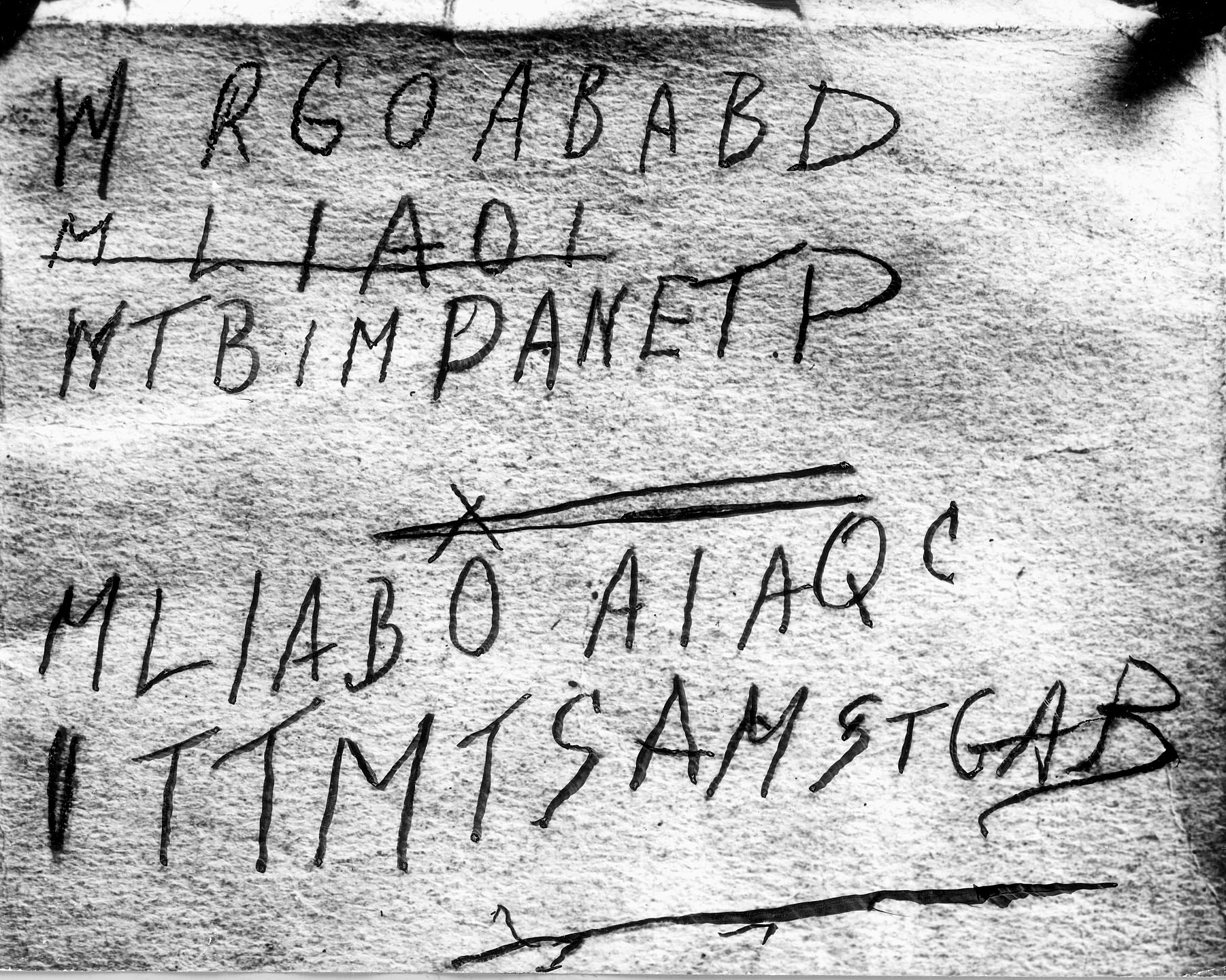
The Code
Five lines of capital letters discovered under ultraviolet light on the inside back cover of the Rubáiyát. The second line is crossed out. A phone number traced to a woman living 400 meters from the death site was also written there. Military intelligence, naval cryptographers, and decades of researchers have failed to break it.
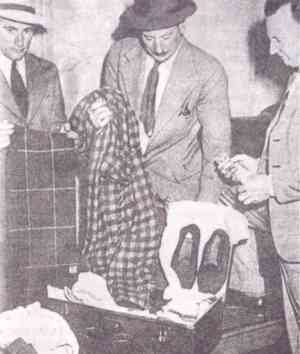
The Suitcase
Found at Adelaide Railway Station six weeks after the death. Inside: clothing with all labels removed, a stenciling brush used on merchant ships, a knife cut into a weapon, and singlets marked "T. Keane" — a name that led nowhere. Orange waxed thread in the suitcase matched thread in the dead man's trouser pocket.
Tamám Shud
The Last Evening
Witnesses see a smartly dressed man propped against the seawall at Somerton Park beach. He raises his arm, then lets it fall. They assume he's drunk or sleeping.
Found Dead
The man is discovered cold and lifeless the next morning. No ID, no wallet, all clothing labels removed. Autopsy suspects poisoning, but no poison is detected.
The Hidden Pocket
A concealed fob pocket is discovered in the trousers. Inside: a scrap torn from the Rubáiyát reading "Tamám Shud." A copy of the book is found with a mysterious code and a woman's phone number.
The Nurse
The phone number leads to Jessica Thomson, living 400m from the death site. She denies knowing the man — but years later, her daughter reveals she lied. The man's identity was "known to a level higher than the police."
Finally Named
After 74 years, DNA from hair trapped in the 1949 plaster death mask identifies the Somerton Man as Carl "Charles" Webb, an electrical engineer from Melbourne who vanished in 1947.
Key Figures
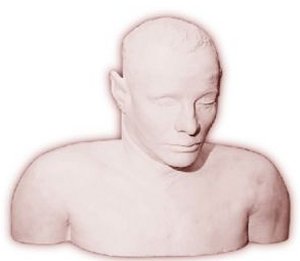
Carl Webb
Born 1905 in Footscray, Melbourne. Electrical engineer. Married in 1941, deserted his wife in 1947. Found dead on Somerton Beach in 1948 with no identification. Finally named in 2022 through forensic DNA genealogy after 74 years as "the unknown man."
Jessica Thomson
Former nurse whose phone number was found in the dead man's copy of the Rubáiyát. Lived 400 meters from the death site. Denied knowing him — but her daughter later revealed she lied. Her son Robin shared two of the dead man's rarest genetic traits.
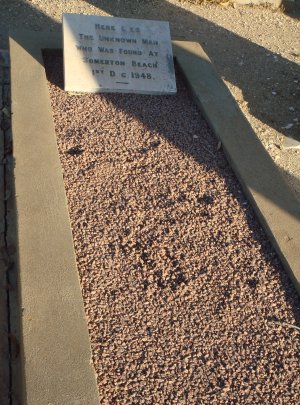
It Is Finished
The Somerton Man has a name now — Carl Webb — but the mystery endures. The code on the back of the Rubáiyát has never been broken. The poison has never been identified. Jessica Thomson took her secrets to the grave.
Tamám Shud. It is finished. Or perhaps it isn't.
Get the Full Book
The complete story of the unknown man, the Persian poetry, the unbreakable code, and the nurse who lied.