
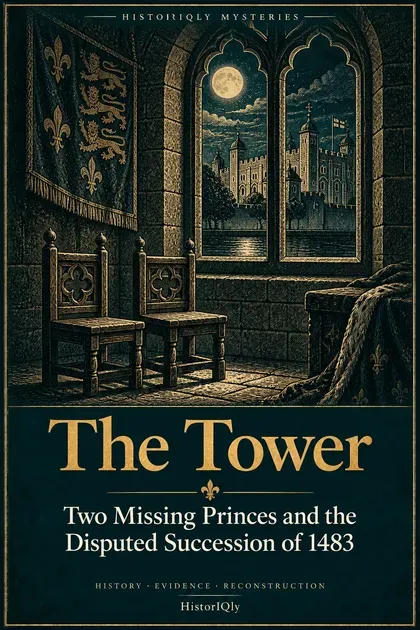
Get the full EPUB
Drop your email and the EPUB downloads straight to your device. We'll also ping you when the next case file lands — unsubscribe any time.
Your email is already on file — enjoy the read.
Download the EPUBIn 1483, Edward V, aged twelve, and his nine-year-old brother Richard were lodged in the Tower of London. Their uncle replaced Edward as king. The visitor Dominic Mancini reported that the brothers were seen less often until they no longer appeared. No agreed account establishes what happened next.
Early reports of violent death, later murder narratives and proposed survival evidence point in different directions. The brothers' fate remains unresolved.
2
Edward V, the uncrowned king, and his brother Richard, Duke of York, disappeared from public view during the succession crisis of 1483.
543
Their disappearance has prompted debate for more than five centuries; no remains have been conclusively identified as theirs.
4
Richard III, Buckingham and Henry VII feature in competing theories. Later accusations against Margaret Beaufort lack a documented link to a killing.
2
Simnel was presented as the Earl of Warwick in the standard account of the 1487 rebellion. Warbeck claimed to be Richard, the younger missing prince.
The Evidence
Reports from the Tower
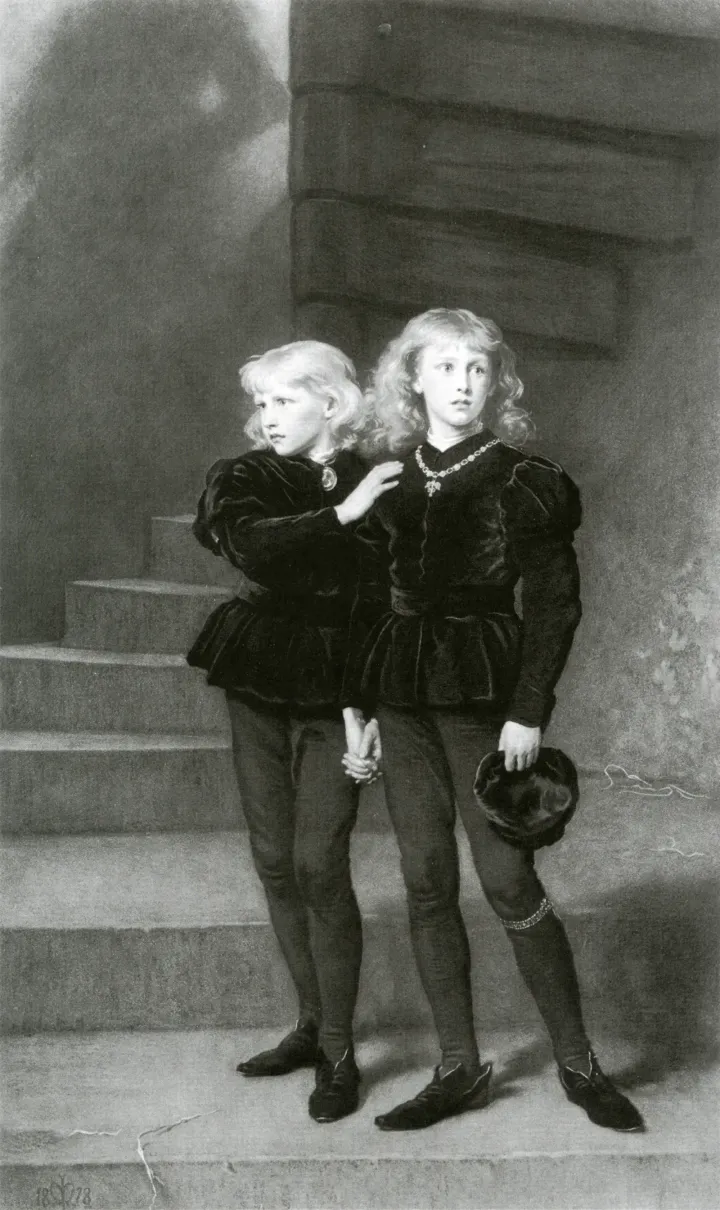
The Great Chronicle recalls the princes playing in the Tower garden. Mancini separately reports their withdrawal from view and Edward's fear of death, associated with the physician John Argentine. These accounts do not establish an exact last-sighting date.
The Bloody Tower
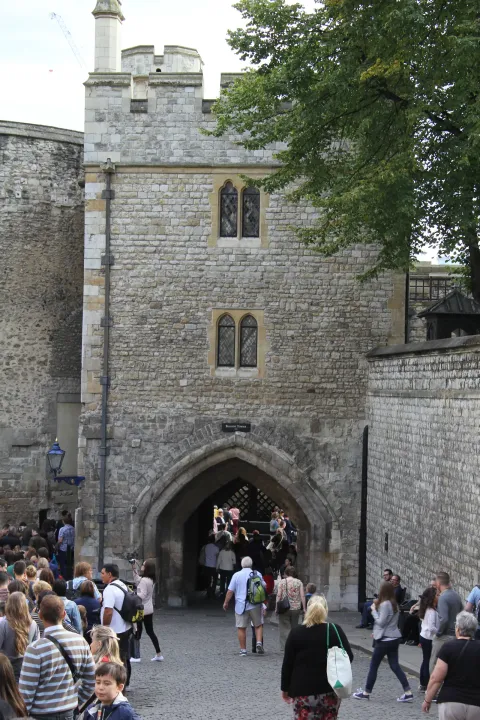
The Garden Tower and Bloody Tower are names for the same building. The princes' exact rooms are uncertain. Bones found near the White Tower in 1674 recalled More's burial story, but their location and identity remain disputed.
The King Under the Car Park
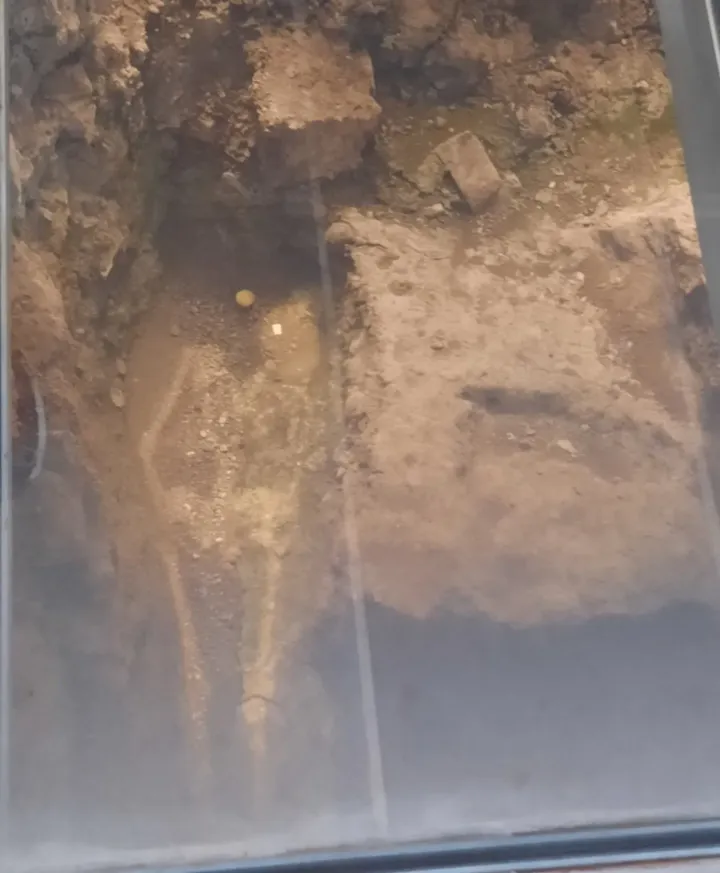
The Leicester excavation found remains later identified as Richard III through archaeology, physical examination, genealogy and DNA. The discovery clarified his burial and spinal condition; it supplied no direct evidence about the princes' fate.
A Crown Seized, Two Boys Lost
The King Dies
Edward IV dies on 9 April, aged forty. His son succeeds as Edward V, while Richard of Gloucester takes a leading role in government. Control of the boy and arrangements for his coronation become contested.
The Stony Stratford Coup
After meeting Rivers at Northampton, Gloucester detains the king's guardians and takes control of Edward at Stony Stratford. Elizabeth Woodville returns to sanctuary at Westminster with her younger children.
Hastings Executed
Hastings is arrested at a council meeting and executed that day without an ordinary trial. Other councillors are detained. On 16 June the younger prince leaves sanctuary and joins Edward in the Tower.
Richard III Crowned
Richard is crowned after accepting the throne in June on the basis of a claim that Edward IV's children are illegitimate. Parliament confirms the title in January 1484 through Titulus Regius.
Bosworth Field
Richard dies at Bosworth and Henry Tudor becomes Henry VII. Reports that the princes had died were already circulating before this change of dynasty; no securely identified bodies are produced.
Bones Discovered
Bones of two children are found during work near the White Tower and later placed in Westminster Abbey. The 1933 examination produces age estimates compatible with the princes but does not establish their identities.
Key Figures
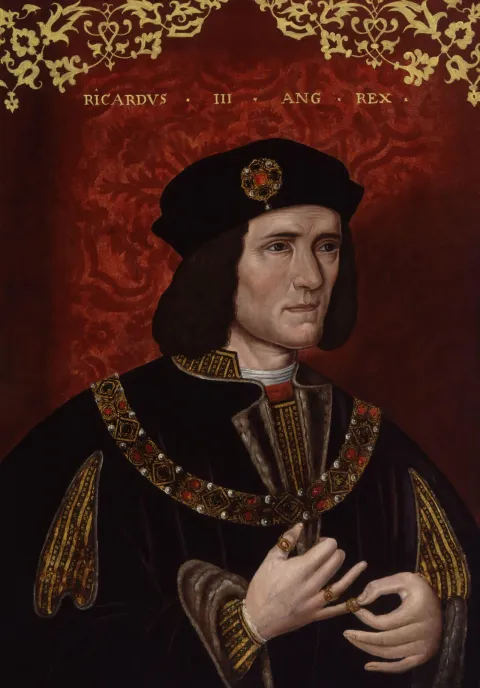
Richard III
The princes' uncle became Protector and then king in 1483. Their disappearance during his custody forms the core of the circumstantial case against him. The surviving record supplies no authenticated murder order.
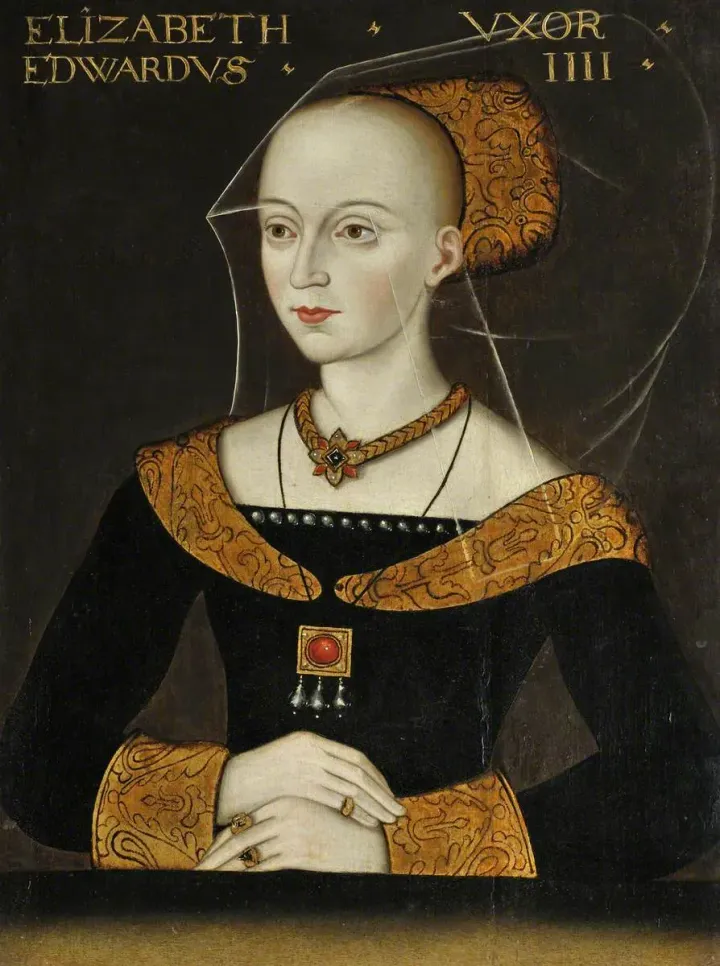
Elizabeth Woodville
Edward IV's widow and the princes' mother sought sanctuary at Westminster. Her younger son left her protection in June 1483. She later negotiated safeguards for her daughters and died in 1492.
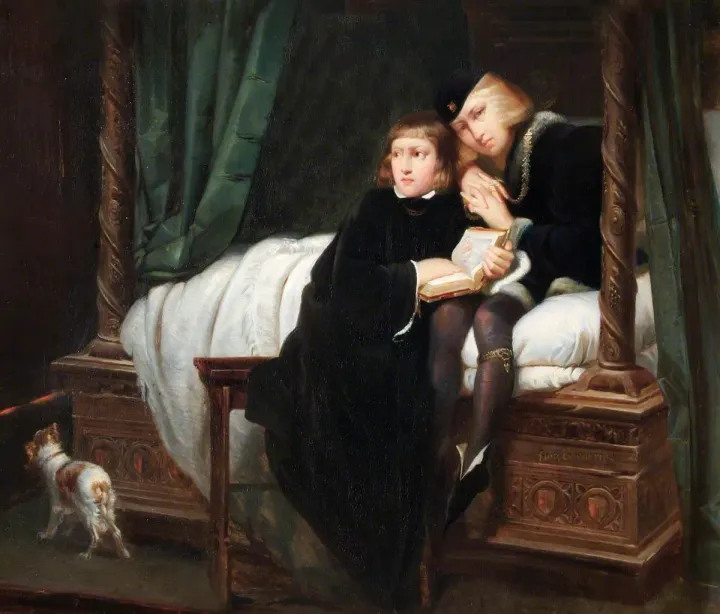
The Daughter of Time
Edward V and Richard entered the Tower during a struggle over government and succession. Their uncle became king; Henry VII later defeated him and married their sister. Neither reign left an agreed explanation of the boys' fate.
The Westminster urn commemorates two royal children, but the bones it contains have not been conclusively identified. The monument preserves a historical belief as well as an unresolved question.
Get the Full Book
The complete story — from the Wars of the Roses to the car park in Leicester, from the vanishing of two princes to the mystery that still haunts England.
Get the full EPUB
Drop your email and the EPUB downloads straight to your device. We'll also ping you when the next case file lands — unsubscribe any time.
Your email is already on file — enjoy the read.
Download the EPUB