The Phaistos Disc
The Bronze Age Script Nobody Can Read
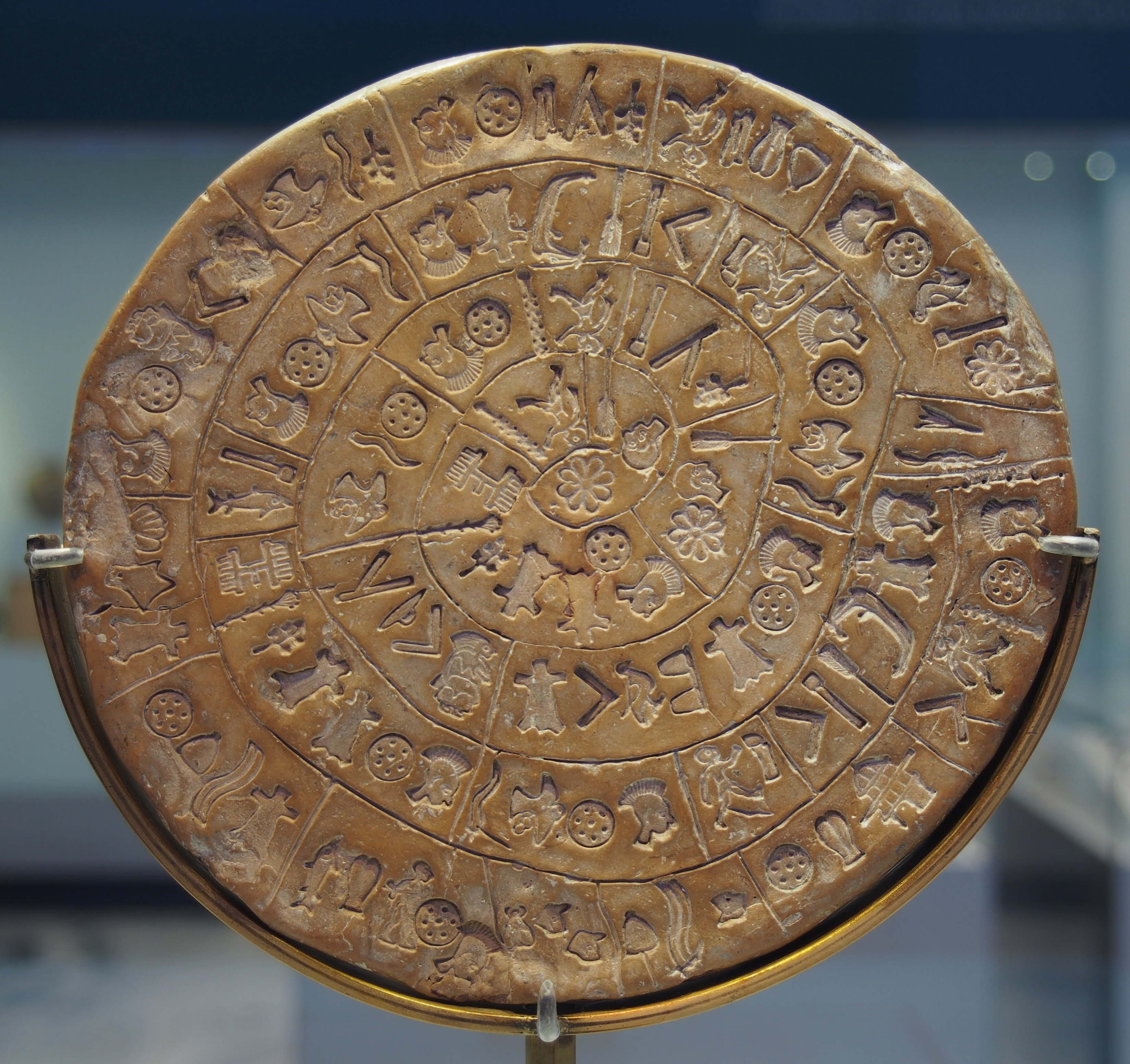
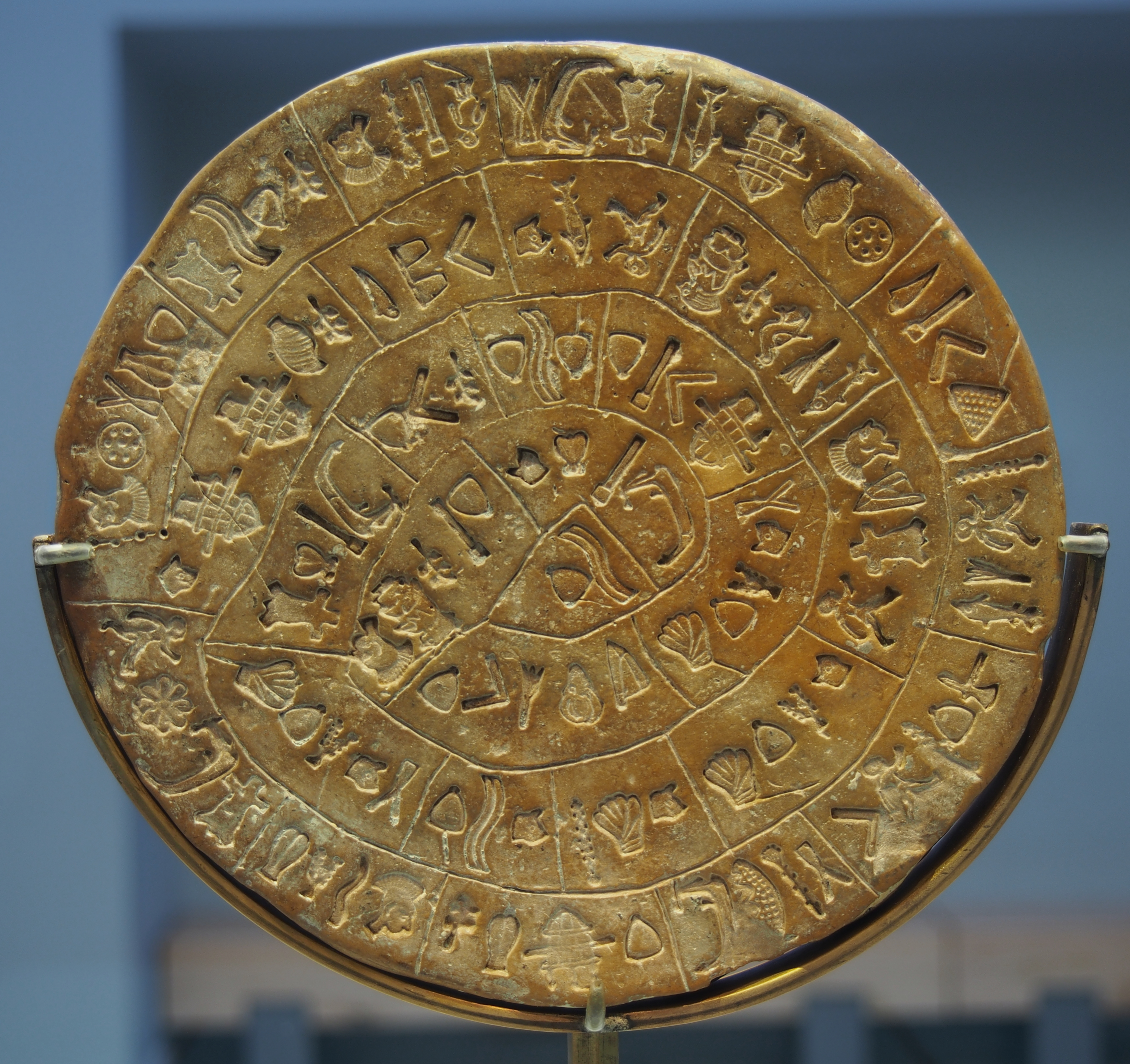
In the summer of 1908, an Italian archaeologist lifted a small clay disc from the ruins of a Minoan palace on Crete. Both faces were covered in symbols — 241 impressions of 45 distinct signs, stamped into the wet clay with individual punches before firing. The technique was without precedent. The script matched nothing else in the ancient world. For more than a century, every attempt to read it has failed.
Claimed as a prayer, a calendar, a game board, and an adventure story, the Phaistos Disc remains the most famous unsolved puzzle in archaeology.
241
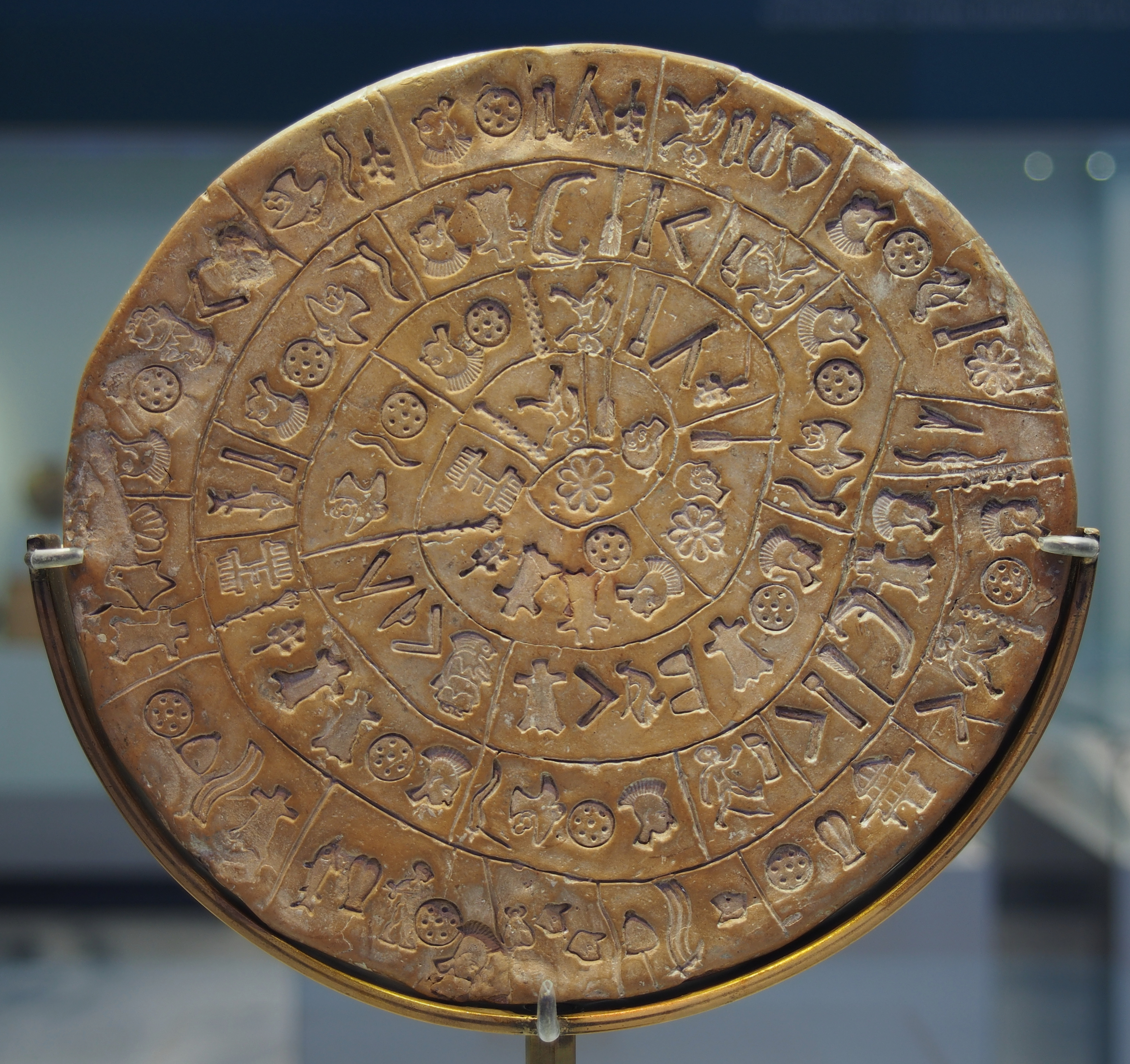
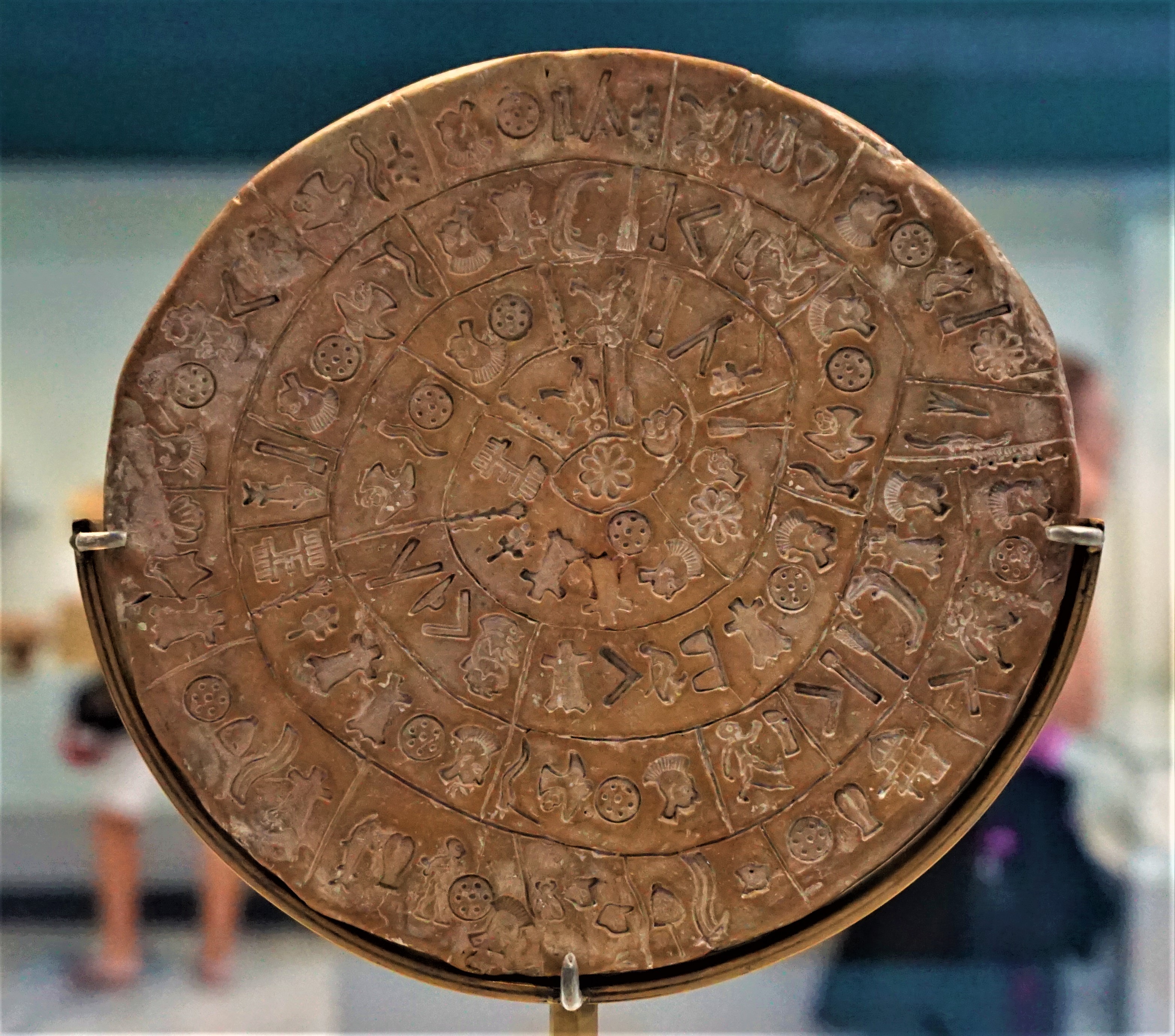
Symbol impressions stamped into clay using 45 distinct punches. Arranged in a spiral from edge to centre on both faces. Side A: 122 symbols in 31 groups. Side B: 119 symbols in 30 groups. Diameter: 15.8–16.5cm. Hand-shaped, not wheel-thrown.
Stamped
Each sign was pressed into wet clay with a reusable punch — a form of movable type 3,200 years before Gutenberg. No other Bronze Age inscription uses this method.
c. 1700 BCE
Found in a sealed Old Palace deposit alongside a Linear A tablet (PH-1). The context dates to the destruction of the first palace at Phaistos by earthquake, placing the disc firmly in the Middle Minoan period.
Dozens
Linguists, amateurs, and codebreakers have proposed readings in Semitic, Greek, Anatolian, and invented languages. None has achieved scholarly consensus. The text is too short and the script too isolated for conventional decipherment.
The Evidence
The Spiral Script
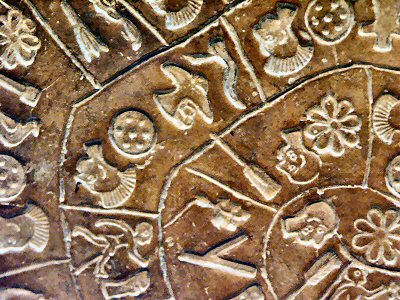
Symbols run in a clockwise spiral from edge to centre, divided into groups by incised lines. Forty-five distinct signs place it in the range of a syllabary — too many for an alphabet, too few for a logographic system. The script appears nowhere else in the archaeological record.
The Signs
The most common symbol — appearing 19 times — is a human head with a feathered headdress. Other signs depict shields, helmets, a walking figure, a ship, a fish, flowers, and a carpenter's tools. Each is vivid, naturalistic, and recognisably Minoan in style.
The Context
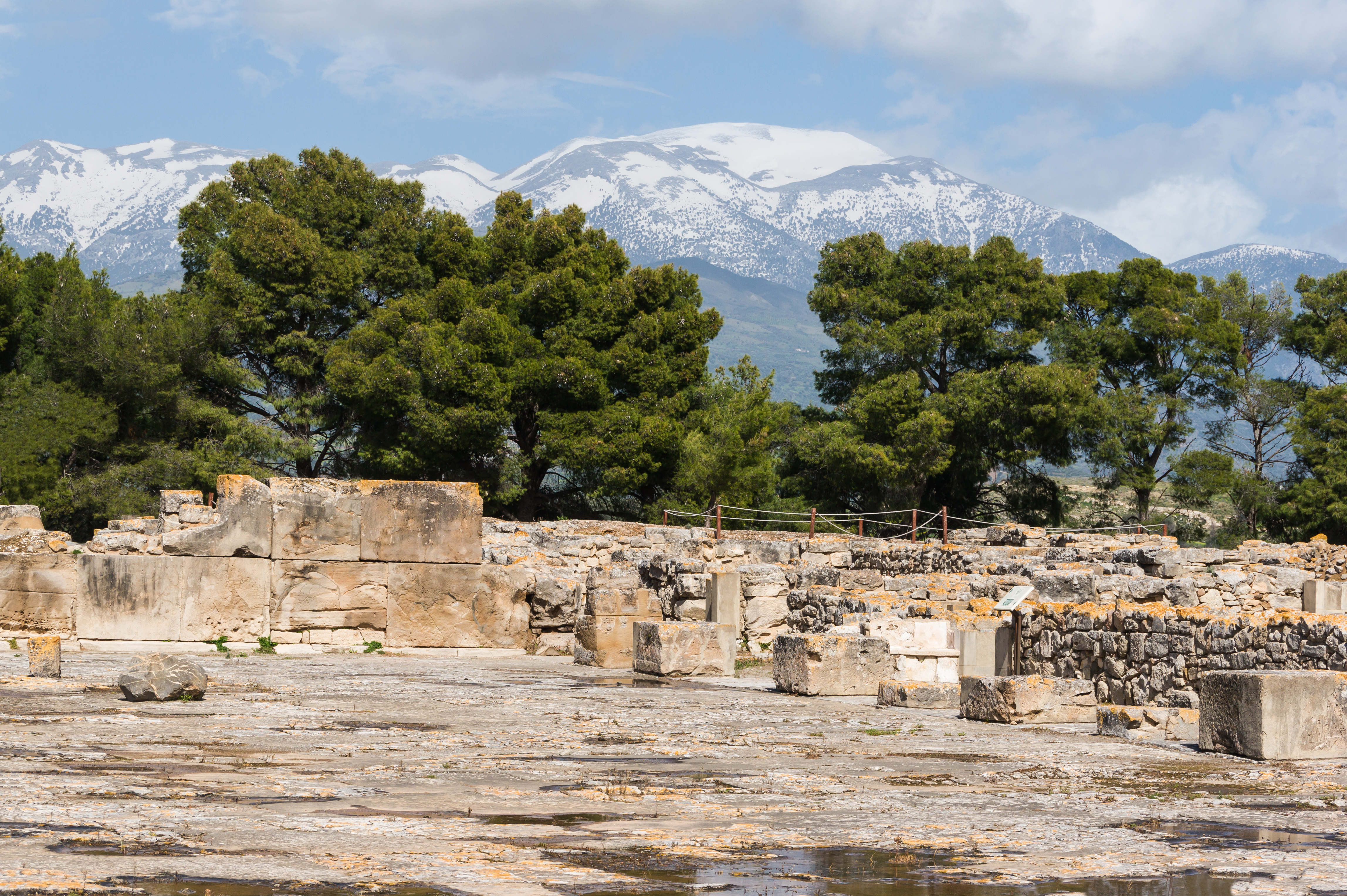
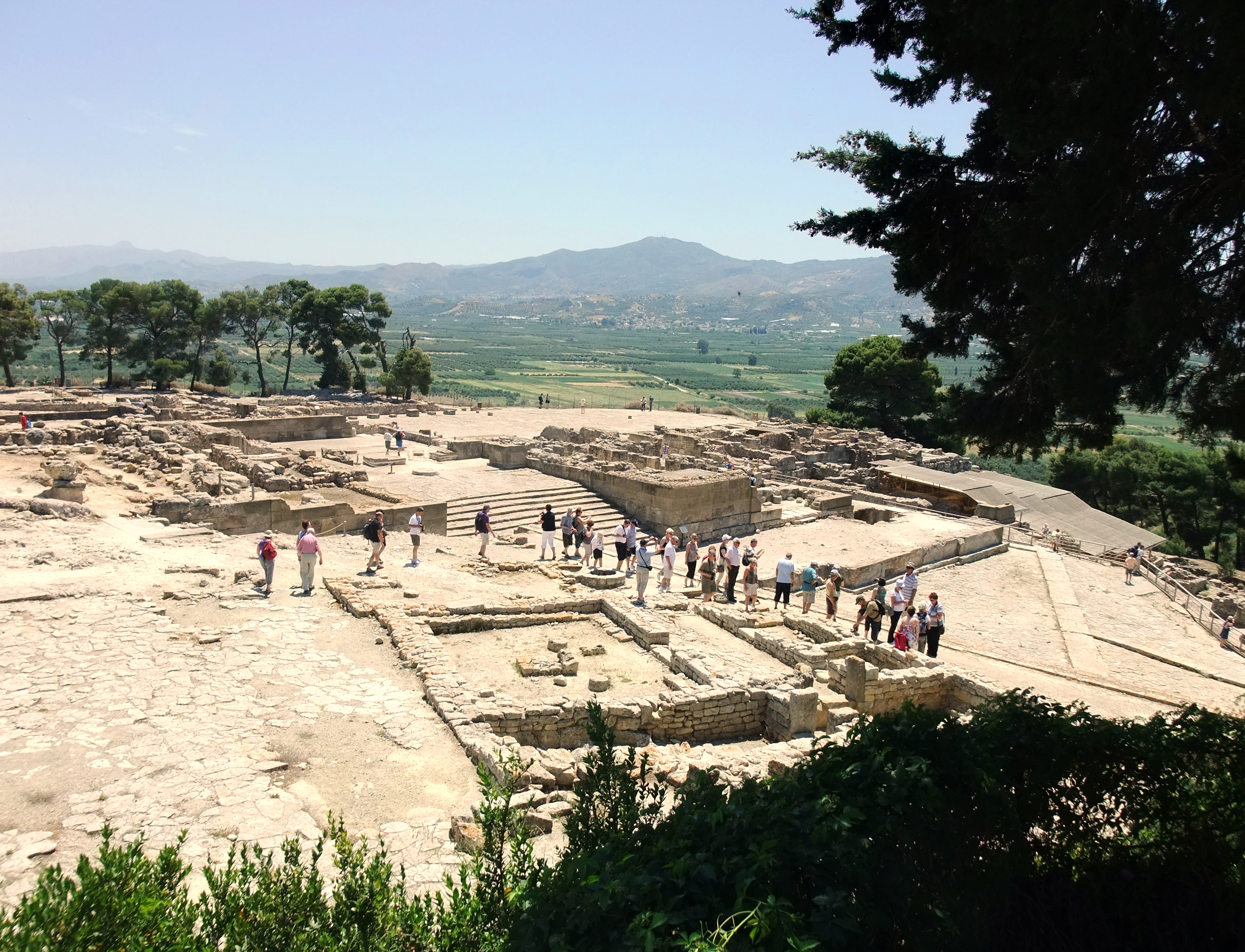
Found in the basement of Room 8, Building 101 — a sealed Old Palace deposit beneath the later New Palace. The room contained burnt bovine bones and a Linear A tablet, suggesting a ritual depository. The disc had lain undisturbed for nearly four thousand years.
Four Millennia of Silence
Creation
The disc is made during the Old Palace period at Phaistos, the second-largest Minoan palace on Crete. Someone stamps 241 symbols into wet clay using 45 individual punches, then fires the disc to permanence. The technique is unique in the Bronze Age world.
The Earthquake
A devastating earthquake destroys the Old Palace. When the New Palace is built over the ruins, the disc is sealed beneath metres of fill in Room 8 — preserving it in its original context for nearly four thousand years.
Discovery
At 7 p.m., foreman Zacharias Iliakis lifts the disc from the black earth of Room 8. Luigi Pernier, directing the excavation for the Italian School of Archaeology, immediately recognises its significance. He publishes the find in Ausonia later that year.
Linear B Deciphered
Michael Ventris cracks Linear B, revealing it as an early form of Greek. But the breakthrough sheds no light on the Phaistos Disc — its script shares no signs with Linear B and may record a different language entirely.
The Forgery Debate
In 2008, a minority of scholars raise the possibility that the disc was fabricated by Pernier. Thermoluminescence testing and clay analysis have supported its antiquity, but the debate has brought renewed attention to the disc's unique status.
Still Unread
After more than a century of study by linguists, mathematicians, cryptographers, and enthusiasts, the Phaistos Disc has yielded no confirmed reading. It remains the most famous undeciphered text in archaeology.
Key Figures
Luigi Pernier (1874–1937)
Italian archaeologist who directed the Phaistos excavations from 1908. Born to a wealthy Roman family, trained under Halbherr and Lanciani. Published the disc in Ausonia with meticulous documentation. Later accused — posthumously and controversially — of forging the object he spent his career studying.
Arthur Evans (1851–1941)
British archaeologist whose excavations at Knossos — 60km north of Phaistos — defined Minoan civilisation. His discoveries of Linear A and Linear B set the framework for Aegean epigraphy. He examined the disc and confirmed its uniqueness but could not read it.
A Message With No Reader
Someone made forty-five tiny stamps, pressed them into wet clay in a careful spiral, and fired the result into permanence. That person expected the disc to be read. They expected the symbols to mean something to whoever held it next.
Three thousand seven hundred years later, nobody has held up their end of the bargain.
Get the Full Book
The complete story of the discovery, the symbols, the failed decipherments, and the mystery that has outlasted empires.