Opus Dei
The Secret Power Inside the Vatican
In 1928, a twenty-six-year-old Spanish priest had a vision. He saw an organisation that would sanctify ordinary work — factory floors, hospital wards, trading desks. Within decades, his followers had infiltrated governments, shaped economies, and fast-tracked their founder to sainthood. They called it the Work of God. Critics called it a cult.
This is the true story of Opus Dei — the Catholic Church's most powerful and most controversial secret society.
999
Maxims in Escrivá's book The Way — the ideological foundation of Opus Dei. Maxim 617: "Obey, as an instrument obeys in the hands of the artist." Translated into 40+ languages, it has sold over six million copies.
27 yrs
From death to sainthood — one of the fastest canonisations in modern Catholic history. The Devil's Advocate was abolished just in time.
8
Opus Dei members who served as ministers in Franco's dictatorship, engineering the "Spanish Miracle" of the 1960s.
2/day
Hours per day numerary members wear a spiked metal chain on the thigh. Former members testified the prongs left puncture marks and sometimes drew blood.
The Evidence
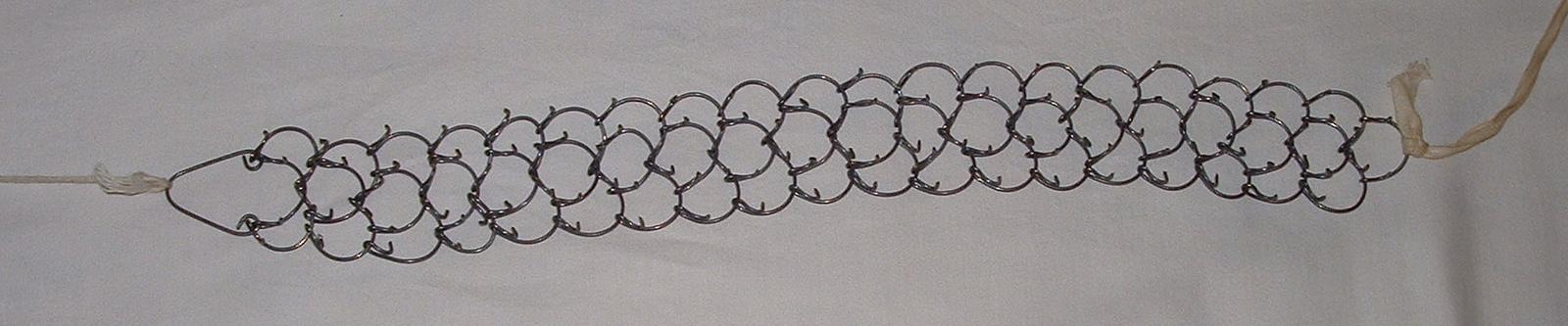
The Cilice
A braided wire band with inward-pointing metal prongs, worn around the upper thigh for two hours daily by numerary members. The official position: "a fairly low level of discomfort." Former member Sharon Clasen: she was encouraged to "draw a little blood." John Roche administered 40 strokes with a corded whip three times a week for 13 years. The practices are supervised by Opus Dei's own internal doctors — with no external oversight.
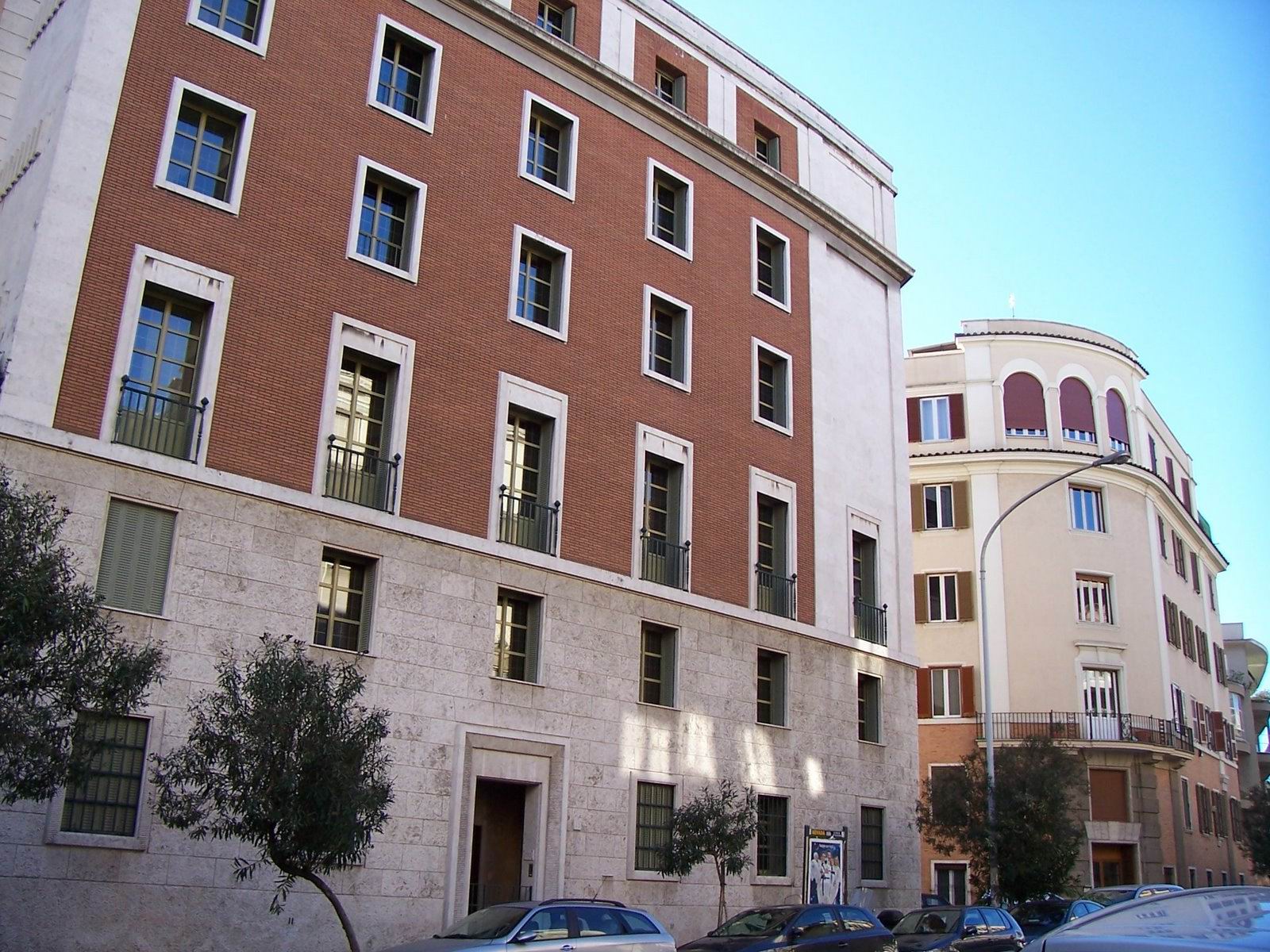
Villa Tevere
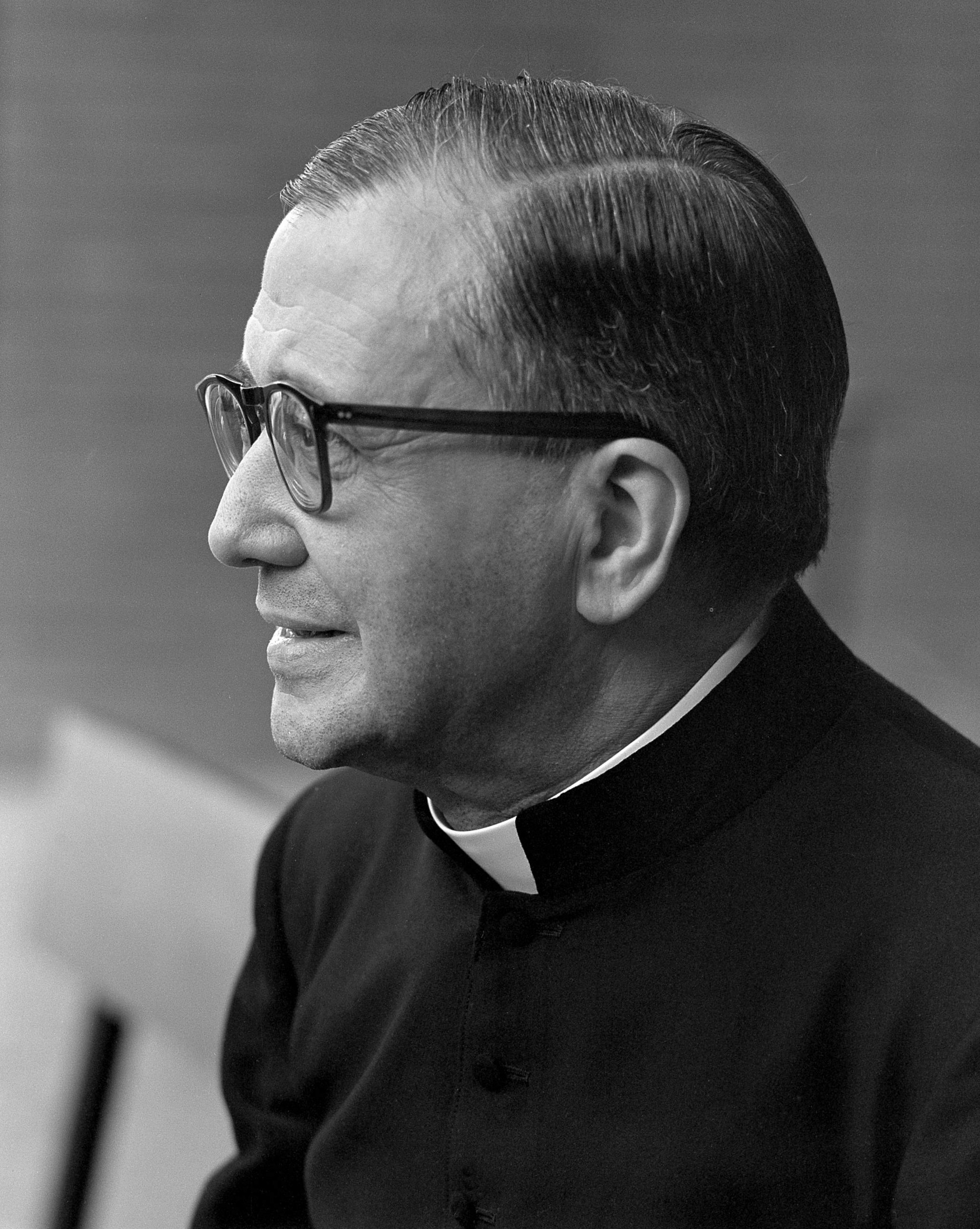
Opus Dei's central headquarters in Rome — the nerve centre of an organisation that spans more than sixty countries. From here, the Prelate oversees 90,000 members, including approximately 2,000 priests. Numeraries hand over their entire salaries. Mail was inspected by superiors. Members could not choose their own spiritual directors or read unapproved books. In 2024, Argentine prosecutors charged four Opus Dei priests with human trafficking of 43 women.
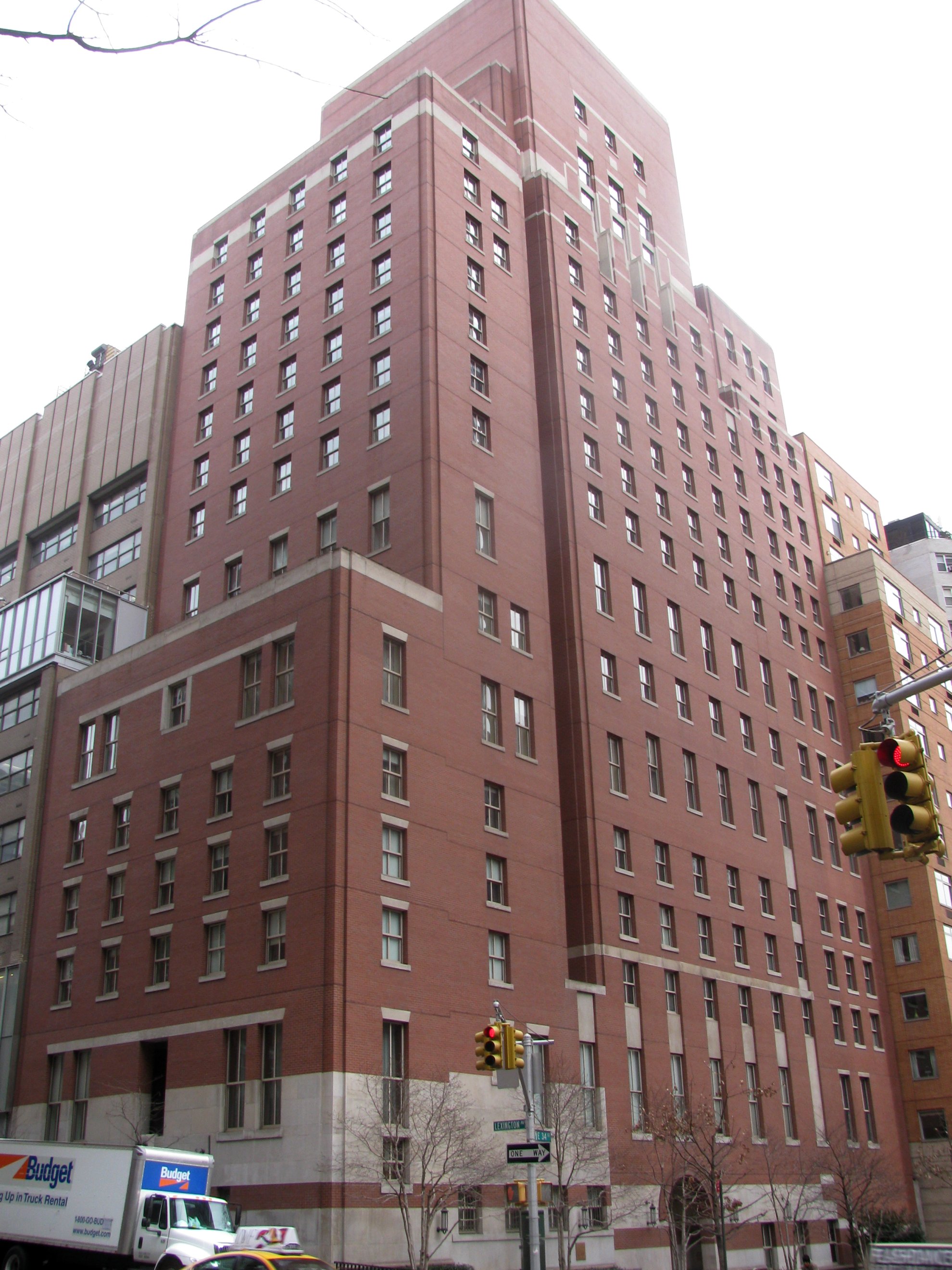
The Network
Opus Dei's 17-story national headquarters on Lexington Avenue, completed in 2001. The Catholic Information Center on K Street in Washington — run by Opus Dei — is described as "the closest tabernacle to the White House." Leonard Leo, the conservative legal strategist behind six Supreme Court confirmations, is closely associated with the centre. FBI spy Robert Hanssen attended daily Mass there before his arrest.
The Work of God
The Vision
On October 2, twenty-six-year-old priest Josemaría Escrivá experiences a vision in Madrid and founds Opus Dei — "The Work of God." His mission: ordinary people can become saints through their daily work. The first followers are gathered one by one from hospitals and universities.
The Crossing
During the Spanish Civil War, Escrivá and seven companions escape Republican Madrid by crossing the Pyrenees on foot in winter. The harrowing trek through freezing mountain passes becomes a founding myth of the organisation — an exodus narrative of persecution and deliverance.
The Technocrats
Three Opus Dei members enter Franco's cabinet as "technocrat" ministers. Their Stabilisation Plan of 1959 transforms the Spanish economy, triggering the "Spanish Miracle" — the second-fastest growth rate in the world. The price: permanent association with a dictatorship.
Personal Prelature
Pope John Paul II erects Opus Dei as the first — and only — Personal Prelature in the Catholic Church. The designation gives the organisation unprecedented independence from local bishops. It answers directly to the Vatican. Or rather, directly to the Pope who champions it.
The Fastest Saint
Escrivá is canonised by John Paul II — just 27 years after his death, one of the fastest canonisations in modern history. The Devil's Advocate office was abolished in 1983. Critical witnesses were refused hearings. Opus Dei's own doctors certified his miracles.
Key Figures
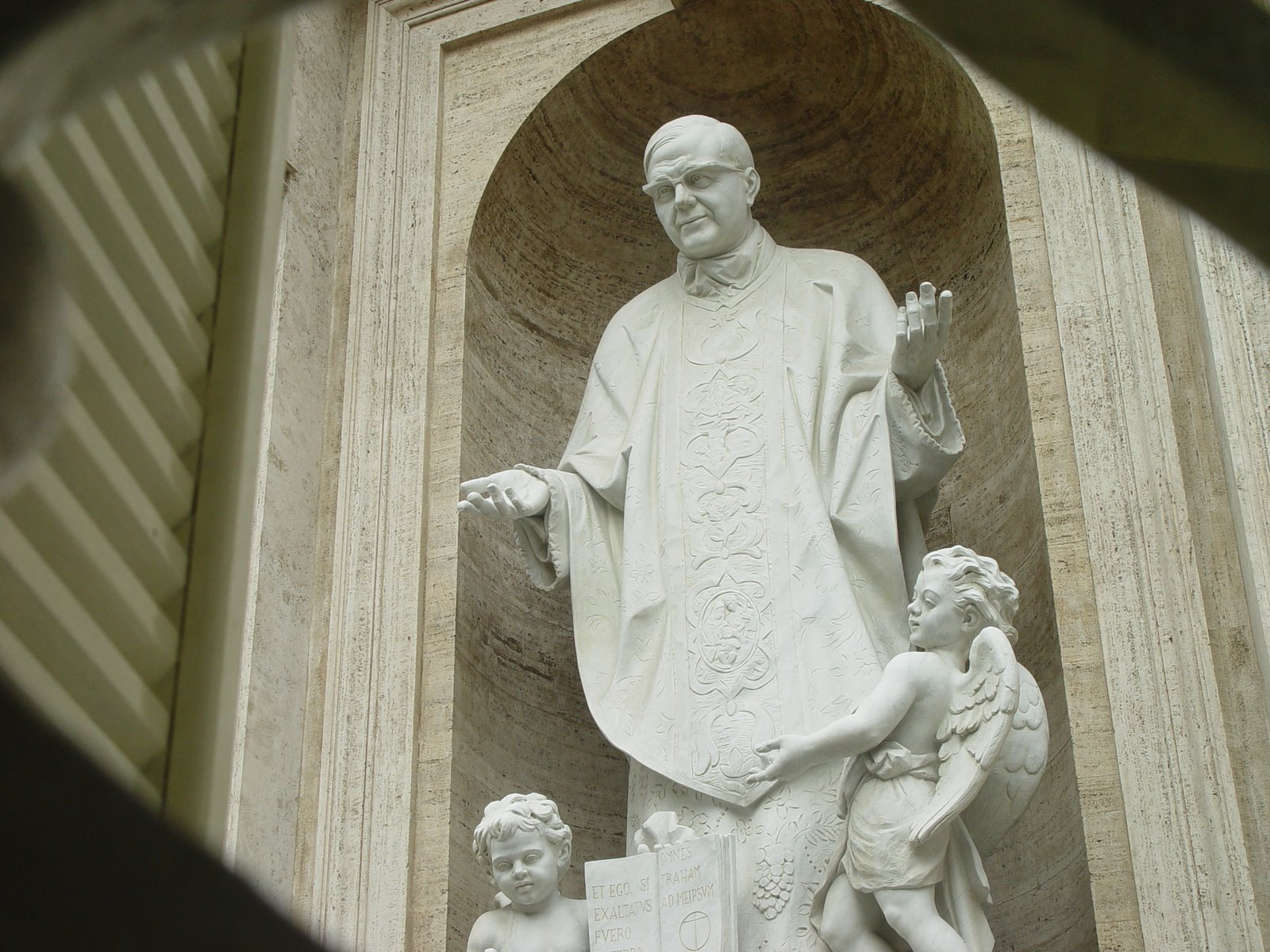
Josemaría Escrivá
Born 1902 in Barbastro, Spain. Ordained 1925. Founded Opus Dei on October 2, 1928. Author of The Way — 999 maxims demanding blind obedience. His critics documented explosive temper, verbal cruelty toward subordinates, pursuit of an aristocratic title (Marqués de Peralta), and distress over Vatican II reforms so severe he allegedly considered converting to Orthodox Christianity. Canonised 2002. Died 1975.
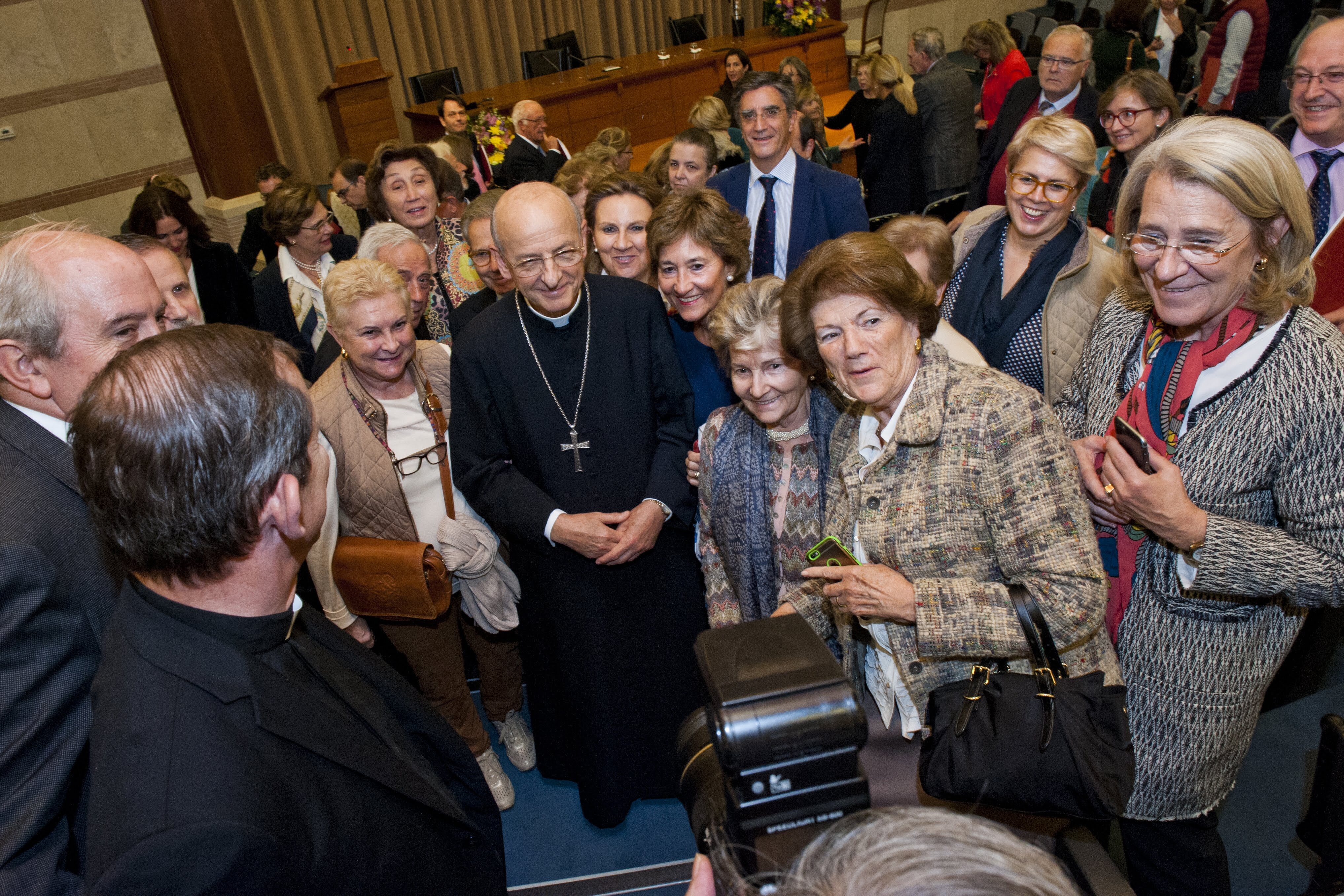
Fernando Ocáriz
Born 1944 in Paris. Elected Prelate of Opus Dei in 2017 — the third to hold the position after Escrivá's successors Álvaro del Portillo and Javier Echevarría. Ocáriz inherited an organisation under siege: Pope Francis's 2022 and 2023 reforms stripped the Prelate of bishop status, increased Vatican oversight, and curtailed Opus Dei's authority over its lay members. The Work of God faces its deepest institutional crisis.
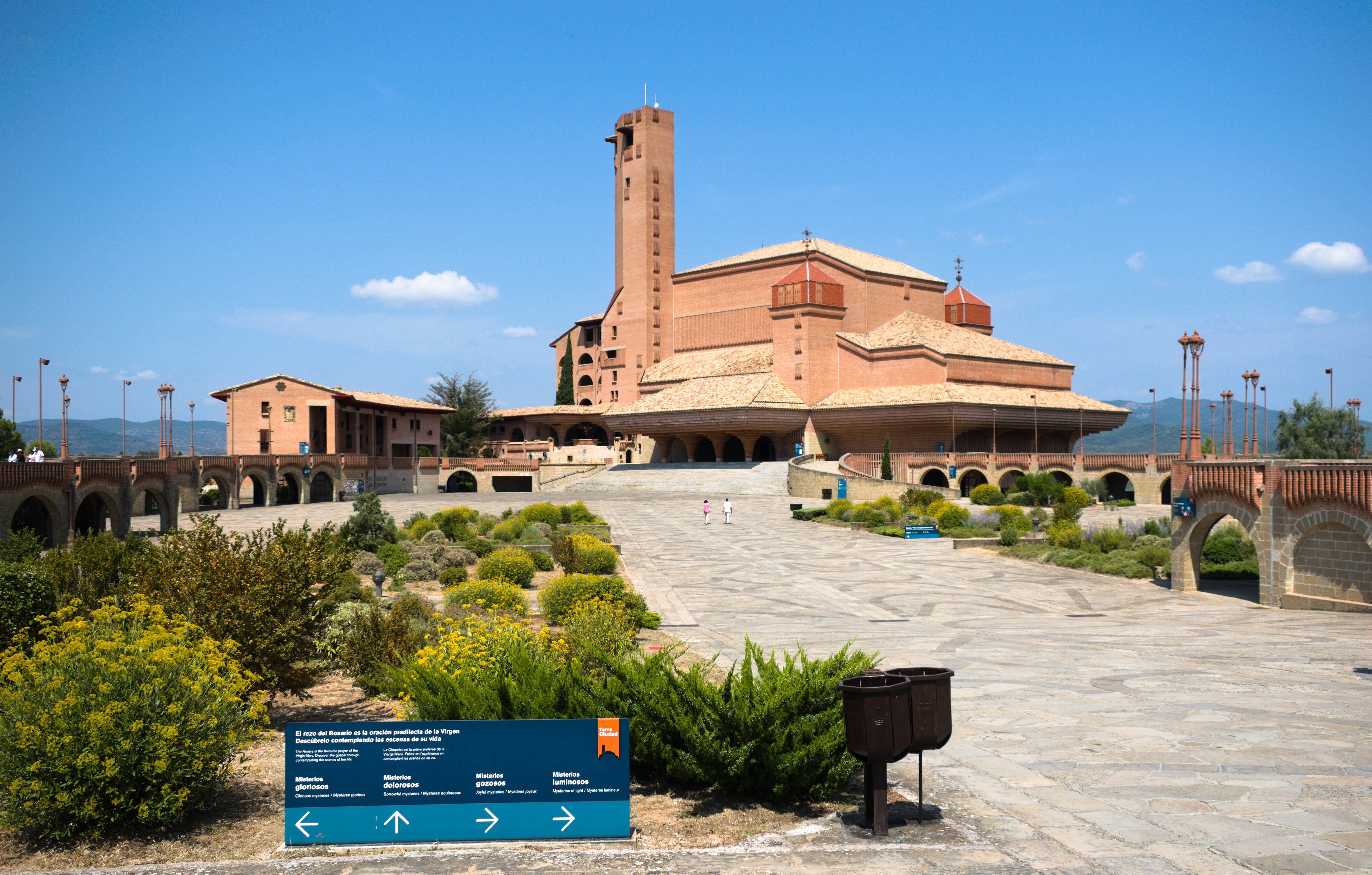
The Reckoning
For nearly a century, Opus Dei operated in the shadows of the Catholic Church — demanding blind obedience, practising corporal mortification, placing its members in corridors of power from Franco's cabinet to the U.S. Supreme Court. The founder became a saint in record time. The organisation became the Church's most powerful institution.
Now, for the first time, the power is being taken back. Pope Francis has stripped its privileges. Prosecutors have filed charges. Former members have broken their silence. The Work of God is being judged by the world it sought to sanctify.
Get the Full Book
The complete story of Opus Dei — from a young priest's vision in 1928 to a global empire of influence, wealth, and control.