Operation Paperclip
The Nazi Scientists Who Built the American Dream
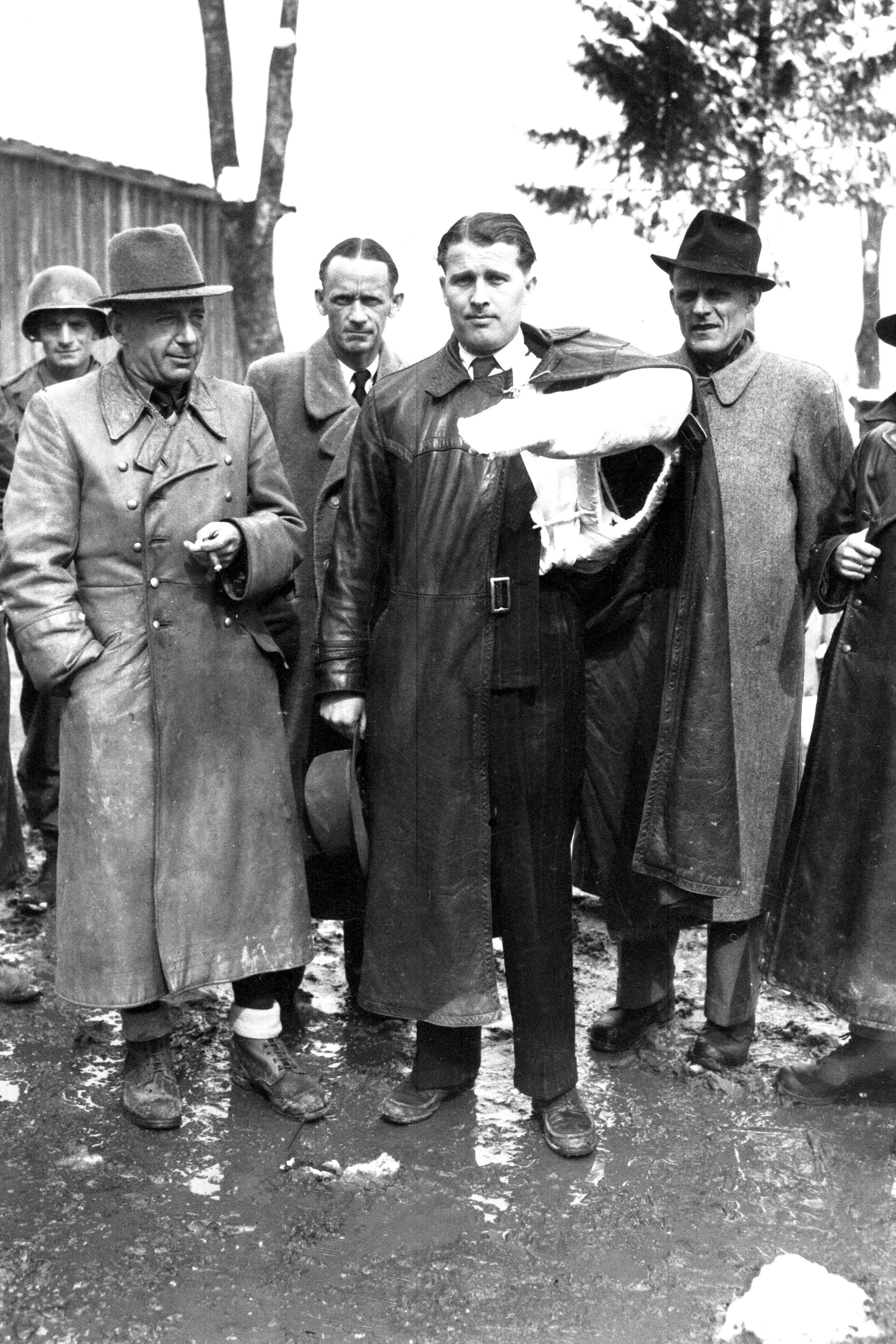
In May 1945, a young German engineer with a broken arm and an SS commission surrendered to American forces in the Bavarian Alps. He had built the most advanced weapon on earth — and he wanted to go to the Moon. Within a decade, the United States had secretly recruited more than 1,600 Nazi scientists to win the Cold War.
The deal was simple: trade justice for the stars. Falsify the records, erase the Nazi past, and give these men American lives. The men who had built weapons with slave labour would build the rockets that put Americans on the Moon.
1,600+
German scientists, engineers, and technicians recruited under Operation Paperclip and its successor programmes between 1945 and 1959. Their dossiers were falsified by the JIOA to circumvent President Truman's explicit ban on Nazi activists.
20,000
Prisoners who died at Mittelbau-Dora building the V-2. More than were killed by the weapon itself.
67
V-2 rockets launched from White Sands by the Paperclip team — the birth of the U.S. space programme.
SS Major
Sturmbannführer. Personally approved by Heinrich Himmler. Von Braun called it a "formality." The JIOA called it irrelevant.
The Evidence
The Price of the Weapon
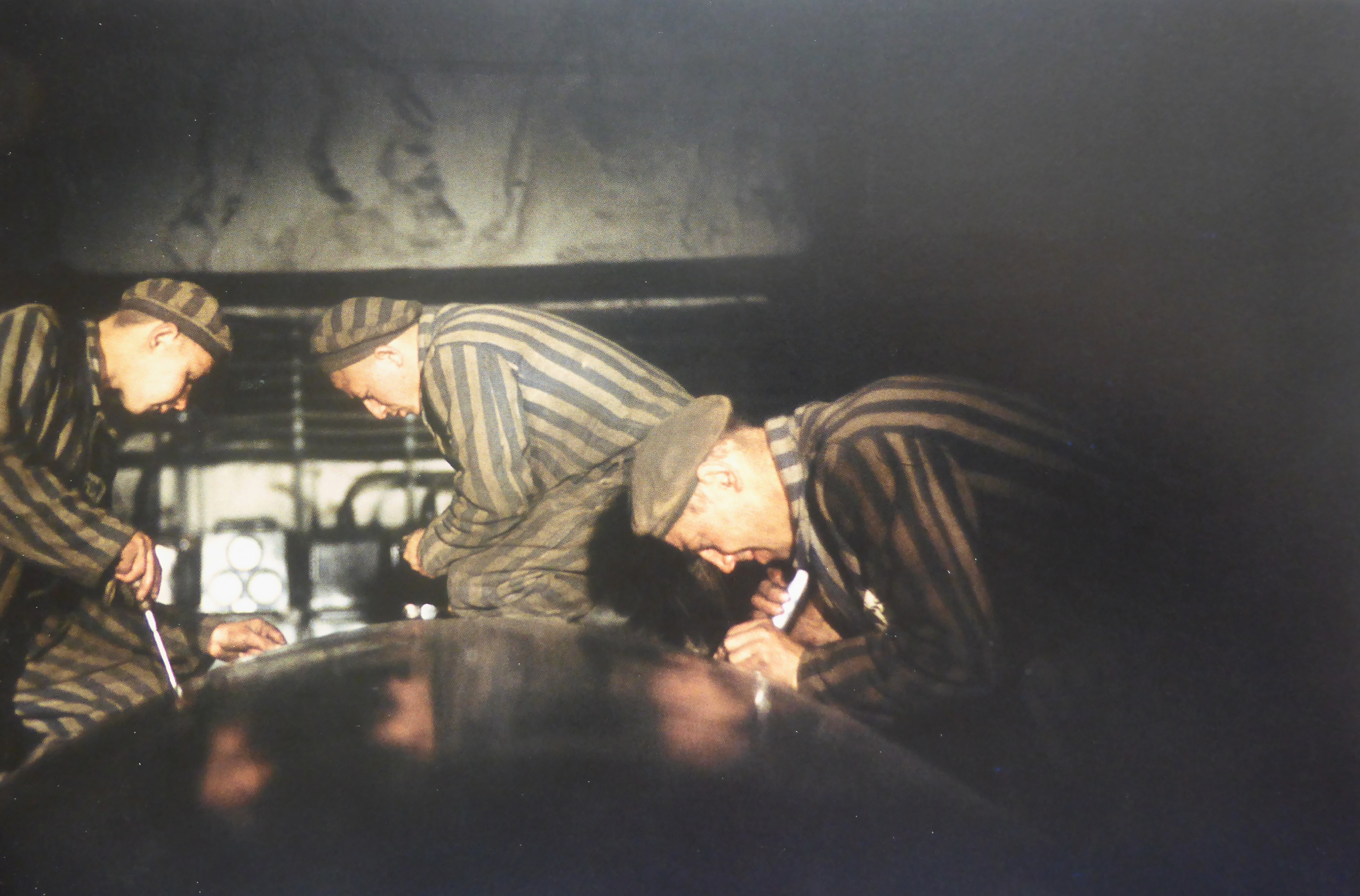
Prisoners from Konzentrationslager Dora assembled V-2 rockets inside tunnels beneath the Kohnstein mountain. The average life expectancy was six months. At least 20,000 died — from starvation, disease, beatings, and execution. Arthur Rudolph, the production manager who oversaw this workforce, later managed the Saturn V programme for NASA.
The Desert Launches
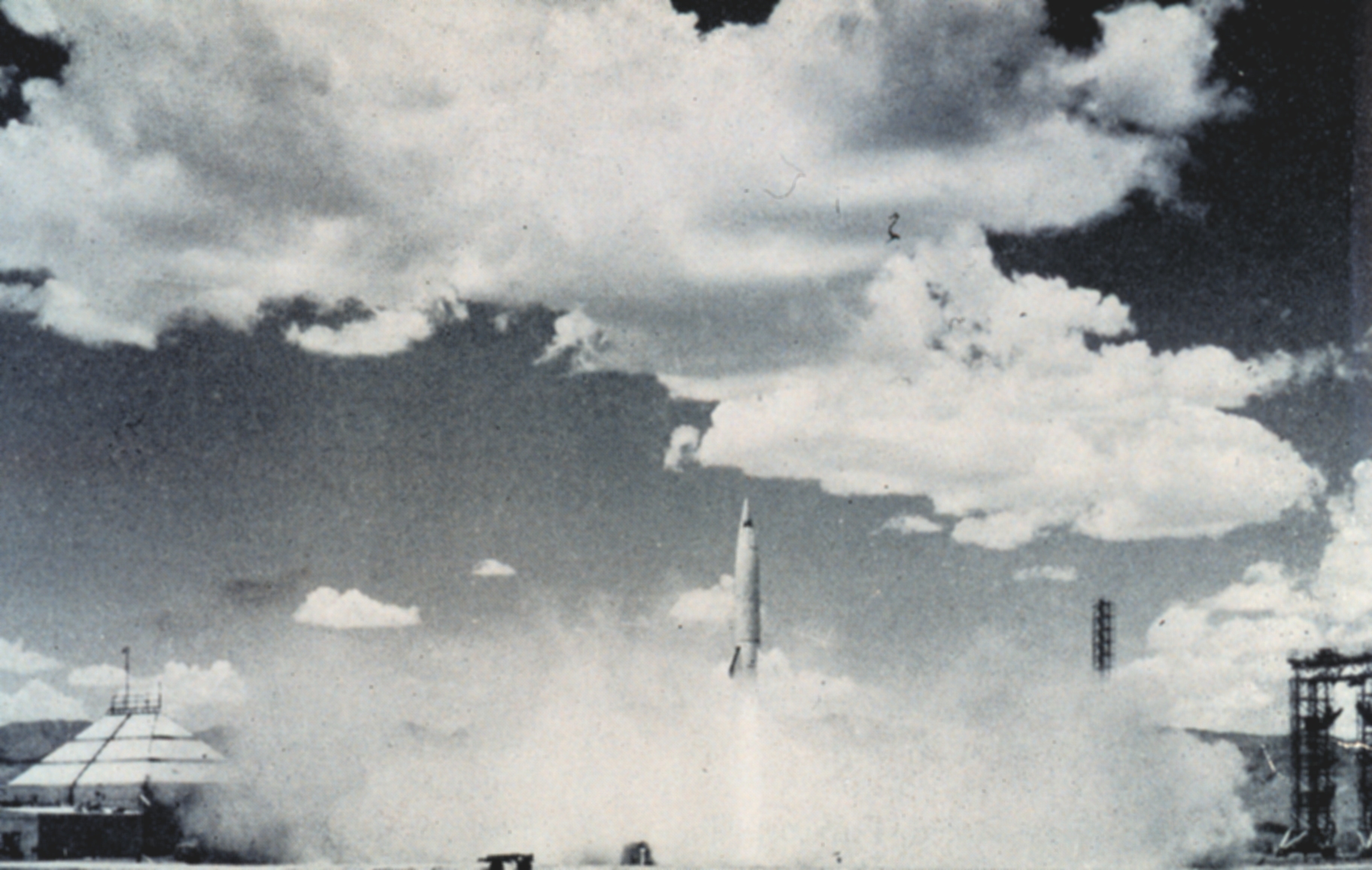
Between 1946 and 1952, von Braun's team launched 67 captured V-2 rockets from White Sands, New Mexico. The rockets took the first photographs of Earth's curvature from space and discovered cosmic radiation. One famously flew south instead of north and landed in a cemetery near Juárez, Mexico.
The Payoff
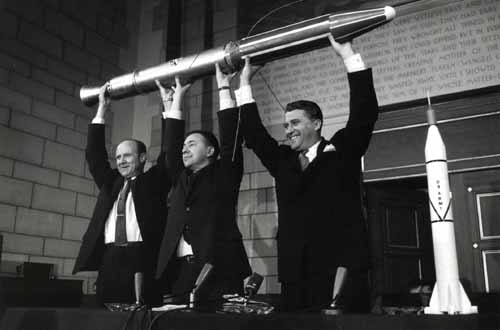
Three months after Sputnik, von Braun's Jupiter-C rocket launched Explorer 1 — America's first satellite. The photograph of Pickering, Van Allen, and von Braun holding the satellite model aloft became an icon of the Space Age. The SS major was now an American hero.
From V-2 to Apollo
The First V-2 Hits London
A ballistic missile travelling faster than sound strikes Chiswick, killing three. Over the next seven months, more than 3,000 V-2s will be launched. The weapon that kills 9,000 people costs 20,000 slave labourers' lives to produce.
Von Braun Surrenders
With his arm in a cast and 500 engineers behind him, von Braun surrenders to the U.S. 44th Infantry Division. He has hidden 14 tons of rocket blueprints in a mine shaft as a bargaining chip. "We want to go to the Moon," he tells his captors.
Truman Signs the Directive
The president authorises Paperclip with one condition: no "active supporters of Nazi militarism." The JIOA responds by rewriting the dossiers. Von Braun's file is changed from "potential security threat" to "not an ardent Nazi."
Sputnik
A Soviet satellite the size of a beach ball crosses the American sky, beeping. The Paperclip scientists go from embarrassment to national priority overnight. Von Braun is finally unleashed.
Apollo 11
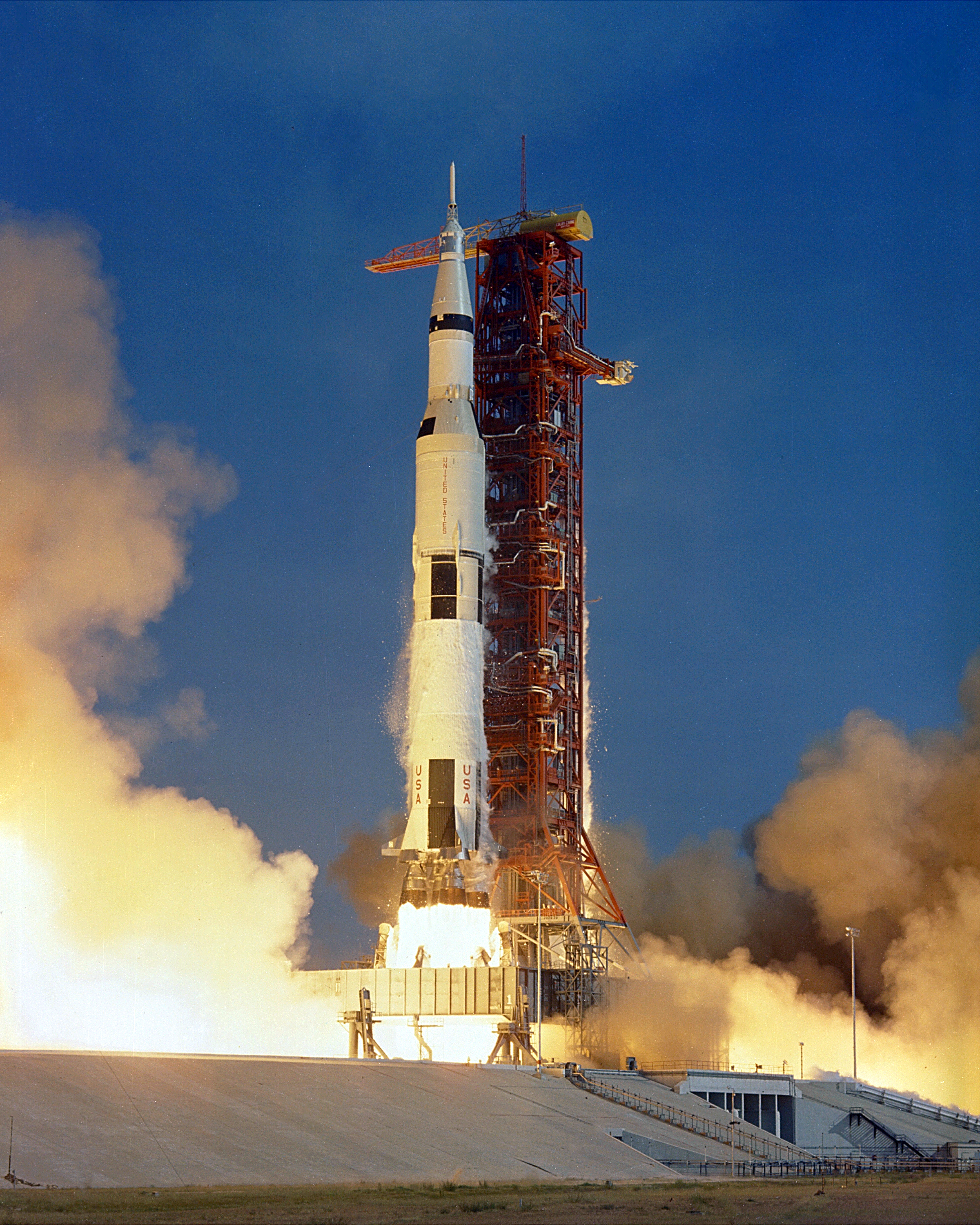
Saturn V — designed by von Braun, managed by Rudolph, launched by Debus — carries Armstrong, Aldrin, and Collins to the Moon. The most powerful rocket ever built works flawlessly. Its architects' wartime records remain sealed.
Key Figures
Wernher von Braun
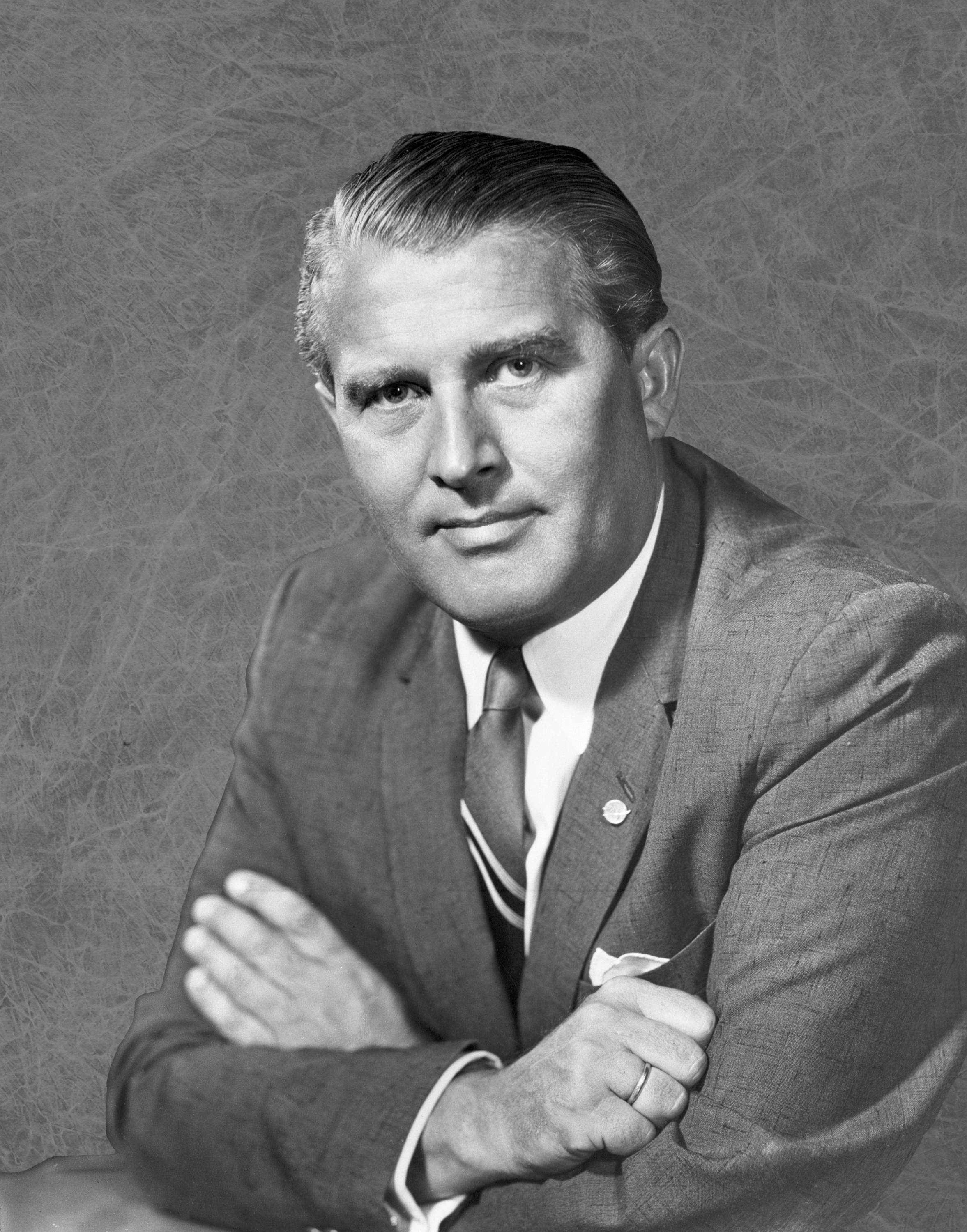
SS-Sturmbannführer, inventor of the V-2, and director of NASA's Marshall Space Flight Center. He designed the Saturn V that put men on the Moon. His party membership, SS rank, and connections to slave labour were systematically minimised in his JIOA dossier.
Arthur Rudolph
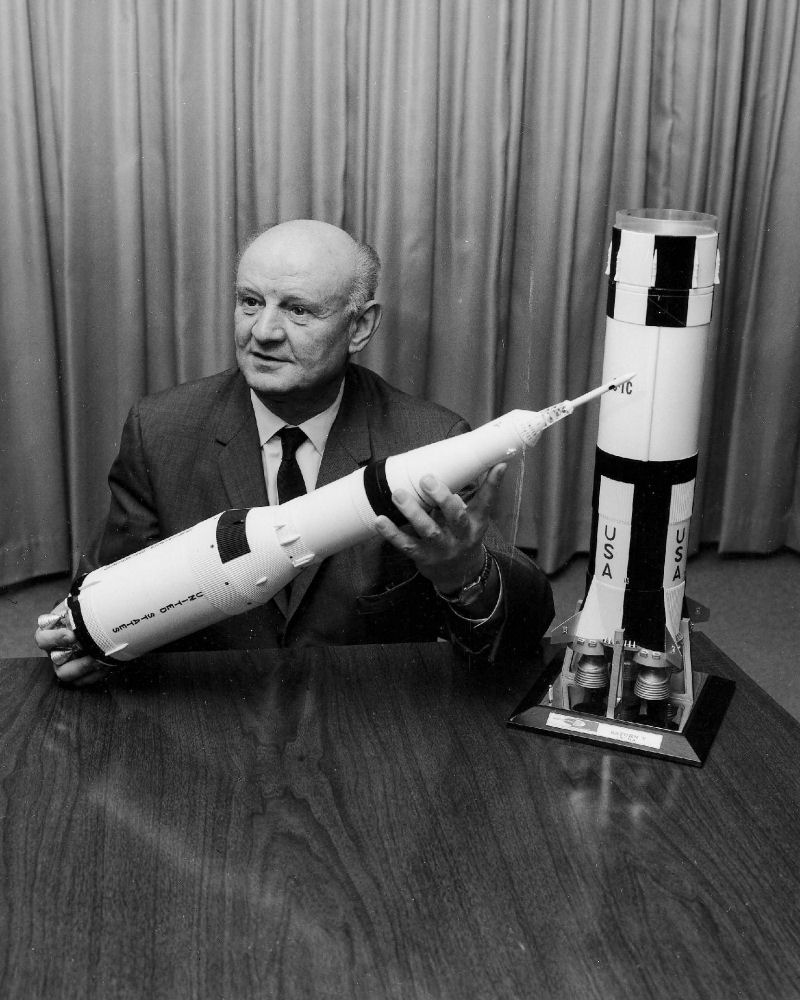
Production manager at the Mittelwerk, where 20,000 slave labourers died building V-2 rockets. Later became project manager of the Saturn V. In 1984, facing a war crimes investigation, he renounced his U.S. citizenship and left the country.
Were the Stars Worth the Price?
Operation Paperclip traded justice for technological supremacy. The men who built the V-2 with slave labour built the Saturn V with taxpayer dollars. The files were falsified. The past was erased. The Moon was reached.
The defenders say there was no alternative — that the Cold War demanded it, that the Soviets would have taken these men, that the cost of losing was greater than the cost of compromise. The critics say that this is the logic of the SS itself: that human suffering can be weighed against a greater purpose.
Get the Full Book
The complete story of the secret programme, the falsified files, the slave tunnels, and the rockets that reached the Moon.