
Get the full EPUB
The EPUB is part of the HistorIQly Plus library. The case file on this page stays free to read.
This EPUB is already in your library. The case file on this page stays free to read.
Download EPUBPlus includes every book in the library. See what Plus includes
Every book in the library is yours to download.
All EPUBs are in English. Translations are coming.
In March 1962, the chairman submitted a top-secret proposal for the Joint Chiefs of Staff to bomb American cities, sink refugee boats, hijack planes, and stage a fake shoot-down of a civilian airliner — all to trick the American public into supporting an invasion of Cuba. The projects were not approved. Kennedy later replaced Chairman Lyman Lemnitzer, who went on to senior NATO command.
The document stayed classified for thirty-five years. When it was finally declassified, almost nobody noticed — later reporting and online publication brought it to a wider audience.
10+
Distinct false flag operations proposed by the Joint Chiefs: bombings in Miami and Washington, sinking boats of Cuban refugees "real or simulated," faking the destruction of a civilian airliner, attacking Guantanamo Bay, The separate Dirty Trick proposal contemplated blaming Communist interference if John Glenn’s orbital mission failed.
All JCS
Lemnitzer signed for the Joint Chiefs collectively. The covering memorandum recommended further consideration of preliminary proposals; it did not authorize operations.
NOFORN
Top Secret Special Handling. Not releasable to foreign nationals. NOFORN is a dissemination restriction, alongside the Top Secret classification.
35 Years
Classified from 1962 until 1997. Lemnitzer died in 1988, before the 1997 release. Other officials lived to face questions about the submission.
The Evidence
"Remember the Maine"
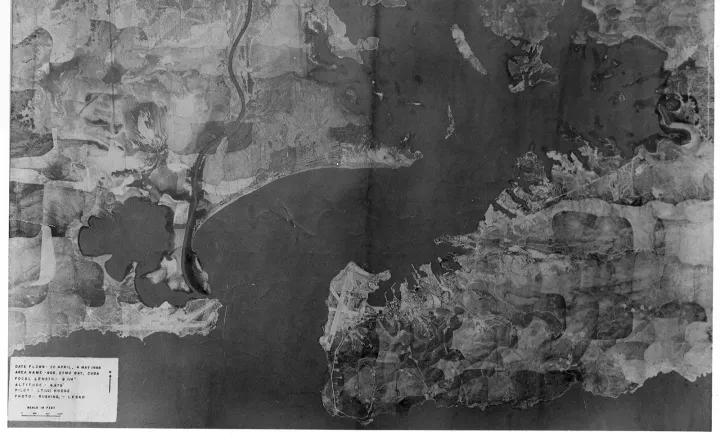
The document proposed blowing up a U.S. ship in Guantanamo Bay and blaming Cuba — explicitly invoking the 1898 Maine incident. "Casualty lists in US newspapers would cause a helpful wave of national indignation," the Joint Chiefs wrote. The word "helpful" said everything.
The Drone Aircraft Scheme
The most elaborate proposal: paint a duplicate of a CIA-owned civil aircraft, load selected passengers onto that duplicate under aliases, convert the registered aircraft into a drone, swap the planes mid-flight, secretly evacuate the passengers at Eglin AFB, then blow up the drone over Cuba while it broadcasts a fake MAY DAY call.
Terror in American Cities
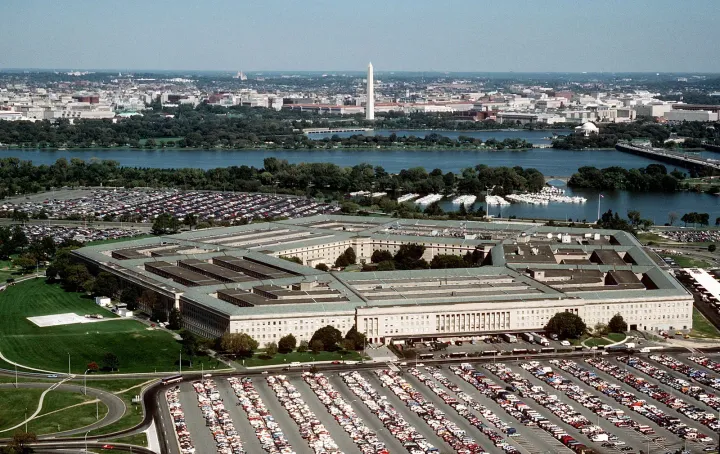
"We could develop a Communist Cuban terror campaign in the Miami area, in other Florida cities and even in Washington." Plastic bombs in carefully chosen spots. Attacks on Cuban refugees "even to the extent of wounding." Sink a boatload of refugees — "real or simulated."
From Bay of Pigs to Declassification
Bay of Pigs Disaster
CIA-trained Cuban exiles land at the Bay of Pigs and are defeated; most survivors are captured. Kennedy takes public responsibility and reviews the planning. The military begins looking for another way to invade Cuba.
Northwoods Presented
Lemnitzer submits Northwoods to McNamara on March 13. March 16 Mongoose policy records show no approval of overt military intervention, while contingency planning continues. The Northwoods projects are not implemented.
Cuban Missile Crisis
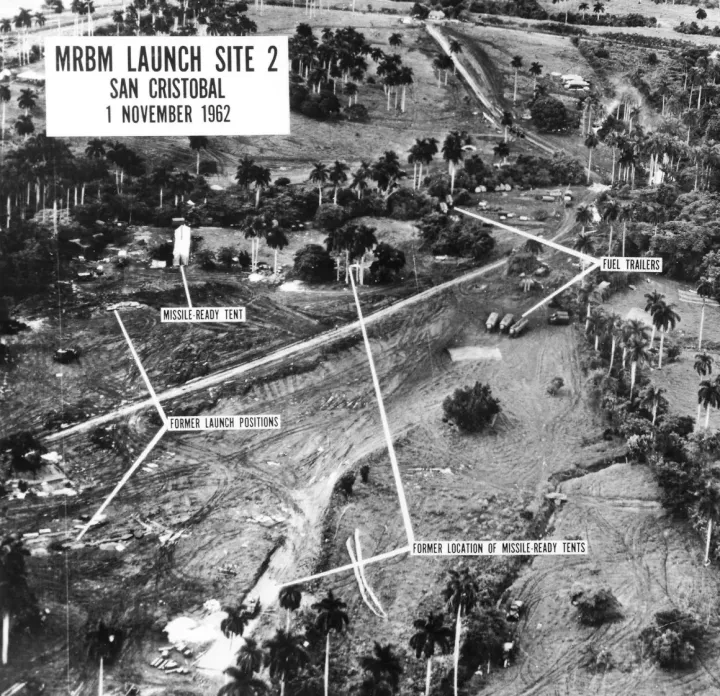
Soviet nuclear missiles discovered in Cuba. The Joint Chiefs unanimously recommend invasion. Kennedy chooses a naval blockade. Unknown to U.S. planners, Soviet forces on the island possess tactical nuclear weapons — an invasion could have triggered nuclear war.
Declassification
The JFK Assassination Records Review Board declassifies 1,521 pages of military records including Operation Northwoods. The Washington Post runs a story. Initial reporting emphasizes related proposals involving John Glenn.
Bamford Publishes
Journalist James Bamford brings Northwoods to mass attention in Body of Secrets, calling it "the most corrupt plan ever created by the U.S. government." Five months later, 9/11 occurs — and the document becomes a cornerstone of conspiracy theory.
Key Figures
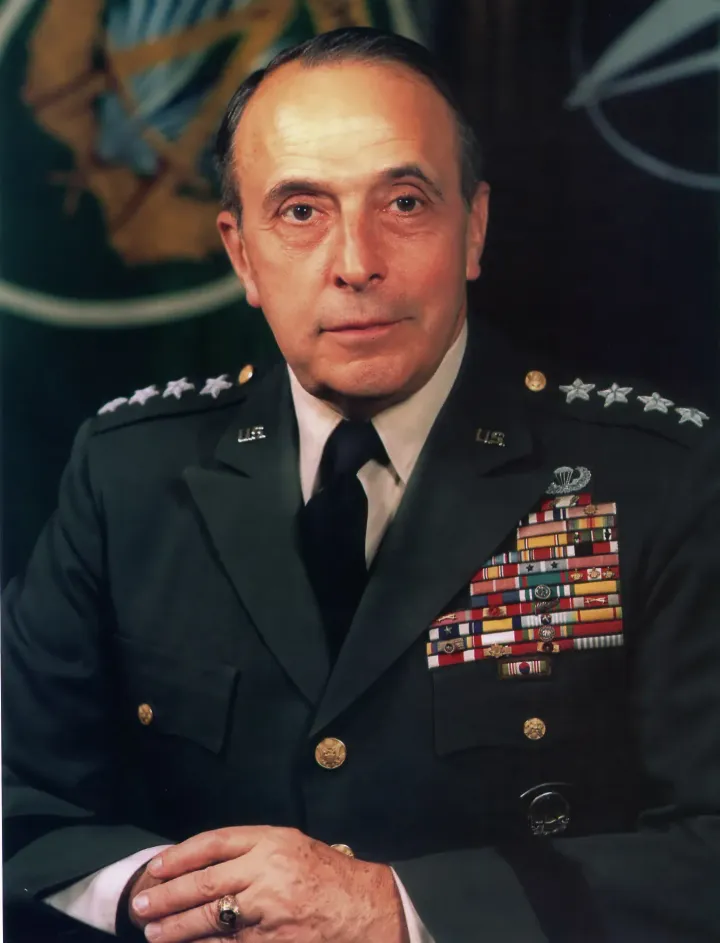
Gen. Lyman Lemnitzer
Chairman of the Joint Chiefs who signed and presented the Northwoods memorandum. A WWII veteran who had once infiltrated Switzerland under a false name to negotiate the surrender of Nazi forces. Kennedy called him "a dope." His chairmanship ended in September 1962; he became Supreme Allied Commander Europe in January 1963. Died in 1988, nine years before the document was declassified.
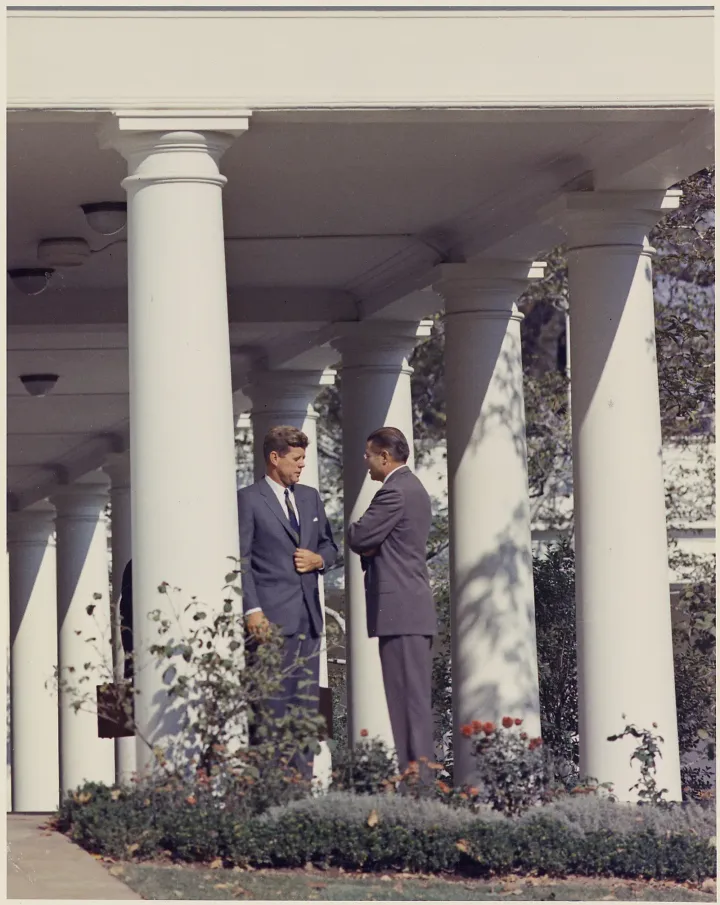
Kennedy & McNamara
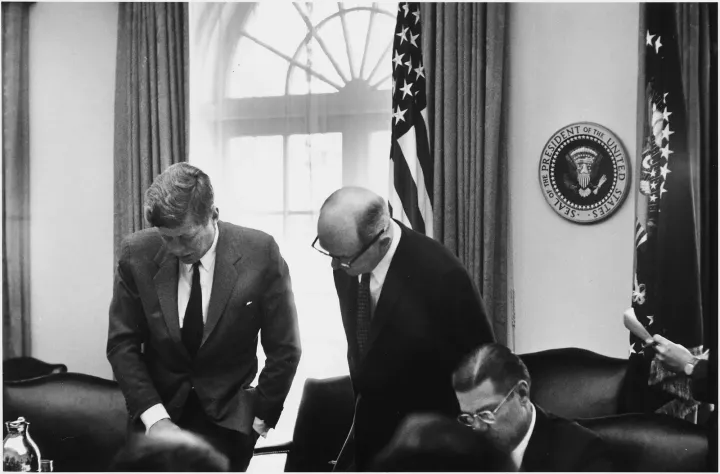
McNamara received the document and later said: "I have absolutely zero recollection of it. But I sure as hell would have rejected it. How stupid!" The March 16 Mongoose policy record expressly withheld approval of overt military action while allowing contingency planning. Twenty months later, Kennedy was assassinated in Dallas.
What If Kennedy Had Said Yes?
The proposals required civilian approval and received none. Mongoose had an internal policy and approval structure, but classification kept Northwoods out of contemporary public and congressional scrutiny.
Seven months later, the Cuban Missile Crisis revealed that Soviet forces in Cuba already had tactical nuclear weapons. An invasion triggered by Northwoods-style pretexts could have started nuclear war.
Get the Full Book
Explore the pretext proposals, their official endorsement, the limits on intervention, and the document’s later release.