Operation CHAOS
The CIA's Secret War on American Dissent
For seven years, the CIA ran a massive illegal surveillance program targeting the very citizens it was supposed to protect. It infiltrated anti-war groups, opened private mail, compiled secret dossiers on thousands of Americans, and indexed 300,000 names in a hidden database — all because two presidents refused to believe that Americans could oppose their own government without foreign direction.
The program was called Operation CHAOS. It was authorized at the highest levels of the CIA. And it found exactly what the evidence always said it would find: nothing.
7 yrs
From 1967 to 1974, the CIA ran Operation MHCHAOS as a covert domestic surveillance program — in direct violation of its own founding charter, which prohibited domestic operations.
300K
Names indexed in the CIA's secret HYDRA computer system — students, professors, clergy, journalists, politicians, and ordinary citizens.
7,200
Detailed "201 files" compiled on individual Americans — place of birth, family, organizations, travel, associates.
None
Every single report concluded there was "no evidence of communist direction and control" of the protest movements. The operation continued anyway.
The Evidence
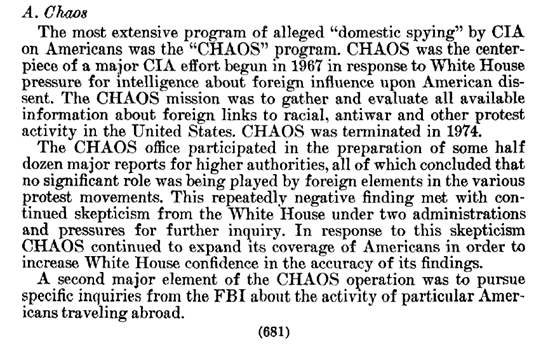
The CHAOS Files
Declassified documents reveal the scope of Operation CHAOS — a program that compiled files on 7,200 American citizens and indexed 300,000 names in its HYDRA database. The CIA's own founding charter explicitly prohibited domestic intelligence operations.
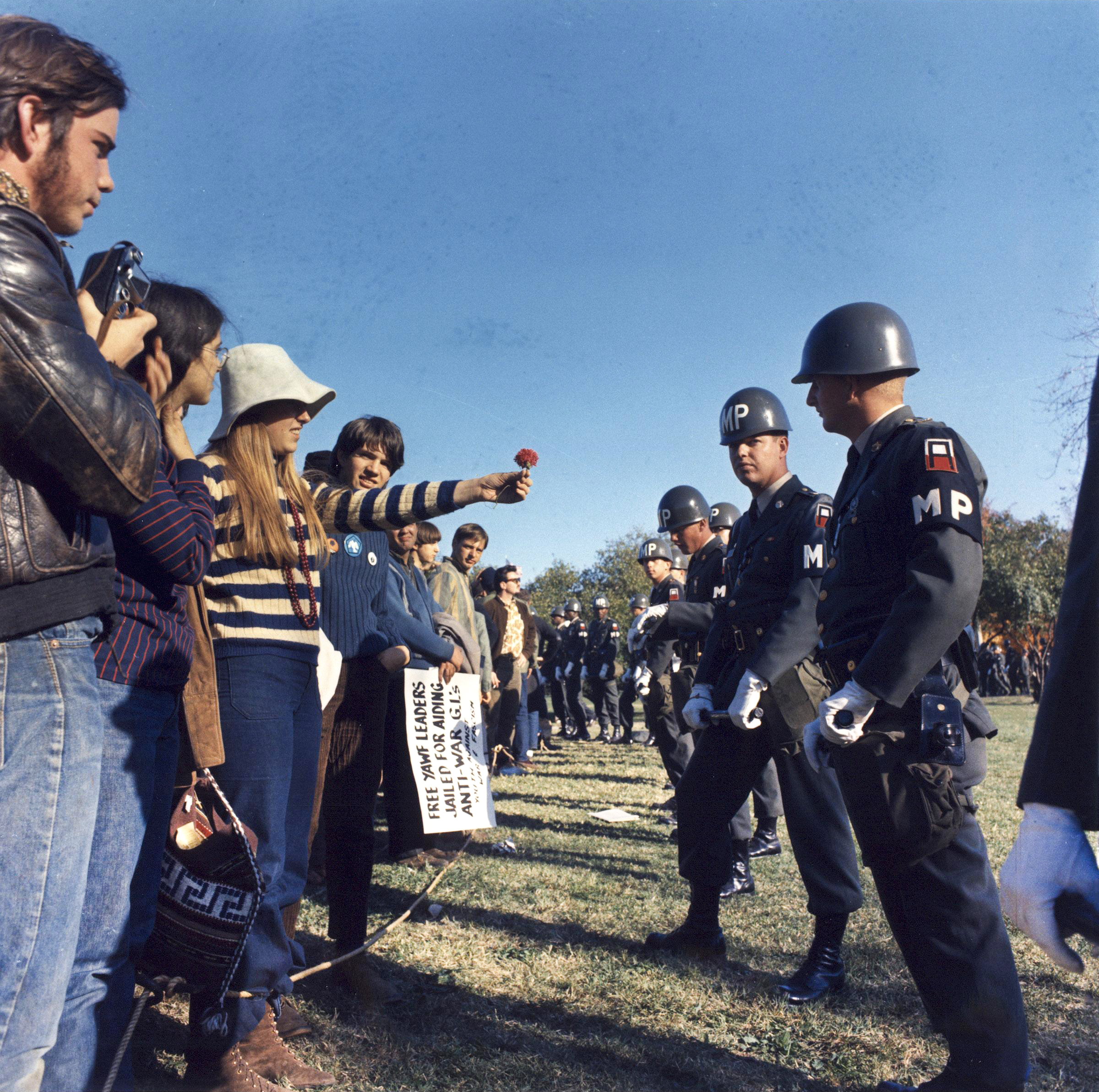
The Targets
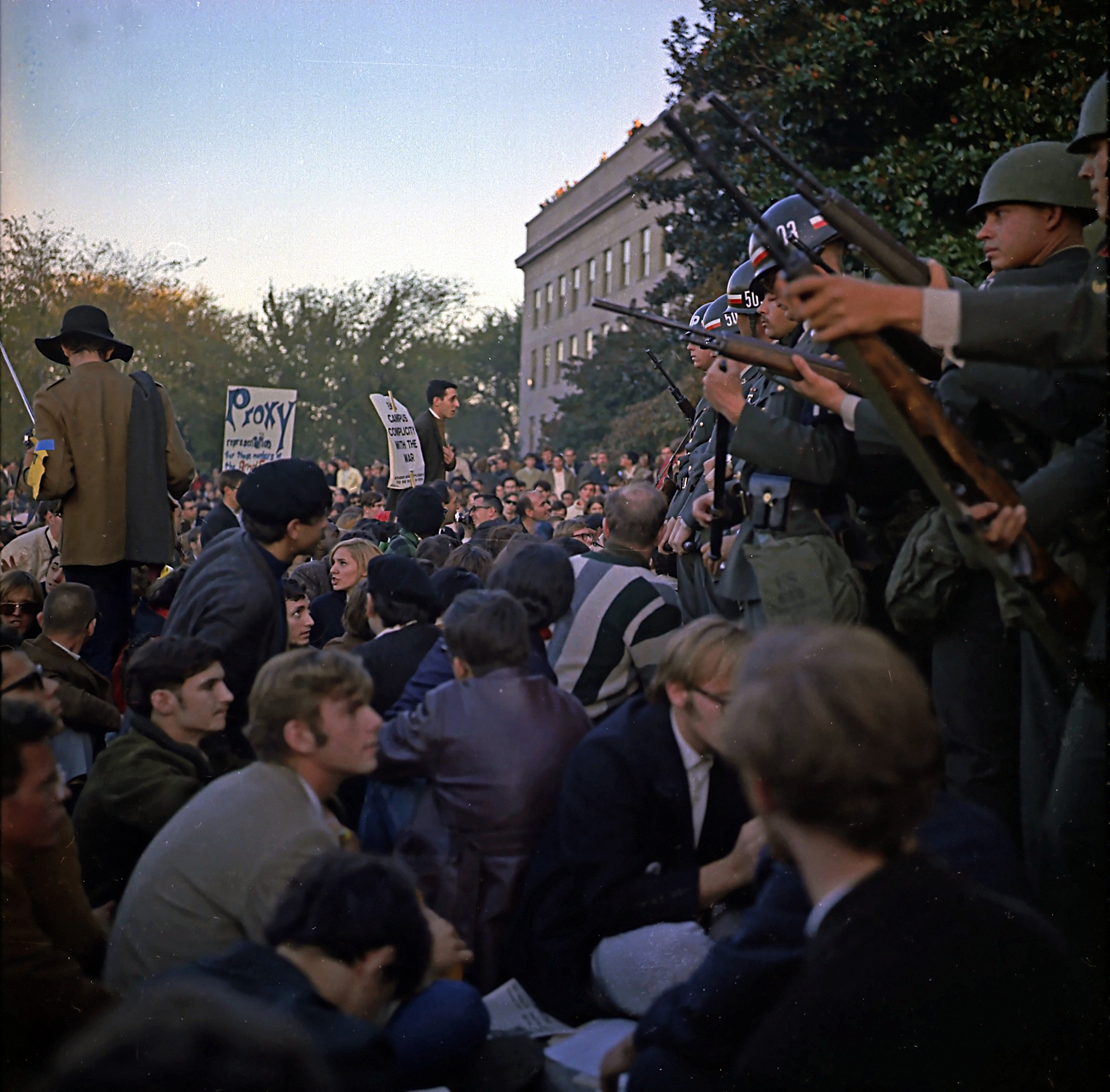
Operation CHAOS surveilled anti-war protesters, civil rights organizations, women's liberation groups, the Black Panther Party, Students for a Democratic Society, and even the Israeli Embassy. CIA agents infiltrated campuses across the country, posing as students to build "dissident credentials."
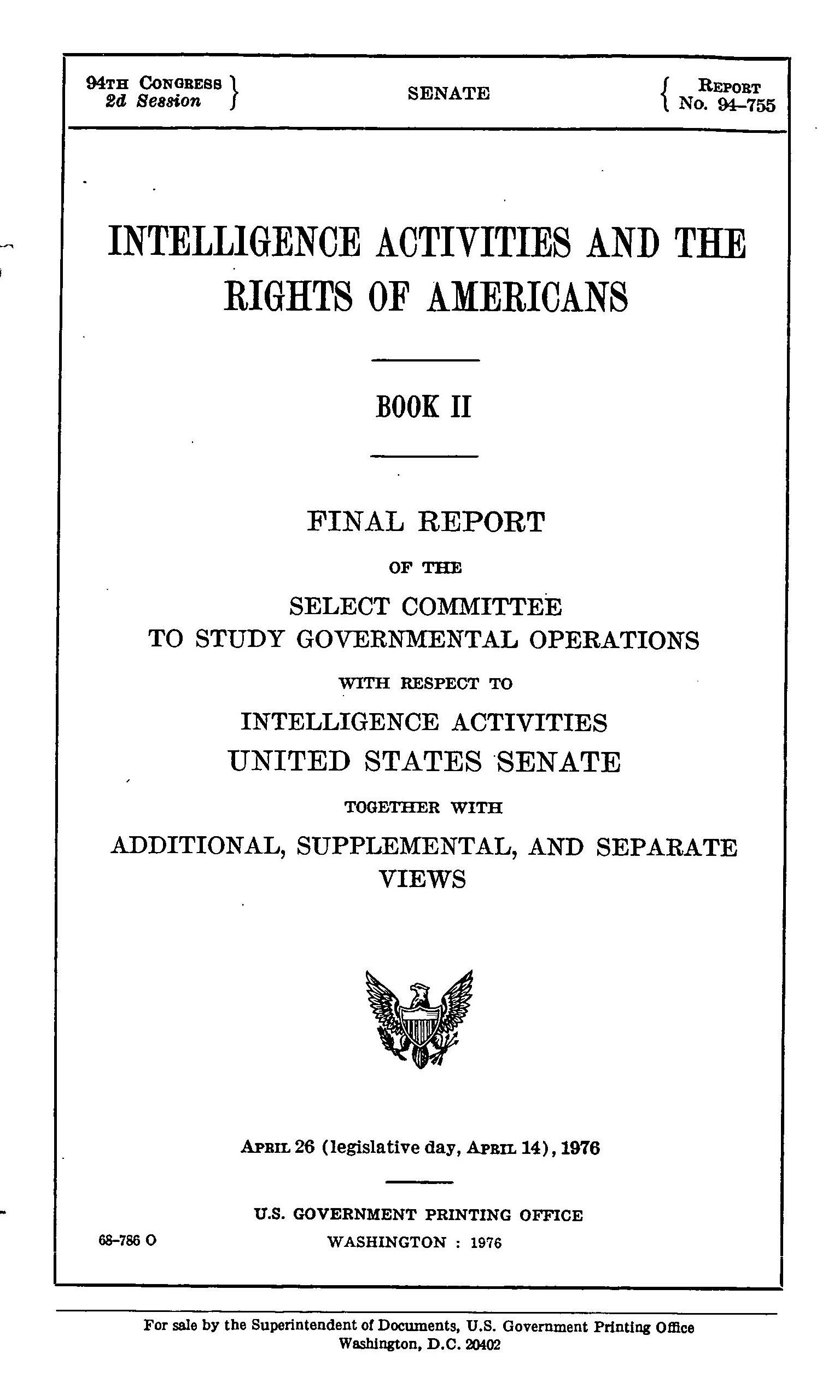
The Church Committee Report
The Senate Select Committee's six-volume report confirmed that Operation CHAOS "unlawfully exceeded the CIA's statutory authority." The committee concluded that U.S. intelligence agencies had "undermined the constitutional rights of citizens" and that the system of checks and balances had failed.
Seven Years of Secret Surveillance
CHAOS Begins
CIA Director Richard Helms establishes the Special Operations Group under counterintelligence chief James Angleton, directed by Richard Ober. The mission: find foreign influence behind the anti-war movement. The premise: a president's paranoia.
"No Evidence"
Just three months in, Helms reports to President Johnson: the CIA has found "no evidence of any contact between the most prominent peace movement leaders and foreign embassies." Johnson refuses to accept the finding and demands the investigation continue.
HYDRA Goes Live
The CIA launches the HYDRA computerized database, indexing 300,000 American citizens. Nixon approves the Huston Plan for expanded domestic surveillance — then rescinds it five days later when Hoover objects. The surveillance continues anyway.
The Family Jewels
New CIA Director James Schlesinger orders all officers to report illegal activities. The resulting 693-page "Family Jewels" document catalogues decades of CIA abuses — including Operation CHAOS. The bomb begins ticking.
Hersh Breaks the Story
Seymour Hersh publishes "Huge C.I.A. Operation" on the front page of the New York Times. Two days later, counterintelligence chief James Angleton is forced to resign on Christmas Eve. He tells reporters the CIA is involved in "police state activities."
The Reckoning
The Rockefeller Commission and Church Committee investigate. Senator Frank Church warns: "I know the capacity that is there to make tyranny total in America." Congress passes FISA in 1978, requiring judicial warrants for domestic surveillance.
Key Figures
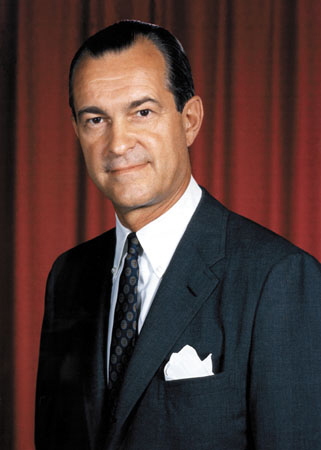
Richard Helms
CIA Director who authorized Operation CHAOS despite knowing it violated the Agency's charter. Later convicted of misleading Congress. The judge told him: "You stand before this court in disgrace and shame." His CIA colleagues gave him a standing ovation.
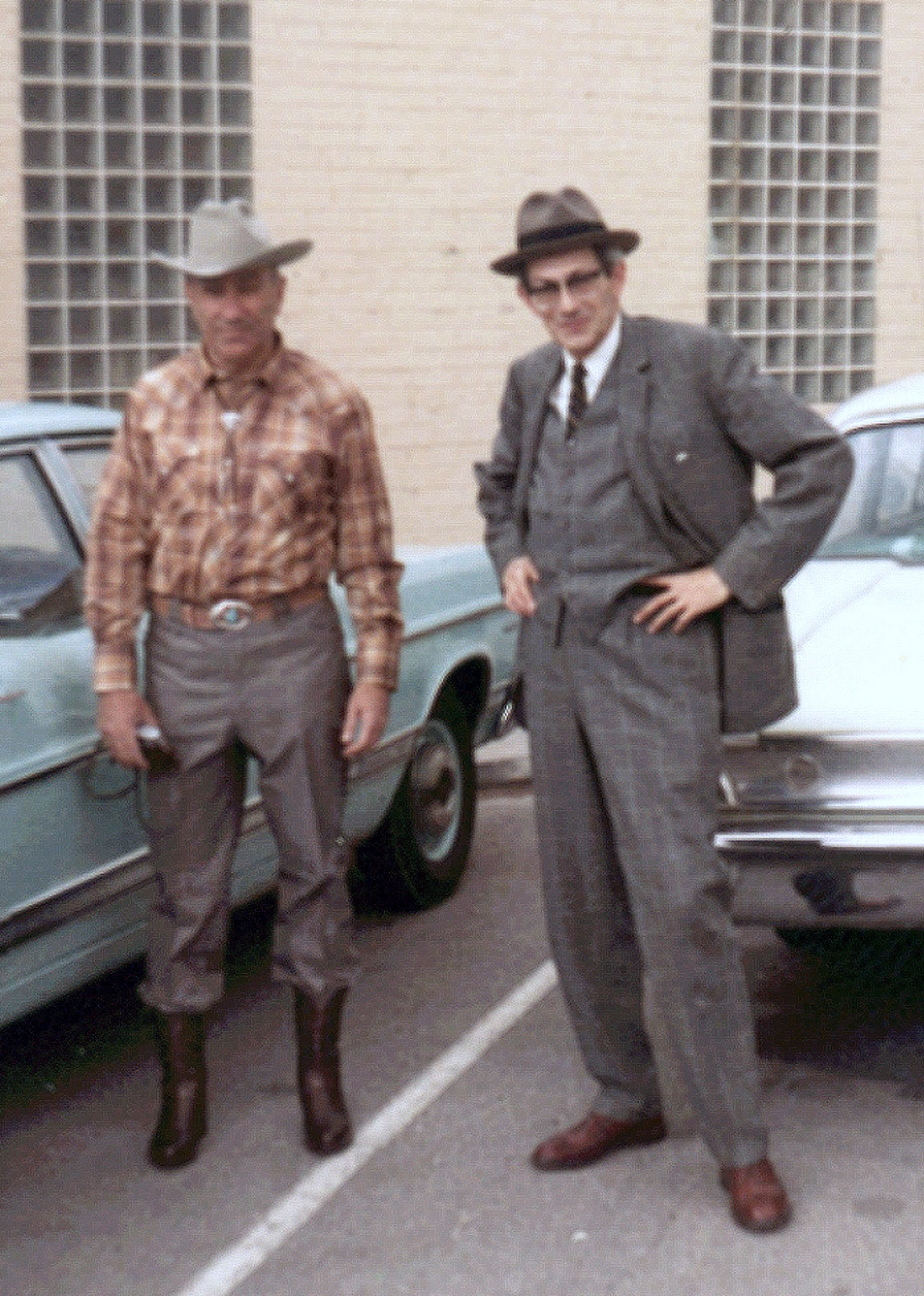
James Angleton
CIA counterintelligence chief for 21 years. A Yale-trained literary critic who quoted T.S. Eliot and grew orchids. His paranoid conviction that hidden conspiracies lurked everywhere drove the expansion of CHAOS. Forced to resign Christmas Eve 1974.
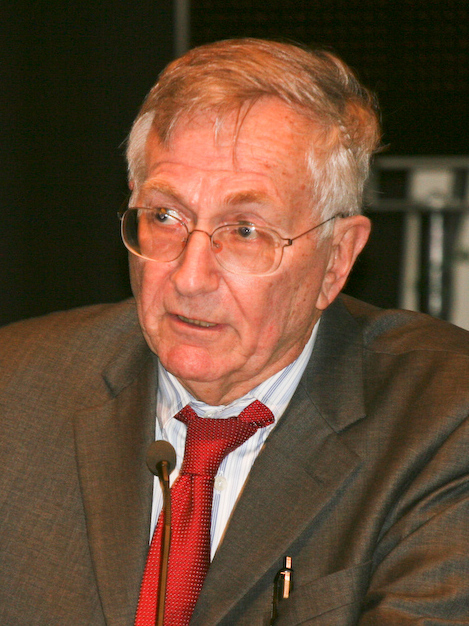
Seymour Hersh
The investigative journalist who exposed Operation CHAOS in his December 22, 1974 New York Times article. He had already won the Pulitzer Prize for exposing the My Lai massacre. He published 34 follow-up articles, detonating a political earthquake.
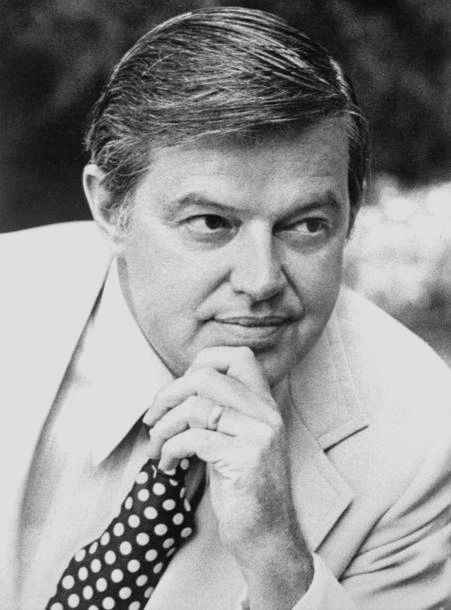
Frank Church
Idaho Senator who chaired the committee that exposed the full scope of CHAOS. His warning — "That is the abyss from which there is no return" — about government surveillance has proved prophetic in the age of digital mass surveillance.
The Price of Paranoia
Operation CHAOS spent seven years searching for evidence that foreign powers were directing American dissent. It compiled files on 7,200 citizens. It indexed 300,000 names. It infiltrated campuses, opened mail, and coordinated with the FBI. And every single report it produced reached the same conclusion: there was nothing to find.
The protesters were Americans exercising their constitutional rights. The CIA surveilled them anyway — because a president demanded it and an institution complied.
Get the Full Book
The complete story — from Johnson's paranoia to the HYDRA database, from the Family Jewels to Frank Church's warning about the abyss.