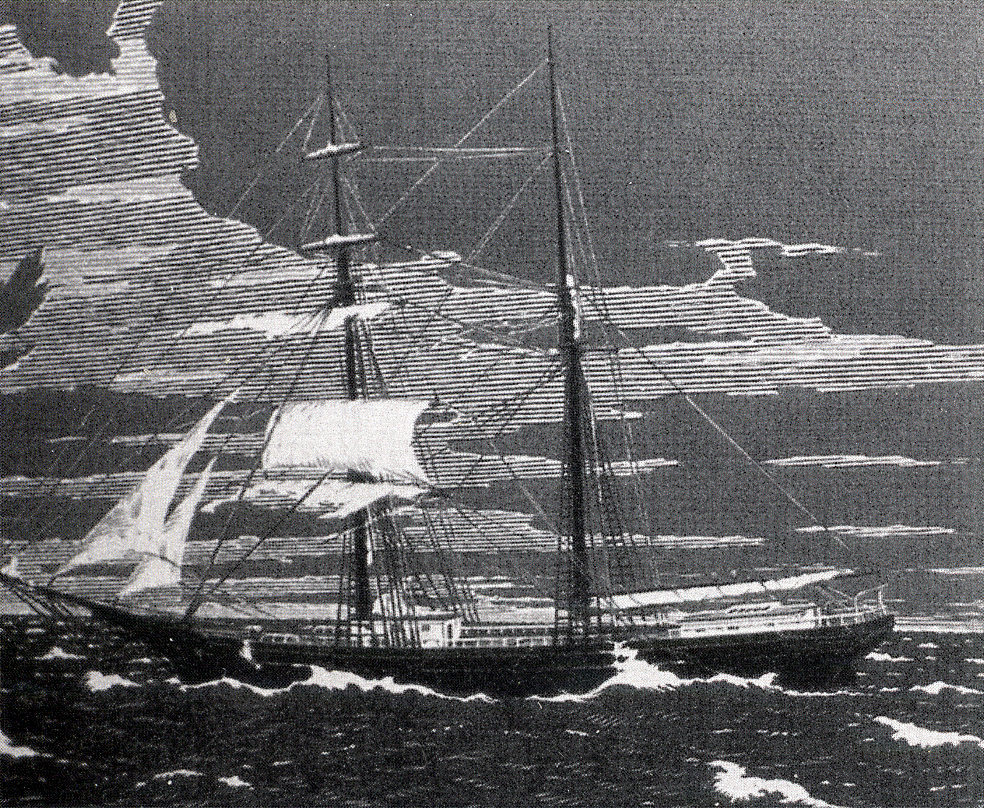
The Mary Celeste
The Ghost Ship That Haunted the Atlantic
On a grey December afternoon in 1872, a Canadian brigantine spotted a ship drifting in the mid-Atlantic. Her sails were torn. Her helm was unmanned. When sailors climbed aboard, they found food in the pantry, cargo in the hold, and personal belongings in every cabin. But every soul aboard had vanished.
No bodies. No struggle. No explanation. Just silence.
Nov 7
Captain Benjamin Briggs sails from New York with his wife Sarah, two-year-old daughter Sophia, and seven crew. Destination: Genoa. Cargo: 1,701 barrels of industrial alcohol.
Nov 25
Position: 6 miles NE of Santa Maria, Azores. After this — silence.
10
Between the last log entry and discovery by the Dei Gratia.
9
All made of porous red oak. The alcohol seeped out and filled the hold with invisible, explosive vapour.
The Evidence
The Cursed Ship
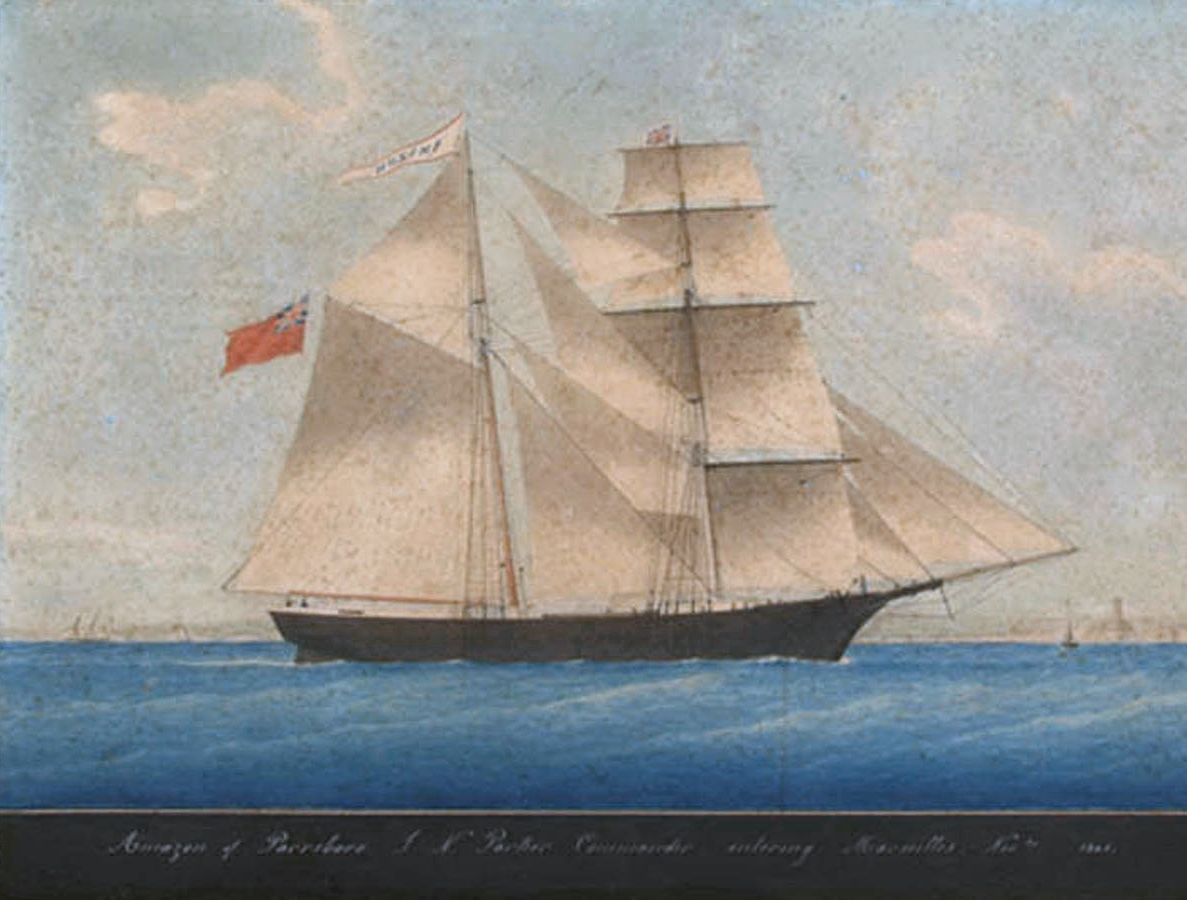
Originally named the Amazon, the ship's first captain died on her maiden voyage. She suffered multiple collisions, a fire, and a grounding before being abandoned as a wreck. Rebuilt and renamed Mary Celeste in 1868, she seemed reborn — until November 1872.
Piracy Suspected
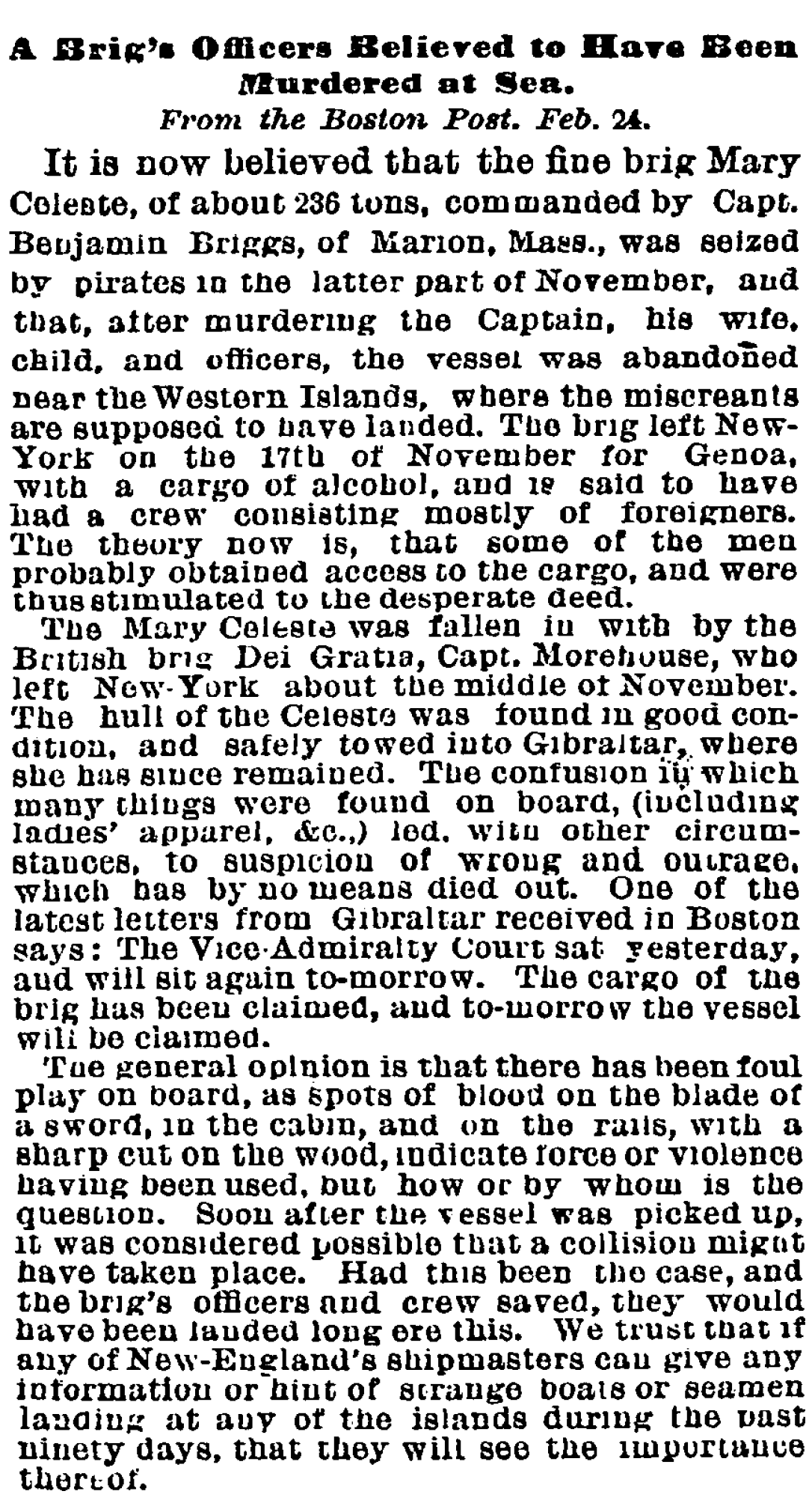
Contemporary newspaper coverage from the New York Times reported suspicions of foul play: "spots of blood on the blade of a sword, in the cabin, and on the rails." Scientific analysis would later prove the stains were rust — not blood. But the damage to the story was done.
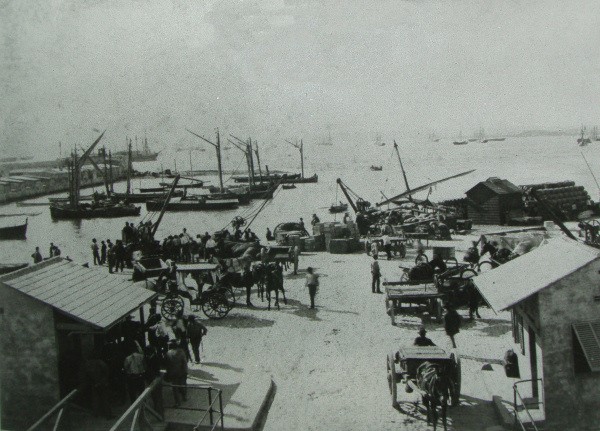
The Inquisition
Attorney General Solly-Flood conducted a three-month investigation at the Vice Admiralty Court, alleging murder and conspiracy. He found no evidence. The salvage crew received a fraction of the normal award — punished for a crime that never happened.
A Ghost Ship Is Born
The Departure
The Mary Celeste sails from Pier 50, New York, with Captain Briggs, his wife Sarah, two-year-old Sophia, and seven crew. Cargo: 1,701 barrels of denatured alcohol bound for Genoa.
The Last Entry
Final log entry at 8 AM: position six miles northeast of Santa Maria Island, Azores. The ship has been at sea for 18 days. After this — nothing.
The Discovery
The Dei Gratia spots the Mary Celeste drifting 600 miles from Portugal. First Mate Deveau boards and finds her deserted. Lifeboat gone. Navigation instruments gone. Everything else untouched.
The Fiction
Arthur Conan Doyle publishes a fictional account, misspelling the name as "Marie Celeste" and inventing details — warm meals, burning cigars — that replace the real facts forever.
The Experiment
UCL chemist Dr. Andrea Sella demonstrates that alcohol vapour produces a flash explosion — terrifying but leaving no fire damage. The most likely cause of the crew's decision to abandon ship.
Key Figures
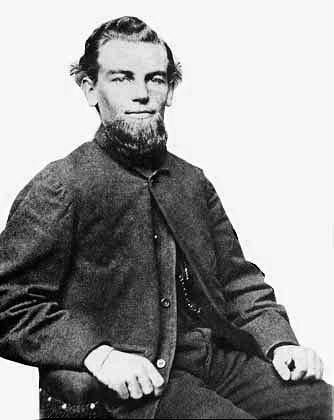
Benjamin Briggs
A devout, teetotalling Massachusetts captain from a prominent seafaring family. He invested his savings in the Mary Celeste and brought his wife and infant daughter aboard. He was 37 years old and had never lost a ship.
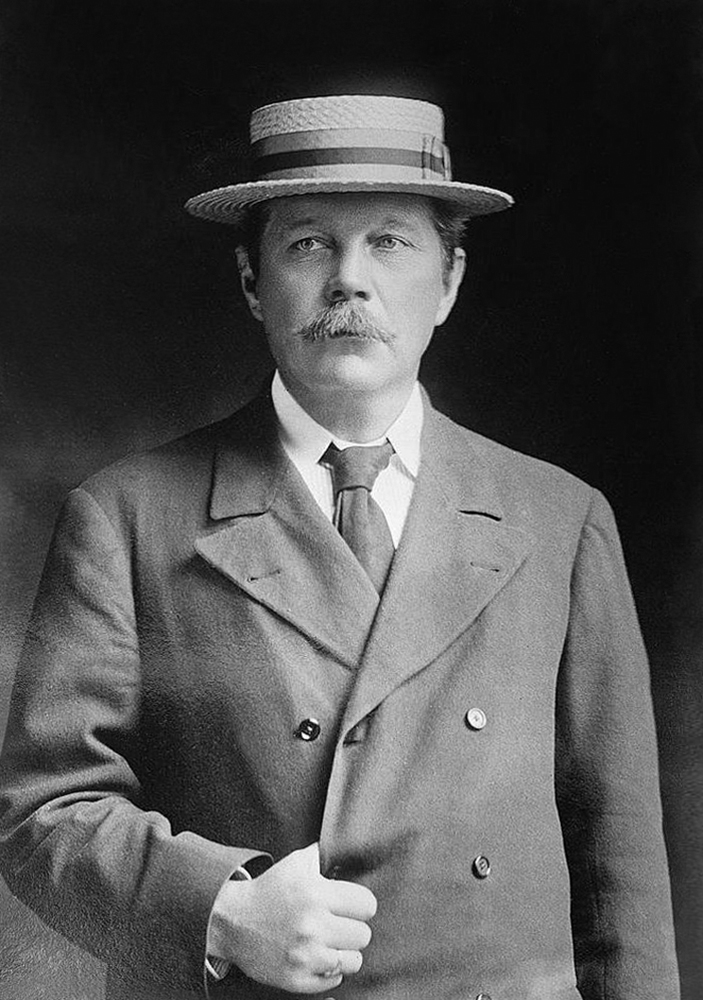
Arthur Conan Doyle
Three years before creating Sherlock Holmes, Doyle published a fictional account of the Mary Celeste so convincing that readers mistook it for fact. His invented details replaced reality in the public imagination.
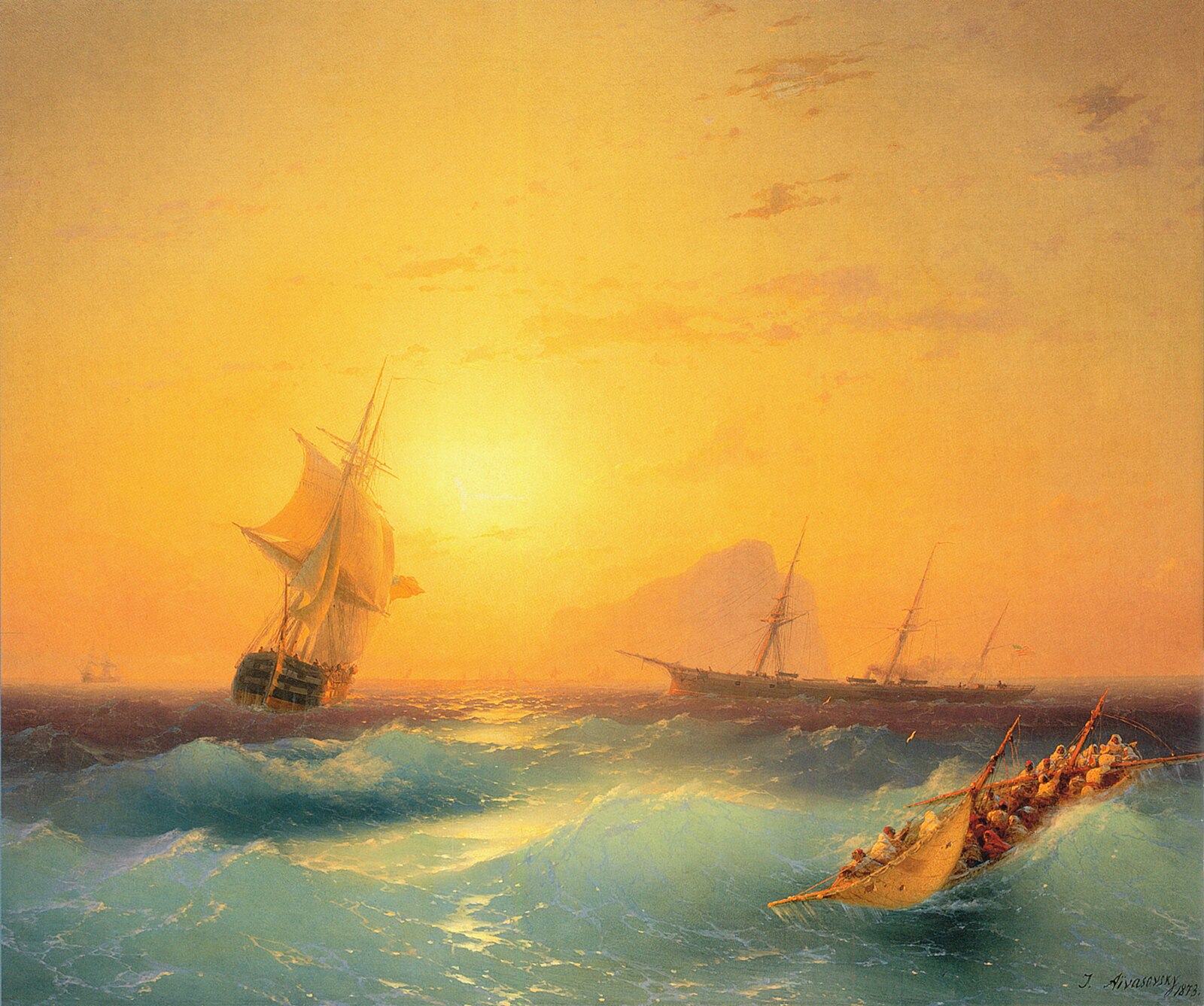
Where Did They Go?
The most likely answer is the simplest. Leaking alcohol filled the hold with invisible vapour. A flash explosion blew open the hatches. Captain Briggs, believing his ship was about to burn, launched the lifeboat with his family and crew.
The explosion left no fire. The ship sailed on without them. They could not catch her.
Get the Full Book
The complete story of the captain, the ghost ship, the mythmaker, and the truth that took 134 years to find.