The Loch Ness Monster
The Hunt for Scotland's Impossible Creature
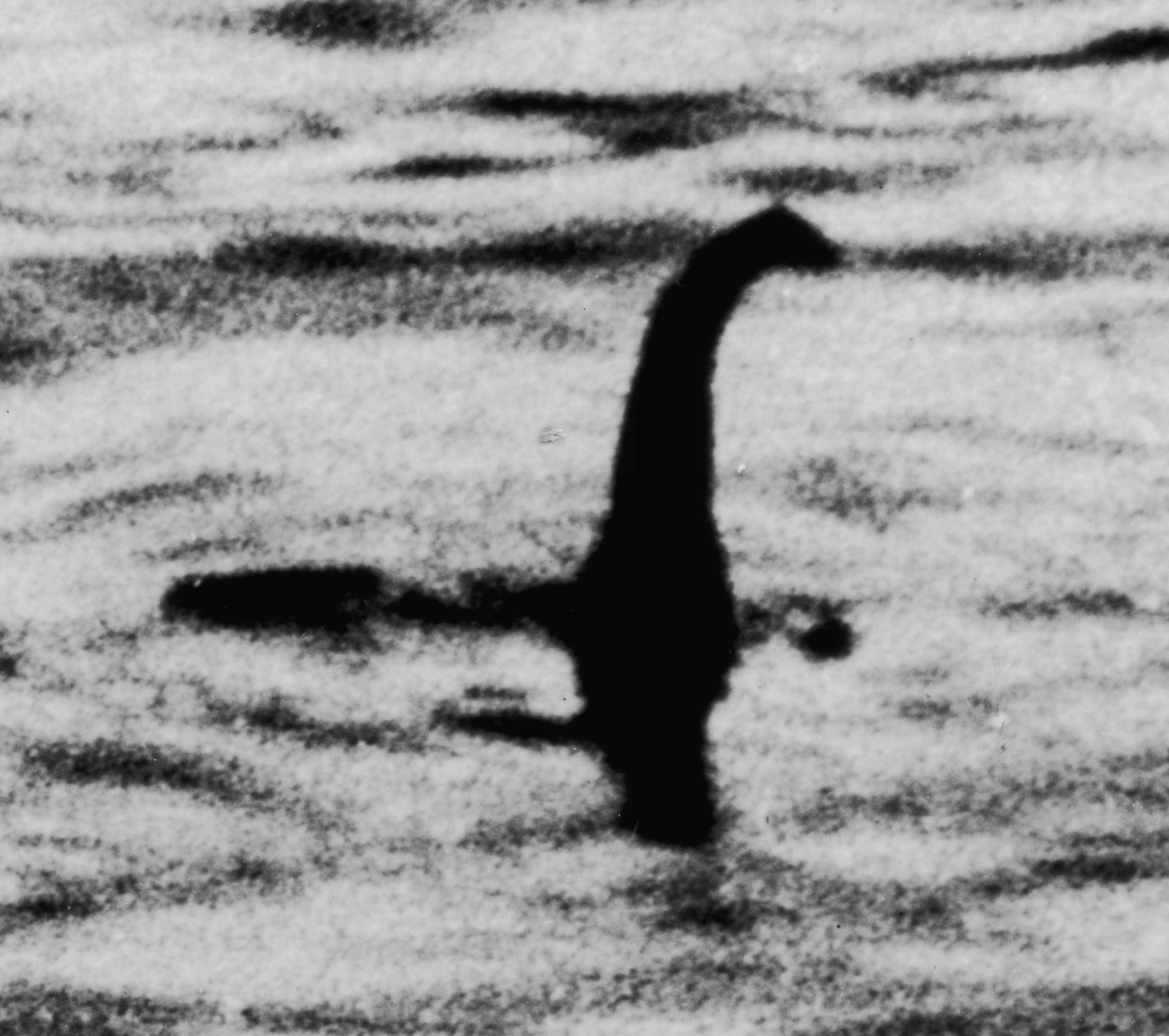
In April 1934, a London surgeon photographed a long-necked creature rising from the dark waters of a Scottish loch. The image became the most famous photograph in the history of cryptozoology. It took sixty years to discover it was a toy submarine with some putty on top.
A hoaxer's revenge. A nation's obsession. And a mystery that refuses to die.
755 ft
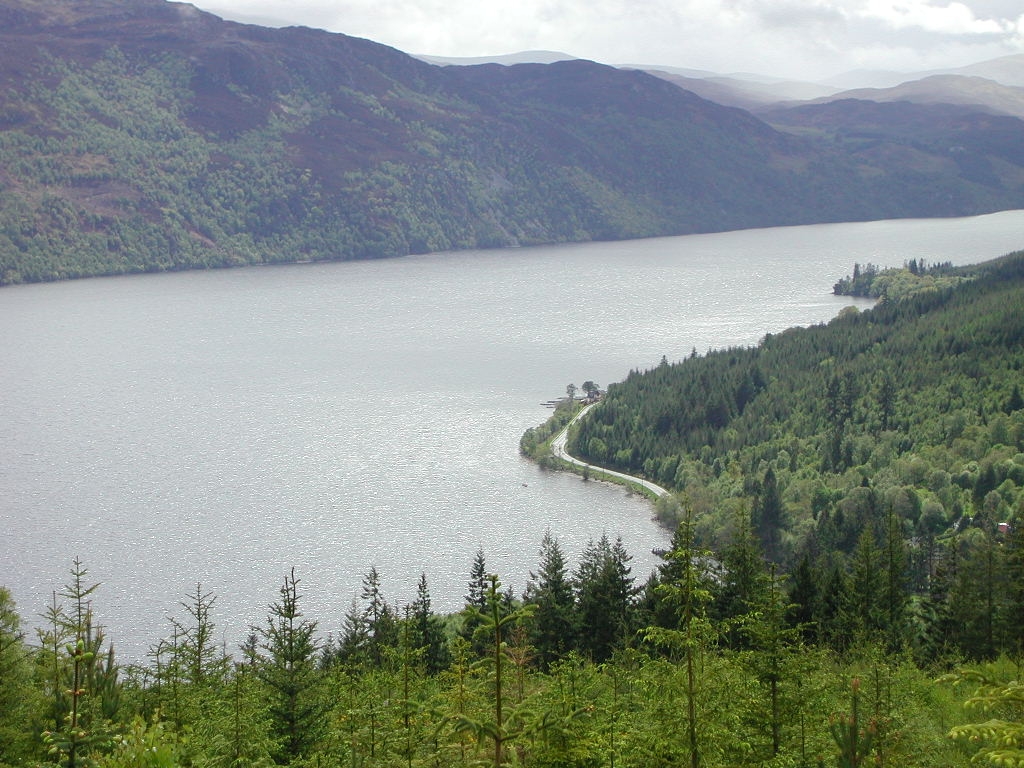
Maximum depth of Loch Ness — the second-deepest loch in Scotland. Its 7.5 cubic kilometres of peat-dark water hold more fresh water than all the lakes in England and Wales combined.
1,160+
Logged in the Official Sightings Register since 1996.
12"
Total height of the "monster" in the Surgeon's Photograph. A toy submarine from Woolworth's.
£41M
Annual contribution to the Scottish economy. Half a million visitors per year.
The Evidence
The Hoax
The most famous image of the Loch Ness Monster was orchestrated by Marmaduke Wetherell as revenge against the Daily Mail. His stepson-in-law Christian Spurling built a model from a toy submarine and plastic wood. Dr. Robert Kenneth Wilson was recruited as a respectable front man. The hoax was not exposed until Spurling's deathbed confession in 1993.
Ruled Out
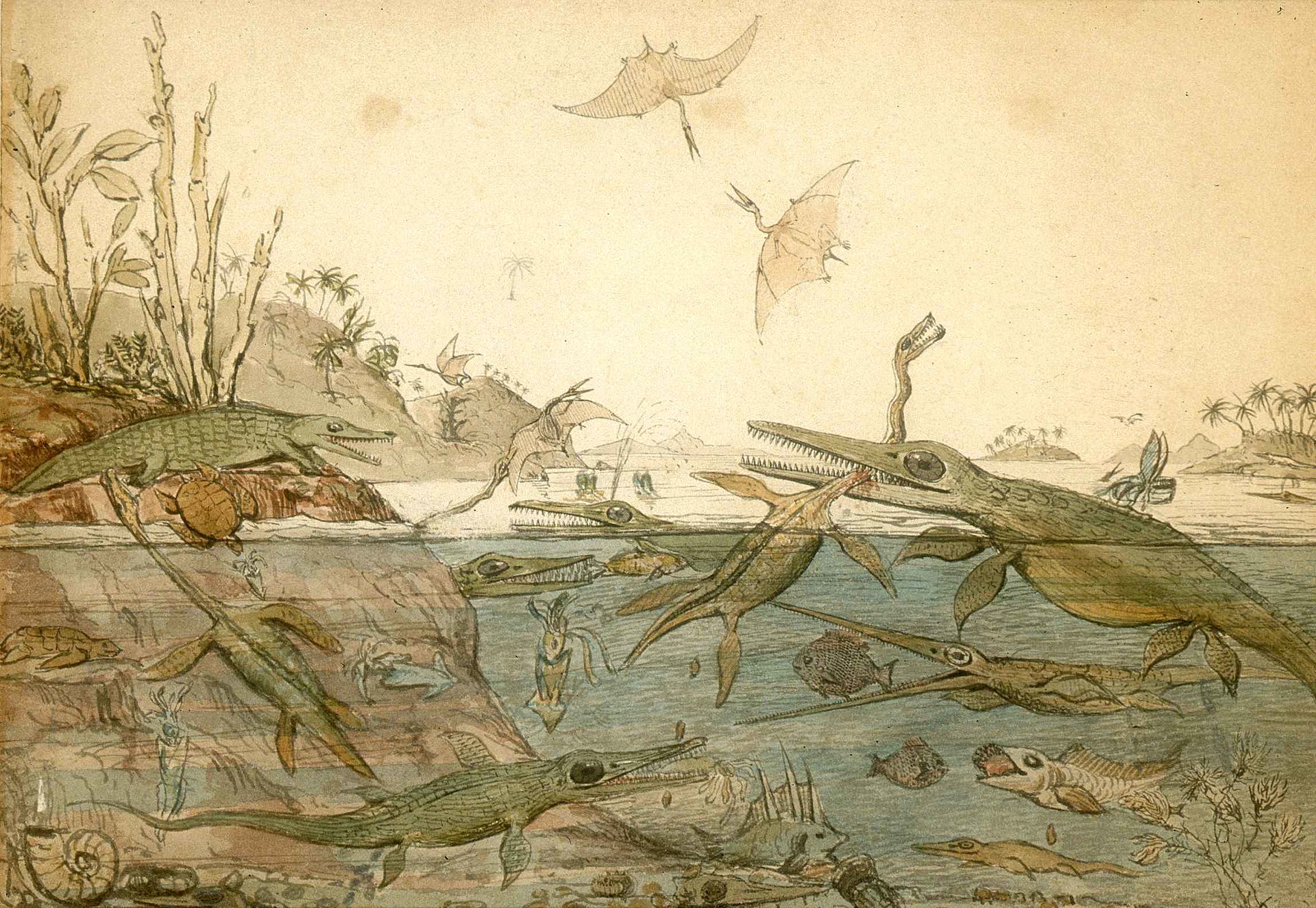
The romantic idea that a population of plesiosaurs survived in Loch Ness was definitively eliminated by the 2019 eDNA study. No reptilian DNA of any kind was found. The loch is also only 10,000 years old — plesiosaurs went extinct 66 million years ago. A breeding population of air-breathing reptiles in cold, shallow water would be impossible to miss.
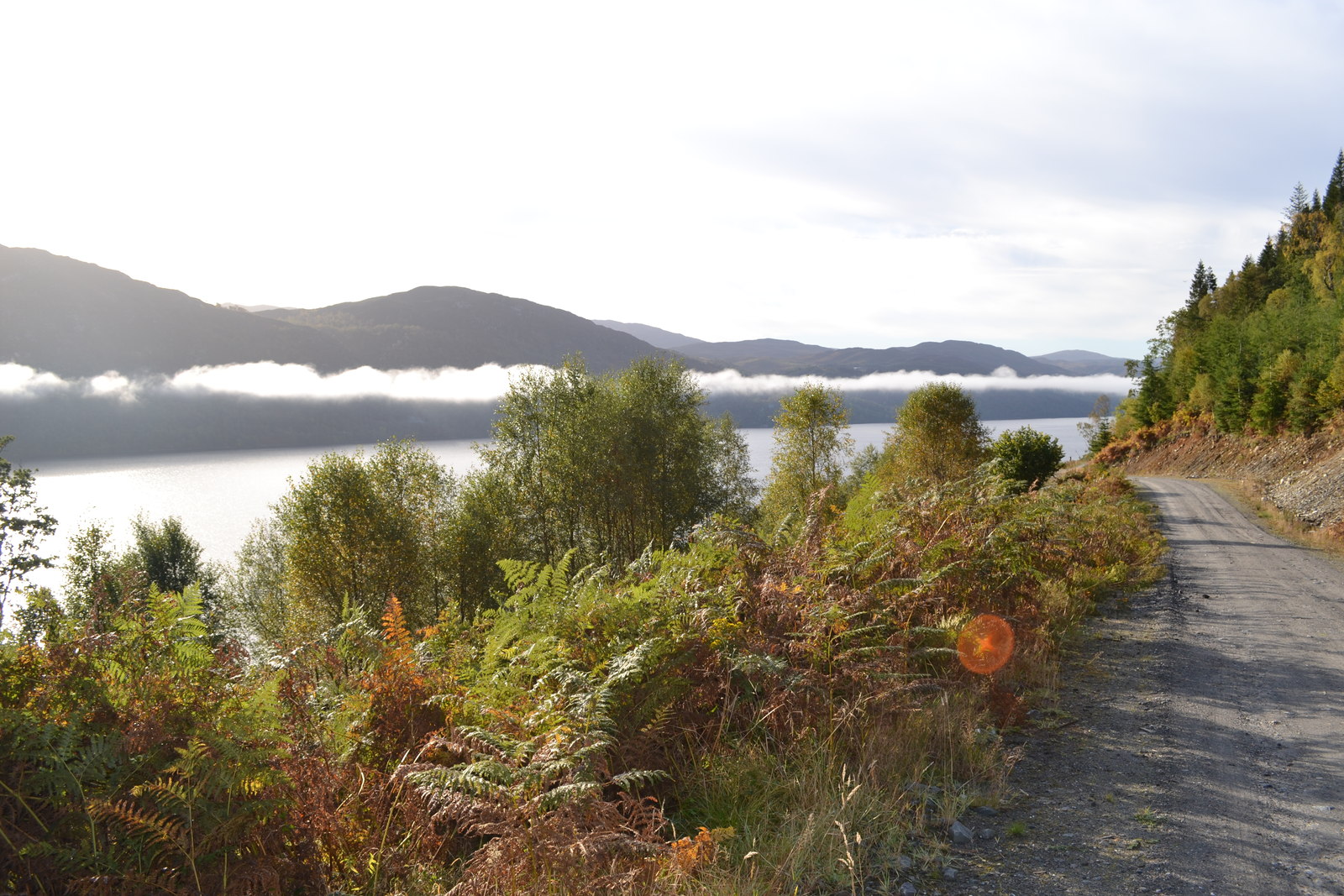
Giant Eels?
Professor Neil Gemmell's team collected 250 water samples and found no DNA from plesiosaurs, sharks, catfish, or sturgeon. But they found European eel DNA at every sampling location in remarkable abundance. "We can't discount the possibility that there may be giant eels in Loch Ness," Gemmell concluded — the most scientifically plausible explanation for sightings.
The Hunt
The Road Opens
The A82 road along the northern shore is completed, giving motorists the first clear views of Loch Ness. Within months, sightings explode. The Inverness Courier uses the word "monster" for the first time.
The Surgeon's Photo
The Daily Mail publishes the most famous image of the monster — a long-necked silhouette in calm water. Attributed to Dr. Robert Kenneth Wilson, it defines "Nessie" for sixty years.
Dinsdale's Film
Aeronautical engineer Tim Dinsdale films a moving object on the loch. RAF analysts at JARIC judge it "probably animate." He devotes his remaining life to the search.
Operation Deepscan
24 boats sweep the entire loch with sonar. Three anomalous contacts are detected but remain unexplained. No conclusive evidence of a large creature is found.
The Confession
Christian Spurling's deathbed confession reveals the Surgeon's Photograph was a hoax — a toy submarine with a sculpted head, orchestrated by Marmaduke Wetherell as revenge against the Daily Mail.
Key Figures
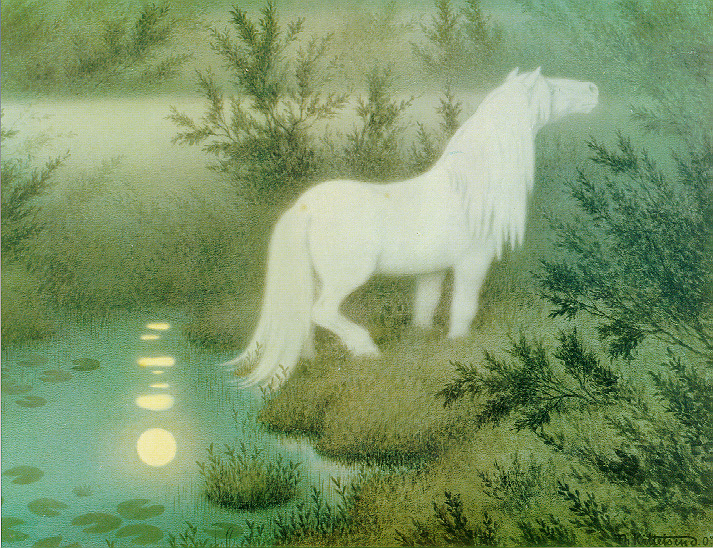
Marmaduke Wetherell
Big-game hunter hired by the Daily Mail in 1933. After his hippopotamus-foot tracks were exposed, he orchestrated the Surgeon's Photograph as revenge — recruiting his son, stepson-in-law, and a London surgeon to create the most enduring hoax in cryptozoological history.
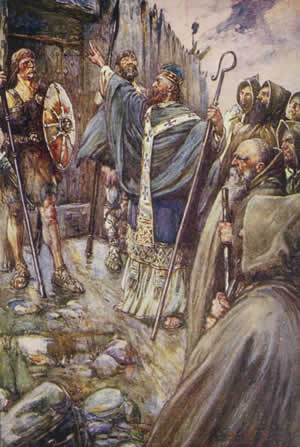
Saint Columba
Irish abbot whose encounter with a "water beast" in the River Ness circa 565 AD is the earliest written account of a creature in these waters. The story, recorded by his biographer Adomnan, was a miracle narrative — proof of the saint's holy power, not a naturalist's observation.
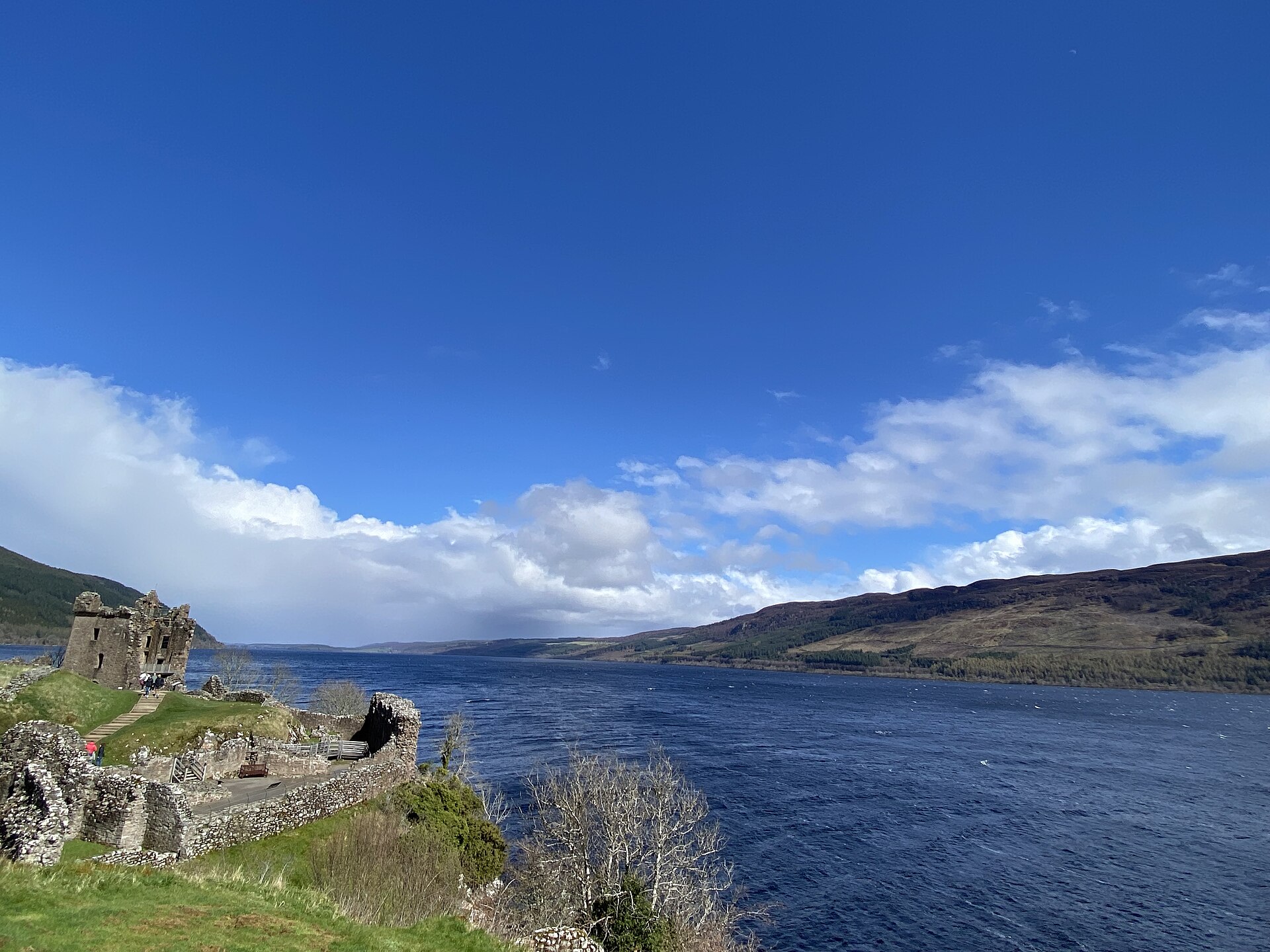
The Monster That Won't Die
The photograph was a toy submarine. The flipper was painted. The gargoyle head was a tree stump. The DNA says eels.
And still, every year, half a million people come to Loch Ness and look out across the water. The monster is not in the loch. It's in the looking.
Get the Full Book
The complete story of the hoaxers, the believers, the scientists, and the myth that refuses to die.