The Library of Alexandria
What Was Really Lost?
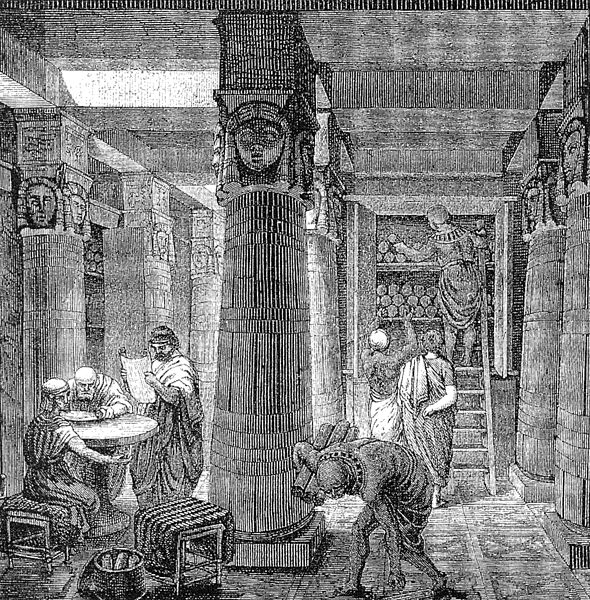
Around 295 BCE, a Macedonian king ordered his advisor to build the greatest library the world had ever seen. The result was an institution that held up to half a million scrolls, employed the finest minds of the ancient world, and attempted something unprecedented: to gather all human knowledge under a single roof. Then, over five centuries, it vanished.
The popular myth says it burned in a single catastrophic fire. The truth is far more complicated — and far more tragic.
490,000 Scrolls
The largest estimate for the main library's holdings. Ships entering the harbour were required to surrender any scrolls on board — originals kept, copies returned.
6 Named
Zenodotus, Apollonius, Eratosthenes, Aristophanes, Apollonius "Eidographos," and Aristarchus.
~1,100+
Of ~1,200 plays by the great tragedians and Aristophanes, only 44 survive today.
15 Talents
The deposit Ptolemy III paid Athens for the original manuscripts of Aeschylus, Sophocles, and Euripides. He kept the originals and forfeited the deposit.
The Evidence
The City
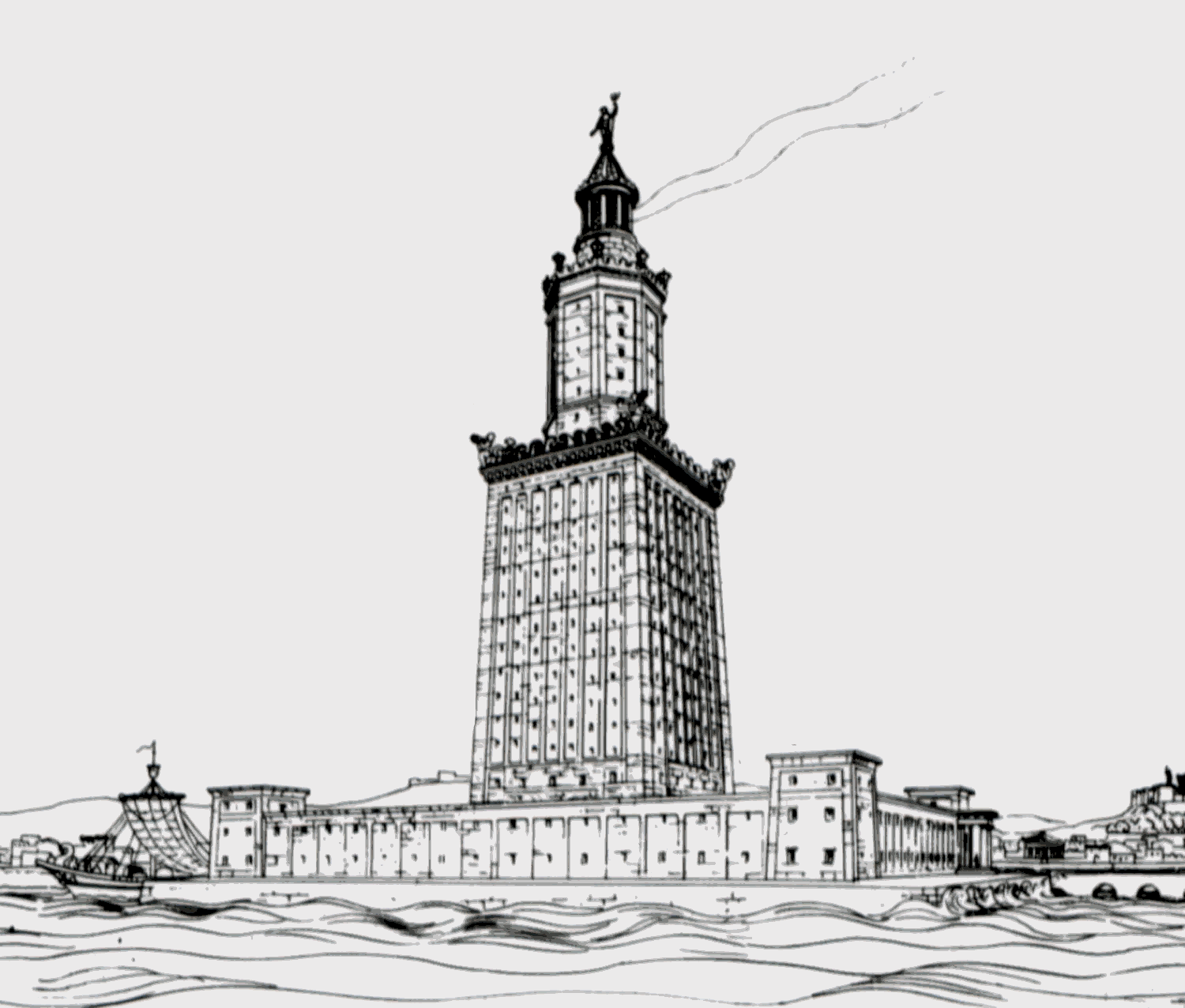
Alexandria was the largest city in the ancient Mediterranean — half a million people from across three continents. The Pharos lighthouse rose 100 metres above the harbour. The Mouseion complex occupied an entire quarter, with lecture halls, gardens, laboratories, and the library stacks.
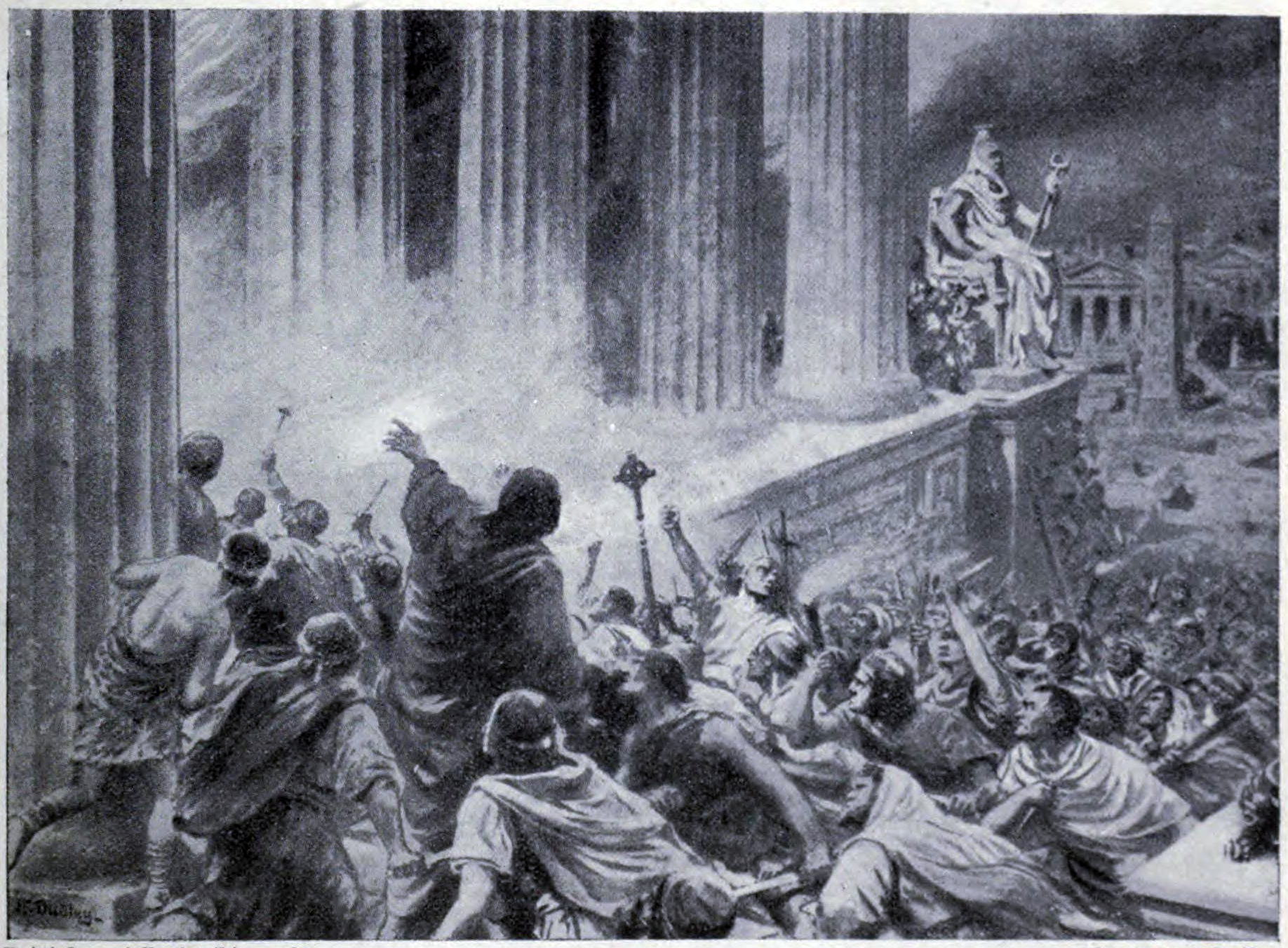
The Myth
The popular story: a single fire destroyed all knowledge. The reality: at least four distinct episodes of damage over 500 years — Caesar's harbour fire (48 BCE), Aurelian's siege (272 CE), Theophilus' destruction of the Serapeum (391 CE), and centuries of slow neglect.
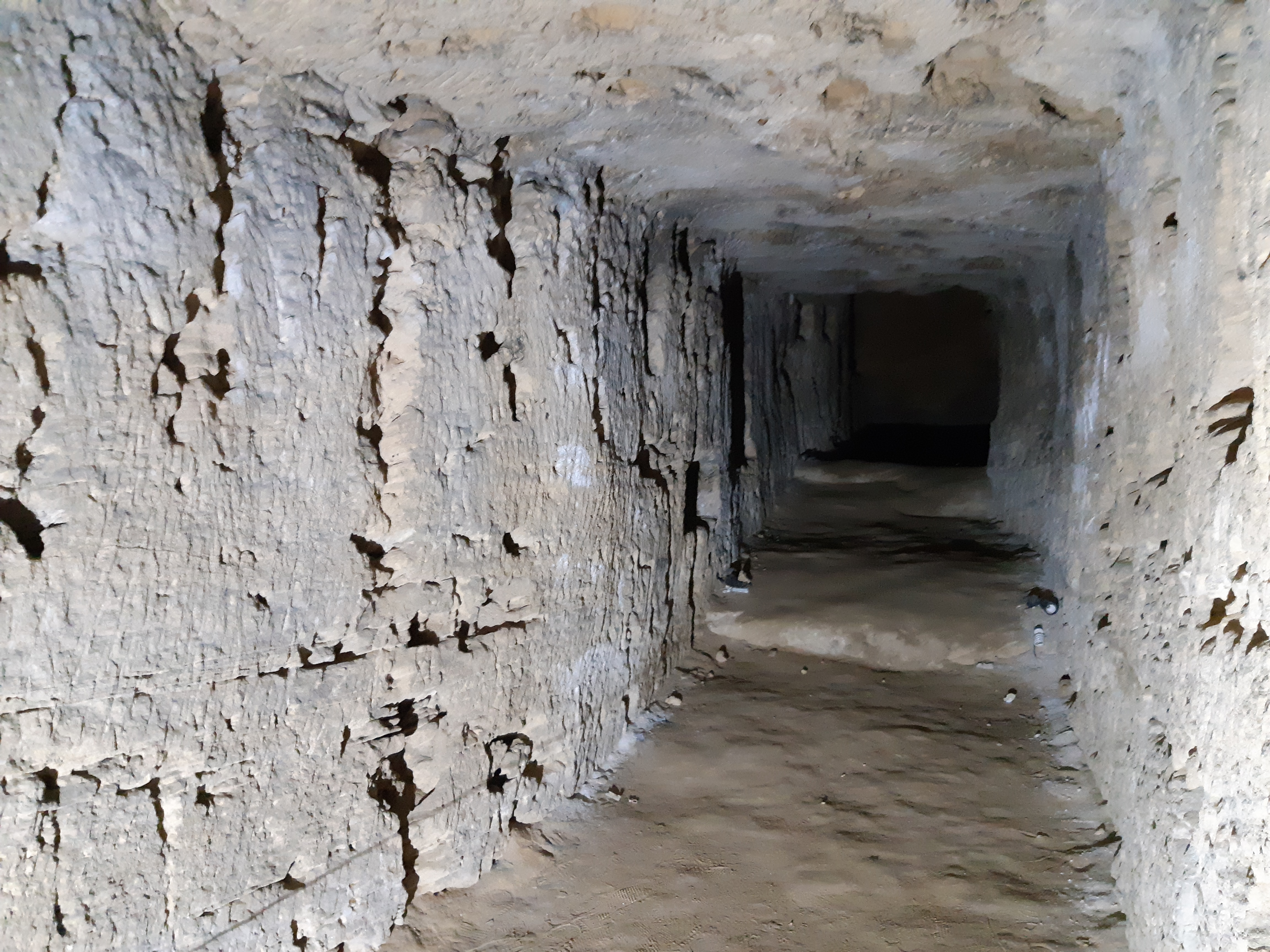
The Daughter Library
The Serapeum housed 42,800 scrolls in a public collection — the world's first public library. When Patriarch Theophilus ordered it demolished in 391 CE, the historian Orosius later found its bookcases empty: "pillaged by our own men in our own time."
Five Centuries of Decline
The Founding
Ptolemy I commissions Demetrius of Phalerum to build the Mouseion and its library. The mission: acquire a copy of every book ever written in the Greek language.
The Golden Age
Eratosthenes becomes head librarian and calculates the Earth's circumference. Callimachus creates the Pinakes — the world's first subject catalogue, in 120 volumes.
Caesar's Fire
Julius Caesar sets fire to the Egyptian fleet. The flames spread to dockside warehouses, destroying an estimated 40,000 scrolls. The library itself likely survives.
The Bruchion Falls
Emperor Aurelian's siege devastates the royal quarter. The Bruchion — home to the Mouseion for 500 years — is destroyed and never rebuilt.
The Serapeum Destroyed
Patriarch Theophilus orders the Serapeum demolished. The last known repository of the library's collection is gone.
Key Figures
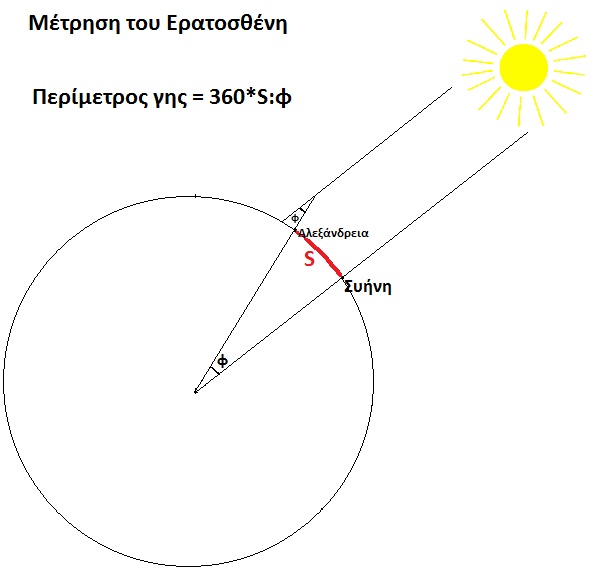
Eratosthenes
Third head librarian of Alexandria. Calculated the Earth's circumference using a stick, a well, and geometry — accurate to within a few per cent. Also devised the leap year, created the first map grid, and was nicknamed "Beta" because he was second-best at everything.
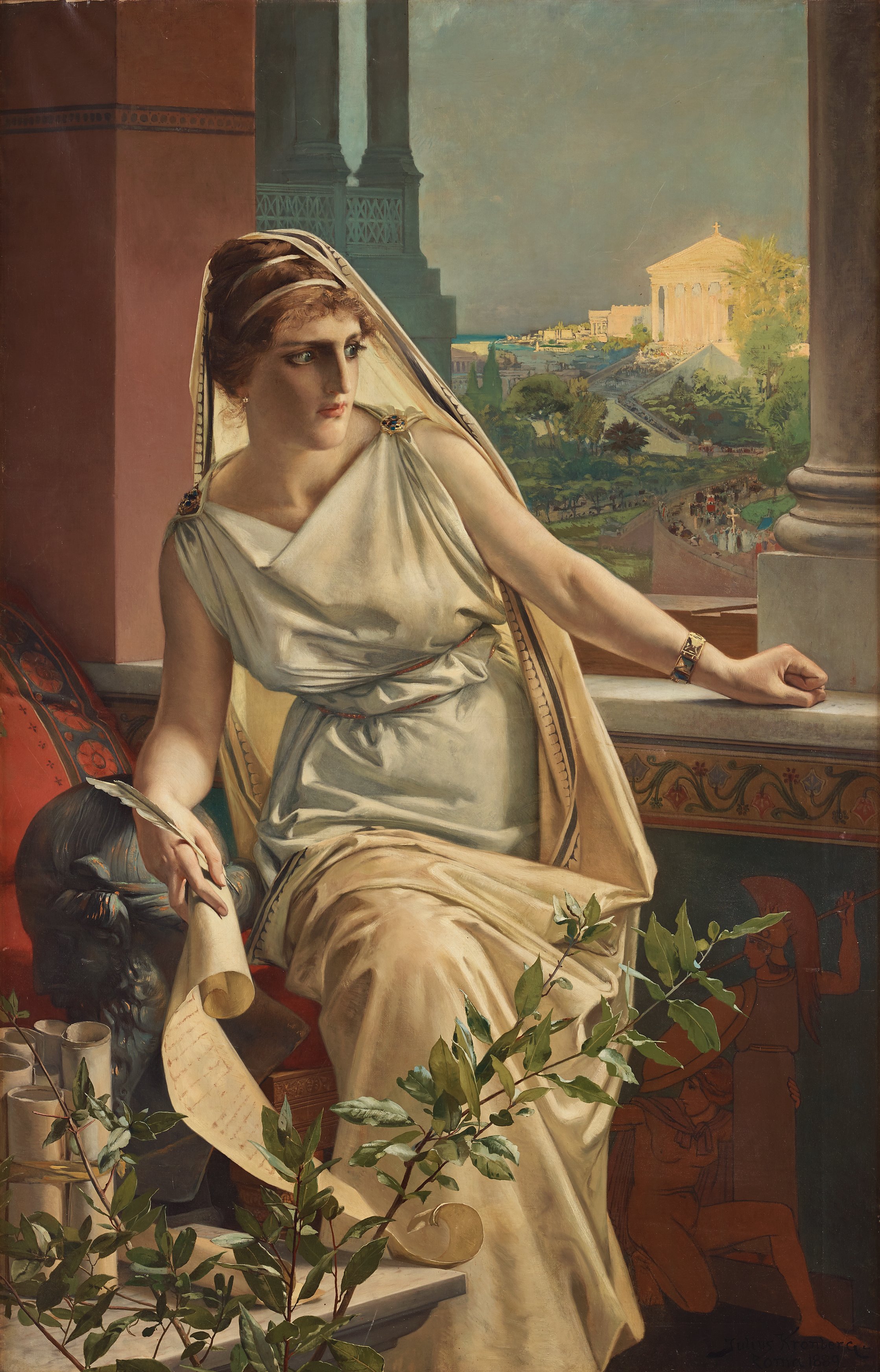
Hypatia
The last great philosopher of the Alexandrian tradition. She taught mathematics and Neoplatonic philosophy to Christian and pagan students alike. Murdered by a mob in 415 CE — a killing that symbolized the end of Alexandria's intellectual legacy.
The Relay Station
The Library of Alexandria was never just a vault. It was a relay station — an engine for copying, cataloguing, and transmitting knowledge. When the relay failed, the knowledge faded. Not all at once. Not in a fire. But steadily, silently, one uncopied scroll at a time.
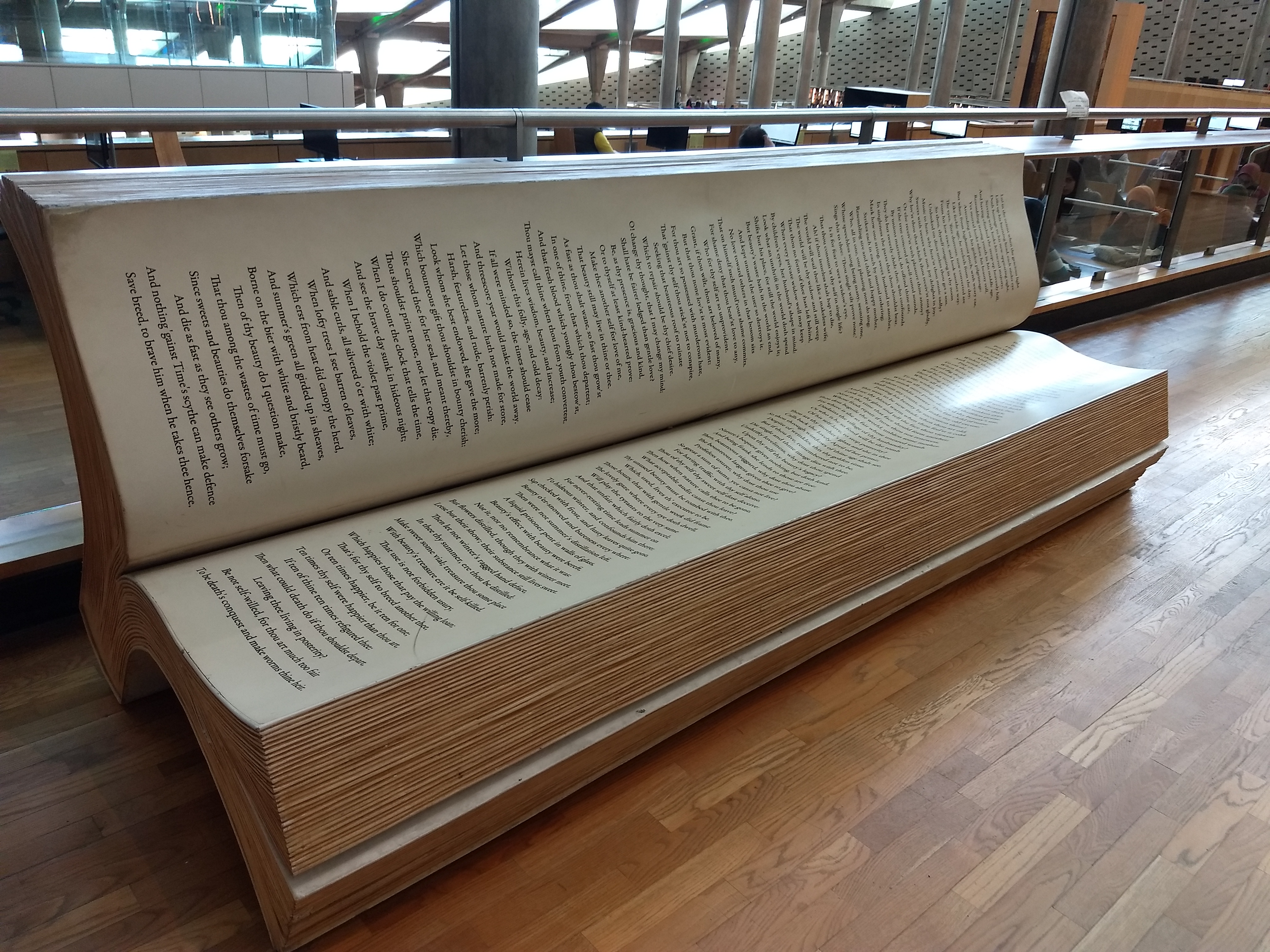
In 2002, the Bibliotheca Alexandrina opened on the waterfront, near the site of the original. During the 2011 revolution, citizens formed a human chain around it. The ancient memory flickered back to life.
Get the Full Book
The complete story of the greatest library the ancient world ever built — from Ptolemy's obsession to Hypatia's murder to the myth that won't die.