Jack the Ripper
The Autumn of Terror
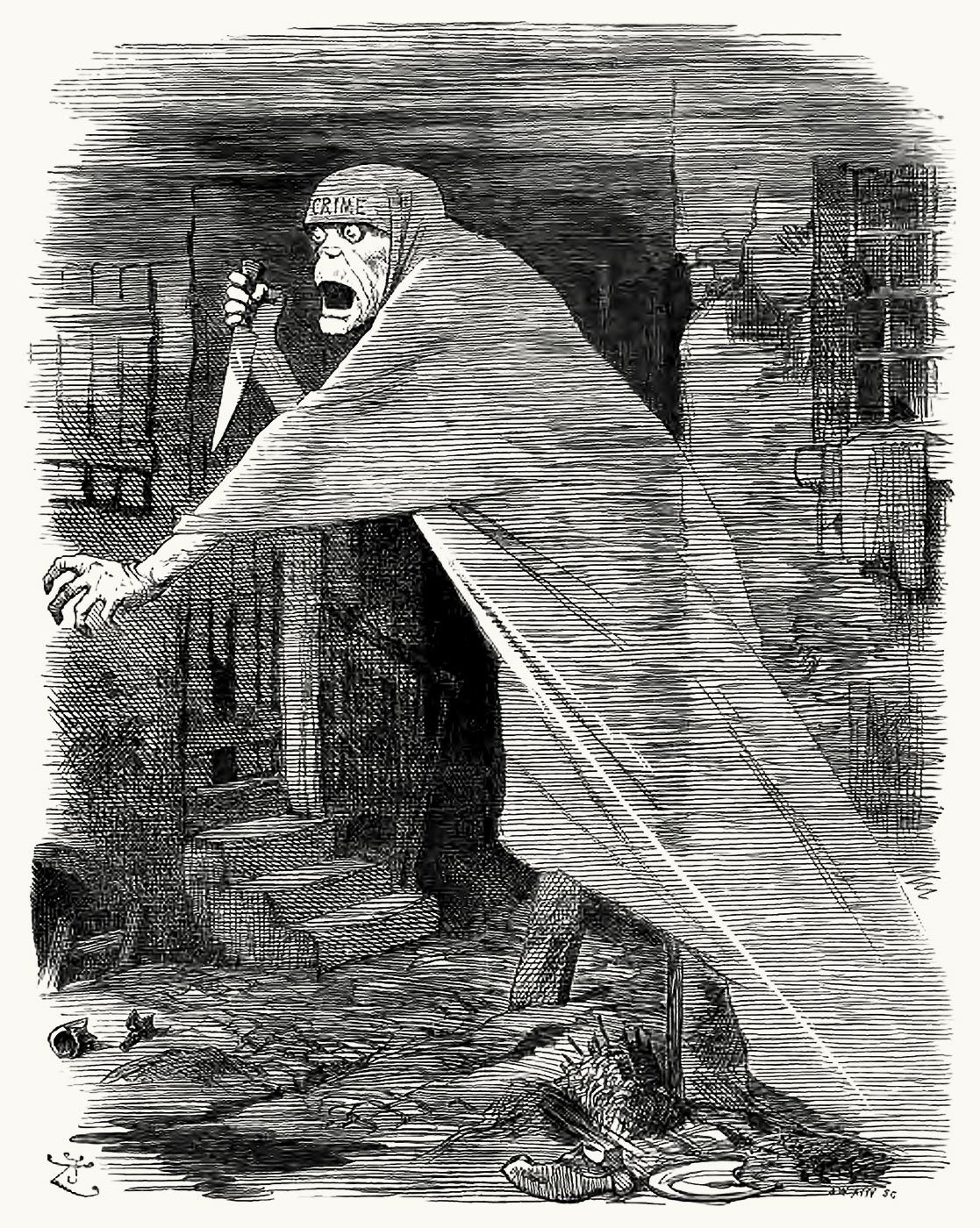
In the autumn of 1888, a killer stalked the gas-lit streets of London's East End. Five women were murdered in seventy-one days. Their throats were cut. Their bodies were mutilated. The killer was never identified, never caught, never named — except by the alias he gave himself in a letter written in red ink.
He called himself Jack the Ripper. The name stuck. The mystery never ended.
5
Five women, known as the Canonical Five, were murdered between August 31 and November 9, 1888. All were destitute, all were killed in the early hours, all within a half-mile radius of each other.
71
Days of terror — from Polly Nichols on August 31 to Mary Jane Kelly on November 9, 1888.
700+
Letters received by police and press claiming to be from the killer. Most were hoaxes.
100+
Named suspects over 137 years — from a Polish barber to the Queen's grandson.
The Evidence
The Name
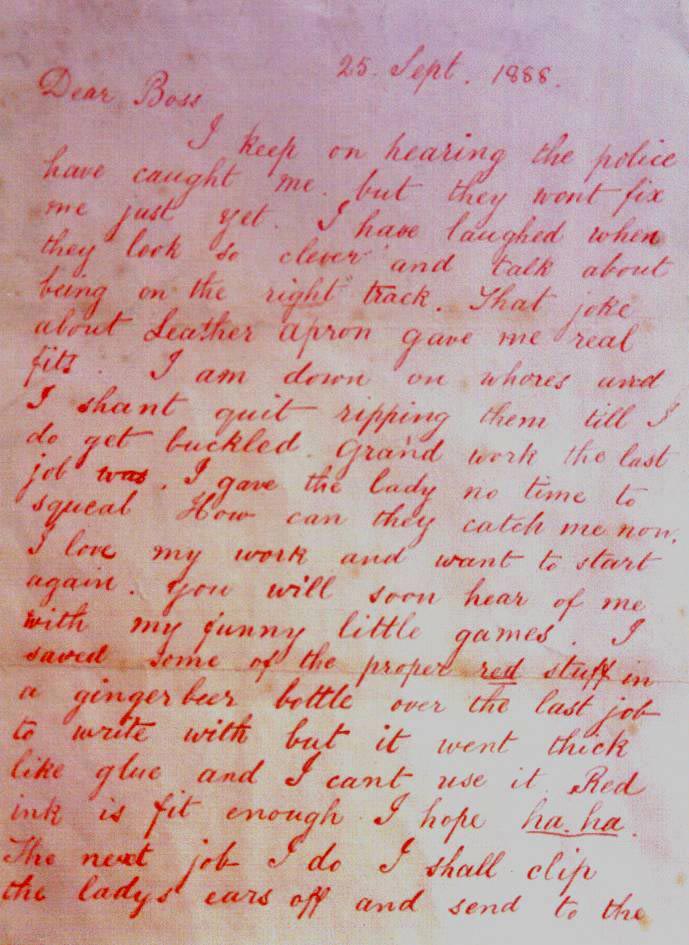
On September 27, 1888, the Central News Agency received a letter written in red ink. "Dear Boss," it began. The writer taunted the police, described the murders in detail, and signed off with a name that would become the most infamous alias in criminal history: "Jack the Ripper." The letter coined the name. The name created the legend.
The Manhunt
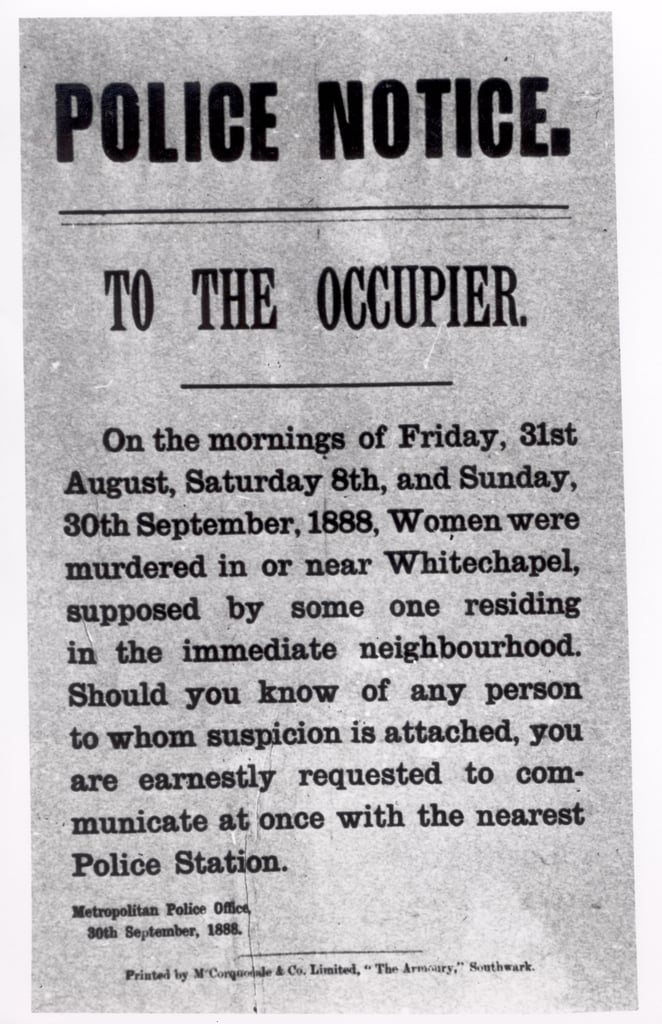
Eighty thousand handbills were distributed across Whitechapel. House-to-house searches covered every lodging house in the district. Over 2,000 lodgers were examined. Hundreds of suspects were questioned. Bloodhounds were brought in, then lost in the fog. It was the largest manhunt Victorian London had ever seen — and it produced nothing.
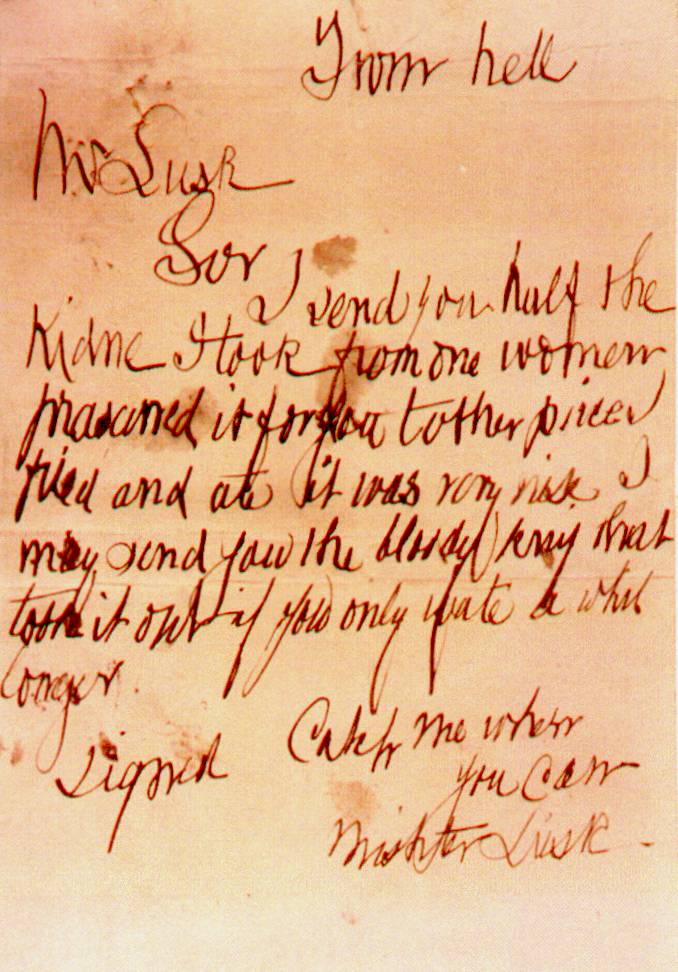
From Hell
On October 16, George Lusk — chairman of the Whitechapel Vigilance Committee — received a small cardboard box in the post. Inside was half a human kidney, preserved in ethanol. The accompanying letter, addressed "From Hell," claimed the writer had fried and eaten the other half. Unlike the Dear Boss letter, many investigators believed this one was genuine.
The Autumn of Terror
The First Murder
Mary Ann Nichols is found dead in Buck's Row, Whitechapel, at 3:40 a.m. on August 31. Her throat has been cut twice. Her abdomen has been slashed open. She is the first of the Canonical Five.
The Double Event
On the night of September 30, two women are murdered within the hour — Elizabeth Stride in Dutfield's Yard and Catherine Eddowes in Mitre Square. The killer was likely interrupted with Stride, then found Eddowes minutes later.
From Hell
George Lusk, chairman of the Whitechapel Vigilance Committee, receives a small box containing half a preserved human kidney and a letter addressed "From Hell." The city descends into panic.
Miller's Court
Mary Jane Kelly is found in her room at 13 Miller's Court on November 9. It is the most extreme murder of the series — the killer, behind a locked door for the first time, had hours. The details are beyond description. The murders stop.
The Memorandum
Sir Melville Macnaghten, Assistant Chief Constable, writes an internal memorandum naming three prime suspects: Montague John Druitt, Kosminski, and Michael Ostrog. The document will fuel debate for over a century.
Key Figures
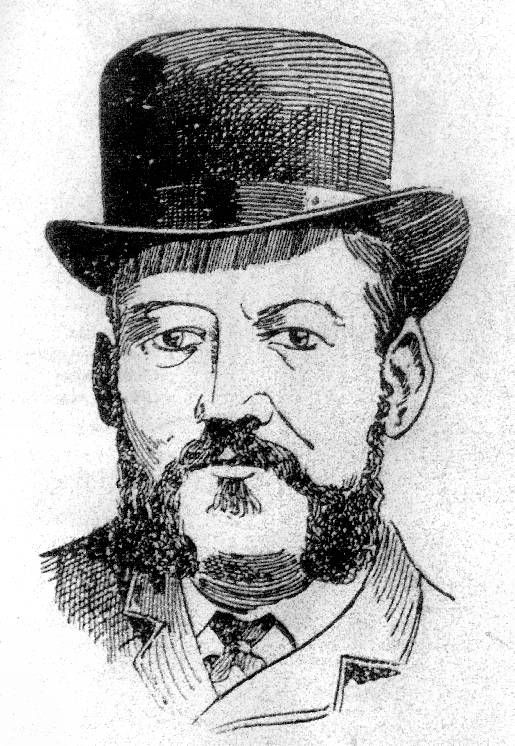
Inspector Abberline
Frederick Abberline had spent 14 years policing Whitechapel before the Ripper murders. He knew every alley, every doss-house, every informant. Scotland Yard pulled him out of retirement to lead the ground investigation. He interrogated hundreds, followed every lead, and never identified the killer. He went to his grave in 1929 without naming a suspect.
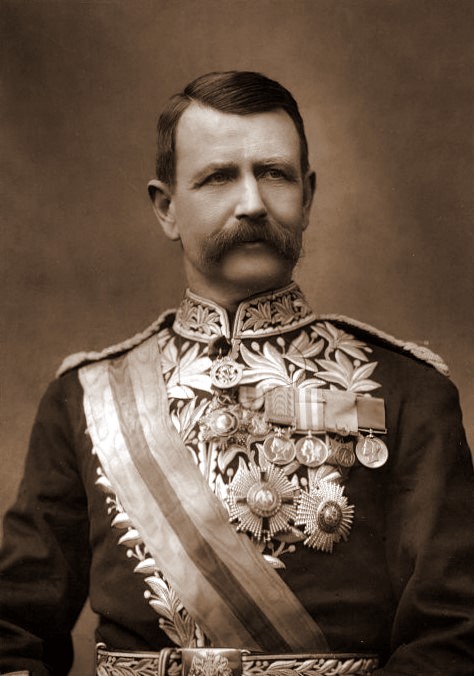
Sir Charles Warren
The Metropolitan Police Commissioner made the most controversial decision of the case: on the night of the Double Event, a message was found chalked on a wall in Goulston Street — possibly written by the killer. Warren ordered it erased before it could be photographed, fearing it would incite anti-Semitic riots. He resigned on November 8, the day before the Kelly murder.
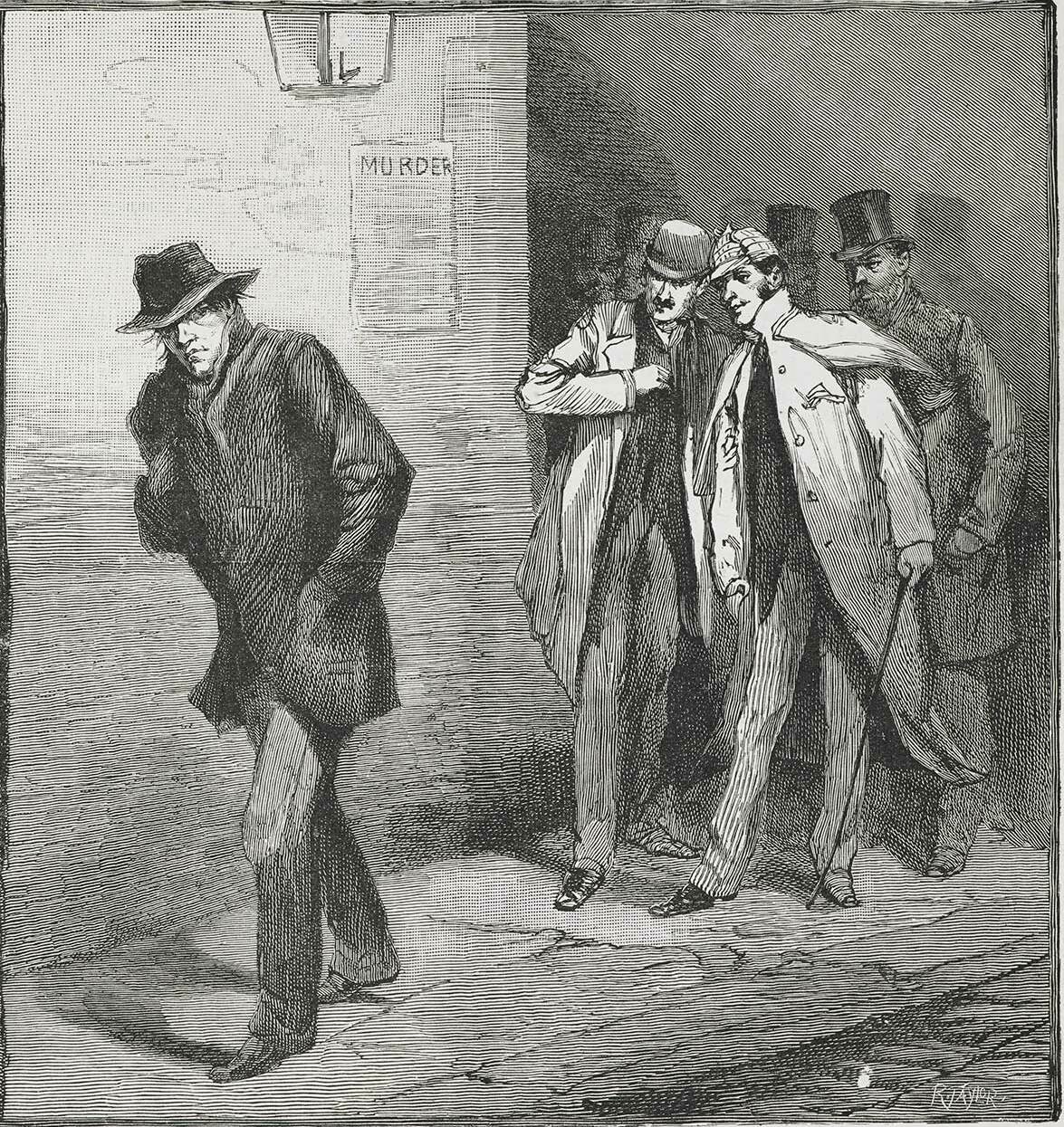
The Name That Never Dies
The case endures because it was never solved. The killer was never caught, never tried, never named. He vanished — leaving behind five dead women, a handful of letters that may or may not be genuine, and a name that became synonymous with murder itself.
But the real reason the case will not die is simpler than that. The victims were the most vulnerable people in the richest city on earth — and no one protected them. The mystery is not who killed them. The mystery is why it took five murders for anyone to care.
Get the Full Book
The complete story of the autumn of terror — the victims, the suspects, the letters, and the investigation that failed.