The Isdal Woman
Nine Identities, One Burned Body
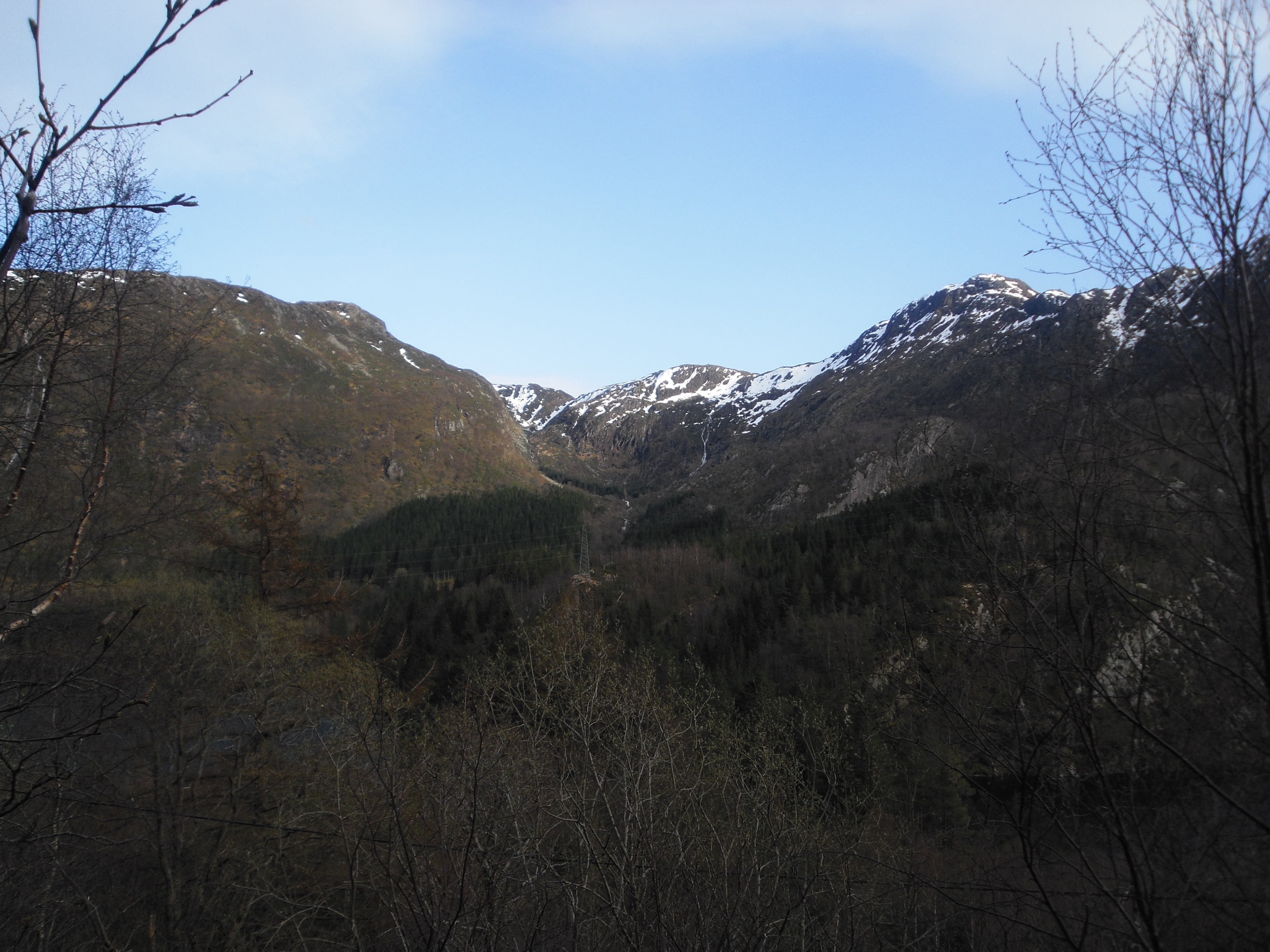
On November 29, 1970, a man and his two young daughters found a burned body on a rocky hillside in Bergen, Norway. She had no face, no name, and no past. Her fingerprints had been sanded off. Every label had been cut from her clothing. In her suitcases: wigs, coded notes, and currency from five countries.
She had checked into hotels across Norway under at least eight fake identities. Her movements matched top-secret missile trials. Over fifty years later, nobody knows who she was.
0
Identifying marks left on her body or belongings. Every clothing label cut away. Fingerprints sanded off. Prescription cream name scratched out. A woman engineered to be nobody.
8+
Aliases used across Norwegian and European hotels. All claimed Belgian nationality.
50–70
Fenemal tablets ingested. A potentially lethal dose — but she was alive when the fire started.
55+
Despite DNA analysis, isotope testing, and a global podcast, her identity remains unknown.
The Evidence
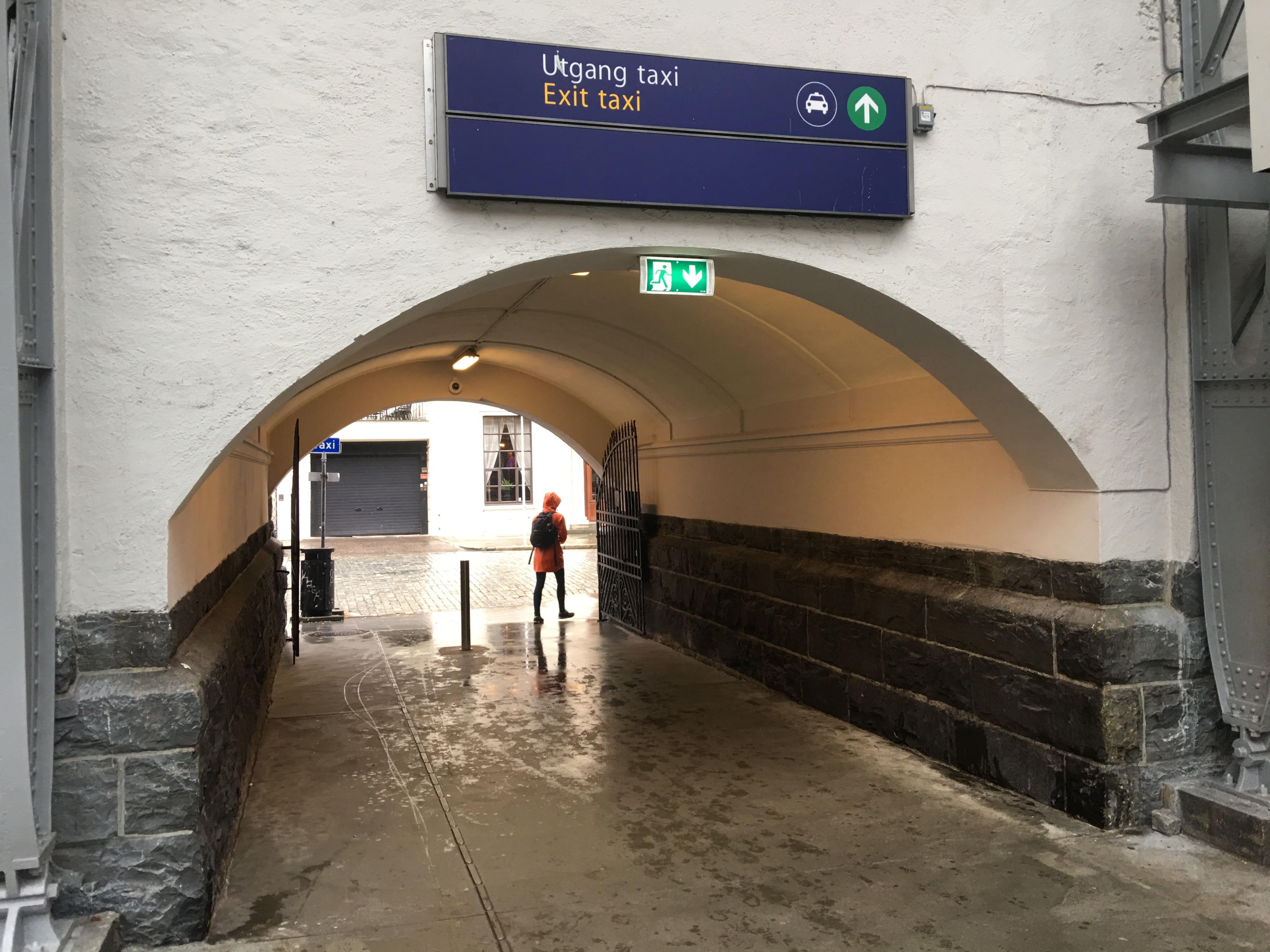
Bergen Railway Station
Three days after the body was found, two unclaimed suitcases were discovered at Bergen's railway station. Inside: multiple wigs, clothing with all labels removed, currency from five countries, non-prescription glasses with her fingerprint, eczema cream with the brand scratched off, and a notepad containing coded entries.
O29PS O30BN5
The Travel Code
The notepad contained what appeared to be encrypted text. Kripos cracked it: letters were cities (O=Oslo, P=Paris, S=Stavanger, B=Bergen), numbers were dates, and trailing digits indicated nights stayed. She had devised her own cipher to record her movements — the kind of tradecraft associated with intelligence operatives, not tourists.
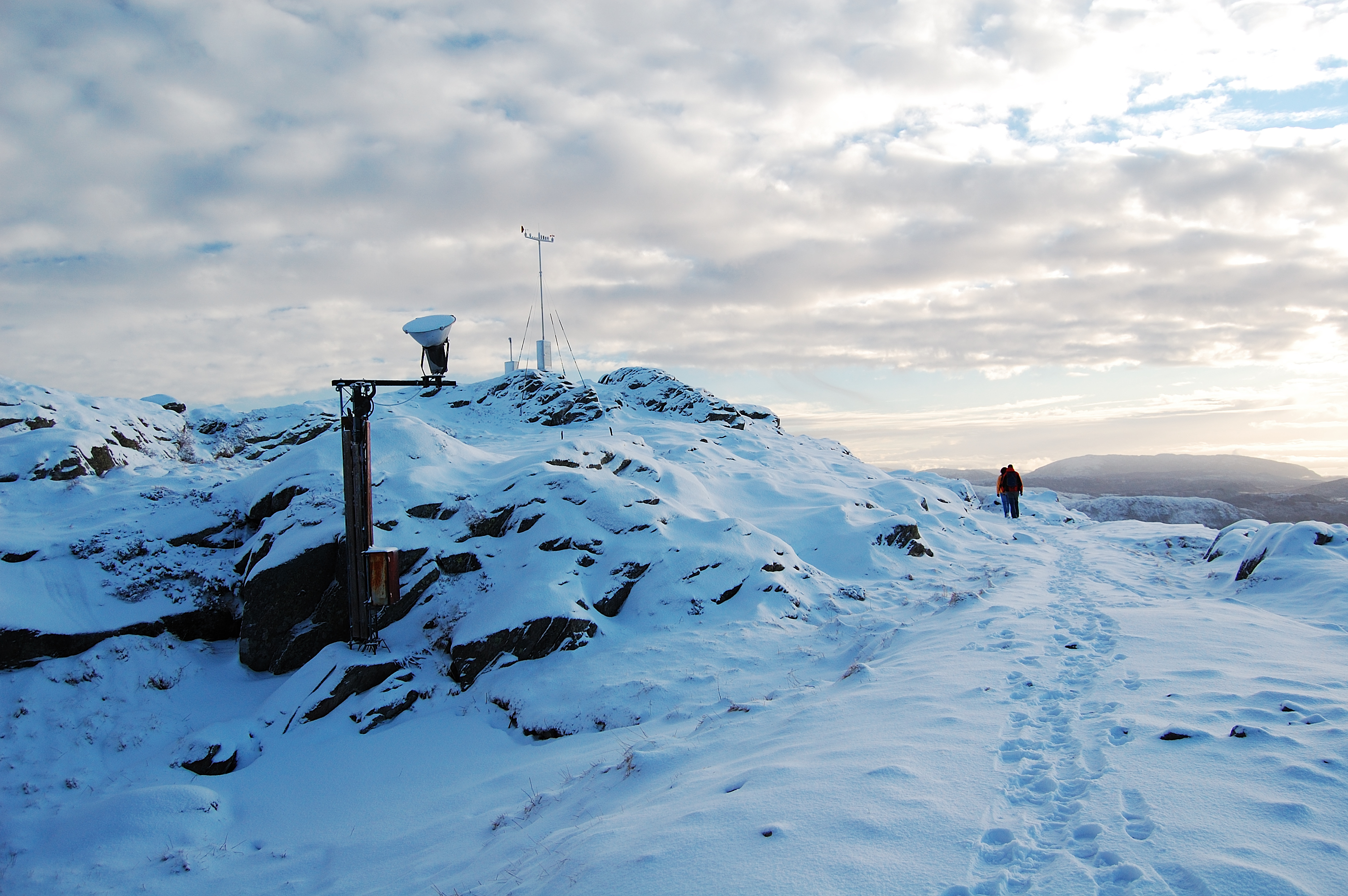
Missile Trials
A classified military document from December 1970 noted that the Isdal Woman's movements — reconstructed from hotel forms and coded notes — corresponded with the locations and dates of top-secret Penguin anti-ship missile trials. Defence personnel stayed at the same Stavanger hotels. A fisherman reported she had been watching military movements in the harbour.
Final Weeks
Oslo to Paris
The coded diary records her movements from Oslo to Paris over the course of a week. She carries multiple passports and wigs. At every stop, a different name.
Stavanger
She checks into the Hotel St. Svithun as "Fenella Lorch." A waitress remembers her sitting near — but not with — two German naval officers. A shoe shop owner sells her rubber boots.
Last Seen Alive
She checks out of Hotel Hordaheimen in Bergen, room 407. Six days of silence follow. No hotel registration. No sighting. Nothing.
Found in Isdalen
A father and his daughters discover a burned body in the Ice Valley. Arms in the boxer's stance. Objects arranged in what investigators call "some kind of ceremony." Every label removed. Identity erased.
Buried Nameless
After police rule suicide, she is buried in a zinc coffin at Møllendal cemetery. Only officers attend. Catholic rites are chosen based on the saint names in her aliases. The zinc preserves her for a future that doesn't arrive for 46 years.
Key Elements
Bergen, Norway
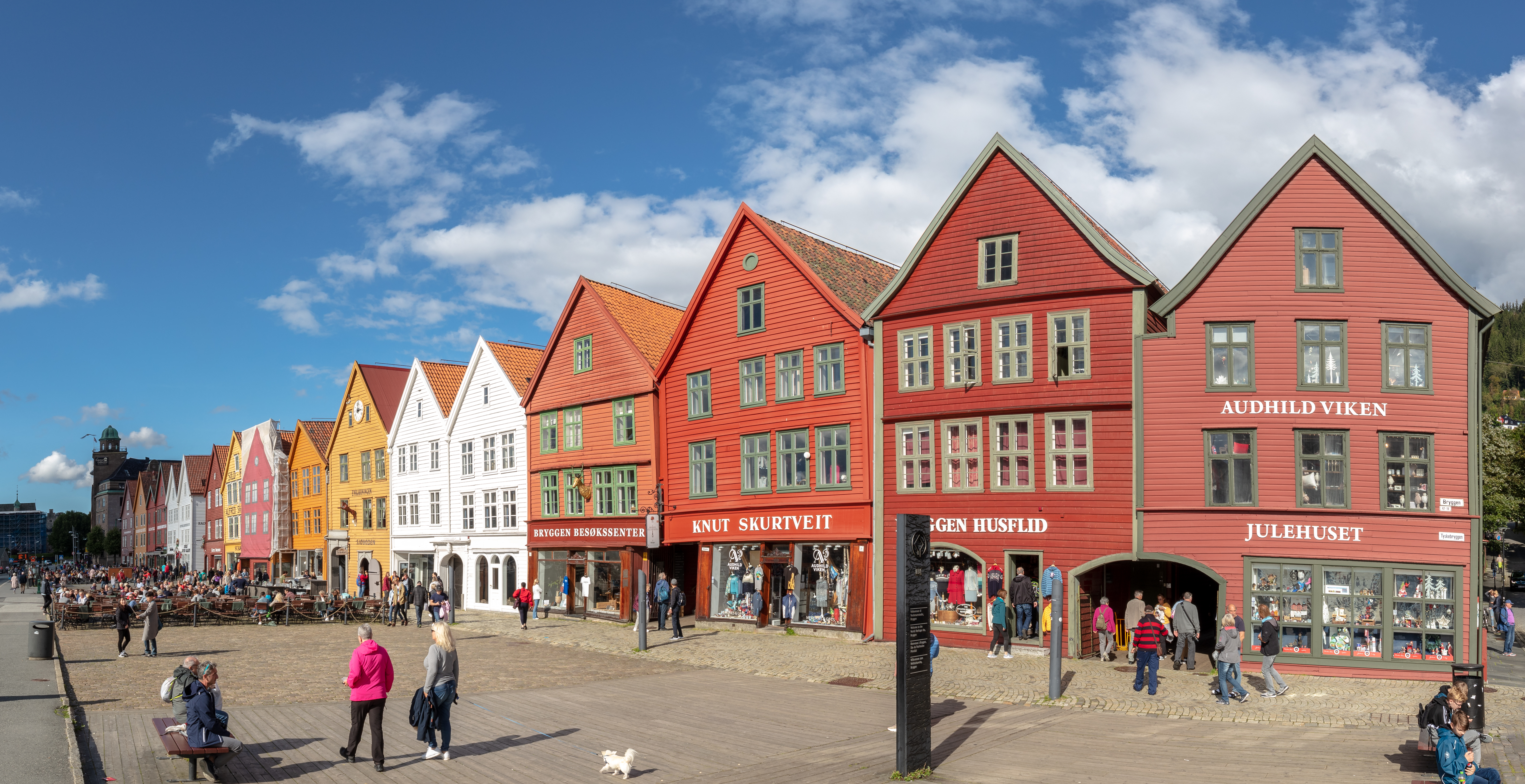
Norway's second-largest city and a major NATO port during the Cold War. The Isdal Woman stayed at multiple Bergen hotels under false names. Her final days were spent somewhere in this city of rain, fjords, and military secrets.
Isdalen — Death Valley
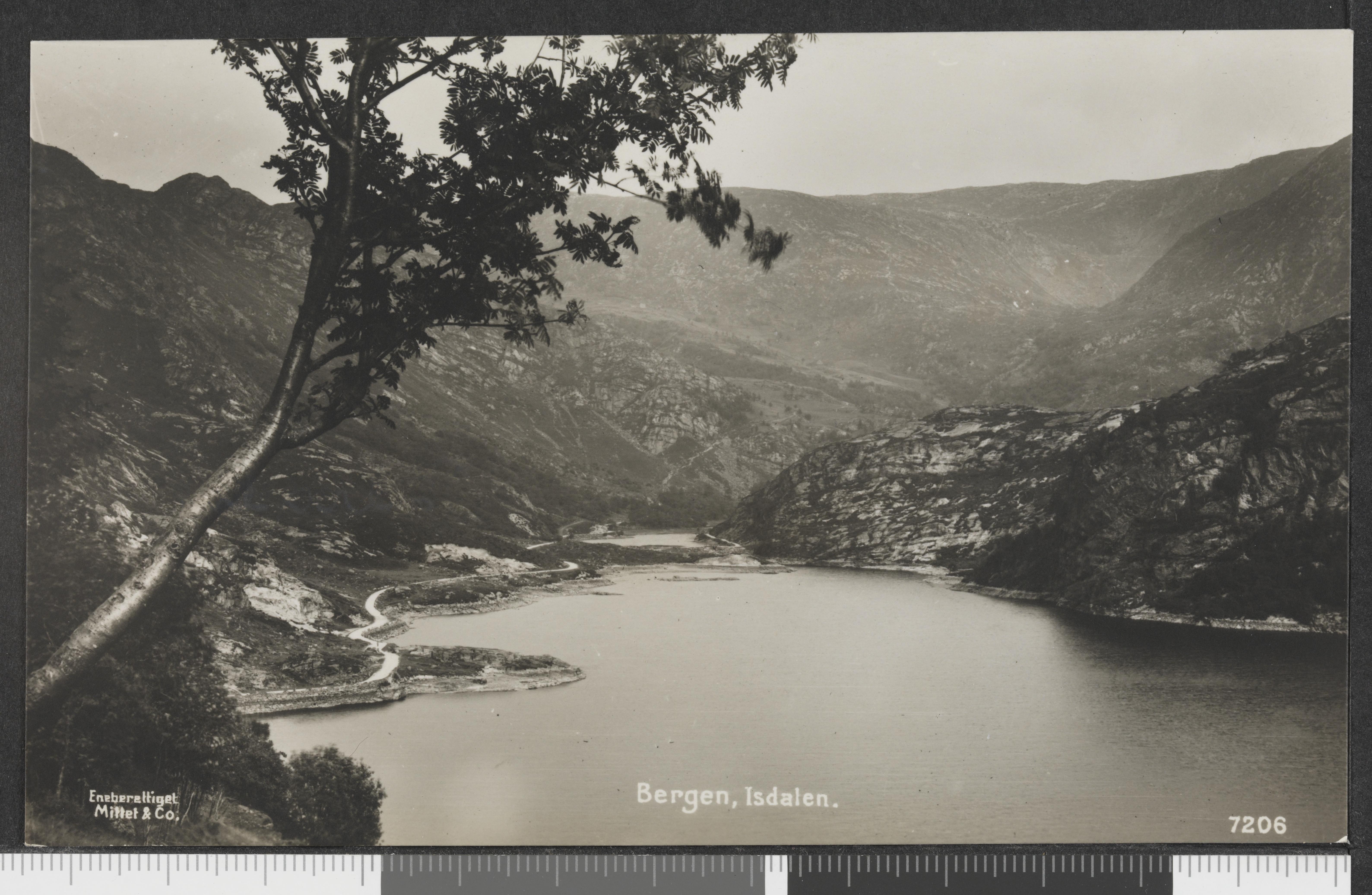
A treacherous scree slope on Ulriken's north face, known locally as "Death Valley" since medieval times. On November 29, 1970, it claimed one more name — or rather, one more absence of a name.
Modern Forensics
In 2016, NRK journalists persuaded police to reopen the case. Isotope analysis of the preserved jawbone placed her birth near Nuremberg, Germany, around 1930. DNA revealed Southeast European or Southwest Asian maternal ancestry. A podcast reached millions. Her name remains unknown.
Still Nameless
Over fifty years have passed since a man and his daughters smelled smoke on a hillside in Bergen. The Isdal Woman lies in a zinc coffin in Møllendal cemetery, still unidentified, still unclaimed.
She was someone. She had a name. Somewhere, that name is still waiting to be spoken.
Get the Full Book
The complete story of the burned body, the coded notes, the nine identities, and Scandinavia's most baffling cold case.