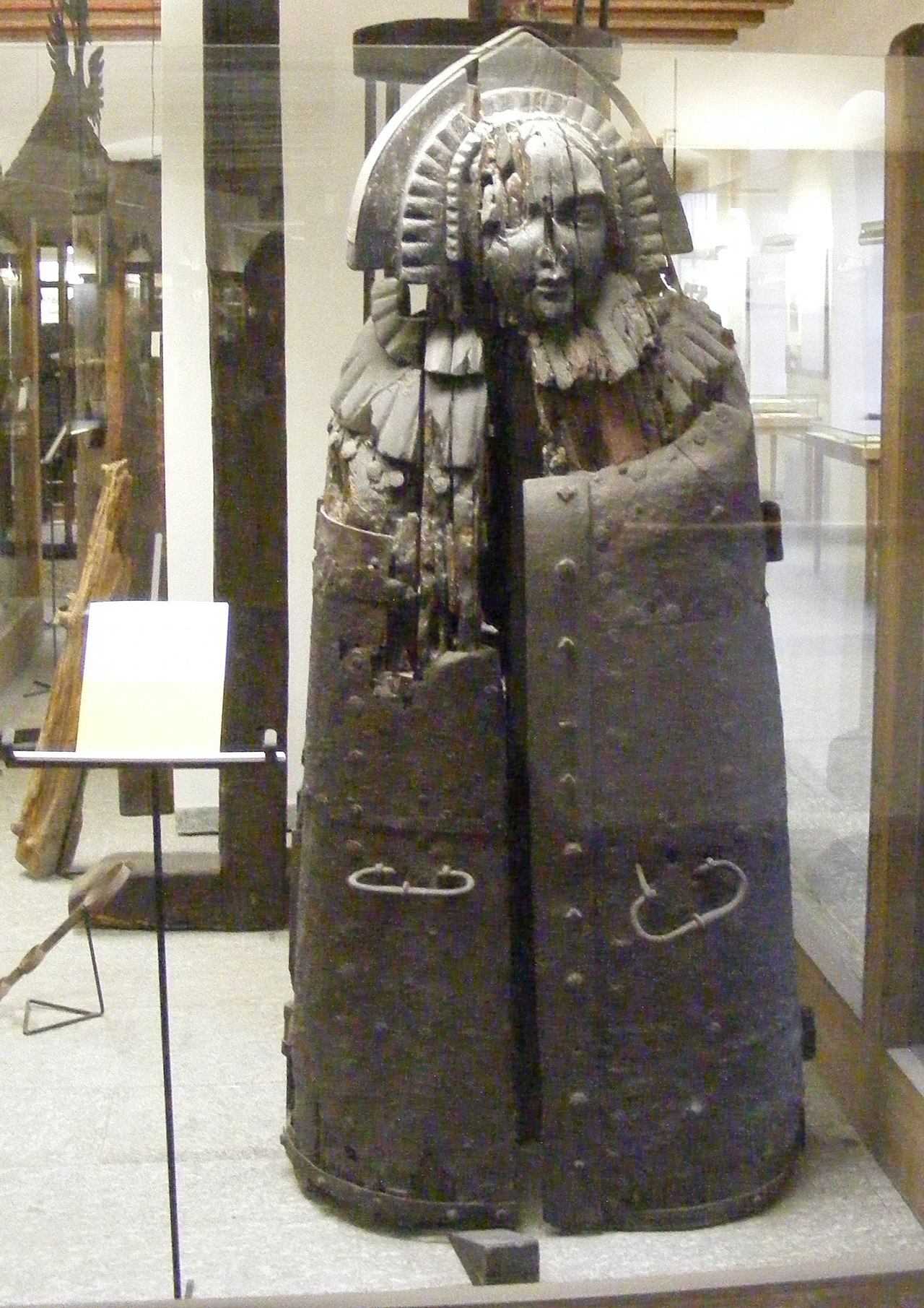
The Iron Maiden
The Torture Device That Never Was
The spiked iron cabinet known as the Iron Maiden terrified visitors to Nuremberg's Royal Castle for over a century. It was exhibited before 27 million people at the Chicago World's Fair. It toured vaudeville theaters in London and New York. It appeared in guidebooks across Europe as proof of medieval barbarism.
Not a single medieval document records its use. The first written account appeared in 1793. The device was assembled around 1800. The interior spikes may have been Napoleonic-era French bayonets. The Middle Ages had nothing to do with it.
1793
Johann Philipp Siebenkees publishes an account of an execution by iron maiden in 1515 Nuremberg. His source document has never been found. German archivists have searched for it for two centuries. It does not exist.
0
Not a court document, executioner's log, or contemporary witness account in the entire surviving legal literature of medieval Europe.
c.1800
285 years after the supposed 1515 execution. The Nuremberg Iron Maiden was assembled from disparate components — interior spikes possibly from Napoleonic-era French bayonets.
>100M
Iron Maiden the band, formed in East London in 1975, has sold over 100 million albums — ensuring the myth outlives every scholarly correction.
The Evidence
The 1894 Photograph
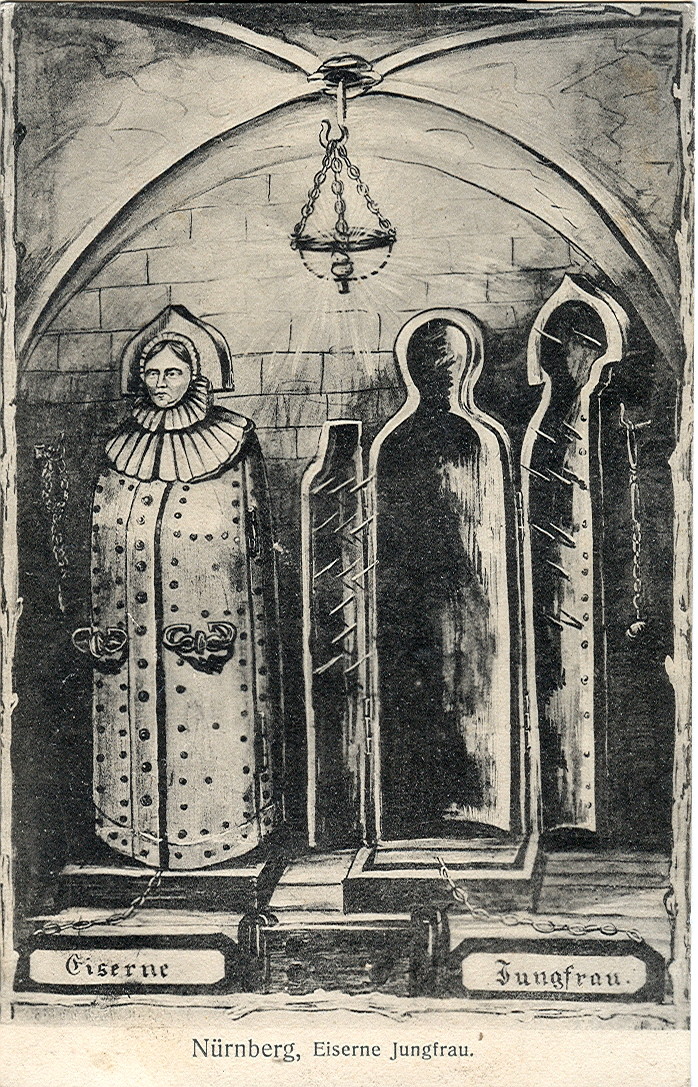
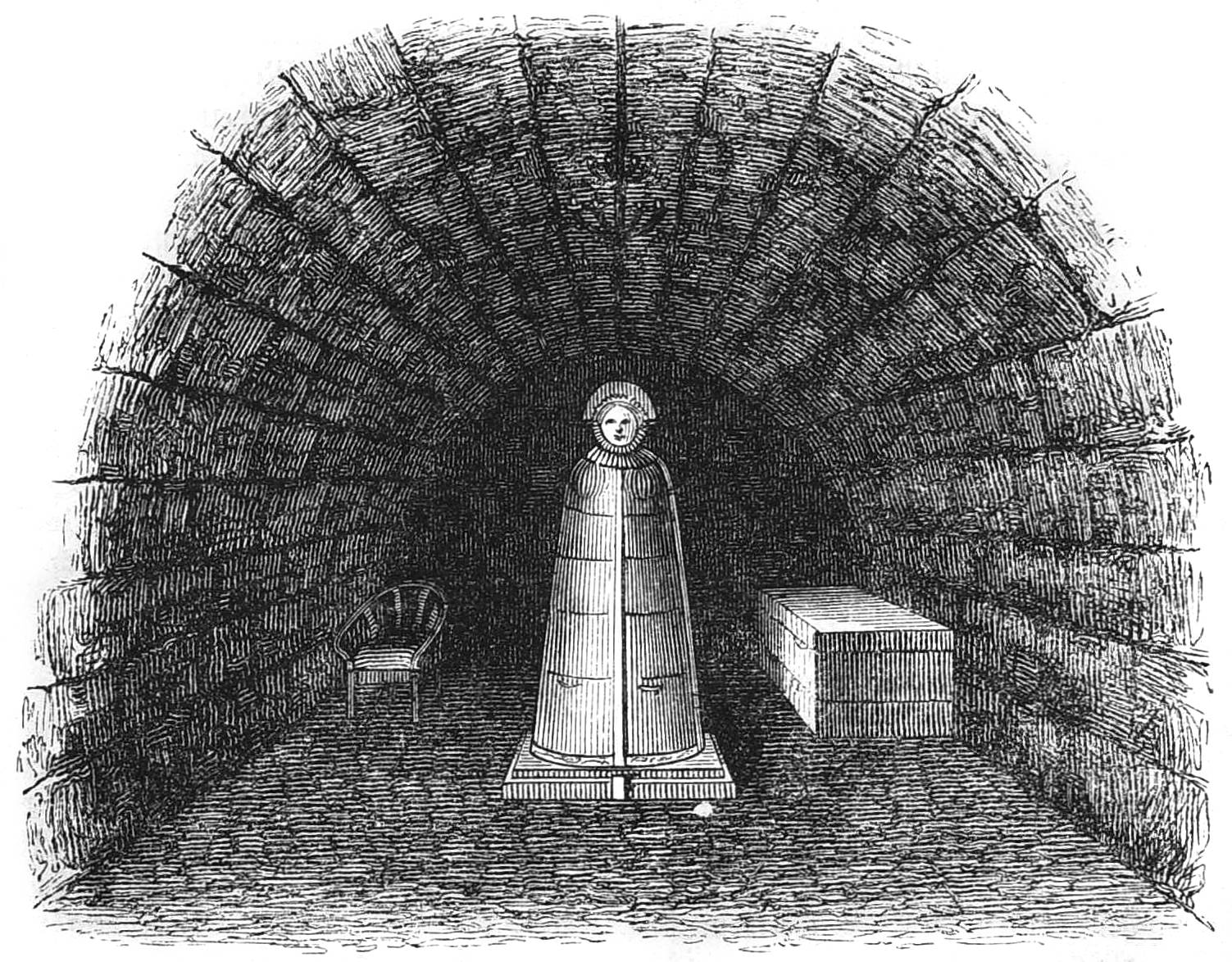
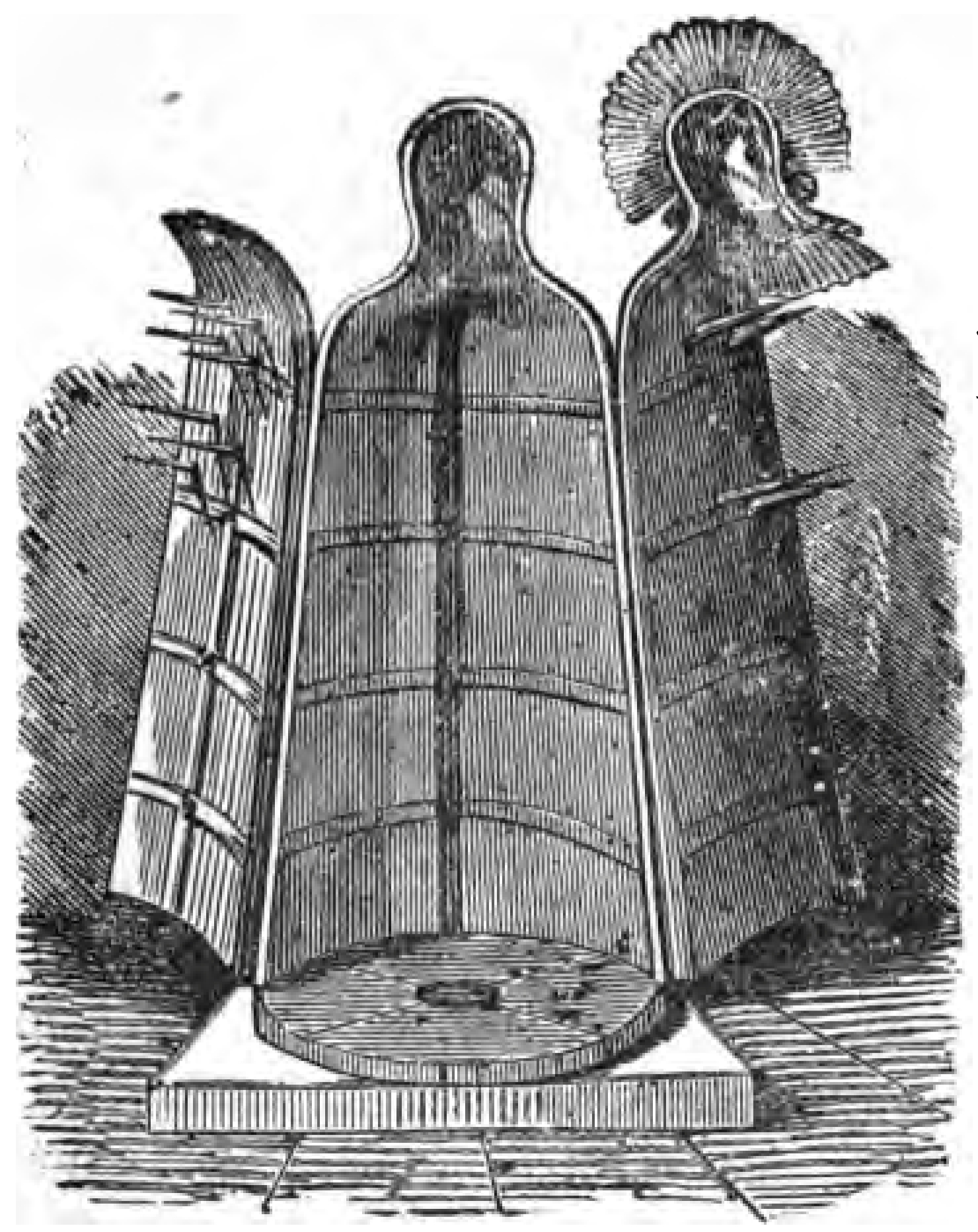
On August 11, 1894, photographers Ferdinand Schmidt and A. Michel made albumen silver prints of the Nuremberg Iron Maiden — images now held at the J. Paul Getty Museum. The device looks exactly as a medieval torture instrument should look. That is the problem: its appearance was designed to match a story written in 1793. The physical object was assembled from disparate metalwork around 1800, and some of its interior spikes have been identified as Napoleonic-era French bayonets.
The Cloak of Shame
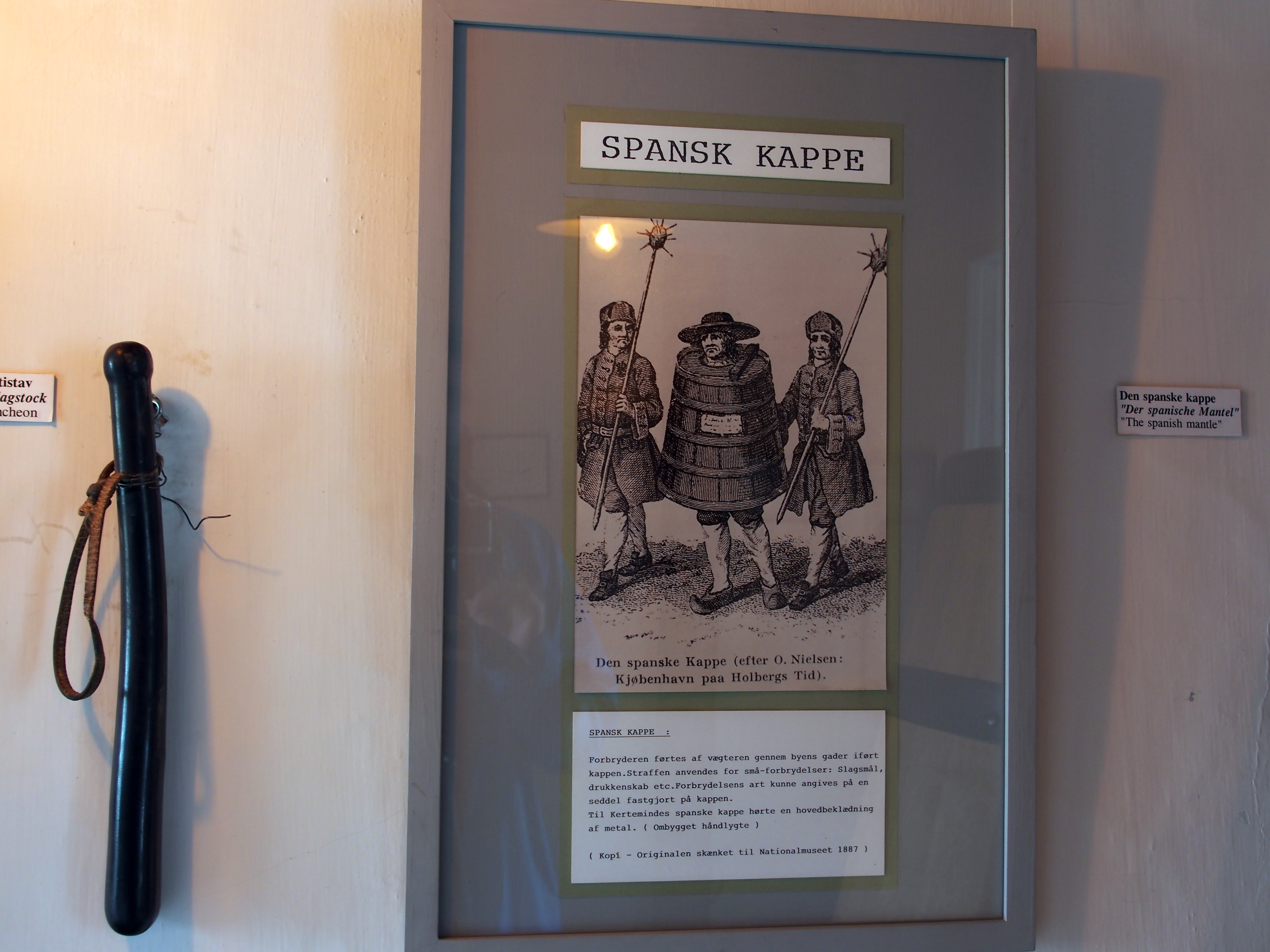
The Schandmantel — German for "cloak of shame" — was a genuine medieval German punishment device: a barrel-shaped frame of wood and tin worn by petty offenders during public humiliation. No spikes. No deaths. It is documented in German municipal records from the thirteenth century onward. Professor Wolfgang Schild identified it as the likely ancestor of the iron maiden: its human-shaped form was transformed by nineteenth-century imagination from a humiliation device into an execution machine.
The Commercial Tour
In April 1890, the entire Nuremberg torture collection — over 1,300 objects including the iron maiden — was purchased by Julius Ichenhauser on behalf of the Earl of Shrewsbury and Talbot, Premier Earl of England. The illustrated catalogue Ichenhauser compiled describes the iron maiden as genuine medieval. The collection toured Britain, then appeared at the 1893 Chicago World's Fair, then at Koster and Bial's vaudeville theater in New York. Horror had become commerce.
The Making of a Myth
Real Medieval Torture
Pope Innocent IV's bull Ad extirpanda authorizes torture in Inquisition proceedings. The method prescribed: strappado — a rope, a pulley, and body weight. Simple, brutal, and extensively documented. The iron maiden appears nowhere.
The Story Is Written
Johann Philipp Siebenkees publishes an account of a coin forger executed in a Nuremberg iron maiden on August 14, 1515. In the same year, Jean-François de la Harpe publishes an anti-Inquisition iron maiden account in France. Neither has access to the device itself. Neither can produce their source documents.
The Device Is Assembled
The Nuremberg Iron Maiden appears in the Royal Castle — assembled from disparate metalwork, the story already in place. First the story, then the object. Professor Wolfgang Schild's analysis identifies some interior spikes as Napoleonic-era French bayonets.
27 Million Visitors
The Nuremberg torture collection, including the iron maiden, is displayed at the World's Columbian Exposition in Chicago — the largest exhibition in American history. After Chicago, the collection moves to Koster and Bial's Music Hall, a vaudeville theater in New York.
The Original Destroyed
RAF bombing raids on Nuremberg destroy the original Iron Maiden. The device that had been on display for roughly 140 years is gone. What survives: copies. The Rothenburg museum's iron maiden, made in the 1960s, is a copy of the nineteenth-century fake.
The Verdict
Professor Wolfgang Schild publishes Die eiserne Jungfrau: Dichtung und Wahrheit — The Iron Maiden: Fiction and Truth. The scholarly case is complete: no medieval iron maiden has ever been verified. The myth, however, shows no sign of dying.
Key Figures
Johann Philipp Siebenkees
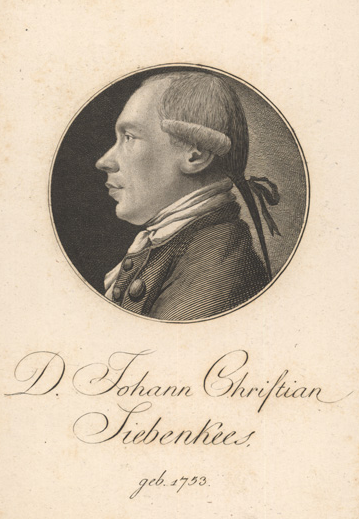
Born in Nuremberg in 1759, dead in Altdorf in 1796 at thirty-six. A philosopher, philologist, and antiquarian, Siebenkees published the first significant iron maiden account in 1793, claiming to draw on an older document that has never been located. His account — specific, measured, anatomically detailed — read convincingly as history. It was convincing enough to shape popular belief for two centuries. His source document, if it ever existed, has not survived. Historians believe it never did.
The Nuremberg Iron Maiden
Assembled from disparate metalwork around 1800, displayed at the Royal Castle of Nuremberg for 140 years, exhibited at the Chicago World's Fair and a New York vaudeville theater, photographed by Ferdinand Schmidt and A. Michel in 1894, and destroyed by RAF bombing in 1944. The most famous torture device in Western history. Possibly never used to torture anyone. Certainly not medieval. The original is gone; what remains are copies of a fake, displayed in museums across Europe.
The Myth That Won
The scholarly verdict is clear: no medieval iron maiden has ever been verified. The Nuremberg original was assembled from pieces around 1800. The first written account appeared nearly three centuries after the supposed event. Not a single medieval court record mentions the device.
The iron maiden exists in the popular imagination regardless. It exists in the name of a band that has sold a hundred million albums. It exists in torture museums from Amsterdam to Hollywood. It exists because it is too useful to abandon — too perfect an emblem of hypocritical cruelty to be dislodged by mere evidence.
The Middle Ages had the Schandmantel: a wooden barrel for humiliating petty criminals in a public square, no spikes, no deaths. The Romantic era had the iron maiden. Of the two, it is the imaginary one that history remembers.
Get the Full Book
The complete story of the philosopher who wrote the account, the showmen who built the device, and the myth that outlived them all.