The Bavarian Illuminati
Nine Years That Conquered the World's Imagination
On May 1, 1776 — the same year as American independence — a twenty-eight-year-old professor of canon law at the University of Ingolstadt founded a secret order with five students and a dream of remaking the world through reason. He called himself Spartacus. His order lasted nine years. The conspiracy theory about his order has lasted two and a half centuries — and counting.
From Bavarian lecture halls to the dollar bill, this is the true story of the secret society that conquered the world's imagination.
1776
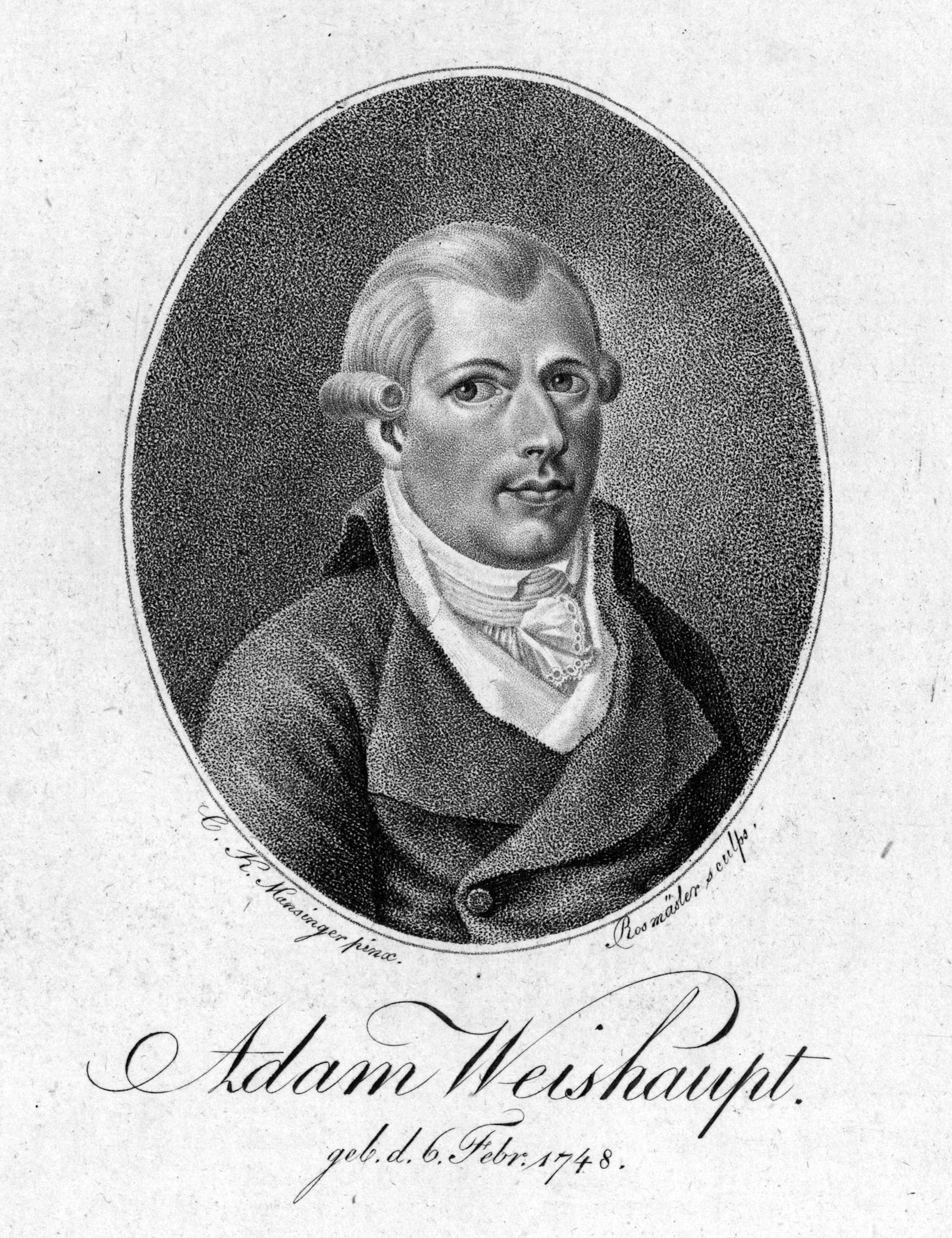
Adam Weishaupt, the youngest professor at the University of Ingolstadt, founded the Order of the Illuminati on May 1, 1776. Educated by Jesuits, he rebelled against their influence and created a secret society dedicated to Enlightenment reason, secular ethics, and the gradual transformation of society from within.
9 yrs
The order existed from 1776 to 1785 — destroyed by internal betrayal and government raids.
13
Ranks across three classes: Nursery, Freemasonry, and the Mysteries — from Novice to Rex.
80+
Members used classical pseudonyms. Weishaupt was Spartacus. Knigge was Philo. Ingolstadt was Eleusis.
The Evidence
The Real Symbol
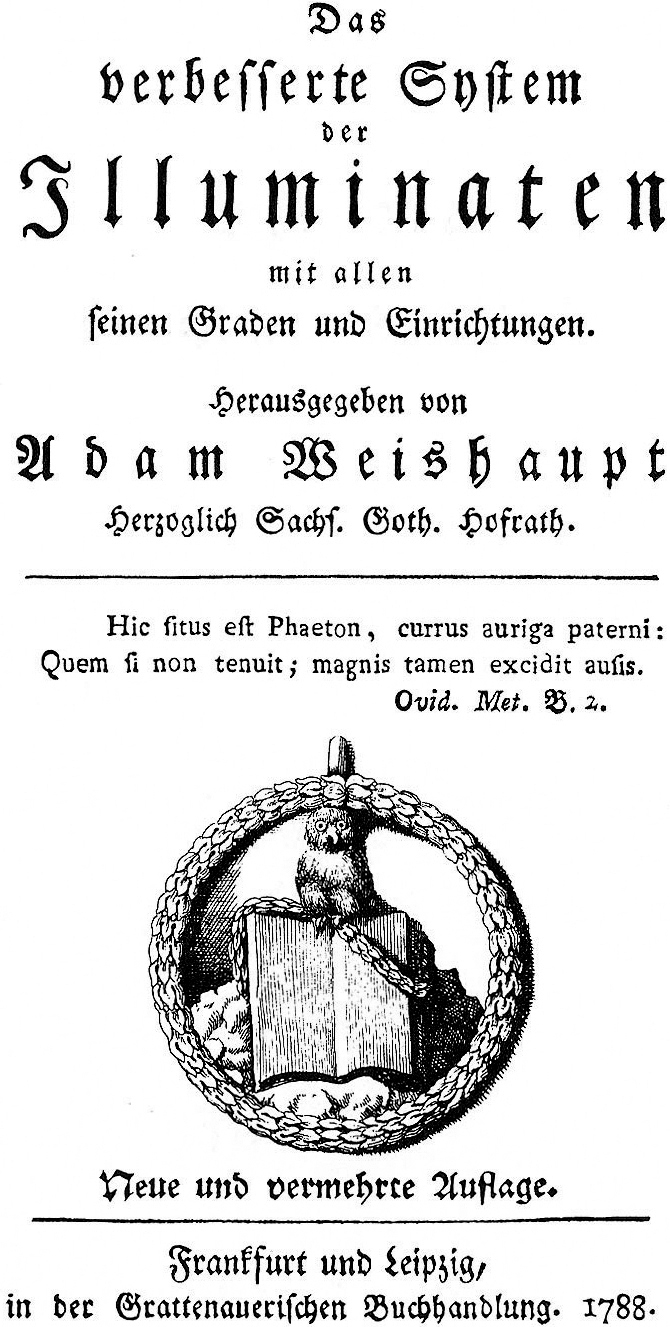
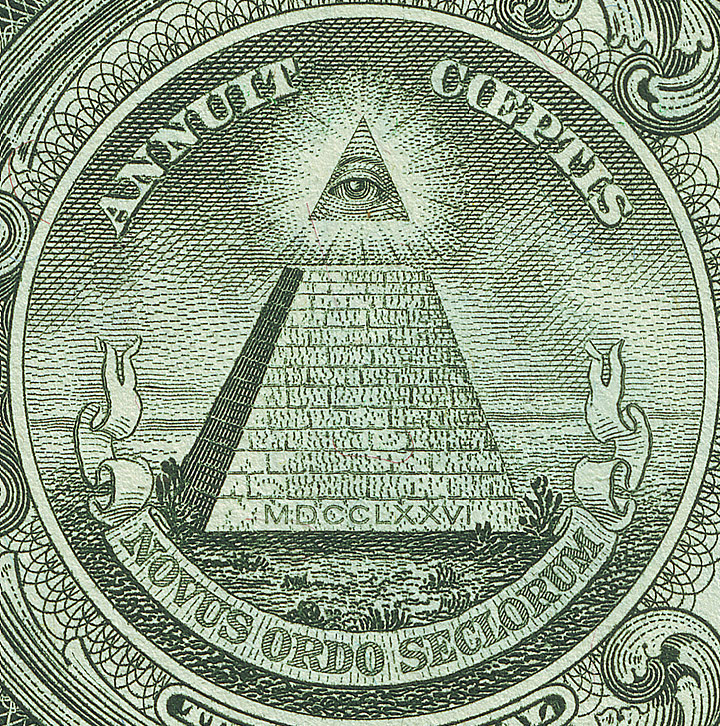
The Illuminati's actual symbol was the Owl of Minerva — the Roman goddess of wisdom — perched on an open book. It represented seeing clearly through the darkness of ignorance. The Eye of Providence on the dollar bill has nothing to do with them — that's a Christian symbol adopted by the Great Seal's designers in 1782.
The Masonic Strategy
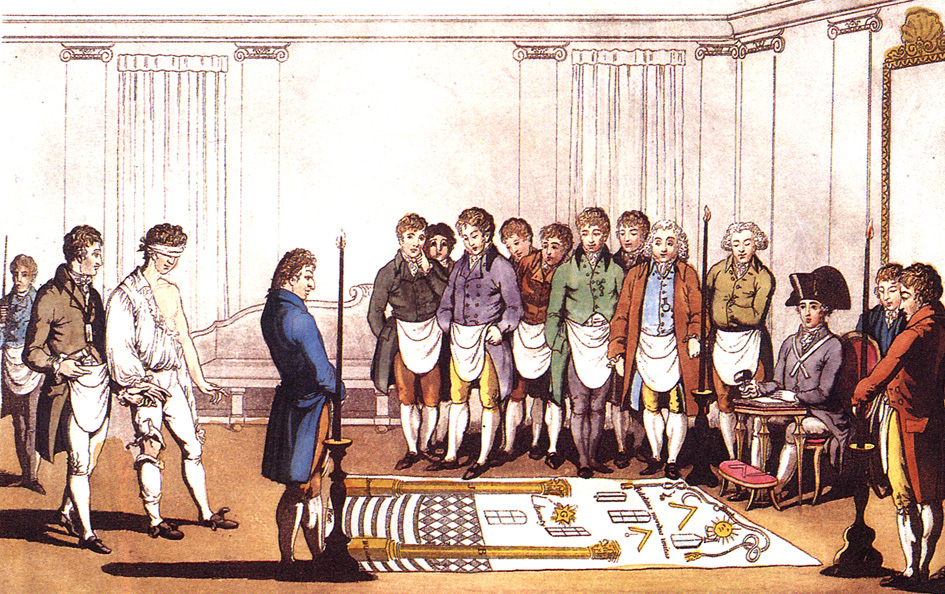
Baron von Knigge's genius was grafting the Illuminati onto existing Masonic lodges. Members would join lodges, rise to leadership, and recruit promising Masons into the Illuminati's inner circles. The lower Masonic degrees served as a screening mechanism — a secret society hidden inside a secret society.
The Myth
The reverse of the Great Seal — the pyramid and all-seeing eye — was designed by Charles Thomson and William Barton in 1782. Neither had any connection to the Illuminati. The motto Novus Ordo Seclorum comes from Virgil's Eclogues, not Weishaupt's writings. It was placed on the dollar bill in 1935, 150 years after the Illuminati's destruction.
Rise and Fall
The Founding
Weishaupt founds the Order of the Illuminati with five students at the University of Ingolstadt on May 1. He takes the code name Spartacus. The order's symbol is the Owl of Minerva.
Knigge Joins
Baron von Knigge brings his Masonic connections and organizational genius. He redesigns the degree system, grafting the Illuminati onto Freemasonry. Membership explodes from ~60 to ~2,500.
The Ban
Karl Theodor issues the first edict banning secret societies. Knigge resigns after clashing with Weishaupt. Defectors begin denouncing the order to the Bavarian government.
The Zwack Raid
Police raid Xavier von Zwack's home in Landshut. They seize the order's entire archive: correspondence, membership lists, cipher keys. The Bavarian government publishes everything.
The Conspiracy Is Born
Barruel and Robison independently publish books blaming the Illuminati for the French Revolution. The conspiracy theory that will outlive the order by centuries takes root.
Key Figures
Baron von Knigge
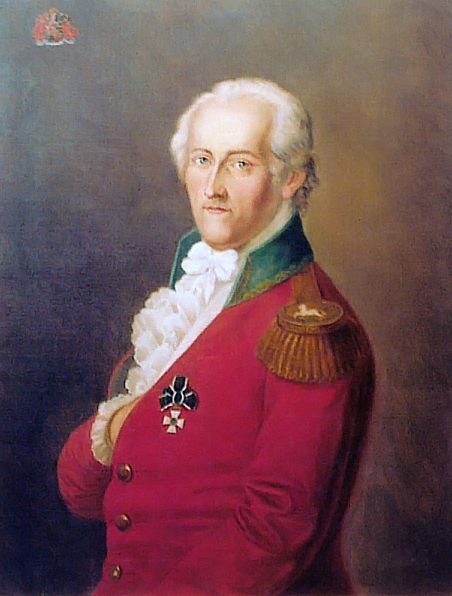
A minor nobleman and experienced Freemason who transformed the Illuminati from a small Bavarian club into a pan-German network. His Masonic infiltration strategy was the key to explosive growth — and his bitter clash with Weishaupt hastened the order's destruction.
Karl Theodor
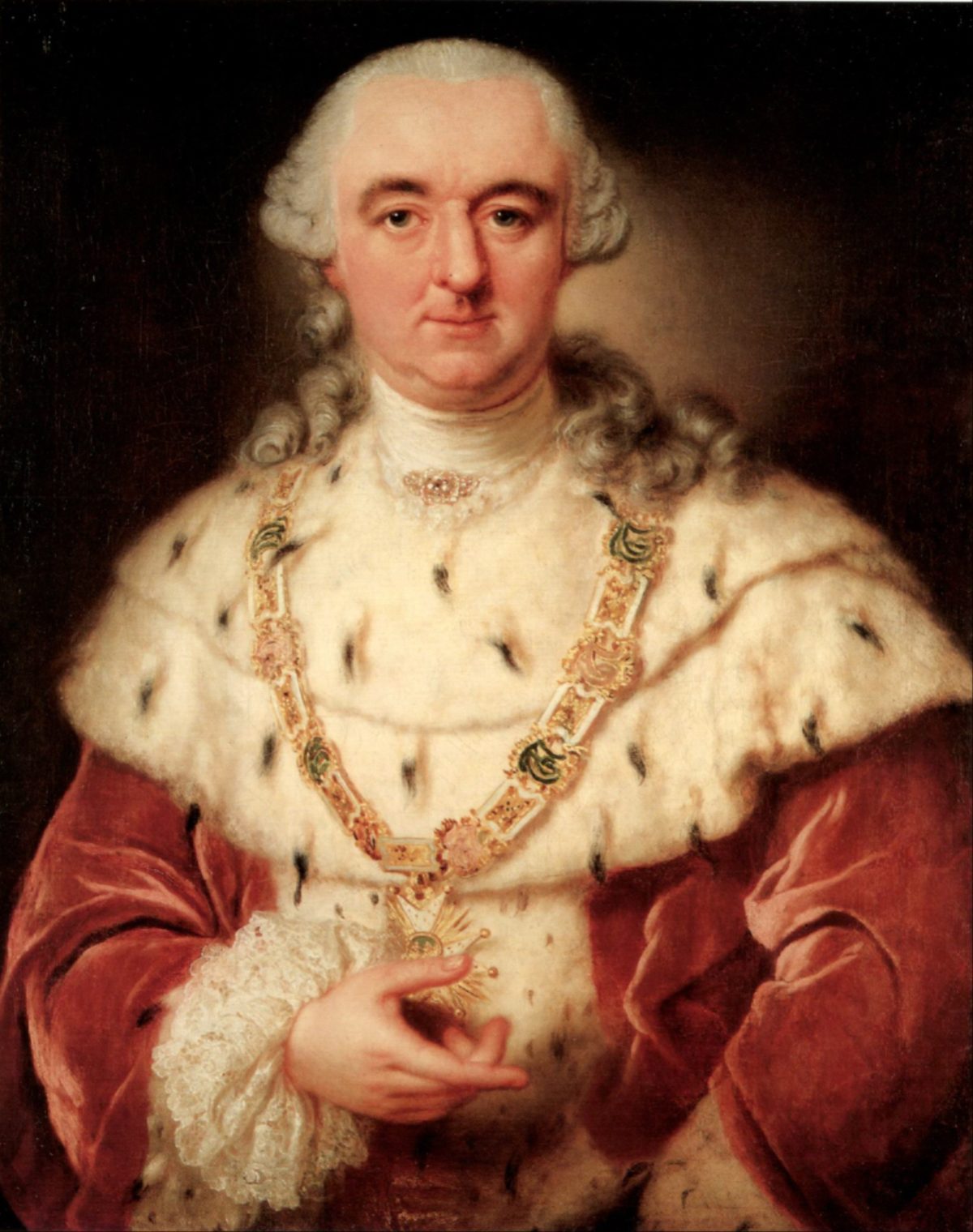
Elector of Bavaria from 1777. Influenced by Catholic conservatives at his court, he issued three escalating edicts against the Illuminati — the last threatening death for recruiting. His police raids destroyed the order and exposed its secrets to the world.
The Owl at Dusk
They lasted nine years. They had perhaps 2,500 members. They never overthrew a government, never caused a revolution, never survived their own suppression. And yet the Illuminati became the most famous secret society in human history.
The real story is more interesting than the conspiracy theory: it is a story about the Enlightenment's ambitions and limits, about the tension between secrecy and democracy, and about how the fear of hidden power is itself a form of power.
Get the Full Book
Eight chapters of narrative non-fiction. The complete story of the professor, the order, the suppression, and the myth that refused to die.