Hollywood Pirates
Were Pirates Really Like the Movies?
Everything you think you know about pirates is wrong. The accent was invented by a Cornish actor in 1950. The treasure map was invented by a Scottish novelist in 1883. The eye patch, the parrot, the walking the plank — all fiction. The real Golden Age of Piracy was stranger, more democratic, and more brutal than anything Hollywood has ever shown you.
The truth is better than the movie.
1883
Robert Louis Stevenson publishes Treasure Island and single-handedly invents the modern pirate: treasure maps, parrots, peg legs, "Yo-ho-ho and a bottle of rum." Nearly every pirate trope traces back to this one novel.
1 Vote
Every pirate had an equal vote. Captains were elected — and could be fired.
400+
Ships captured by Bartholomew Roberts — more than any pirate in history. He drank tea.
25–30%
Estimated percentage of Golden Age pirate crews who were Black, in an era of slavery.
Myths vs. Reality
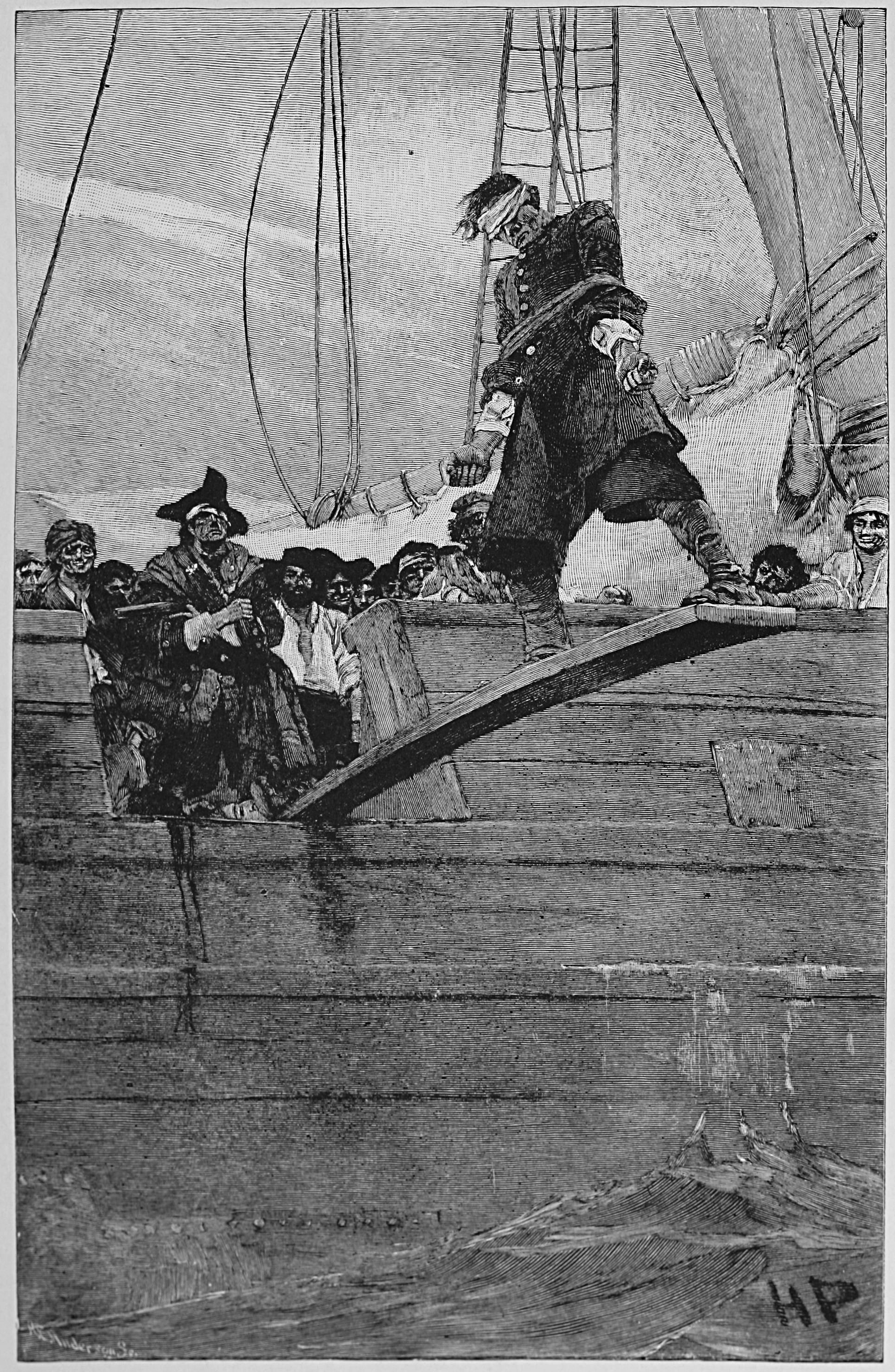
The Plank Is Fiction
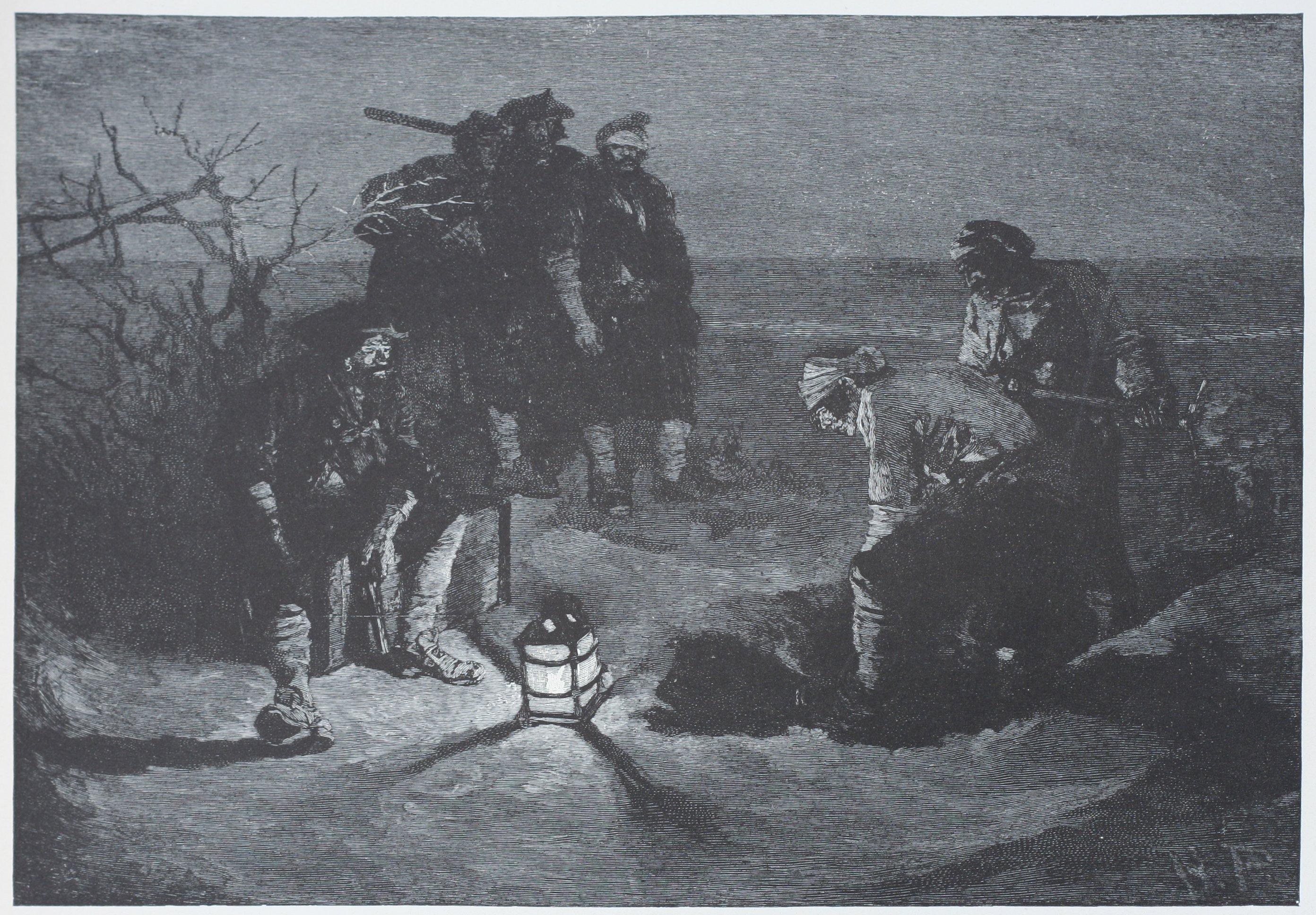
There is almost no historical evidence that pirates made captives walk the plank. This Howard Pyle illustration from 1887 helped create the myth. Most captives were released unharmed — dead hostages can't spread your reputation. Those who resisted were punished brutally, but planks had nothing to do with it.
X Never Marked the Spot
Pirates almost never buried treasure — they spent it immediately in taverns and brothels. Captain Kidd is the only documented case, and his "treasure" was a few bags buried on a Long Island sheep farm. No maps. No X. Stevenson made it all up.
Every Pirate Had His Own Flag
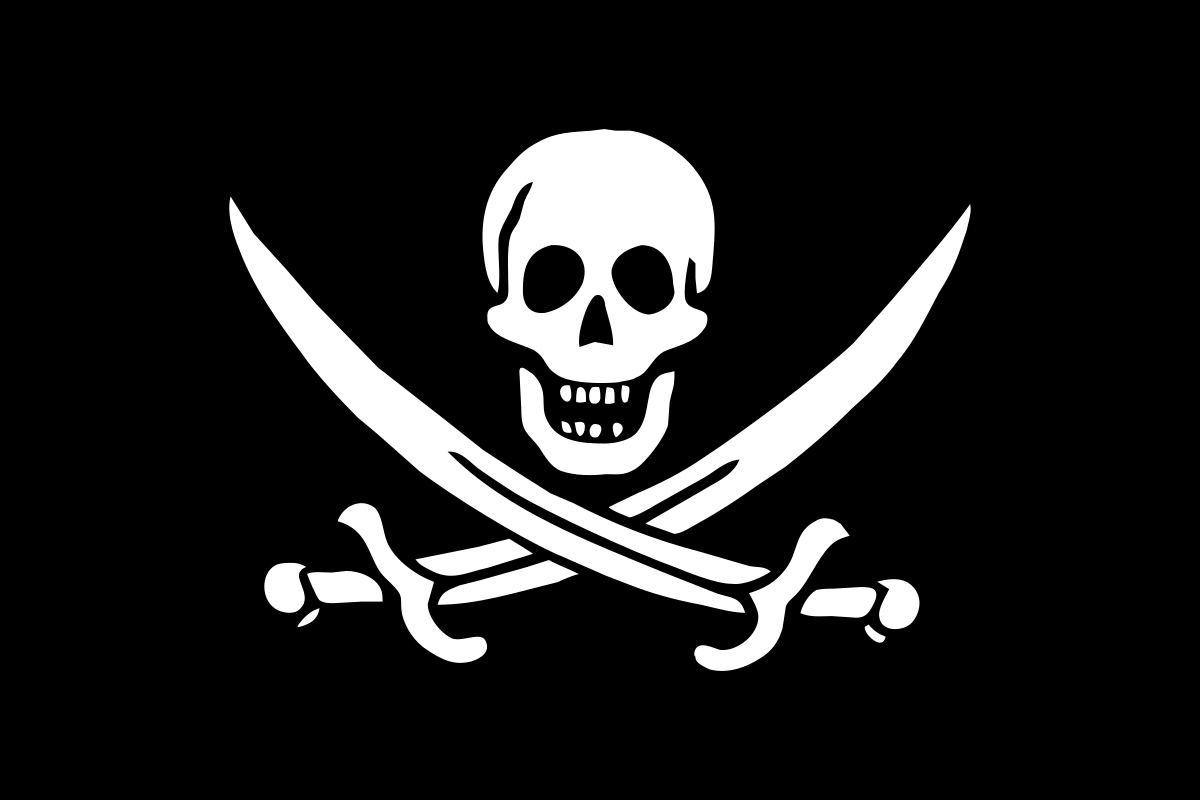
The standardised skull-and-crossbones is a Hollywood invention. Each captain designed a unique flag — Blackbeard's showed a skeleton spearing a bleeding heart. Some used hourglasses, skeletons, or bleeding hearts. The flag was branding — a terror weapon designed to make ships surrender without a fight.
The Golden Age
The Buccaneers
French and English hunters on Hispaniola, driven off the land by Spain, take to the sea. Henry Morgan sacks Panama City with 1,400 men — and gets knighted for it.
The Pirate Republic
Nassau becomes a pirate city — 1,000 pirates governing themselves with democratic constitutions, elected captains, and disability insurance decades before any government offered the same.
Blackbeard's Blockade
Edward Teach blockades Charleston, South Carolina, for a week. His demand? Not gold — a chest of medicine. He is killed months later, sustaining 5 gunshot wounds and 20+ sword cuts.
The King's Pardon
Woodes Rogers arrives in Nassau with a royal pardon. Hundreds of pirates surrender. The republic collapses. The age that Hollywood would immortalise was already dying.
Treasure Island
Robert Louis Stevenson publishes the novel that invents the modern pirate myth. Treasure maps, parrots, peg legs, "Yo-ho-ho" — every trope traces back here. Hollywood has been adapting it ever since.
Key Figures
Blackbeard
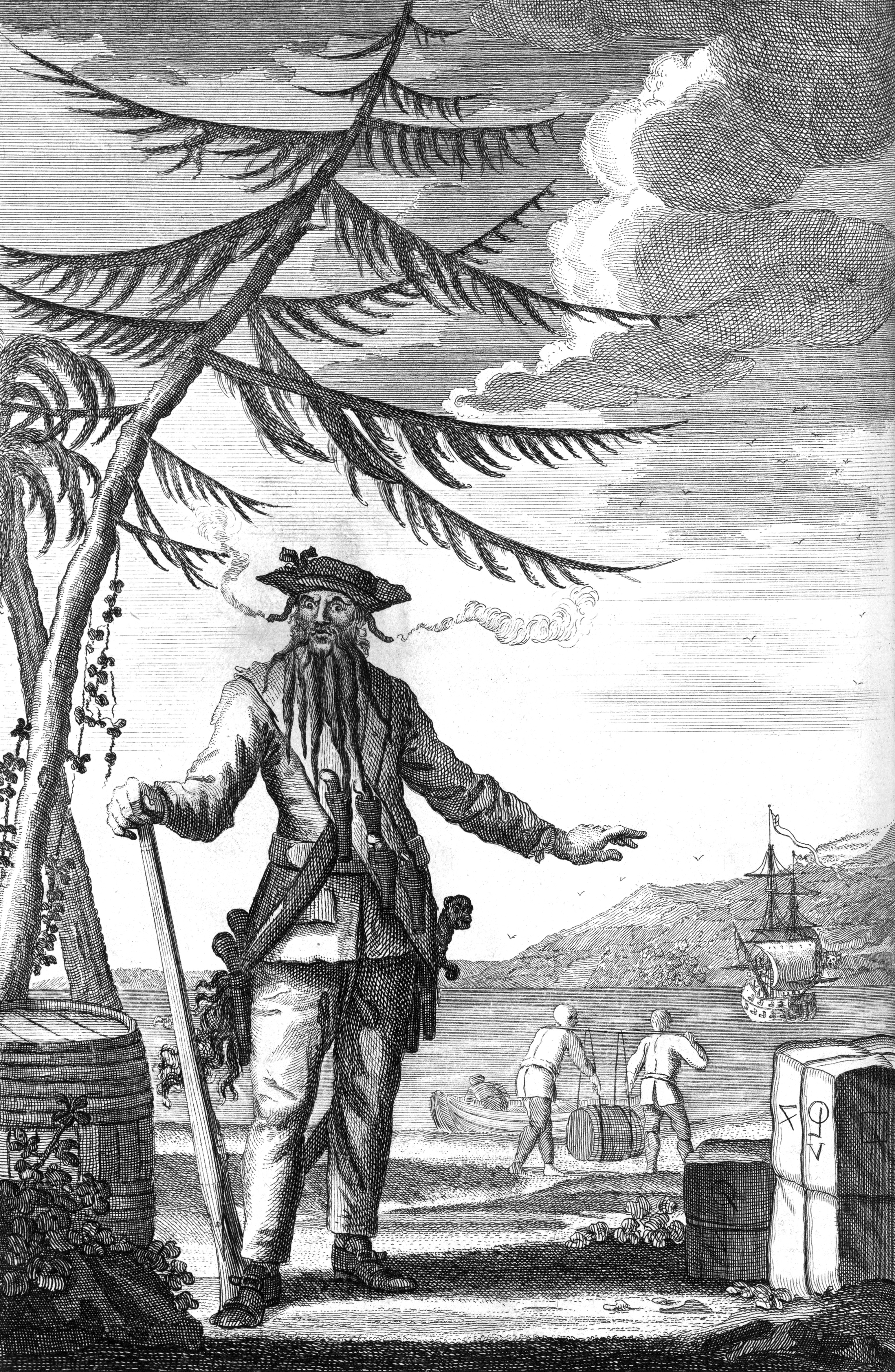
Edward Teach tucked lit fuses in his hat so his head wreathed in smoke. Despite his terrifying image, there is no verified account of him killing anyone before his final battle. His weapon was fear, not violence.
Bartholomew Roberts
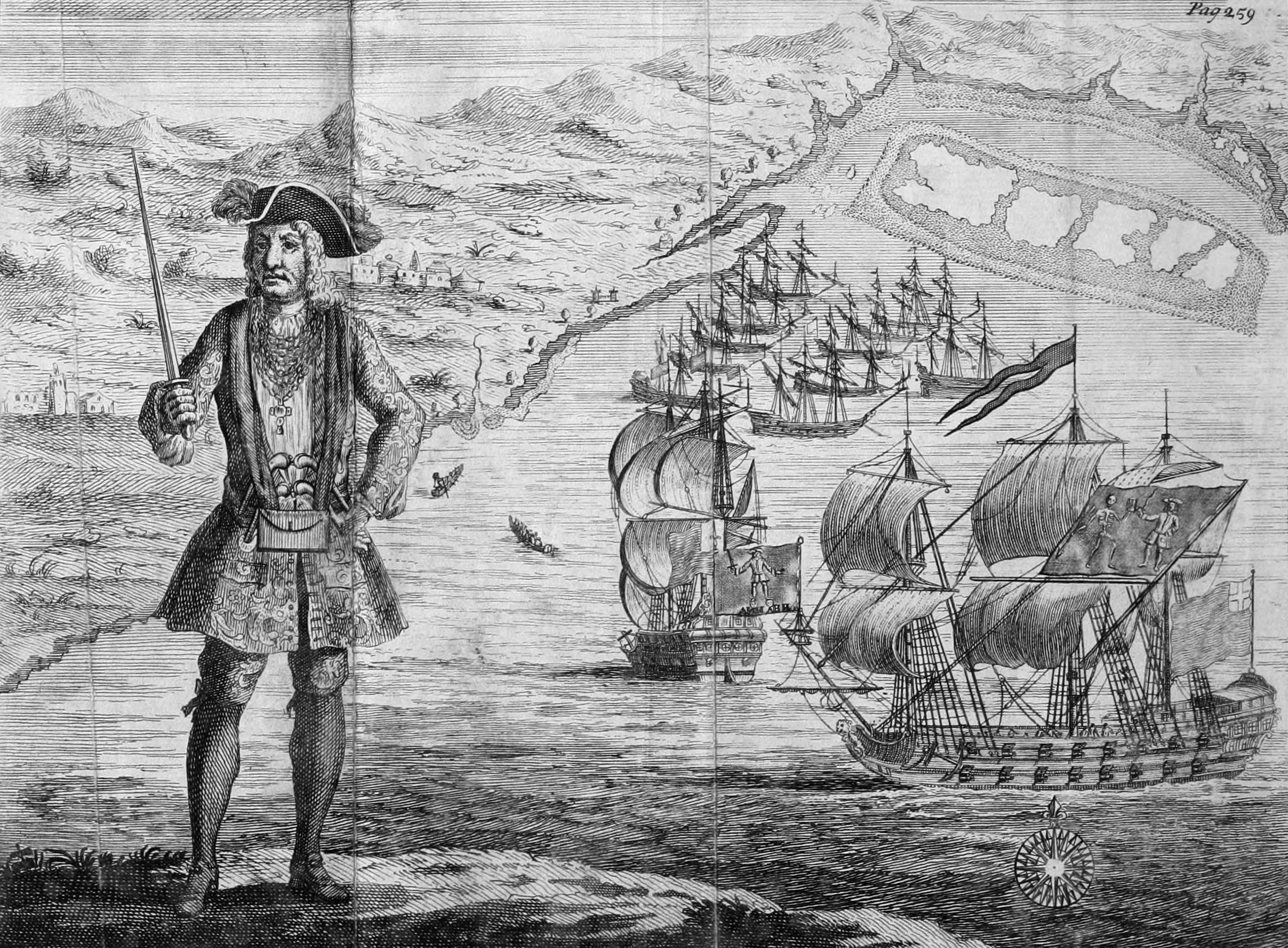
Captured 400+ ships in three years — more than any pirate in history. Drank tea, not rum. Dressed in crimson damask. Banned gambling. Hollywood has never made a film about him.
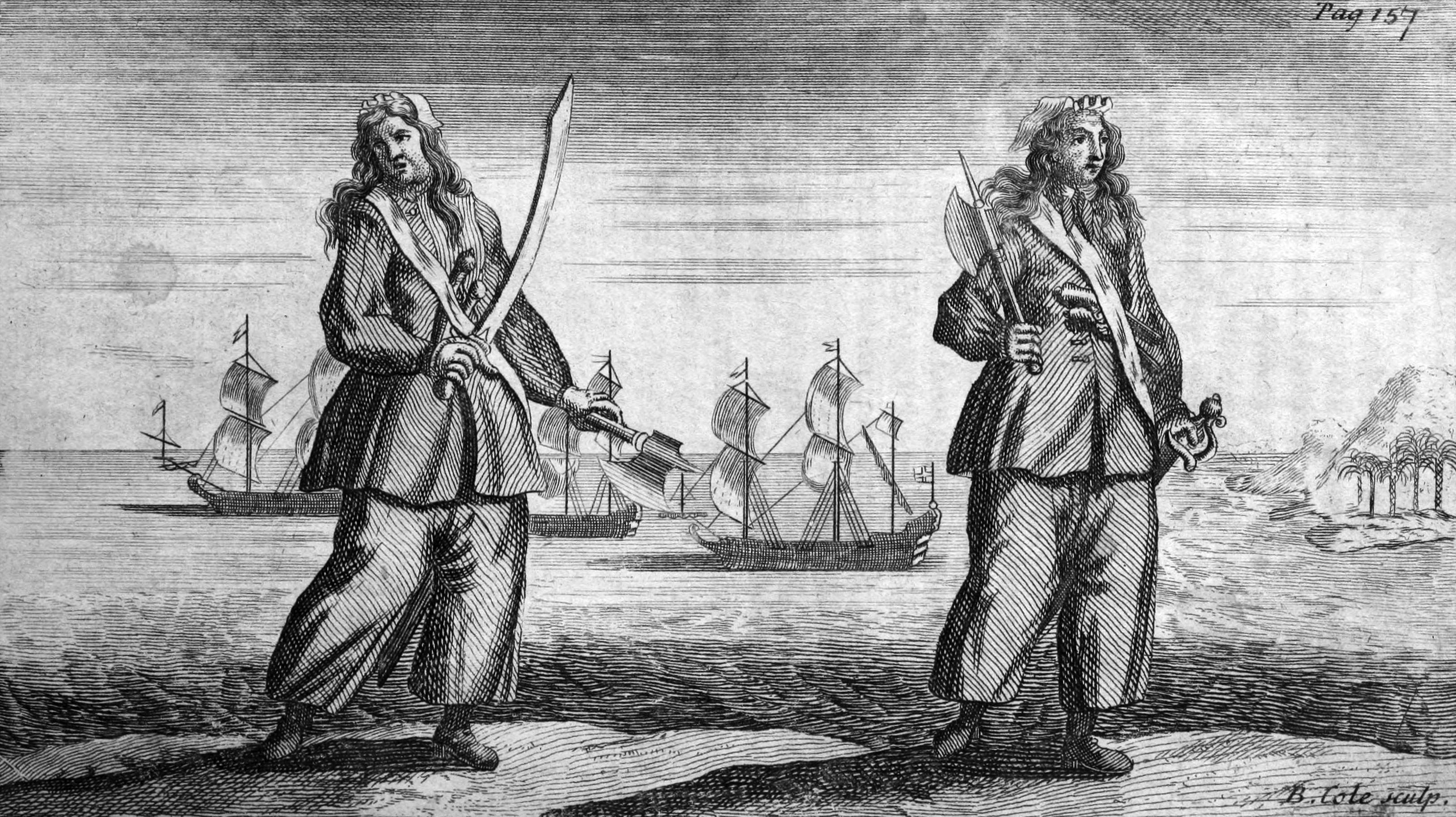
The Real Story Is Better
Anne Bonny's last words to her captain, who was about to be hanged: "Had you fought like a man, you need not have been hanged like a dog."
The real Golden Age had democratic constitutions, disability insurance, diverse crews, and tea-drinking Welsh navigators who captured 400 ships. The truth is stranger than any movie.
Get the Full Book
Eight chapters of myths debunked. From the invention of "Arrr" to the death of Blackbeard.