The Hitler Diaries
The Forgery That Fooled the World
In April 1983, Stern magazine announced the discovery of Adolf Hitler's secret diaries — sixty-two handwritten volumes, smuggled out of East Germany. The world's media went into a frenzy. Within eleven days, forensic analysis revealed them as crude forgeries. The paper was wrong. The ink was wrong. Even the initials on the cover were wrong.
It took a Stuttgart con man, a Nazi-obsessed journalist, and 9.3 million Deutsche Marks to produce the greatest media hoax of the twentieth century.
62
Handwritten volumes produced by Konrad Kujau between 1978 and 1983, covering the period from 1932 to 1945. He wrote them while watching television, copying facts from published reference books.
200K
Deutsche Marks per diary volume. Stern paid without forensic testing.
~2M
DM skimmed by journalist Gerd Heidemann from the diary payments.
11
Days from triumphant press conference to total forensic demolition by the German Federal Archives.
The Evidence
Circular Authentication
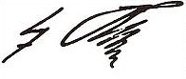
Kujau had been forging Hitler documents for years. His fakes entered the collector market and were used as "authenticated" comparison specimens. When Stern's handwriting experts checked the diaries against "known" Hitler writing, they were comparing forgeries against forgeries — a closed loop of deception.
DETECTED
Blankophor
The paper contained blankophor — an optical brightening agent not manufactured until after World War II. The ink was modern. The binding thread was polyester. Under UV light, the paper fluoresced like a neon sign. Every material was wrong. A single afternoon in a lab would have killed the fraud at any point during the three years Stern was paying.
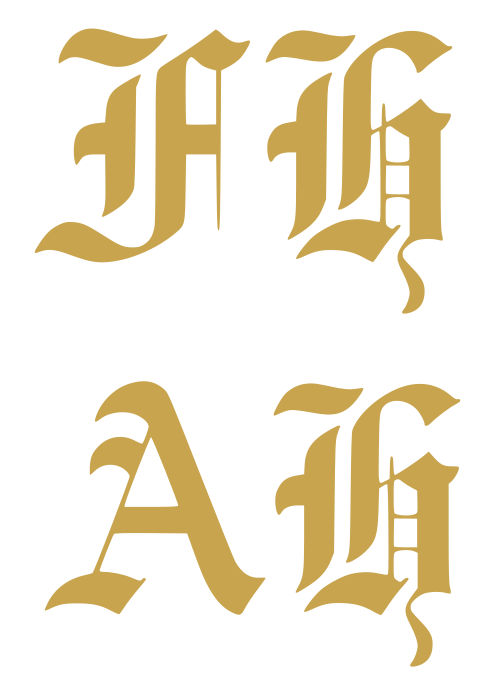
"FH" Not "AH"
The Gothic initials on every diary cover were supposed to read "AH" for Adolf Hitler. But Kujau chose a typeface where the letters F and A look nearly identical — and stamped "FH" on all sixty-two volumes. Nobody at Stern, and not even the Oxford historian who authenticated them, noticed the error.
Eleven Days
The Forgery Begins
Kujau starts writing the diaries in Stuttgart, using modern notebooks aged with tea, wax seals, and physical distressing. He copies content from published histories of the Third Reich.
Heidemann Takes the Bait
Stern reporter Gerd Heidemann sees a diary volume at a collector's home. He traces the source to Kujau and is told an elaborate story about a wartime plane crash near Dresden.
9.3 Million Marks
Stern pays for the diaries in secret instalments over three years. No forensic analysis is conducted. No outside historians are consulted. Heidemann embezzles millions from the payments.
Publication
Hugh Trevor-Roper authenticates the diaries in a Swiss bank vault. The Sunday Times, Newsweek, and Paris Match purchase serialisation rights. Stern holds a triumphant press conference.
Total Collapse
The Bundesarchiv declares the diaries "grotesque and superficial forgeries." Paper, ink, thread — all postwar. Kujau and Heidemann are arrested. Stern's editors are fired. Trevor-Roper's reputation is destroyed.
Key Figures
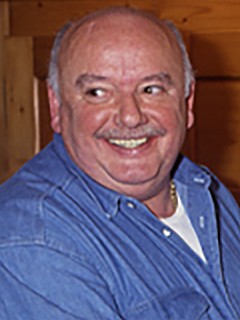
Konrad Kujau
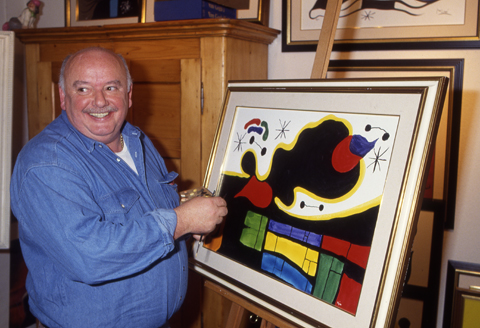
A Stuttgart memorabilia dealer who had been forging Hitler documents for years. Charming, flamboyant, and constitutionally dishonest. He wrote 62 diary volumes while watching TV, aged them with tea, and sold them for millions. After prison, he became a celebrity artist selling acknowledged fakes.
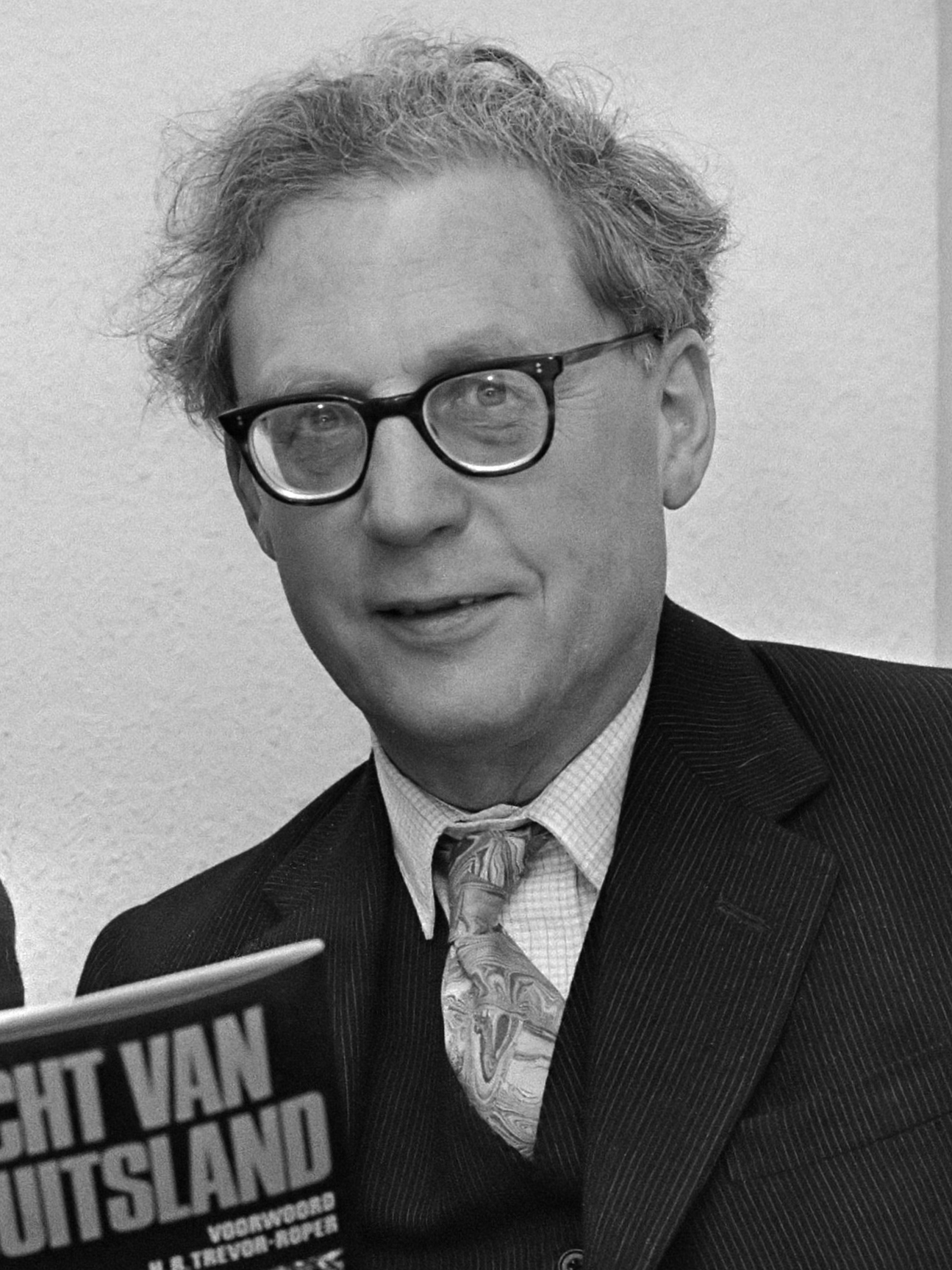
Hugh Trevor-Roper
Oxford's Regius Professor of History and author of The Last Days of Hitler. Flown to a Swiss bank vault under time pressure, he authenticated the diaries — then publicly reversed himself within days. The humiliation followed him to his grave.
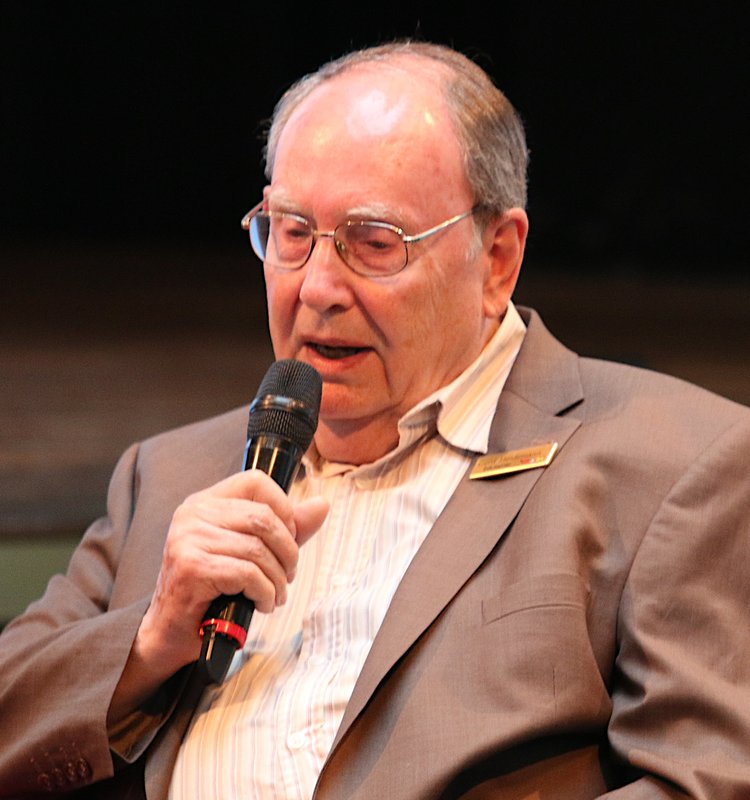
Gerd Heidemann
Stern's star reporter and a Nazi memorabilia obsessive who owned Hermann Göring's former yacht. He brokered the diary deal, convinced his editors to pay millions — and embezzled roughly two million Marks from the payments along the way. Sentenced to four years and eight months in prison.
The Desire to Believe
The Hitler Diaries were not a sophisticated forgery. The paper was wrong. The ink was wrong. The initials on the cover read "FH" instead of "AH." A single lab test at any point during three years of payments would have killed the fraud instantly.
But nobody tested. Because nobody wanted to know.
Get the Full Book
The complete story of the forger, the journalist, the professor, and the greatest media hoax of the twentieth century.