
The Hinterkaifeck Murders
The Farm That Swallowed Six Souls
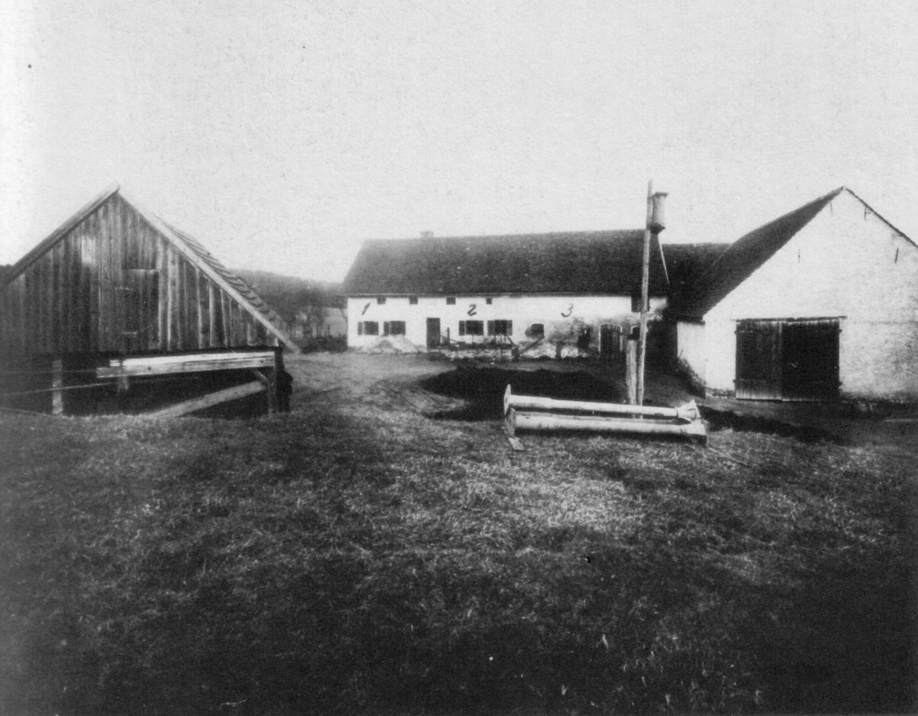
On March 31, 1922, six people were bludgeoned to death with a mattock on a remote Bavarian farmstead called Hinterkaifeck. Four were lured to the barn one by one. Two were killed in their beds. Then the killer did something no investigator could explain: he stayed for three days — feeding the livestock, lighting fires, eating from the kitchen.
Footprints had appeared in the snow days earlier, leading to the farm but not away. Over a century later, nobody knows who killed the Gruber family — or why the killer lingered among the dead.
6
Victims killed with a single mattock on one night. Four in the barn, two in the house. The youngest was two years old. A seven-year-old survived the initial attack and lay dying for hours beside her family.
3+
After the murders, someone remained at the farm — feeding animals, eating food, lighting fires. Neighbours saw chimney smoke and suspected nothing.
100+
Over a hundred men were interrogated. Multiple investigations spanned decades. No one was ever charged.
103+
Despite modern forensic attempts including DNA analysis in 2007, the case remains Germany's most infamous unsolved crime.
The Evidence
The Isolated Farm
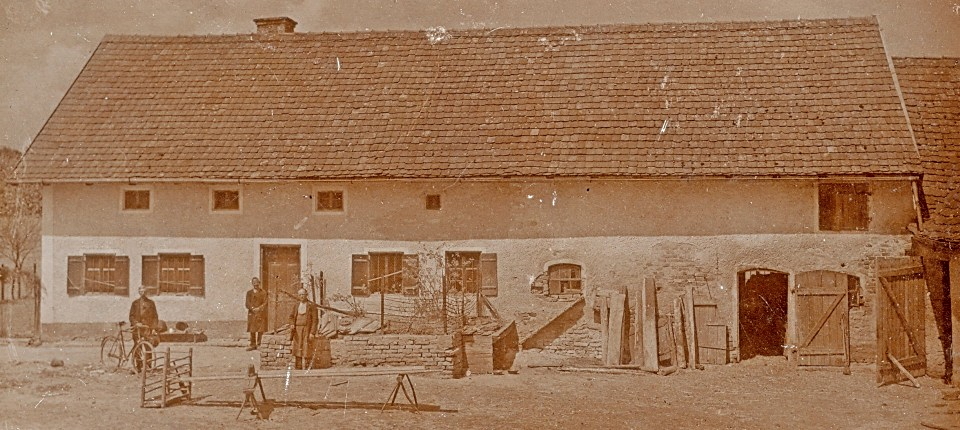
Hinterkaifeck sat hidden behind forest, a kilometre from the nearest hamlet. The single-storey complex — house, stable, and barn connected by a narrow passage — was the perfect killing ground. The passage meant victims could be lured one by one. The isolation meant no one would hear.
4 DEAD → 2 DEAD
One by One
The killer waited in the barn. Andreas came first, then his wife, then Viktoria, then seven-year-old Cäzilia — each lured through the narrow stable passage and struck down with the mattock. The bodies were stacked and covered with hay. Then the killer went to the house and killed the maid in her bed and the infant in his cot.
The Warning Signs
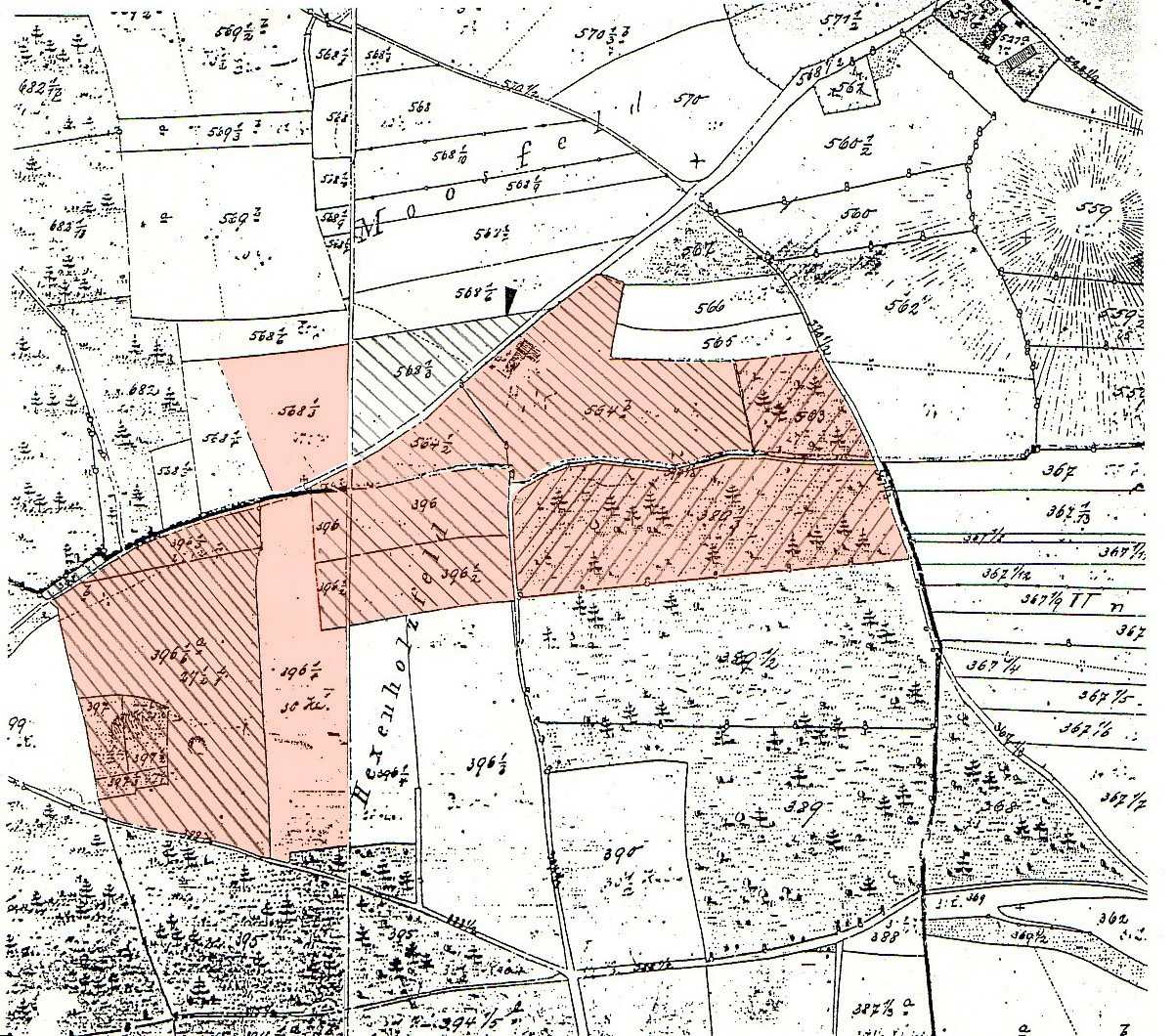
Days before the murders, Andreas found footprints in the snow leading from the forest to the farm — but none leading away. A Munich newspaper appeared from nowhere. A household key vanished. The previous maid had quit, claiming the house was haunted. Strange footsteps echoed from the empty attic. Someone had been watching.
The Final Days
Warning Signs
Footprints in the snow lead to the farm but not away. A strange newspaper appears. A key vanishes. The attic creaks with invisible footsteps. Someone is inside.
The Murders
New maid Maria Baumgartner arrives that afternoon. That evening, all six inhabitants are killed with a mattock. Four in the barn, two in the house. The youngest victim is two years old.
The Killer Stays
Someone remains at the farm for days. Animals are fed. Fires are lit. Smoke rises from the chimney. Neighbours see nothing unusual. Young Cäzilia misses school. The family misses church.
Discovery
Neighbour Lorenz Schlittenbauer discovers the bodies. By the time investigators arrive from Munich, dozens of people have trampled through the crime scene. The evidence is destroyed before it can be collected.
Cold Case Reopened
Police academy students analyse the case with modern techniques. They identify a suspect but refuse to name him. Their conclusion: the case will never be solved. The DNA is too degraded. The witnesses are all dead.
Key Elements
Hinterkaifeck
A secluded farmstead in Bavaria, hidden behind forest, connected to the world by a single dirt track. Built around 1863, demolished in 1923. The farm where six people were murdered — and where the killer lived among the dead for three days.
Rural Bavaria
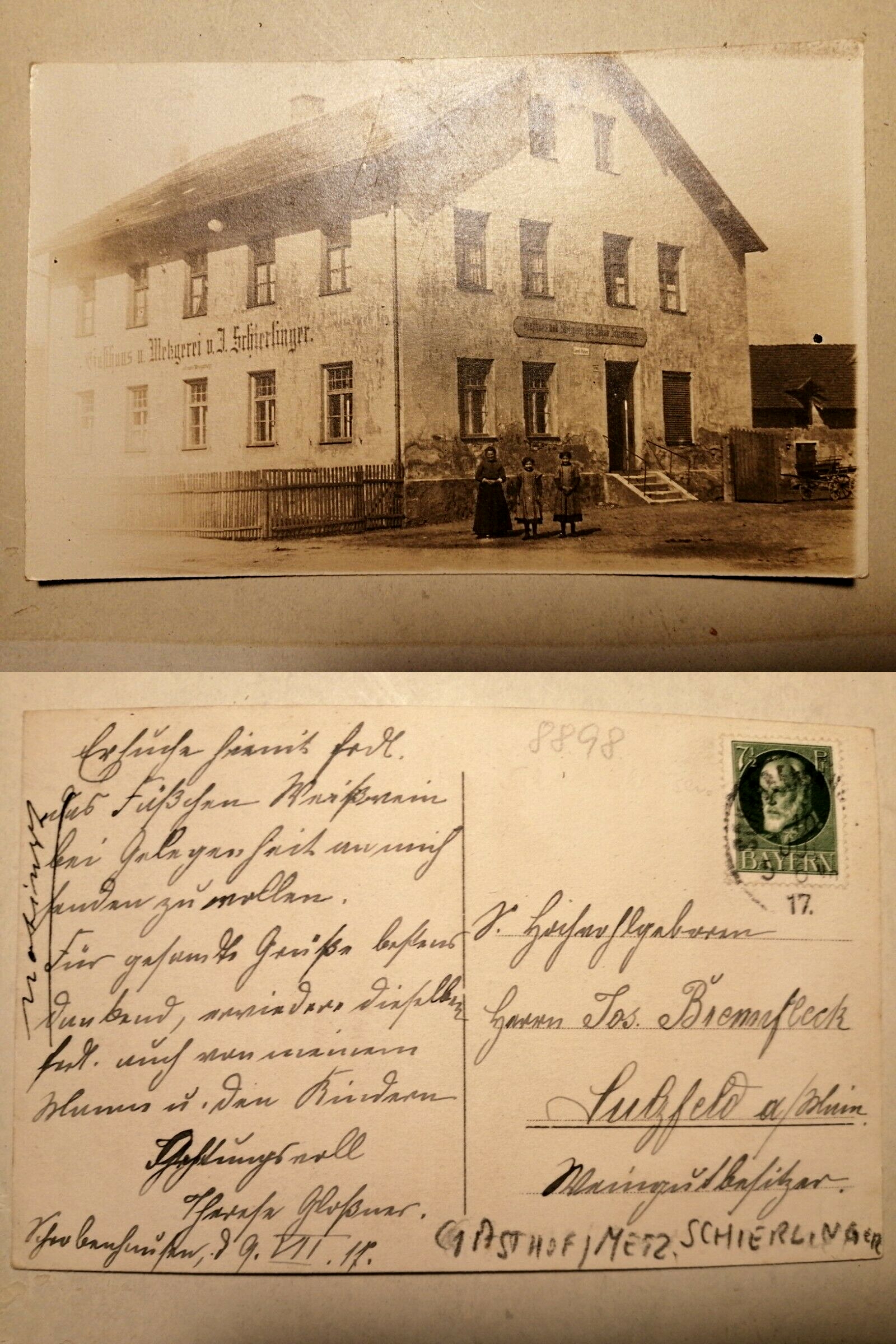
The Gruber family's incestuous secret was known throughout the neighbouring villages. Andreas had been convicted in 1915. Everyone knew. No one intervened. After the murders, over a hundred local men were questioned. Someone in this community was a killer.
Still Unanswered
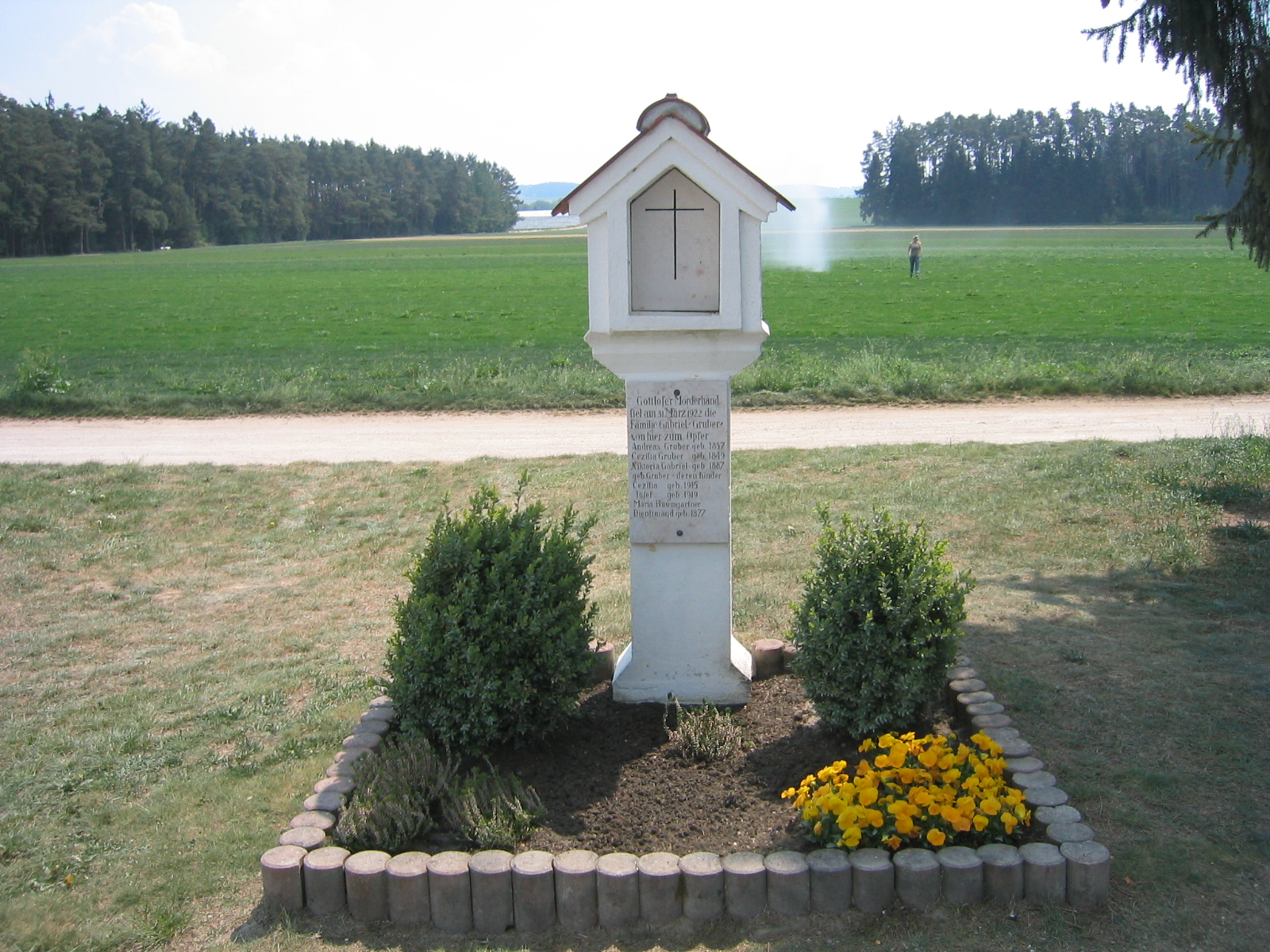
A traditional Bavarian Marterl marks the site where the farm once stood. The inscription names all six victims. The headless bodies rest in Waidhofen cemetery — their skulls were sent to Munich for analysis and lost during World War II.
Still Unsolved
Over a century has passed since someone walked out of the forest, killed six people, and vanished back into the Bavarian countryside. The farm is gone. The suspects are dead. The skulls are lost. The truth is buried.
But the silence of Hinterkaifeck endures — and so does the question: who stayed?
Get the Full Book
The complete story of the footprints in the snow, the killer who stayed, and Germany's most infamous unsolved crime.