The Hessdalen Lights
The Valley That Glows in the Dark
On a December evening in 1981, a Norwegian farmer and his wife watched a burning fireball drift silently above their valley. Within weeks, the entire community of 150 people was seeing lights — fifteen to twenty sightings per week. Glowing spheres that hovered, split, merged, and accelerated to speeds no aircraft could match. Forty years later, an automated station still watches the sky. The lights still come. And no one can explain why.
Radar speeds of 30,000 km/h. Radiant power up to 100 kilowatts. A laser interaction that science cannot account for.
1981
The modern wave began in December 1981, though residents reported unusual lights as far back as the 1930s. At its peak, 15-20 sightings per week were recorded across the 15 km valley.
30,000 km/h
The highest velocity measured during the 1984 field campaign — more than 12 times faster than any aircraft on Earth. Silent. No sonic boom.
100 kW
Measured luminous output — more than 50 times brighter than a helicopter searchlight, sustained without any visible energy source.
8/9
Times a hovering light changed its flash pattern in response to a laser beam — switching from single to double flash, then reverting when the beam moved away.
The Evidence
The Valley
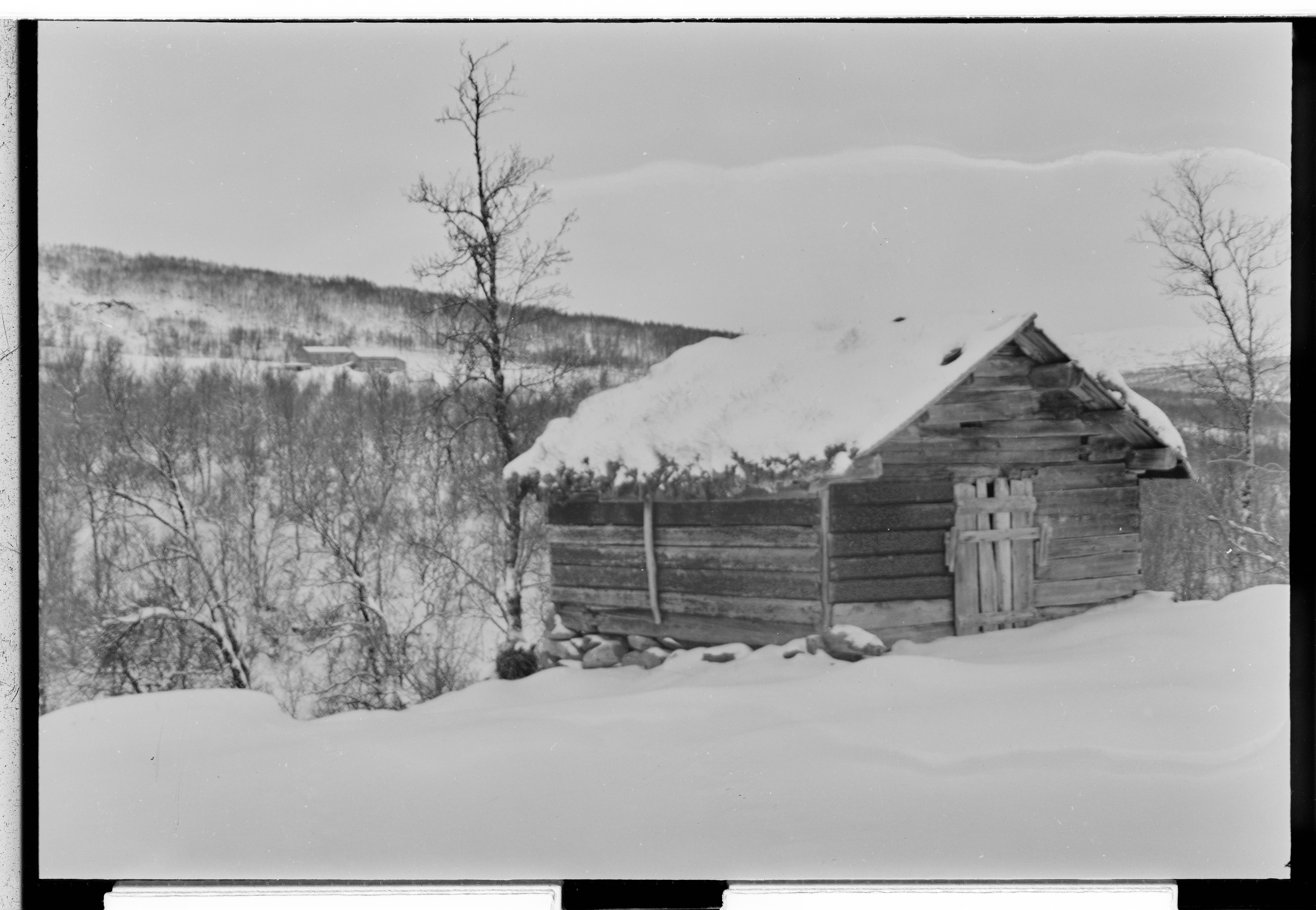

A 15 km valley in central Norway, population ~150, split by the river Hesja. West side: zinc and iron-rich rocks. East side: copper-rich rocks. Old flooded sulfur mines leach acid into the river. The geology is unlike anywhere else on Earth — and so are the lights.
The Investigation
In January 1984, Erling Strand led a five-week field campaign with borrowed equipment and volunteer labor. They recorded 53 light observations, 30 radar echoes, and the extraordinary laser interaction experiment — the first scientific evidence that the lights respond to external stimulation.
The Theory
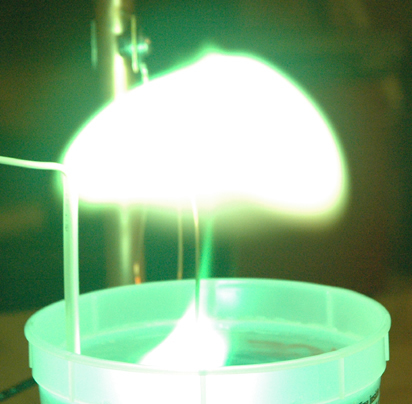
Italian engineer Jader Monari discovered that the valley functions as a giant natural battery: zinc on one side, copper on the other, the sulfur-laden river as electrolyte. He built a working model from actual valley rocks — and it generated current. The energy to power the lights may come from the earth itself.
Four Decades of Mystery
The First Modern Sighting
Aage and Ruth Marry Moe see "a burning fireball" above the valley. Within weeks, the entire community is reporting 15-20 sightings per week.
The Field Campaign
Erling Strand's team records 53 observations, 30 radar echoes, and the laser interaction effect during five weeks in the deep Norwegian winter.
The Blue Box
An automated measurement station begins continuous surveillance of the valley — cameras, magnetometers, and sensors watching the sky 24/7.
The Italian Connection
Massimo Teodorani publishes his seminal paper — measuring radiant power up to 19 kW, detecting elevated radioactivity, and identifying scandium in the light spectrum.
Beneath the Surface
A VLF electromagnetic survey reveals conductive sulfide zones and a 6x12 km elliptical gabbro intrusion beneath the valley — the geological engine that may power the lights.
Key Figures
Erling Strand
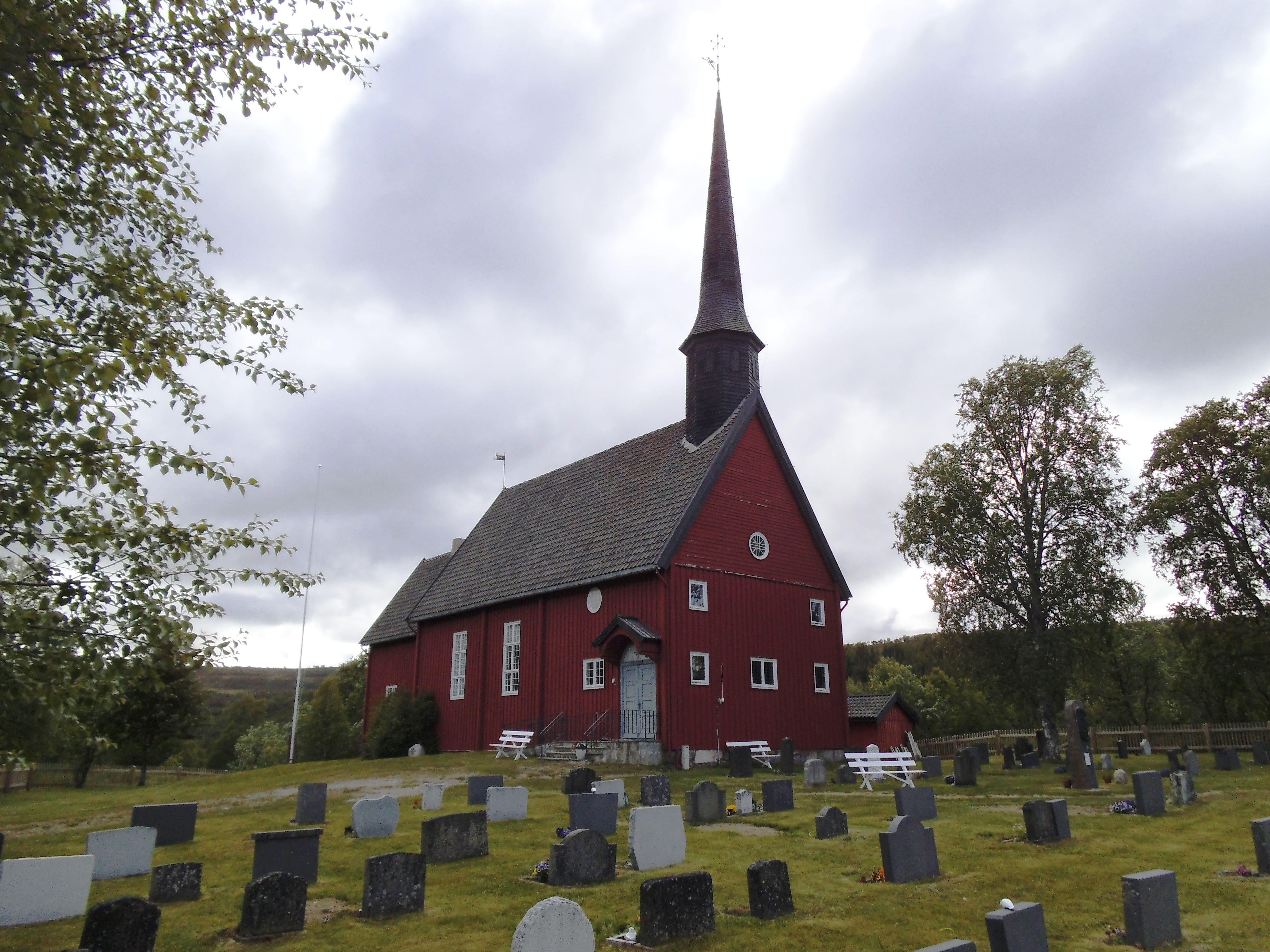
Electrical engineer who founded Project Hessdalen in 1983 after witnessing the lights himself. He spent 40 years leading the scientific investigation — never claiming more than the data supported, never retreating from what it showed.
Massimo Teodorani
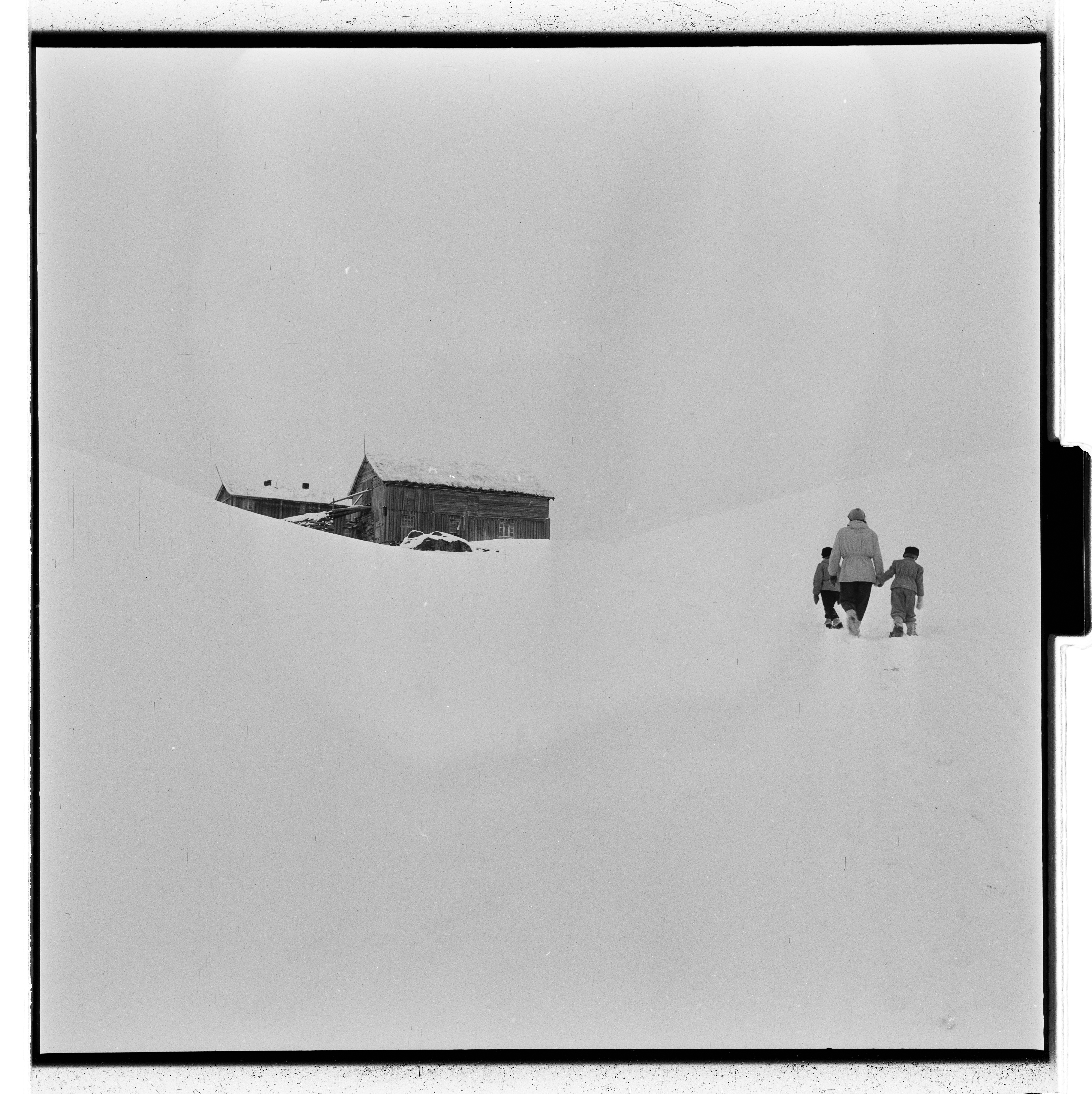
Italian astrophysicist who led the EMBLA missions (2000-2002) and published the most-cited paper on the phenomenon. His measurements transformed the lights from anomaly to research program.
The Valley Still Glows
After four decades of observation, multiple international research campaigns, and continuous automated monitoring, the Hessdalen Lights remain the most thoroughly documented unexplained atmospheric phenomenon on Earth.
The Blue Box still watches. The lights still come. And the valley keeps its secret.
Get the Full Book
The complete story of the mysterious lights, the scientists who chased them, and the ancient geology that may have created them.