The Hashshashin
The Order That Made Murder a Political Art
In 1090, a man disguised as a schoolteacher walked into an impregnable mountain fortress in Persia and took it without a single drop of blood. For the next 166 years, his followers would terrorise sultans, caliphs, and Crusader kings with a weapon no army could defend against: a single man with a dagger, willing to die.
They called themselves the fida'is — the self-sacrificers. Europe called them the Assassins. Their name became the word itself.
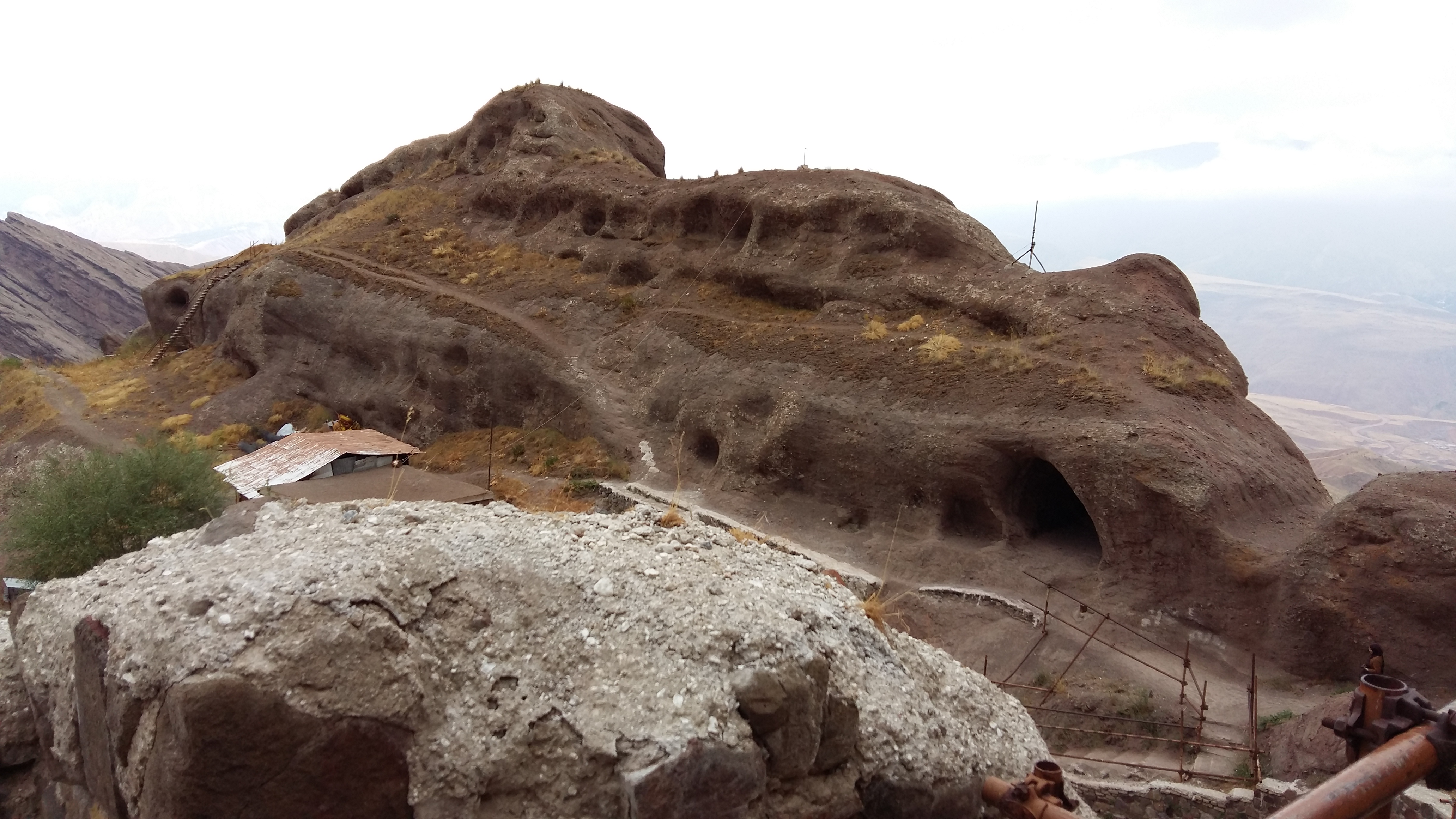
Alamut
The Eagle's Nest — a castle perched on a limestone ridge 180 metres above the valley floor. Seized without bloodshed in 1090. Held for 166 years. Never taken by force.
1 dagger
No armies. No sieges. One man, one blade, in public — to maximise terror.
50+ castles
Mountain fortresses across Persia and Syria. An invisible state within the Seljuk Empire.
A word
"Assassin" — from the Arabic Hashshashin. The word entered every European language.
The Evidence
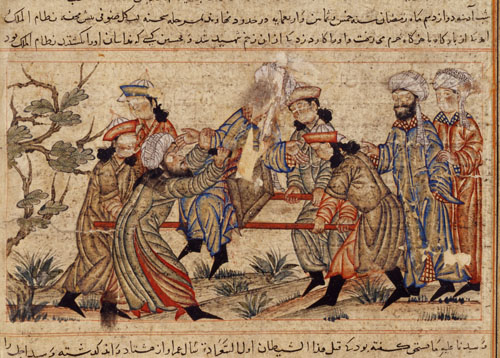
The Assassination of Nizam al-Mulk
On 14 October 1092, a lone man disguised as a Sufi petitioner approached the most powerful vizier in the Islamic world — and drove a dagger into his chest. The Seljuk Empire never recovered. It was the Order's first major political kill, and it announced a new kind of warfare.
The Myth That Endured
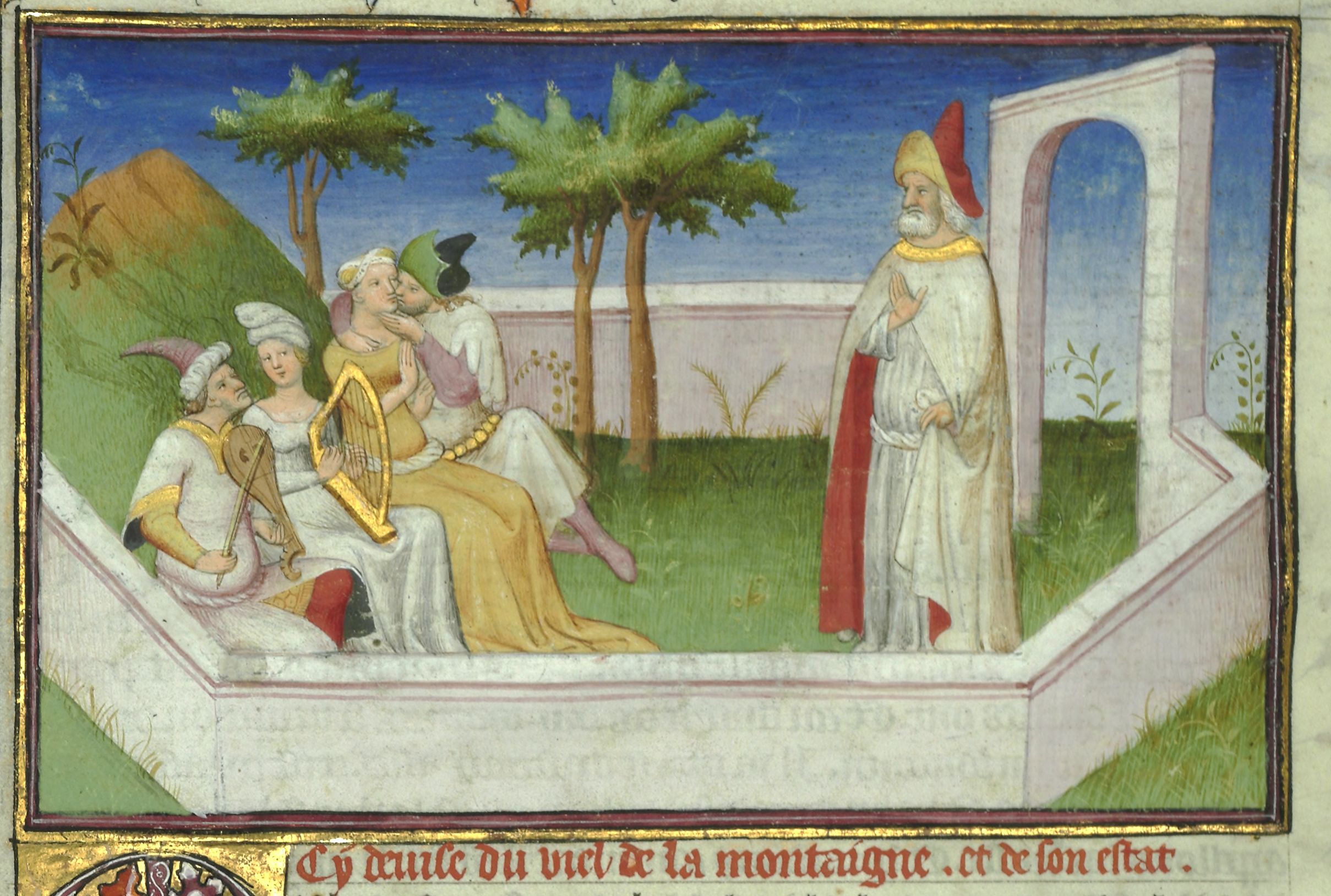
Marco Polo claimed the Old Man of the Mountain drugged young recruits with hashish, showed them a walled garden of earthly delights, and told them it was Paradise — theirs to return to, if they died in service. Modern historians dismiss the story, but it became one of the most enduring legends of the medieval world.
A State Within a State
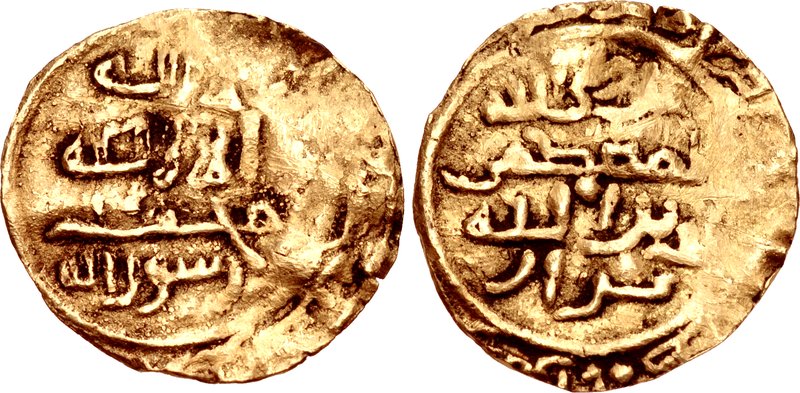
This gold coin, minted at Alamut, is one of the few surviving physical artefacts of the Nizari Ismaili state. The Hashshashin were not mere terrorists — they ran a functioning state with libraries, observatories, and diplomatic relations stretching from Persia to Egypt.
The Rise and Fall
The Eagle's Nest
Hassan-i Sabbah seizes Alamut Castle without bloodshed, paying the departing governor three thousand gold dinars. A schoolteacher has just founded a state.
The First Kill
A fida'i assassinates Nizam al-Mulk, the Seljuk vizier. Weeks later, Sultan Malik-Shah dies. The empire fragments. Hassan's strategy is vindicated.
The Dagger on the Pillow
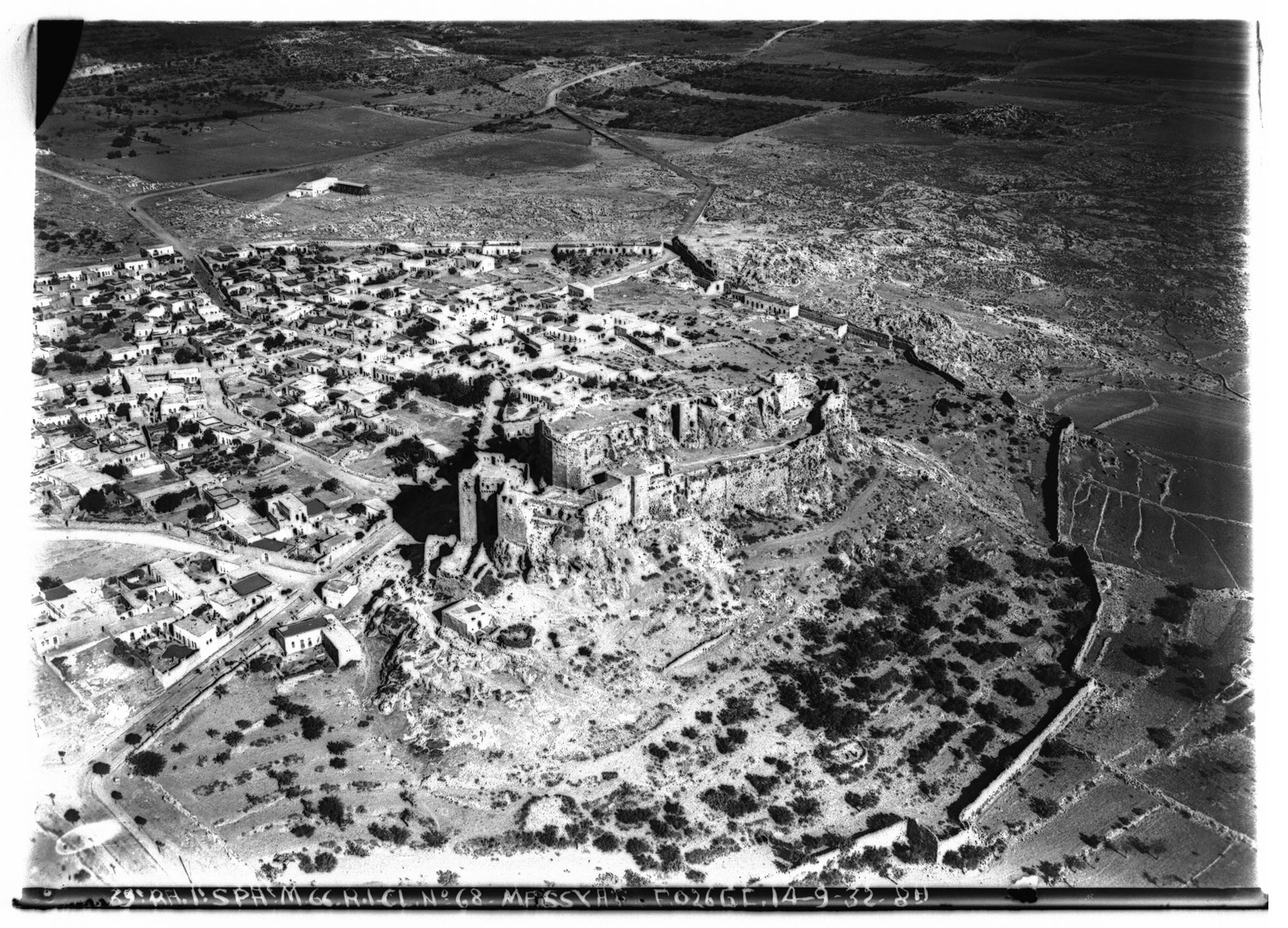
Two assassination attempts on Saladin. Legend says he wakes to find a poisoned dagger and a threatening note beside his head. He withdraws from Masyaf and leaves the Assassins alone.
The King of Jerusalem
Conrad of Montferrat is murdered in the streets of Tyre by two fida'is disguised as monks. Three powers are suspected. The truth remains unknown.
The Mongol Storm
Hulegu Khan's armies reach Alamut. The last lord surrenders. The Mongols destroy the castle and burn the famous library. After 166 years, the Eagle's Nest falls.
Key Figures
Hassan-i Sabbah
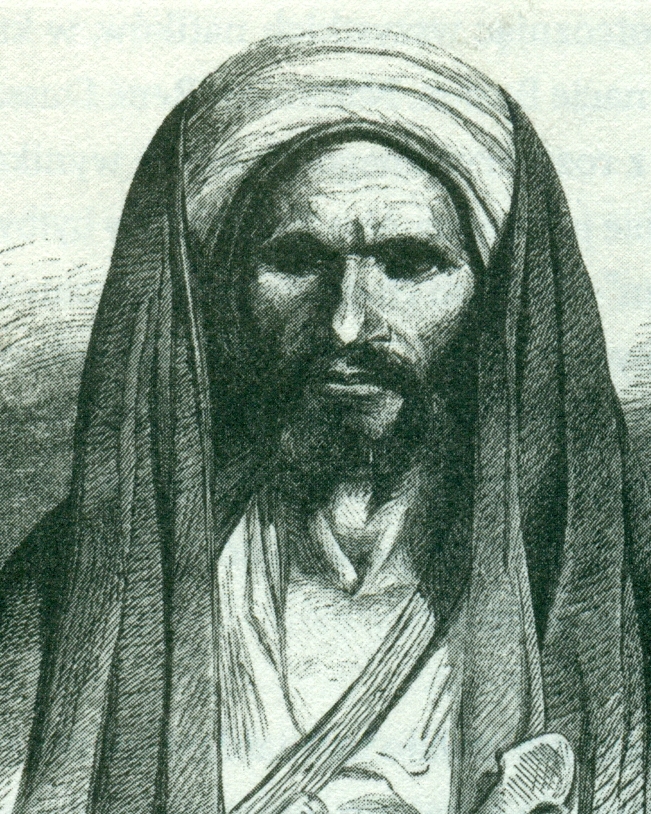
Born in Qom in the 1050s. Converted to Ismaili Shi'ism. Seized Alamut in 1090 and spent 34 years within its walls, building the most feared organisation in the medieval world. Never left his quarters except twice — to walk to the rooftop.
Rashid ad-Din Sinan
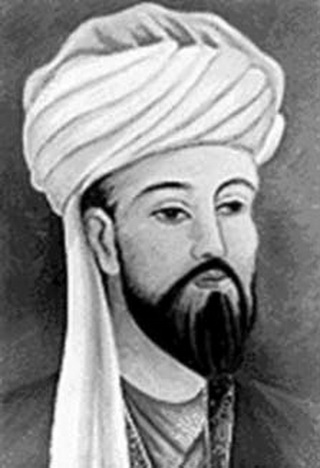
Led the Syrian Assassins from Masyaf Castle for three decades (1162-1193). Terrorised Crusaders and Muslims alike. His legend spread across Europe through the chronicles of returning knights. The Crusaders called him "the Old Man."
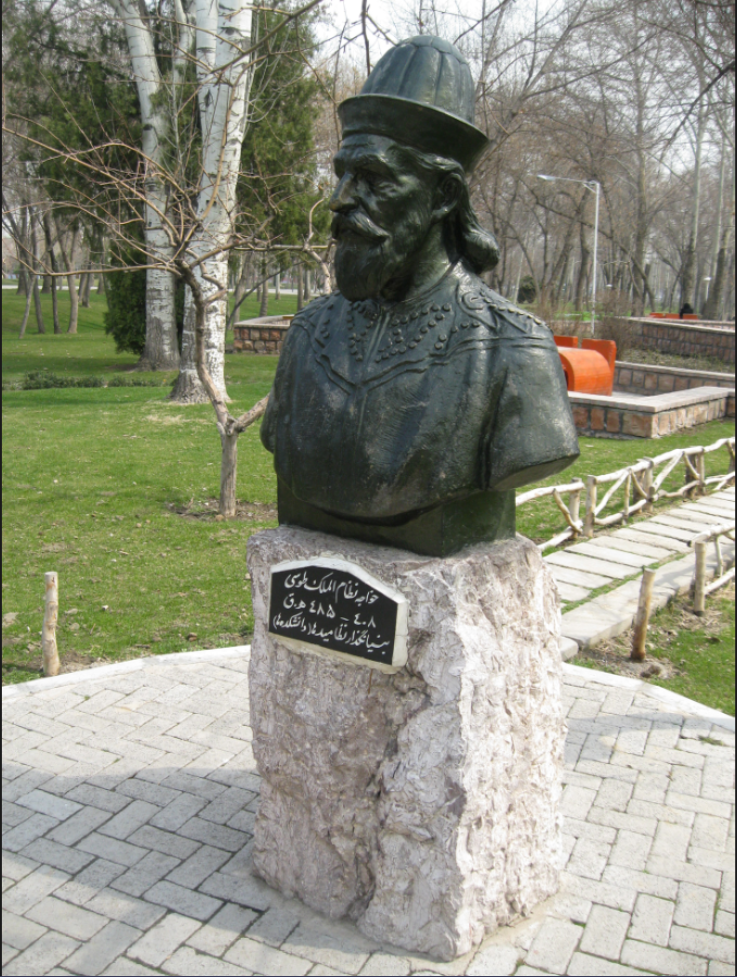
Nizam al-Mulk
The most powerful man in the Seljuk Empire. Author of the Siyasatnama, which devoted an entire chapter to the Ismaili threat. Assassinated on 14 October 1092 — the kill that announced the Order to the world.
The Word That Outlived the Order
The castles fell. The libraries burned. The Mongols erased the state that Hassan built. But the word survived — assassin — passing from Arabic into French, Italian, English, and every European tongue.
A schoolteacher's legacy, still alive in every headline, every thriller, every whispered fear of the single man with the dagger.
Get the Full Book
The complete story of the Order that terrorised the medieval world for 166 years — from the seizure of Alamut to the Mongol storm.