Han van Meegeren's
Vermeers
The Forger Who Fooled the Nazis
In November 1937, the world's greatest authority on Dutch Golden Age painting stood before an unknown canvas in Monaco and declared it the discovery of a lifetime. "Every inch a Vermeer," he wrote in The Burlington Magazine. It sold for half a million guilders and hung in a national museum for years as a treasured masterpiece.
The man who painted it mixed his pigments with Bakelite resin and baked the canvas in a kitchen oven. His name was Han van Meegeren. He was a failed artist, a drunk, and one of the most technically brilliant forgers in history.
Bakelite
Van Meegeren replaced linseed oil with phenol-formaldehyde resin — plastic, patented in 1909. Baked at 100°C, it hardened to the texture of a three-hundred-year-old original. The alcohol test, the standard check for forgeries, found nothing wrong.
13+
Paintings sold as Vermeer, de Hooch, and ter Borch. Total receipts exceeded seven million guilders.
1.65M
Guilders — paid in looted Dutch paintings taken from Jewish families.
1 yr
The crowd outside the courthouse cheered. He never served a day — dead within six weeks of the verdict.
The Evidence
The Perfect Forgery
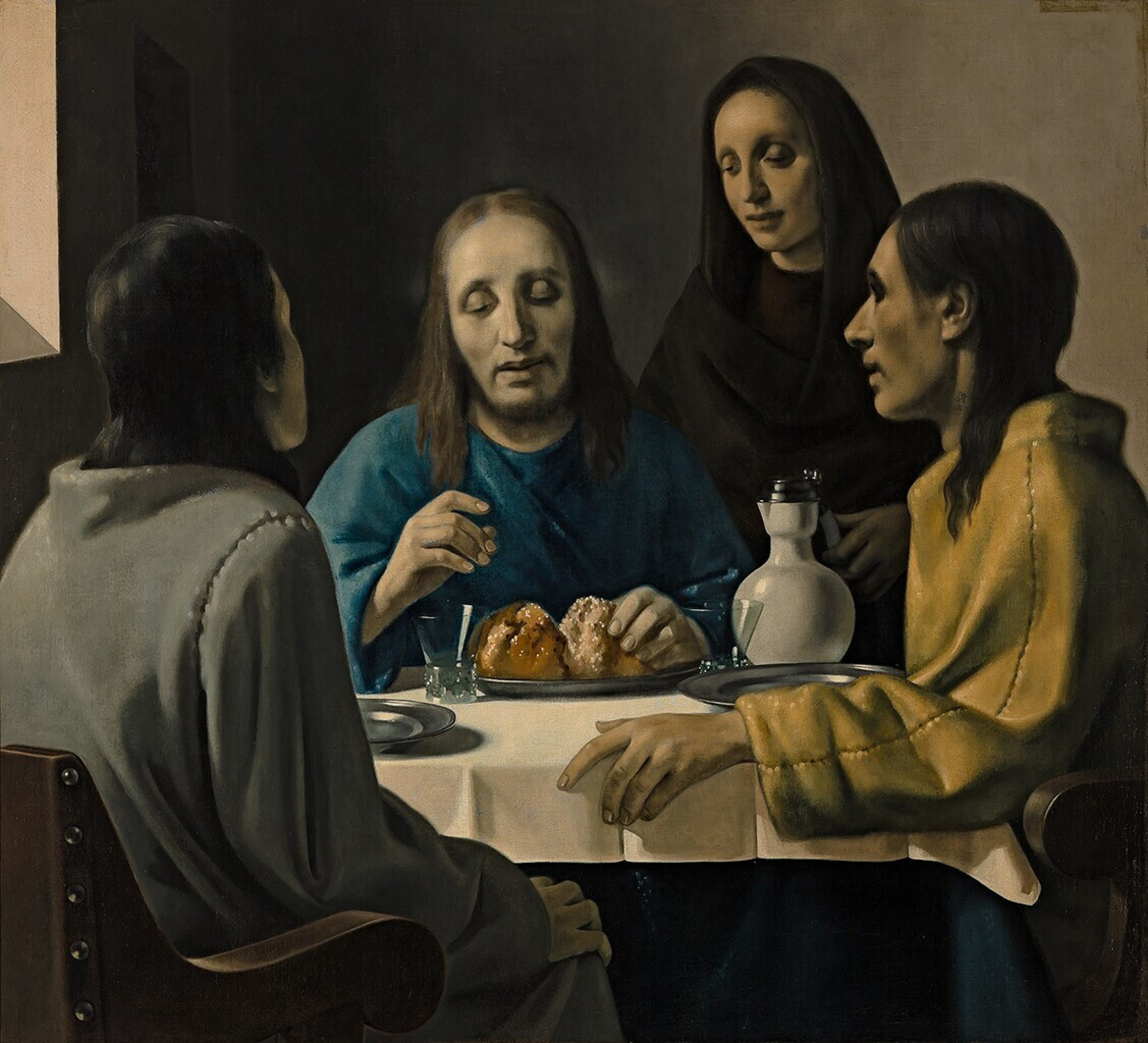
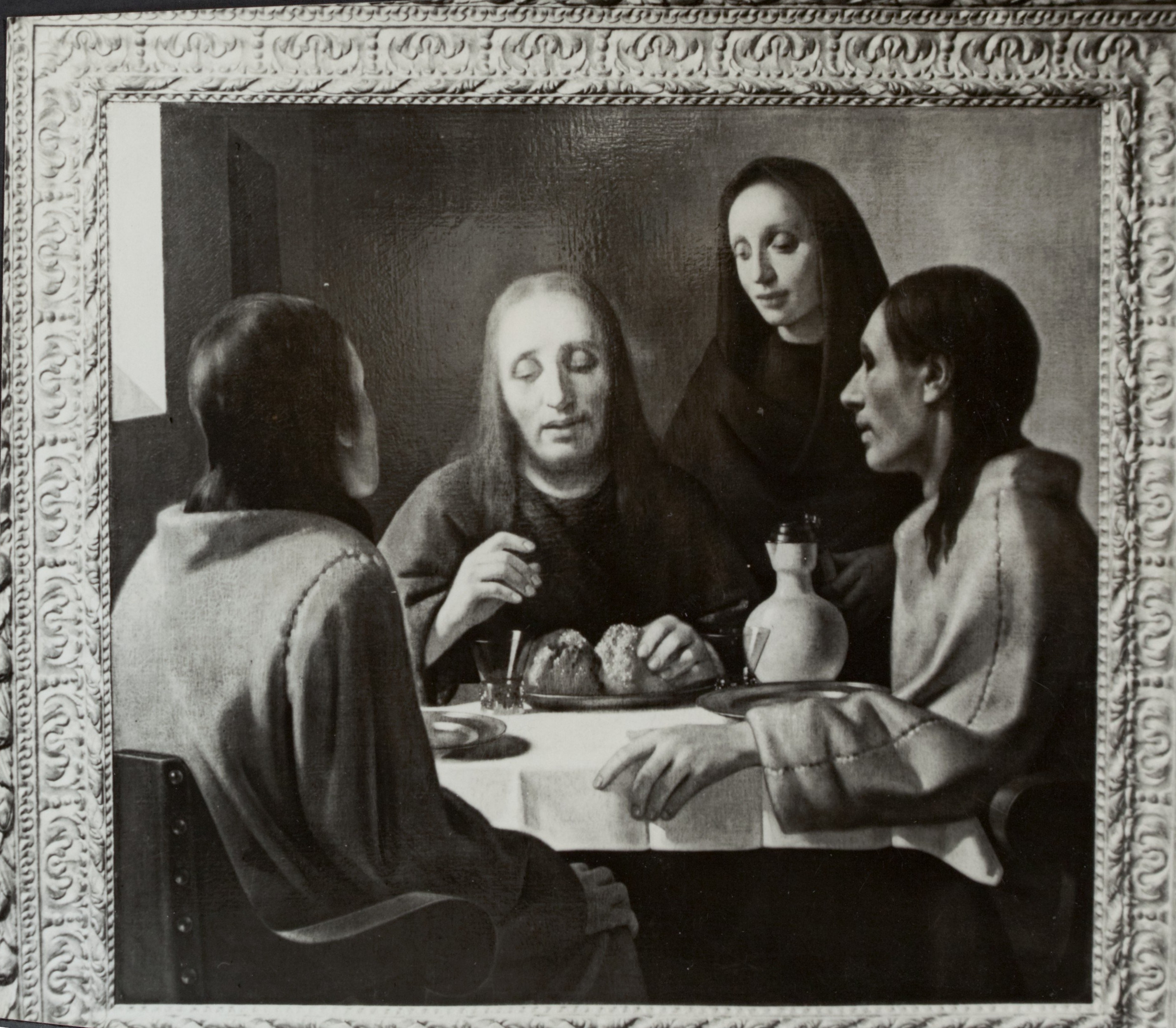
Van Meegeren spent four years in a French villa preparing a single canvas: The Supper at Emmaus. He used authentic seventeenth-century canvases (stripped of their original paintings), genuine lapis lazuli from London, and pigments ground from historical recipes. The craquelure — the crack network that indicates age — was not faked but transferred from the original canvas beneath, forced into the new paint during oven-baking. When Abraham Bredius examined it in 1937, every physical indicator confirmed what he most wanted to find.
Unable to Prove His Crime
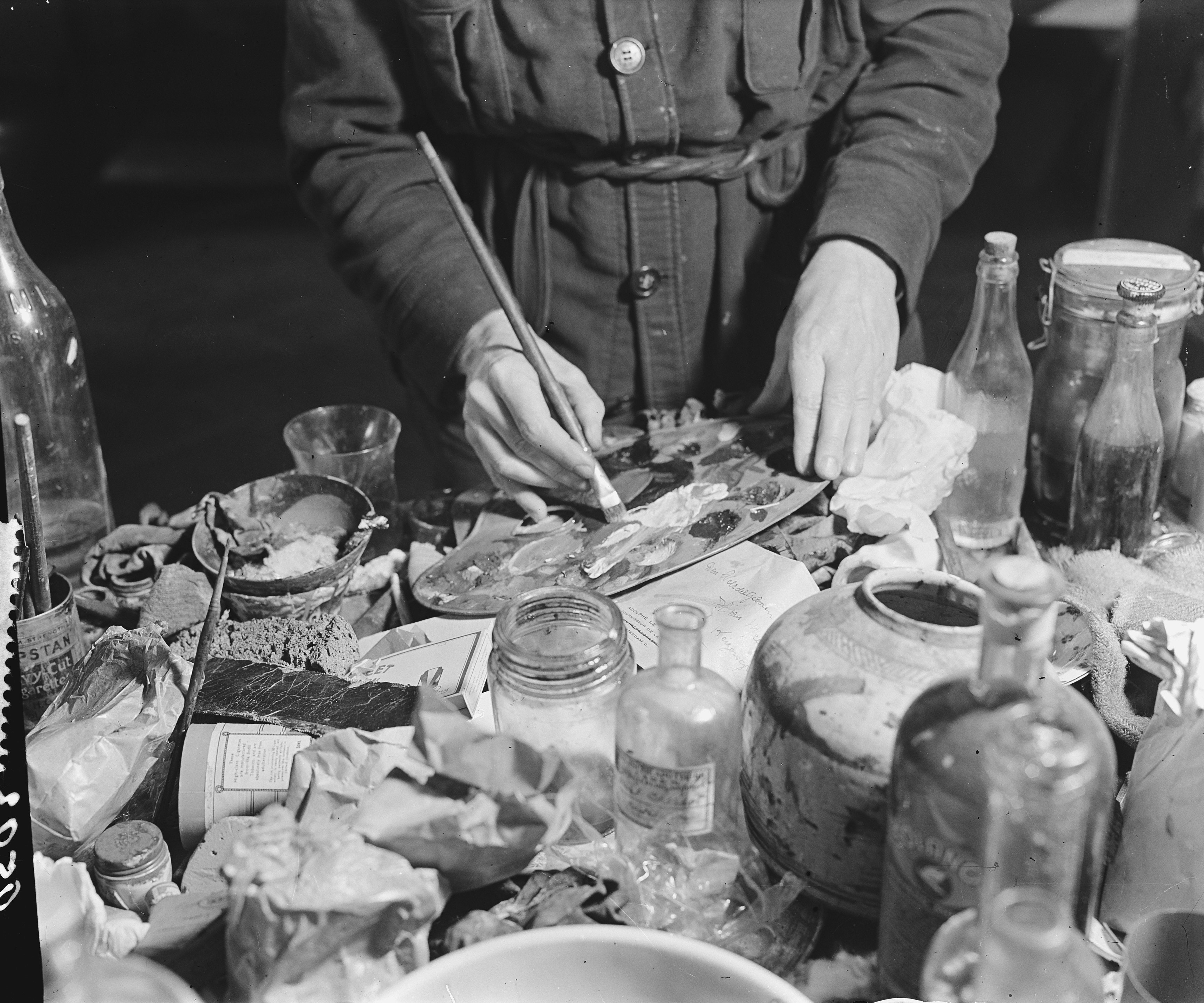
When van Meegeren confessed in July 1945, the art experts refused to believe him. The paintings had been authenticated by Bredius; they were in national museums. He was forced to paint a new Vermeer under court supervision — Jesus Among the Doctors — to prove that the crime he was admitting to was actually possible. Belgian chemist Paul Coremans found Bakelite in the forgeries' paint layers. Bakelite was invented in 1909. The case was closed.
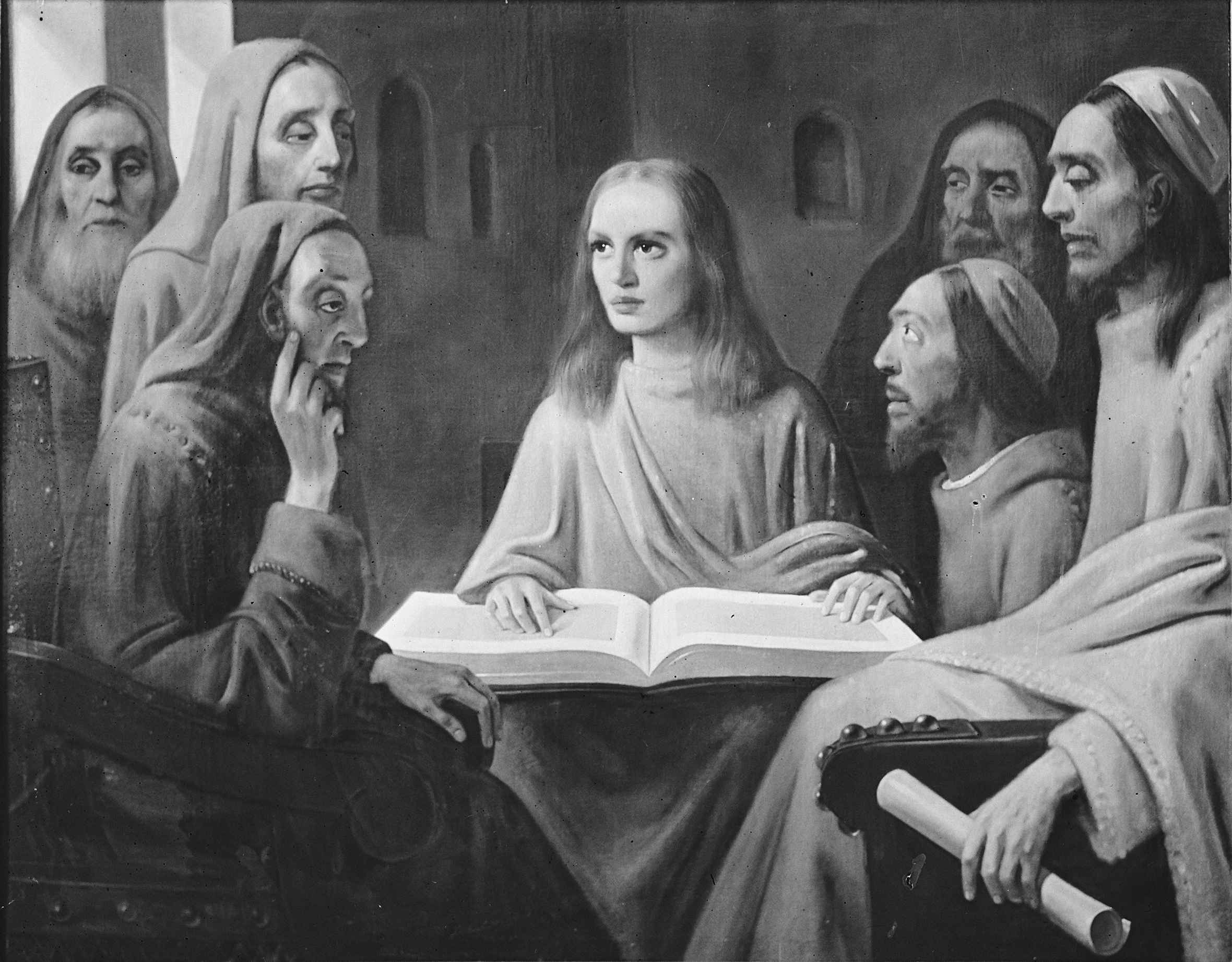
The Swindle of the Century
Hermann Göring paid 1,650,000 guilders for Christ with the Woman Taken in Adultery. He did not pay in cash. He traded approximately 137 Dutch paintings — most looted from Jewish collectors and institutions — for the supposed Vermeer. The painting van Meegeren received in exchange was promptly resold. The looted art was eventually recovered and returned to the Netherlands. Göring's prized Vermeer was made of plastic and canvas from a 1940s Dutch auction house.
The Forger's Career
The Laboratory
Embittered by critical dismissal, van Meegeren moves to Roquebrune-Cap-Martin, France. Begins four years of chemical experiments: Bakelite binders, historical pigments, aged canvases, oven-baking techniques.
The Authentication
Abraham Bredius, age 82, publishes his authentication of the Supper at Emmaus in The Burlington Magazine — "every inch a Vermeer." The painting sells for 520,000 guilders and enters a national museum.
The Occupation
Under German occupation, van Meegeren produces a series of wartime forgeries sold for millions of guilders. Total receipts exceed seven million. Christ with the Adulteress goes to Hermann Göring for 137 looted paintings plus 1.65M guilders.
The Arrest
Allied forces recover Göring's collection from an Austrian salt mine. Provenance trails lead to van Meegeren, arrested on charges of collaboration with the enemy — potentially punishable by death.
The Verdict
Found guilty of forgery and fraud. Sentenced to one year. The crowd outside cheers. A Dutch poll ranks him second in national popularity. He dies of heart failure six weeks later, never having served a day.
Key Figures
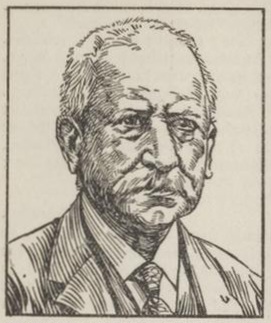
Abraham Bredius
The greatest living authority on Dutch Golden Age painting, age 82 when he authenticated the Emmaus. His rapturous article in The Burlington Magazine — "every inch a Vermeer" — transformed a canvas baked in a kitchen oven into a national treasure. He died in March 1946, never knowing he had been deceived.

Hermann Göring
Reichsmarschall and art collector, Göring traded 137 looted Dutch paintings for van Meegeren's fake Vermeer, convinced he had acquired a Dutch national masterpiece. The painting was hidden in an Austrian salt mine for the remainder of the war. Exposed at Nuremberg, he died in October 1946 — his prized Vermeer already unmasked as Bakelite and canvas.
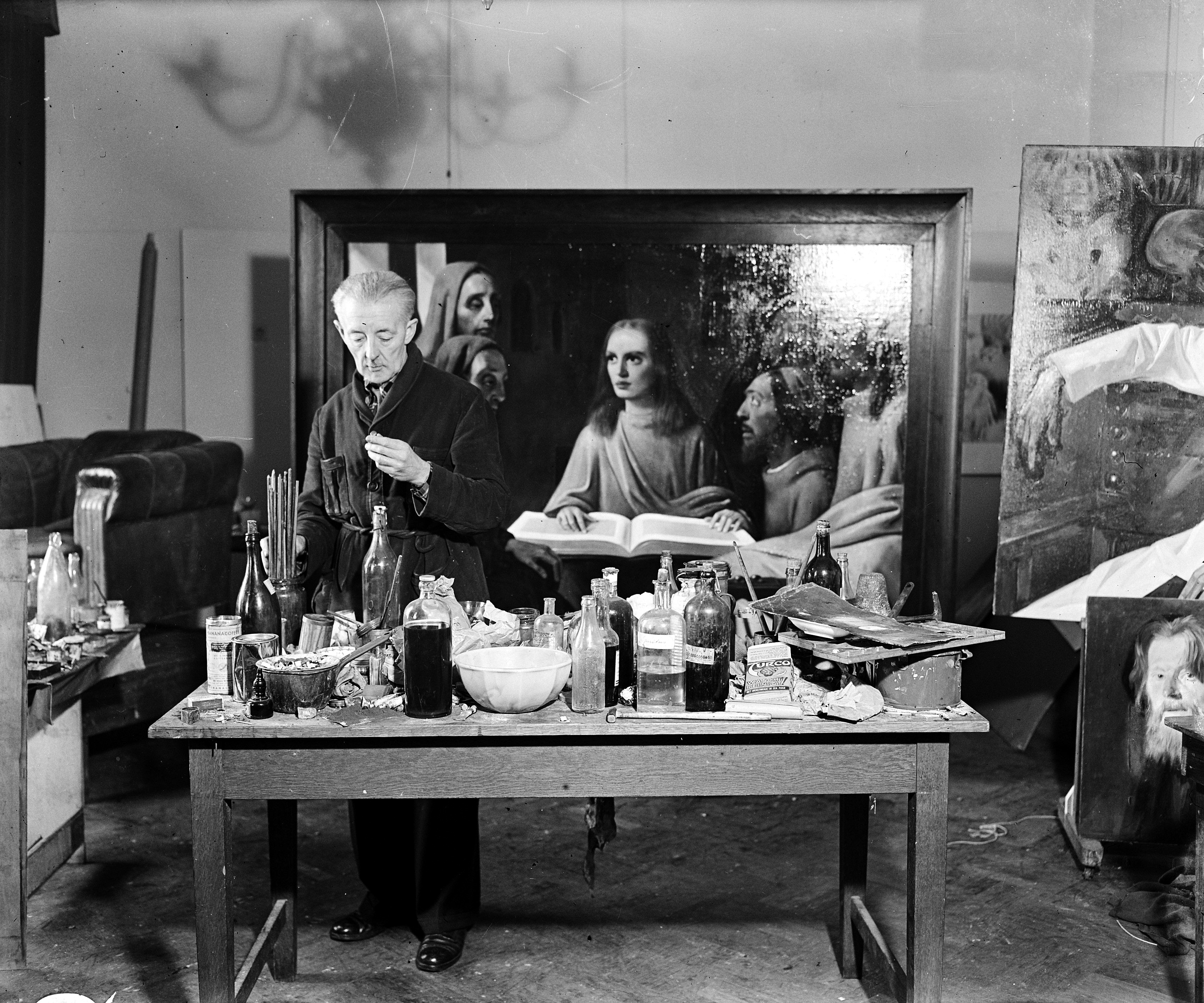
Every Inch a Vermeer
The man who made the paintings was ranked second in Dutch national popularity when he was convicted. The crowd cheered. What he had wanted all along — recognition — had arrived, but under the wrong name, and too late to do anything with.
The forgeries still exist. The Washing of the Feet is in the Rijksmuseum. The Supper at Emmaus is in storage at Museum Boijmans. They look, to the eye, exactly as they did when the greatest experts in the world called them masterpieces.
What changed was a piece of knowledge. Whether that changes the paintings is the question van Meegeren left behind.
Get the Full Book
The complete story of the failed artist, the Bakelite laboratory, the Nazi deal, and the trial that made a forger a national hero.