The Great Train Robbery
Britain's Crime of the Century
At 3:00 a.m. on August 8, 1963, fifteen men stopped a Royal Mail train in the Buckinghamshire countryside by rigging a signal with a leather glove and a six-volt battery. In under thirty minutes, they unloaded 120 mailbags containing £2.6 million in used banknotes — the equivalent of £62 million today — and vanished into the night.
It was the largest robbery in British history. The manhunt that followed, the 30-year prison sentences, the dramatic escapes, and Ronnie Biggs's decades as a fugitive in Brazil would captivate Britain for generations.
30 MIN
Fifteen men rigged a railway signal, stopped the Up Special Travelling Post Office, coshed the driver, and formed a human chain to unload 120 sacks of cash into a waiting truck. The entire operation took less than half an hour.
£2.6M
Over 2.5 tons of used banknotes. Worth approximately £62 million in today's money.
£343K
Barely one-eighth of the total. Most of the money was never found — and became worthless after decimalisation in 1971.
307 YRS
Total prison time handed down at Aylesbury Assizes. Seven men received 30 years each — the harshest sentences for a non-lethal crime in British history.
The Evidence
The Hideout
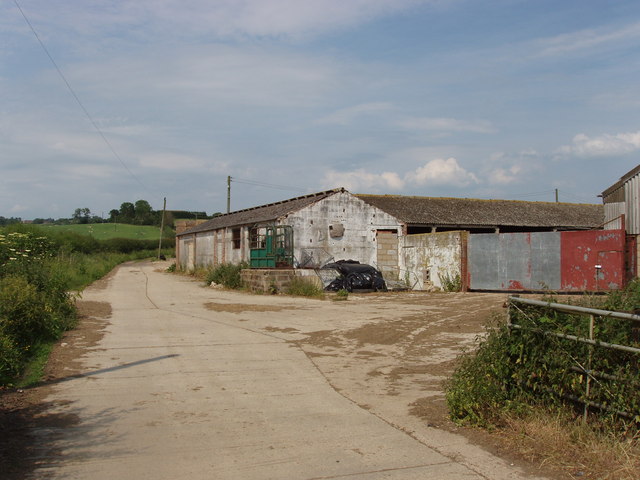
Leatherslade Farm, 27 miles from the robbery site, was purchased through intermediaries. The gang hid here for days, counting money and playing Monopoly with real banknotes. Their failure to destroy it left fingerprints on everything — the fatal mistake that broke the case.
The Victims
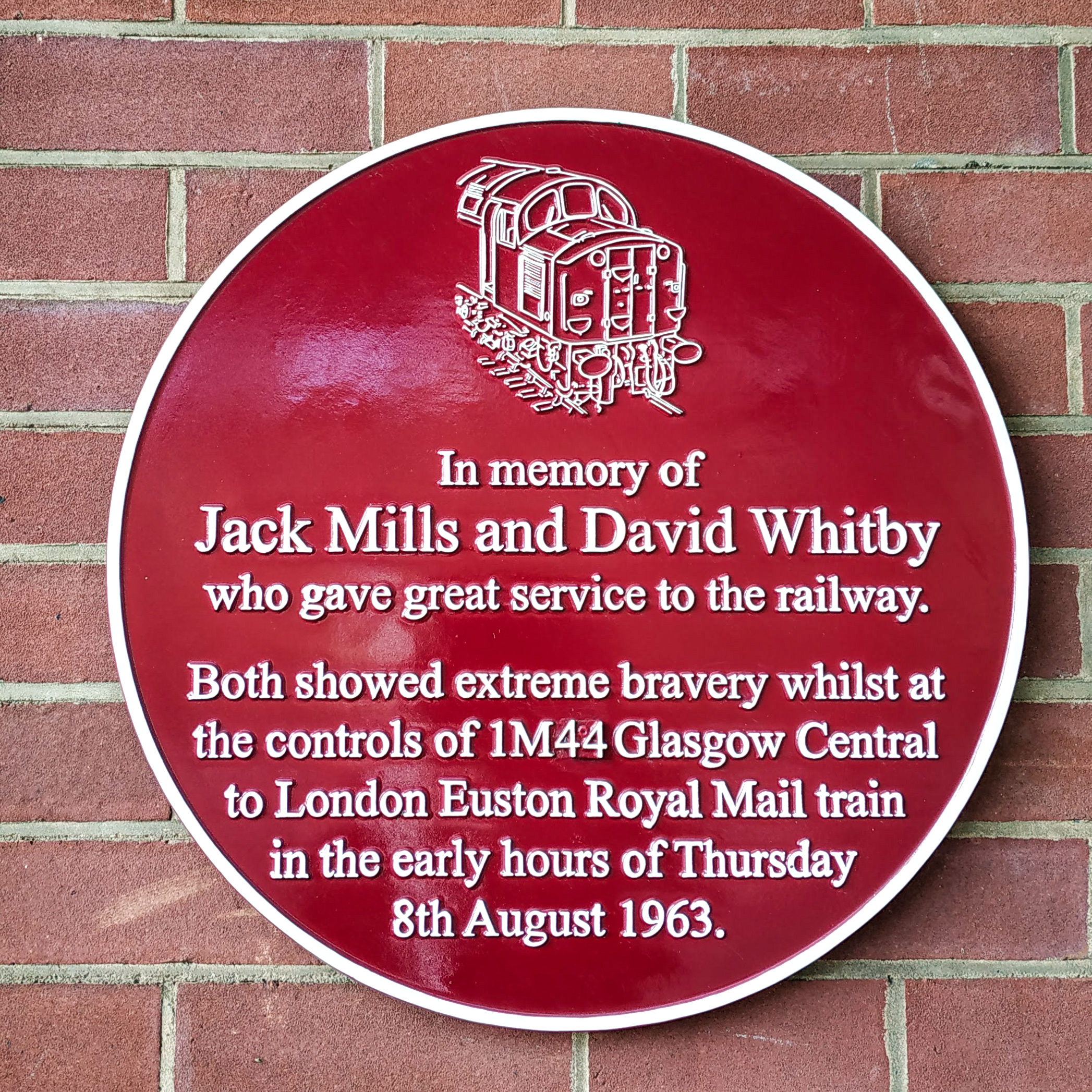
Driver Jack Mills was coshed during the robbery and suffered permanent injuries. He never fully recovered, dying in 1970. Fireman David Whitby, traumatised by the ordeal, died of a heart attack in 1972, aged just 34. A memorial honours their bravery.
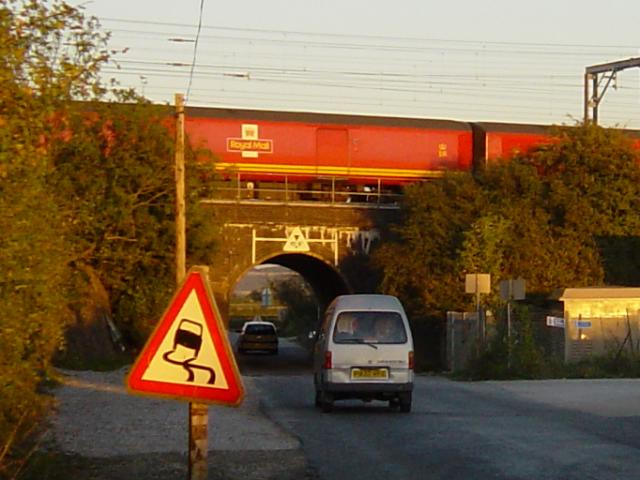
The Scene
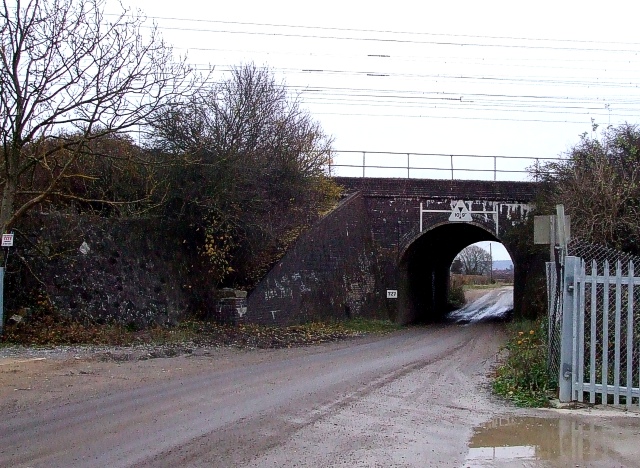
A Royal Mail train crosses the very bridge where the robbery took place. The gang chose this remote location because the lane beneath gave direct vehicle access. For years it was known as "Train Robbers' Bridge" before being officially renamed Mentmore Bridge.
The Crime and Its Aftermath
Signal Rigged
Roger Cordrey covers a green signal with a glove and powers a red light with a battery. The Up Special stops at Sears Crossing exactly as planned. Driver Jack Mills sends fireman David Whitby to investigate — he finds the phone wires cut.
The Attack
Masked men storm the locomotive cab. Mills fights back but is coshed from behind. The injured driver is forced to move the train forward half a mile to Bridego Bridge, where vehicles are waiting.
The Human Chain
The gang uncouples the HVP coach and forms a human chain from the carriage to the waiting truck. 120 sacks of banknotes — 2.5 tons of cash — are passed hand to hand down the embankment.
Farm Discovered
A herdsman reports suspicious activity at Leatherslade Farm. Police find sleeping bags, mailbags, the Monopoly board — and fingerprints everywhere. The gang's identities are revealed.
The Sentences
Justice Edmund Davies hands down 307 years total. Seven men receive 30 years each. He calls it "a crime of sordid violence inspired by vast greed." The sentences stun the nation.
Key Figures
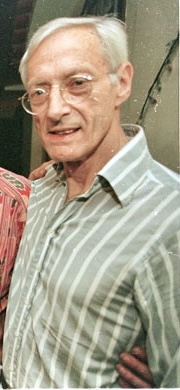
Bruce Reynolds
Career criminal who planned the heist with meticulous precision over months. Evaded capture for five years before being arrested in Torquay by Tommy Butler. Sentenced to 10 years. Died in 2013, aged 81.
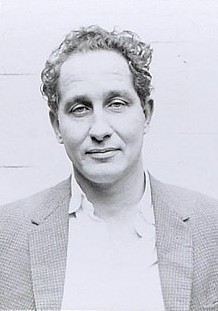
Ronnie Biggs
Minor participant who became the most famous train robber. Escaped from Wandsworth Prison in 1965 and fled to Brazil, where he lived as a celebrity fugitive for 31 years. Returned voluntarily to Britain in 2001. Died in 2013, aged 84.
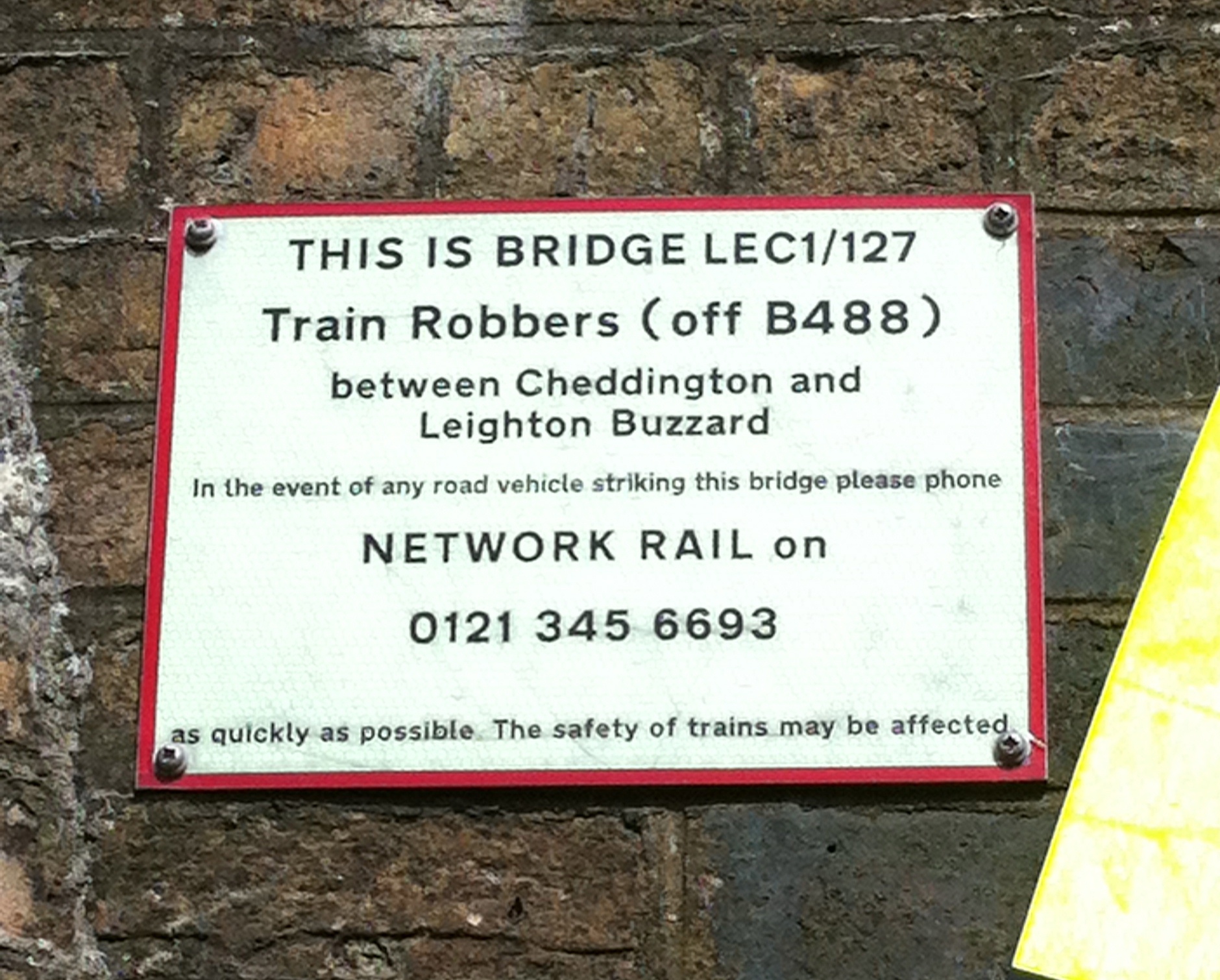
The Price of Ambition
The Great Train Robbery made its perpetrators famous — but it destroyed them. Jack Mills never recovered. Most of the money was lost, confiscated, or rendered worthless by decimalisation. Charlie Wilson was murdered. Buster Edwards took his own life. The mastermind spent years as a fugitive. The most famous robber spent three decades in exile.
The Monopoly board — still bearing their fingerprints — sits in a Thames Valley Police museum. A five-pound note from the robbery lies beside it, worth nothing except as a relic of the night that fifteen men tried to steal their way out of ordinary life.
Get the Full Book
The complete story of the robbery, the manhunt, the escapes, and the decades of consequences.