The Dancing Plague
When Strasbourg Danced to Death
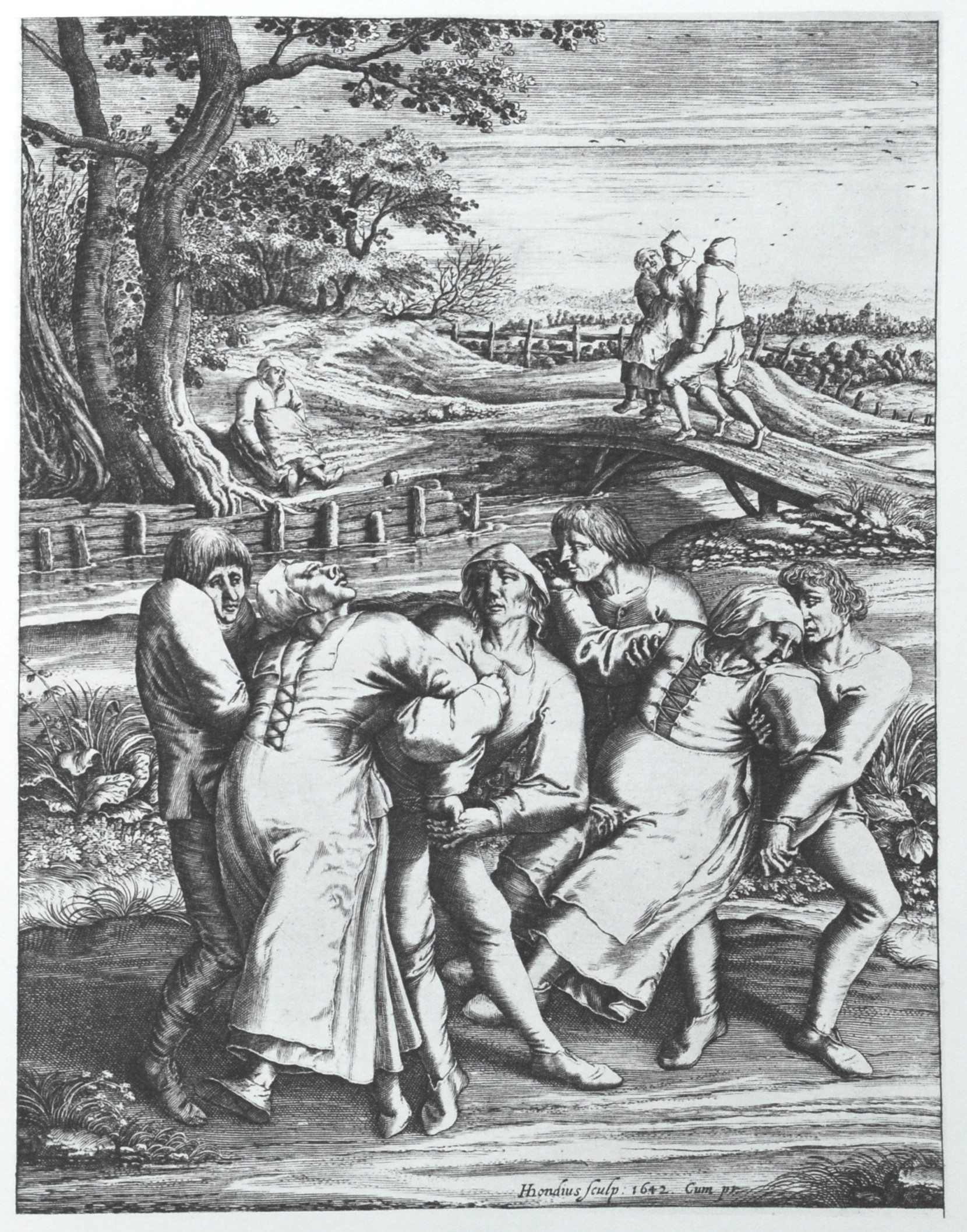
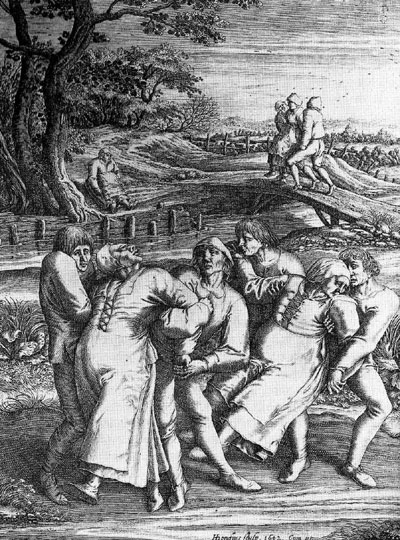
On July 14, 1518, a woman stepped into a narrow street in Strasbourg and began to dance. There was no music. Her husband begged her to stop. She could not. She danced for six days straight, her feet swollen and bloody, her eyes vacant and unseeing. Then others joined her.
Within weeks, 400 people were dancing involuntarily through the streets — and the city's cure only made it worse.
Frau Troffea
A common woman who stepped into the street and began to dance without music. She danced for six consecutive days before the city council took notice. No one recorded her first name.
~400
People dancing involuntarily at the height of the plague in August 1518.
15/day*
Claimed at peak — contested by modern scholars.
Red Shoes
Anointed with holy oil, placed on dancers' feet at the shrine of Saint Vitus. It worked.
The Evidence
The Dancing
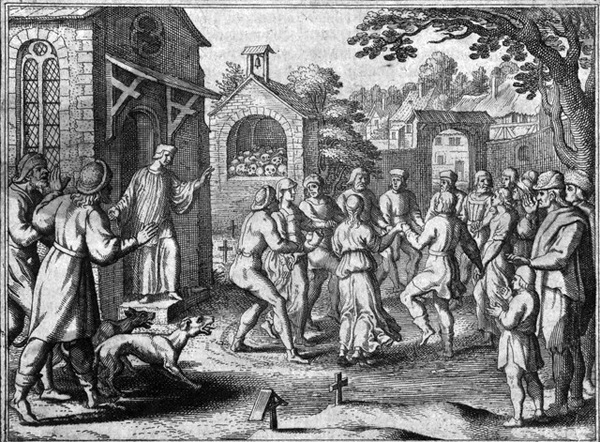
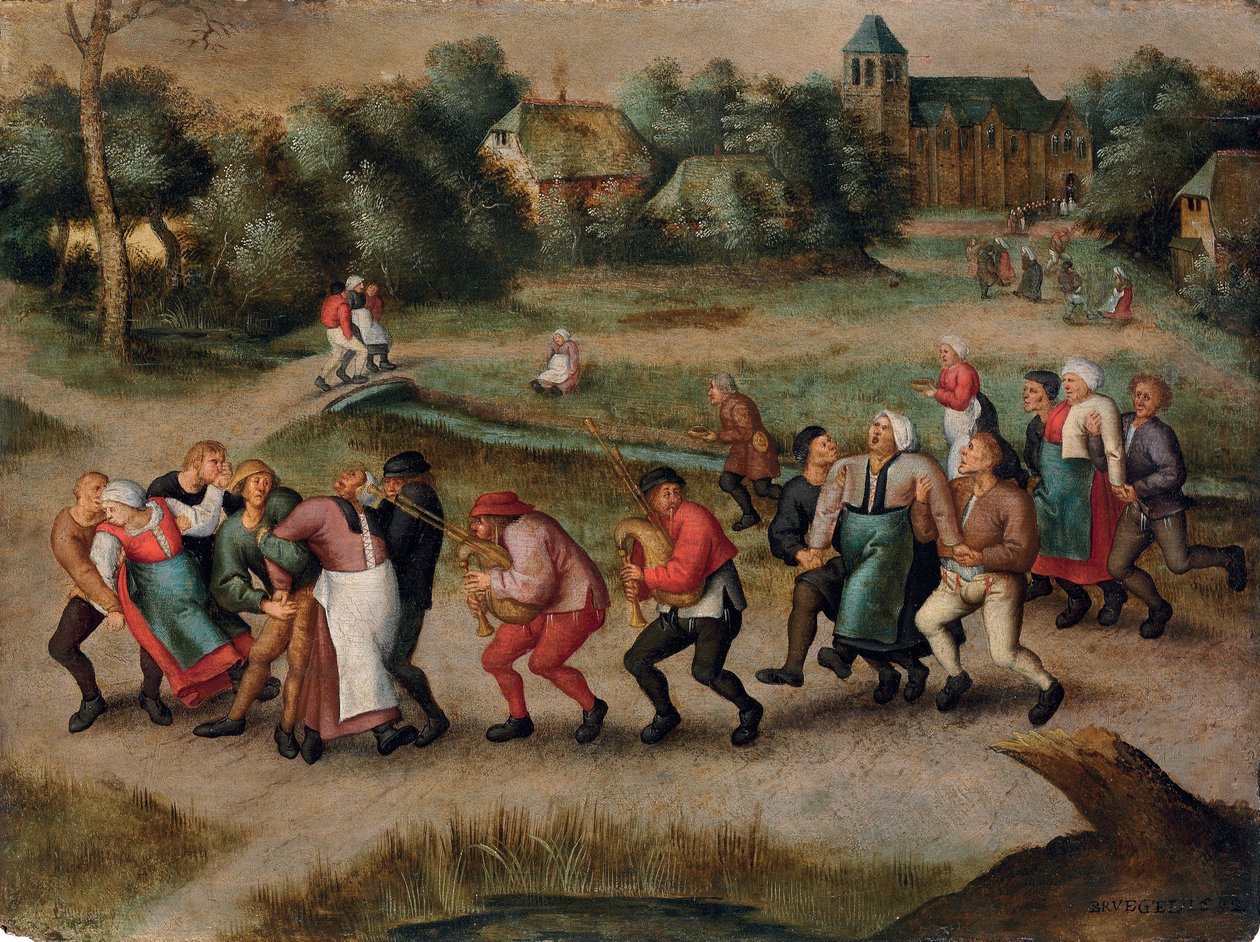
The dancing was not joyful. It was spasmodic, convulsive, involuntary. Arms thrashed wildly. Eyes were vacant and glassy. Dancers reported visions of drowning in seas of blood. They recoiled from the colour red and from pointed shoes. Their feet became swollen and bloody — blood pooled into their shoes.
The City
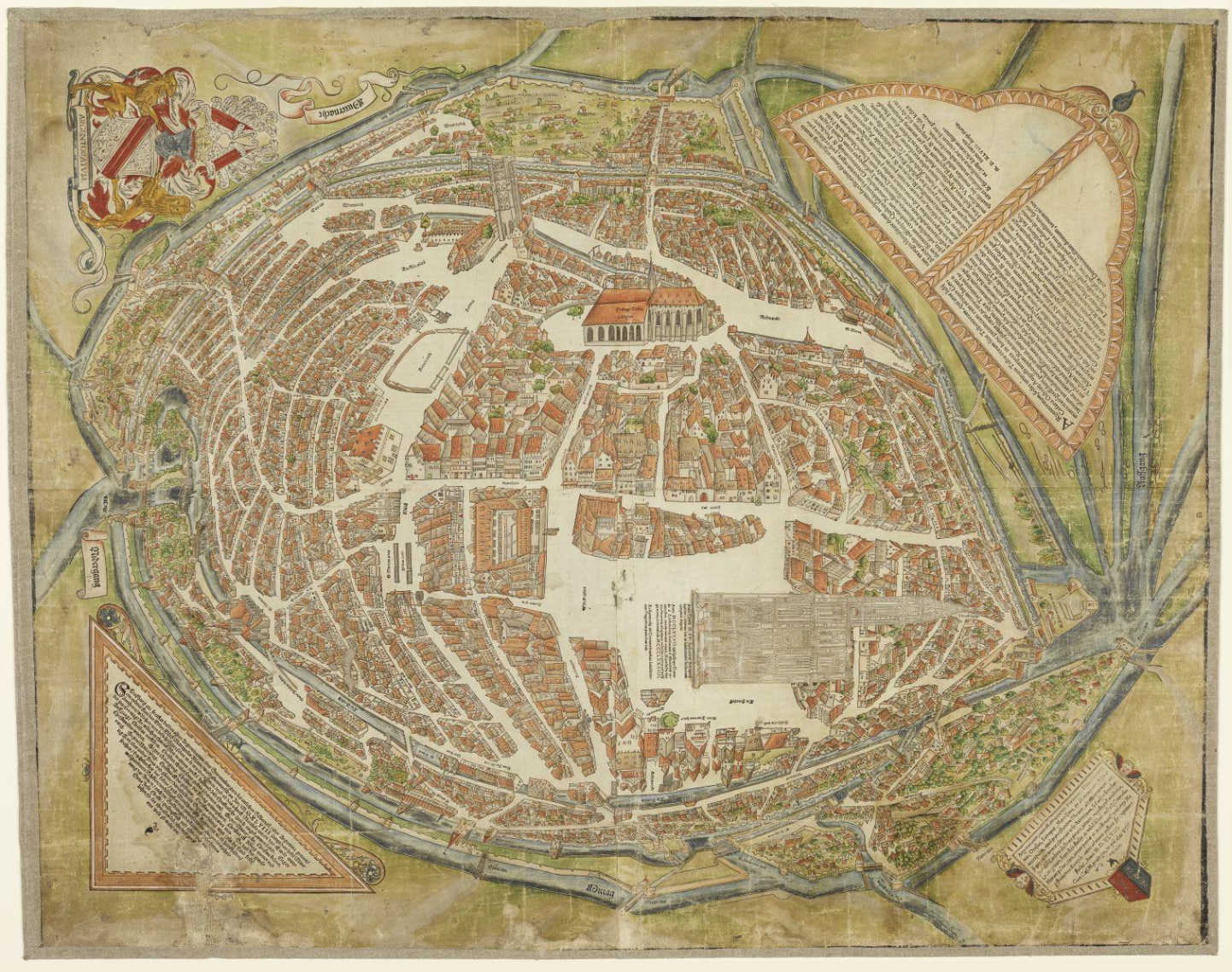
A Free Imperial City of 20,000 souls on the Grand Île, surrounded by the Ill River, dominated by a 142-metre cathedral spire. In 1518, Strasbourg was reeling from three years of failed harvests, famine, syphilis, plague, floods — and the spiritual crisis sparked by Luther's theses.
The Diagnosis
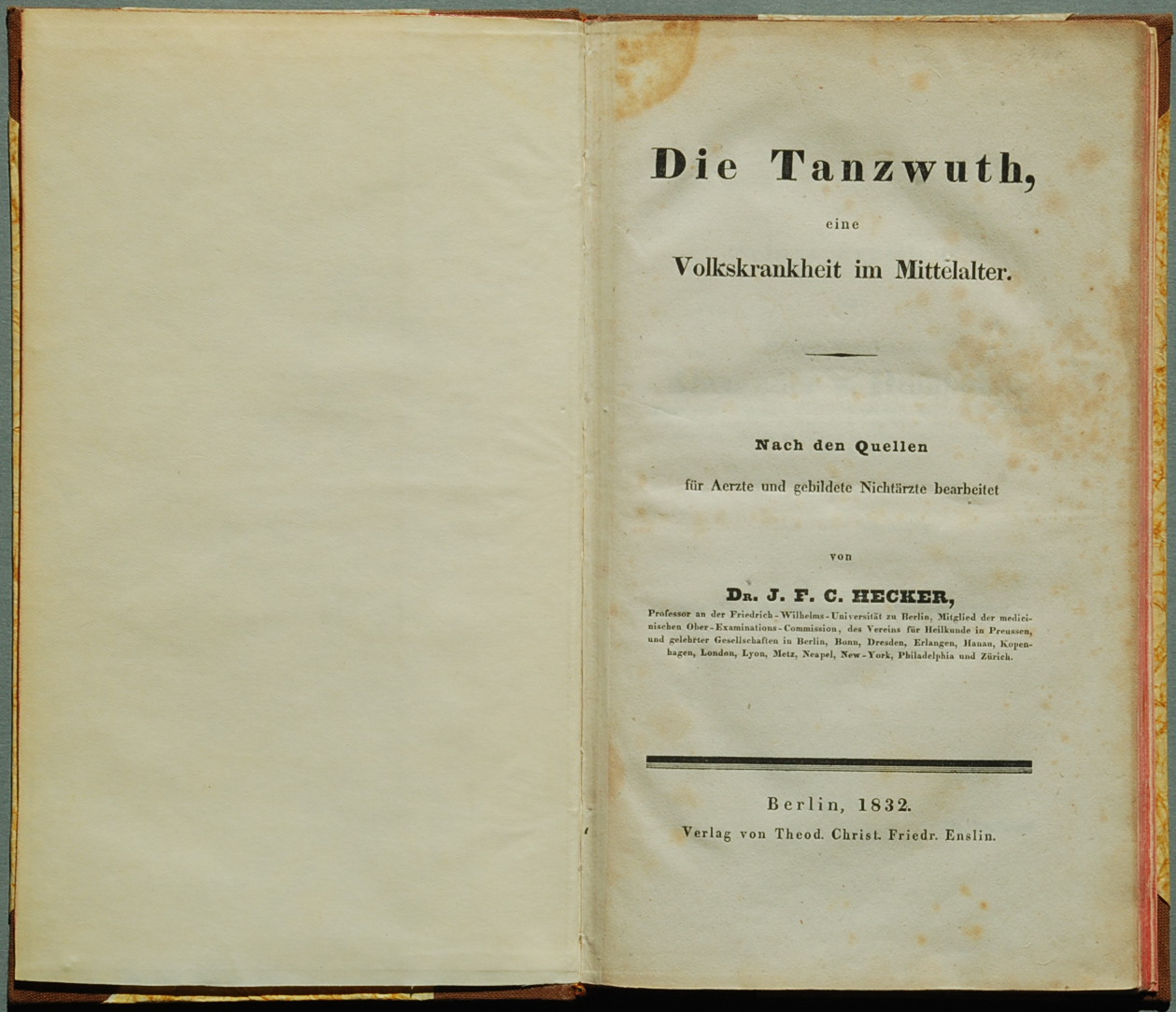
Physicians diagnosed "hot blood" and prescribed more dancing. The council built stages, hired musicians, and recruited professional dancers. The strategy backfired — the spectacle drew hundreds more into the dance. Paracelsus later coined the term "choreomania."
The Summer of Madness
The First Step
Frau Troffea begins dancing in a Strasbourg street. No music, no partner. She dances for six days without stopping, her feet bloody, her eyes vacant.
The Contagion
34 people are now dancing. The city council formally notes the crisis. Physicians diagnose "hot blood" and prescribe more dancing to purge the illness.
The Catastrophe
The council builds stages, hires musicians, recruits dancers. The spectacle draws more afflicted. At the peak: ~400 dancers. Later chroniclers claimed up to 15 deaths per day.
The Reversal
Sebastian Brant records the council banning all public dancing until September 29. Stages dismantled, musicians dismissed. But the dancing continues.
The Red Shoes
Dancers are transported to the shrine of Saint Vitus near Saverne. Priests place red shoes anointed with holy oil on their bleeding feet. The dancing stops.
Key Figures
Sebastian Brant
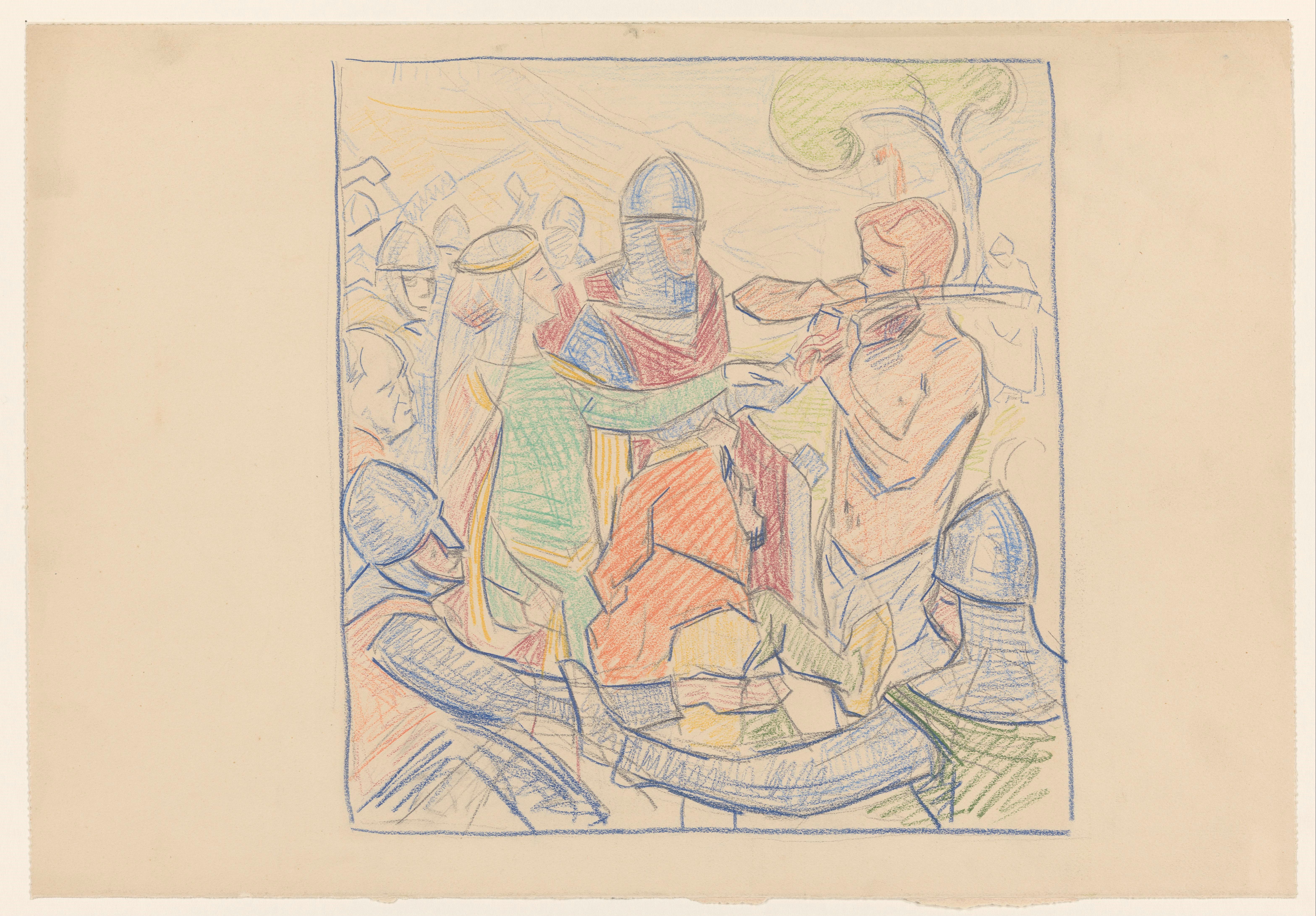
Author of The Ship of Fools and secretary of the Strasbourg council since 1503. His August 3, 1518 note banning public dancing is the most important surviving primary document of the plague. He wrote: "Dance and sin are one in kind."
John Waller
Author of A Time to Dance, A Time to Die (2009), the definitive modern study. His mass psychogenic illness theory — that extreme stress and belief in St. Vitus's curse combined to produce the dancing — is now the leading explanation.
The Body Remembers
The dancing plague disappeared in the seventeenth century, along with the belief system that gave it form. But its lesson endures: the human body carries the pain that the mind cannot hold.
Five centuries later, the streets of Strasbourg are quiet. The cathedral still stands. And somewhere, in the cobblestones, the ghost of a rhythm no one chose to dance to.
Get the Full Book
The complete story of the woman who danced, the city that tried everything, and the red shoes that ended the plague.