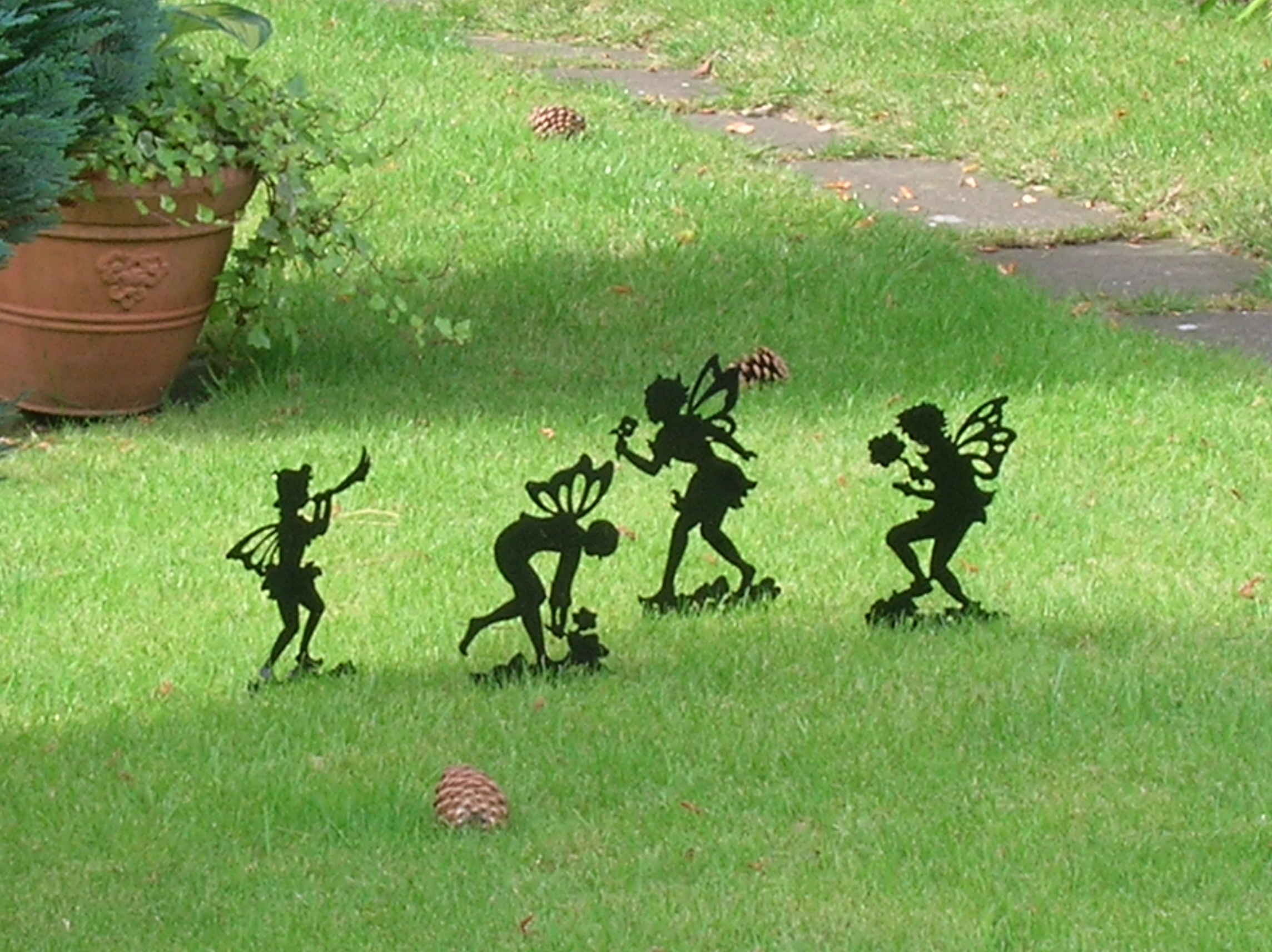
The Cottingley Fairies
The Photographs That Fooled the World
In the summer of 1917, two Yorkshire girls borrowed a camera, cut some figures from a children's book, and pushed them into the bank with hatpins. The photographs they took would fool Arthur Conan Doyle, two expert investigators, the editors of The Strand Magazine, and millions of readers across the world.
They kept the secret for sixty-six years.
1917
Elsie Wright (16) and Frances Griffiths (9) make cardboard fairy cutouts from a children's book illustration. They push them into Cottingley Beck's bank with hatpins and take a photograph. A private joke that escaped all control.
5
Total fairy photographs produced, 1917–1920. Three more taken with cameras supplied by Arthur Conan Doyle.
1914
Publication year of Princess Mary's Gift Book, the illustrated charity anthology whose fairy drawings Elsie copied.
£20K+
Two original photographs sold in 2018 for over £20,400 — ten times their pre-sale estimate.
The Evidence
The Cardboard Cutouts
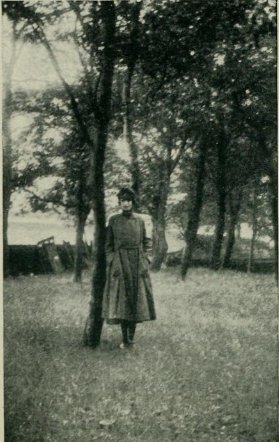
Elsie copied illustrations by artist Claude Shepperson from Princess Mary's Gift Book (1914), a charity anthology that sold 604,884 copies. She cut the figures with her aunt's tailor's scissors, mounted them on card, and fixed them with hatpins pushed into the bank. The camera's long exposure and shallow depth of field made the pins invisible. James Randi identified the source book in 1978 — sixty-one years after the first photograph was taken.
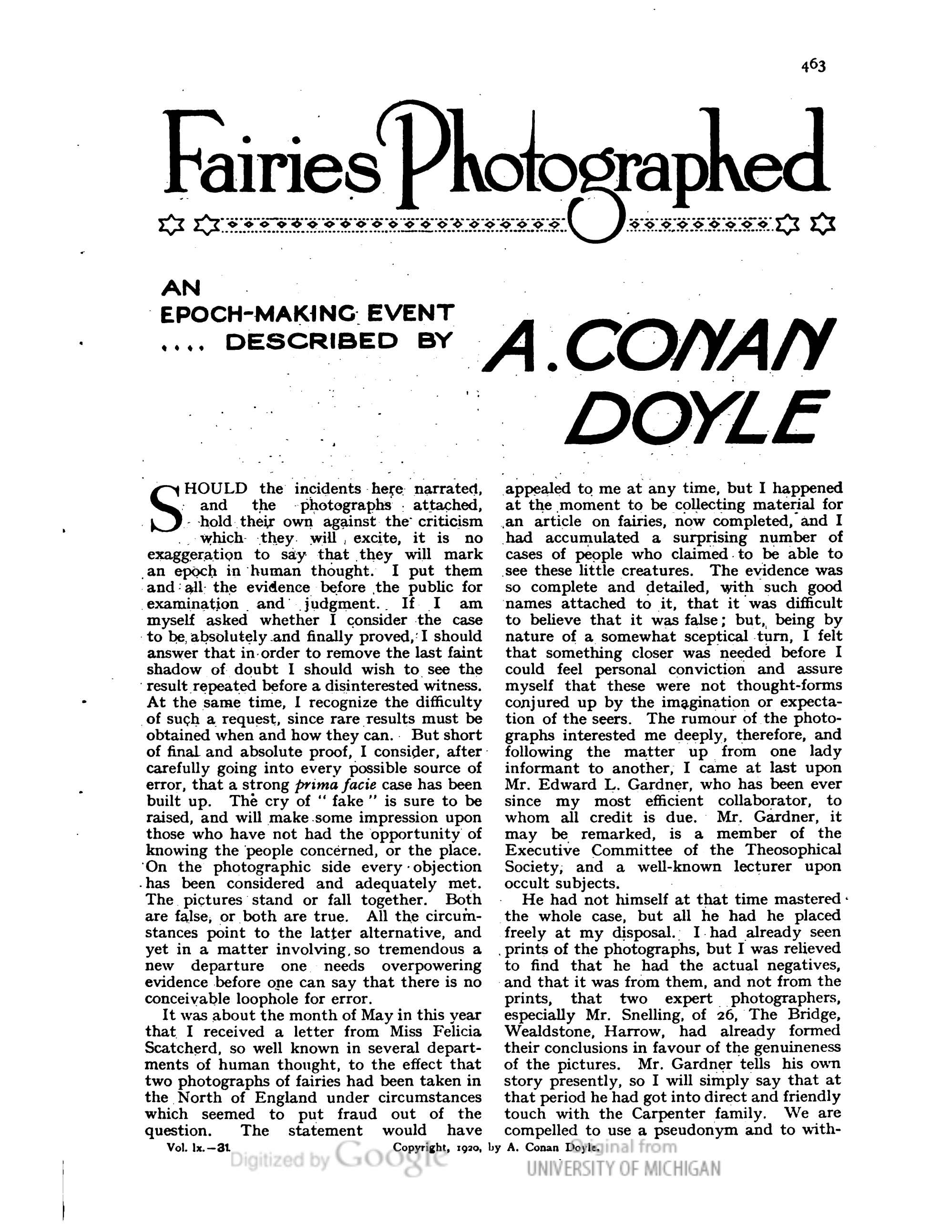
The Expert Enhancement
When photographic expert Harold Snelling declared the negatives genuine, he simultaneously retouched enhanced reprints at Edward Gardner's request — improving image quality for publication. The reprints he produced were what Kodak examined, what The Strand published, and what the world believed. Kodak found no evidence of manipulation in the enhanced reprints — but refused to certify authenticity, a caution Gardner dismissed as institutional bias.
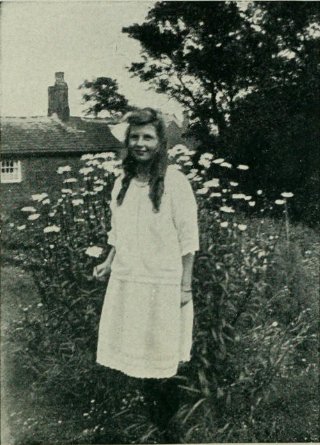
The Fashionable Fairies
Sceptics noted almost immediately that the fairy figures had strikingly fashionable hairstyles — the swept-back bobs and Edwardian illustration styles of the 1910s rather than the wild, timeless appearance of genuine supernatural beings. The Westminster Gazette reproduced the photographs alongside paper dolls for comparison. The comparison was uncomfortable. But in a nation still processing the loss of a generation, uncomfortable comparisons attracted less attention than hope.
The Sixty-Six-Year Secret
The First Photographs
Elsie and Frances take the first two fairy photographs at Cottingley Beck using Arthur Wright's Midg camera. Wright develops them, suspects cardboard cutouts, and locks the camera away.
An Epoch-Making Event
Arthur Conan Doyle publishes "Fairies Photographed" in The Strand Magazine. The issue sells out within days. A grieving post-war nation chooses to believe.
The Source Identified
James Randi identifies the fairy figures as copies of Claude Shepperson's illustration in Princess Mary's Gift Book (1914). Computer enhancements reveal supporting hatpins. Still no confession.
The Confession
Elsie Wright sends a written admission to the British Journal of Photography. Frances confirms photos 1–4 were faked — but maintains the fifth photograph was real until her death in 1986.
CT Scan
Researchers CT-scan the original cameras at 7-micron resolution at the University of Bradford. The cameras are now held at the National Science and Media Museum, Bradford. No fairies found.
Key Figures
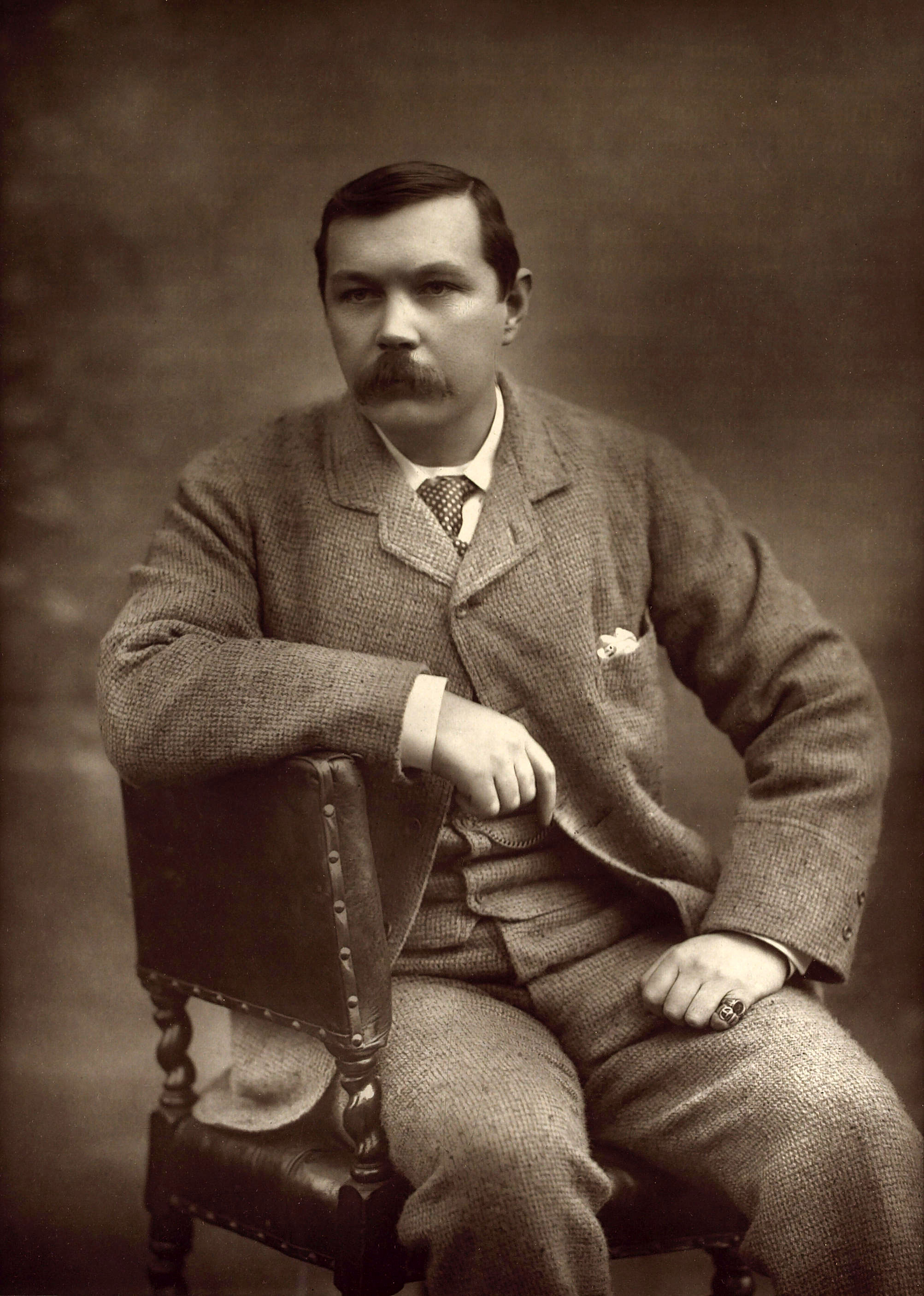
Arthur Conan Doyle
Creator of Sherlock Holmes — the most rigorous mind in English detective fiction — and one of the most credulous figures in the history of British spiritualism. Having lost his son to influenza in 1918 and his brother in 1919, Doyle used the photographs to argue that the dead were near and the world was merciful. He died in 1930 still convinced the photographs were genuine.
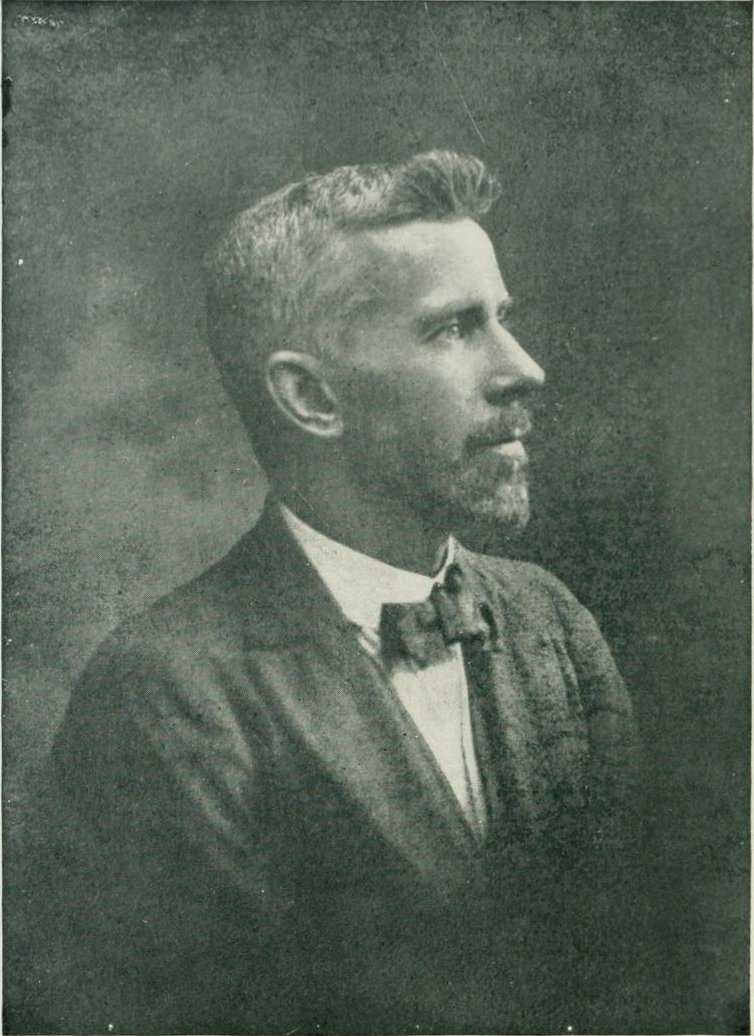
Edward Gardner
The Theosophical Society lecturer who discovered the photographs and brought them to Conan Doyle's attention. Gardner arranged the expert examination, supplied the girls with cameras and marked plates for the 1920 session, and spent fifty years defending the photographs' authenticity. He lived to be exactly one hundred years old, dying in 1969 without ever changing his mind.
They Wanted to Believe
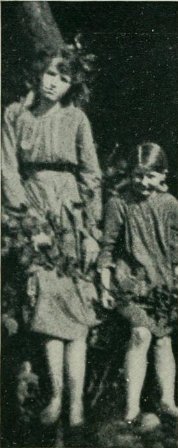
Elsie and Frances were not especially skilled deceivers. The cardboard was cardboard. The hatpins were hatpins. The source was a children's book.
What kept the secret for sixty-six years was not cunning — it was the simple fact that the world did not want the photographs to be fake. A nation still deep in grief, with millions dead and a generation missing, chose a story with fairies over a story without them.
Frances put it plainly, when she had nothing left to protect: "They wanted to believe."
Get the Full Book
The complete story of two girls, a borrowed camera, and the sixty-six-year secret that fooled the creator of Sherlock Holmes.