The Cleveland
Torso Murders
The Mad Butcher of Kingsbury Run
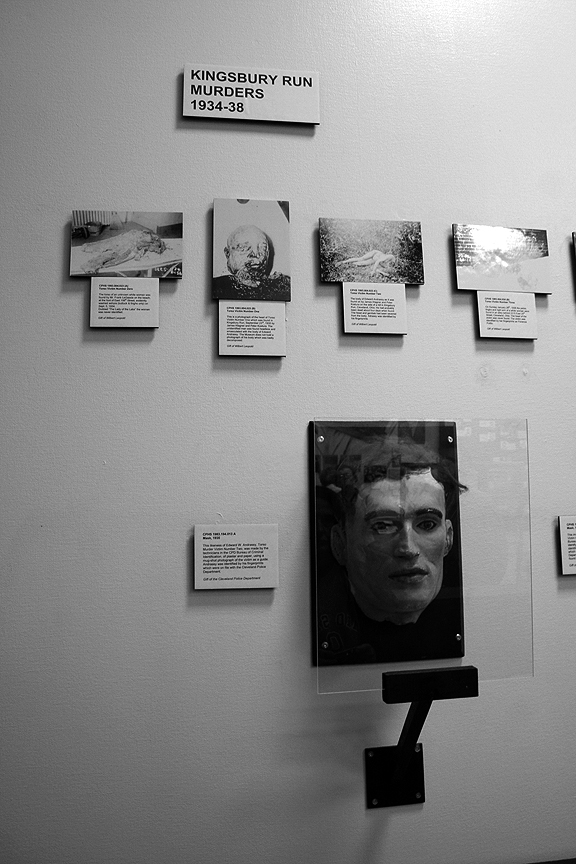
Between 1934 and 1938, a serial killer stalked the ravines and railyards of Depression-era Cleveland. At least twelve victims were decapitated and dismembered with surgical precision. Most were never identified. The investigation was led by Eliot Ness — the man who took down Al Capone.
He never caught the killer. The case became his greatest failure — and one of America's most haunting unsolved mysteries.
12
At least twelve people were murdered and dismembered between 1934 and 1938. All were decapitated. Most were destitute transients from the shantytowns of Kingsbury Run. Only three were ever identified.
10K
An estimated ten thousand suspects were questioned over four years — the largest manhunt in Cleveland history.
3
Of twelve victims, only Edward Andrassy, Florence Polillo, and Rose Wallace were ever named. Nine remain unknown.
Failed
The prime suspect, Dr. Francis Sweeney, failed two polygraph tests administered by the machine's inventor. He was never charged.
The Evidence
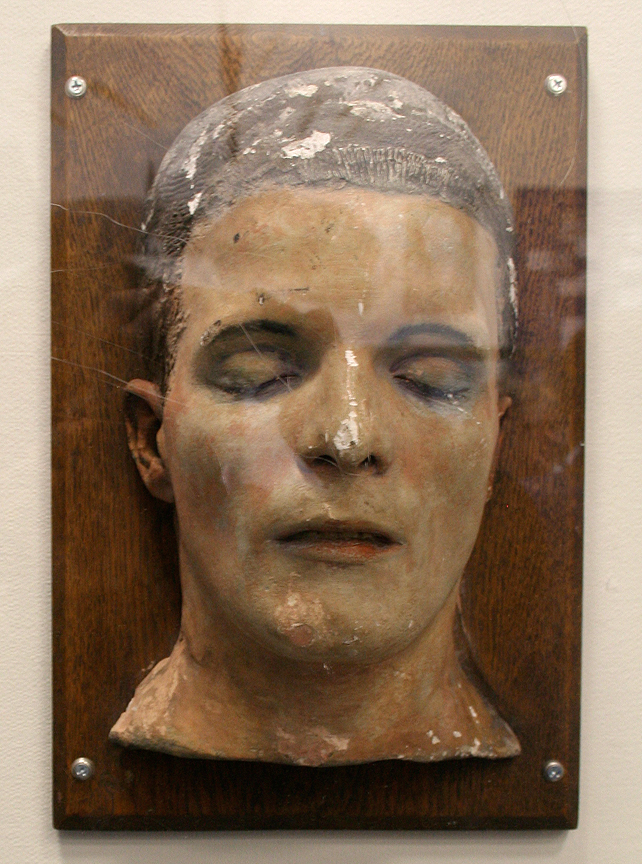
The Death Mask
The fourth victim — a young man with six tattoos — was never identified. A plaster death mask was created and displayed at the Great Lakes Exposition, Cleveland's world's fair. Over 100,000 people viewed it. Nobody recognised the face. In 2024, his remains were exhumed for DNA testing.
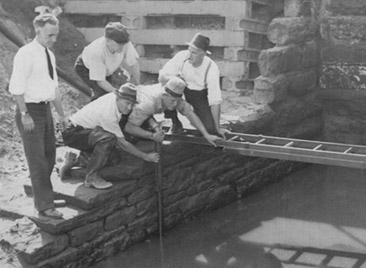
The Ravine
Kingsbury Run — an 80-foot-deep ravine cutting through Cleveland's east side — was home to sprawling shantytowns during the Depression. The killer used its isolation, railroad tracks, and hidden hollows to deposit remains. Bodies were found in drainage ditches, stagnant pools, and brushy embankments.
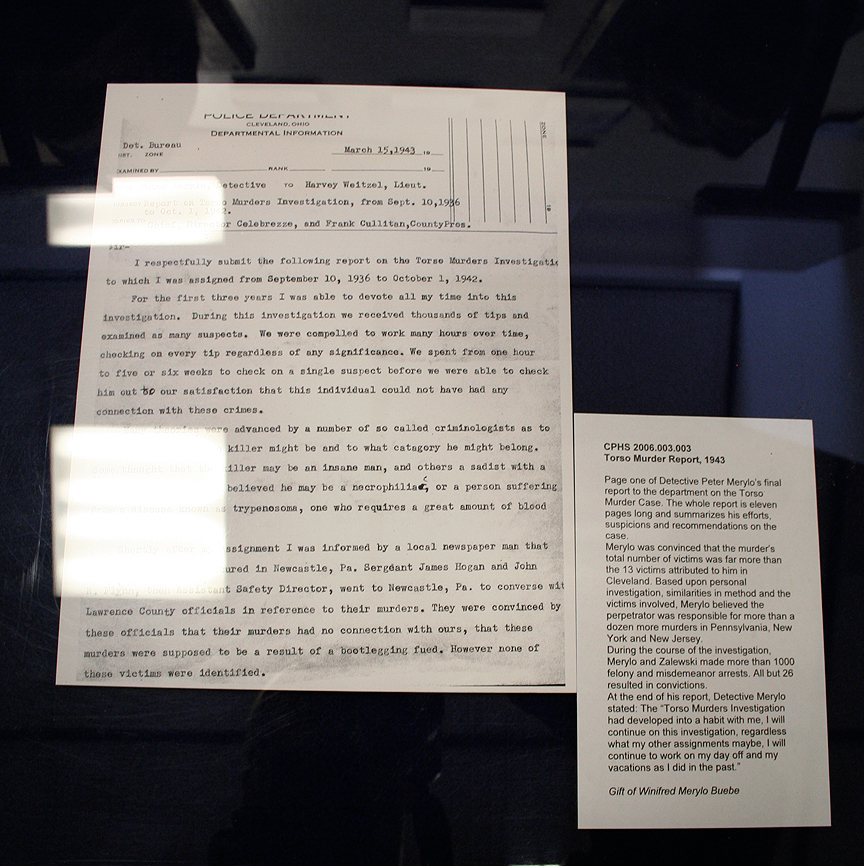
Surgical Precision
The coroner concluded the killer possessed "expert knowledge of human anatomy." Cuts were made at precise anatomical joints — not random slashes. Bodies were completely drained of blood and some were treated with chemical preservatives. The profile pointed to a doctor or surgeon.
The Butcher's Timeline
Jackass Hill
Two teenagers discover the decapitated bodies of Edward Andrassy and an unidentified man in Kingsbury Run. Both have been drained of blood and washed clean. The investigation begins.
The Mad Butcher
After the sixth victim is found, the case goes national. Newspapers dub the killer "The Mad Butcher of Kingsbury Run." Mayor Burton makes the case Eliot Ness's top priority.
The Secret Interrogation
Dr. Francis Sweeney is brought to the Cleveland Hotel for a secret interrogation. He fails two polygraph tests administered by Leonard Keeler, the machine's inventor. "Prove it," Sweeney tells Ness. He is released.
The Burning
Two final victims are found at the East 9th Street dump — within sight of Ness's office. Two days later, Ness leads a midnight raid on the Kingsbury Run shantytowns. Three hundred squatters are evicted. One hundred shanties are burned. The murders stop.
DNA Testing
The Cuyahoga County Medical Examiner partners with the DNA Doe Project to exhume unidentified victims for genetic genealogy testing. After 86 years, the nameless may finally get their names.
Key Figures
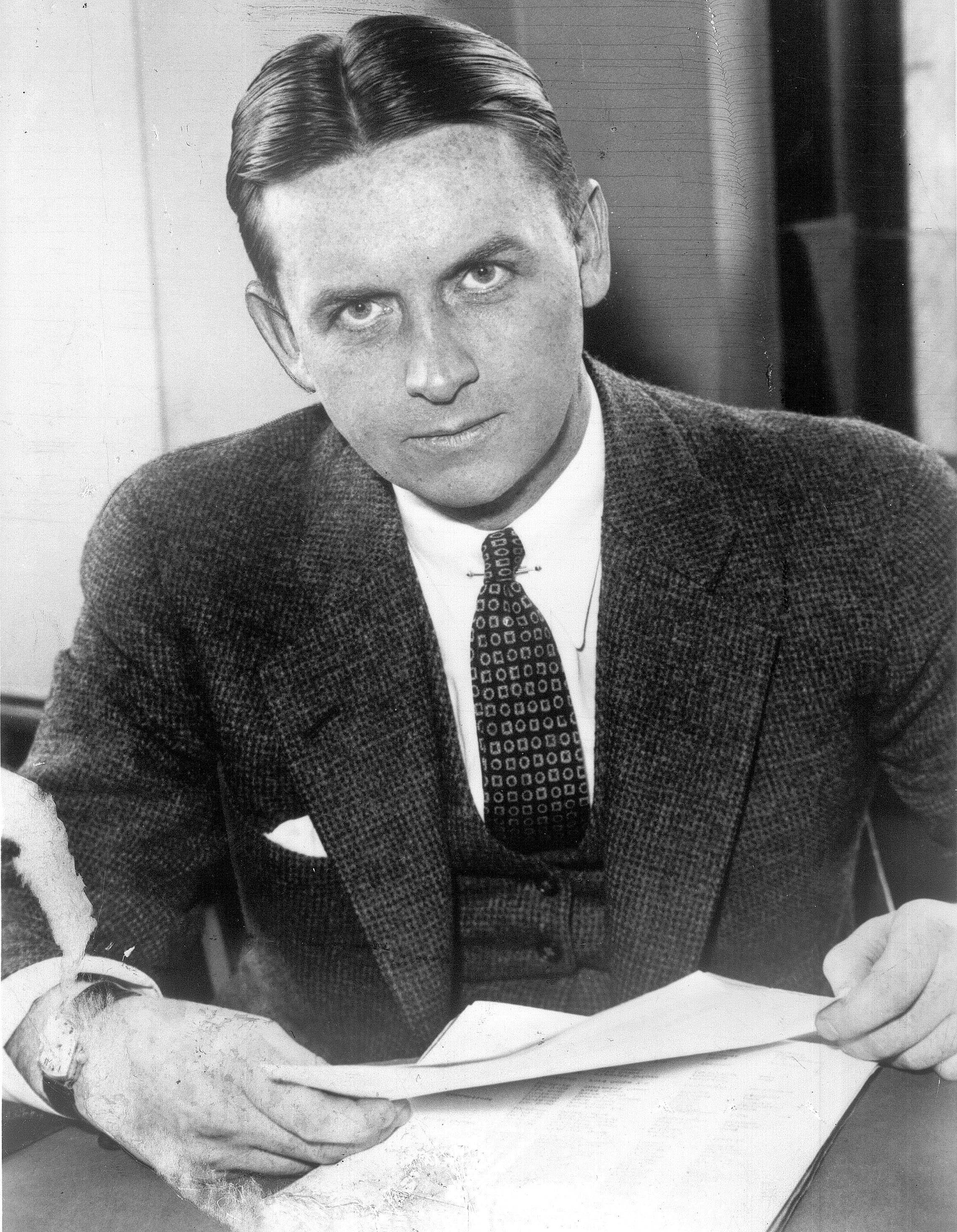
Eliot Ness
The man who took down Al Capone was appointed Cleveland's Safety Director in 1935. He threw 20 detectives at the Torso case, deployed undercover agents into shantytowns, and secretly interrogated the prime suspect. He never made an arrest. The case destroyed his reputation, and he died nearly penniless in 1957 — weeks before The Untouchables made him famous again.
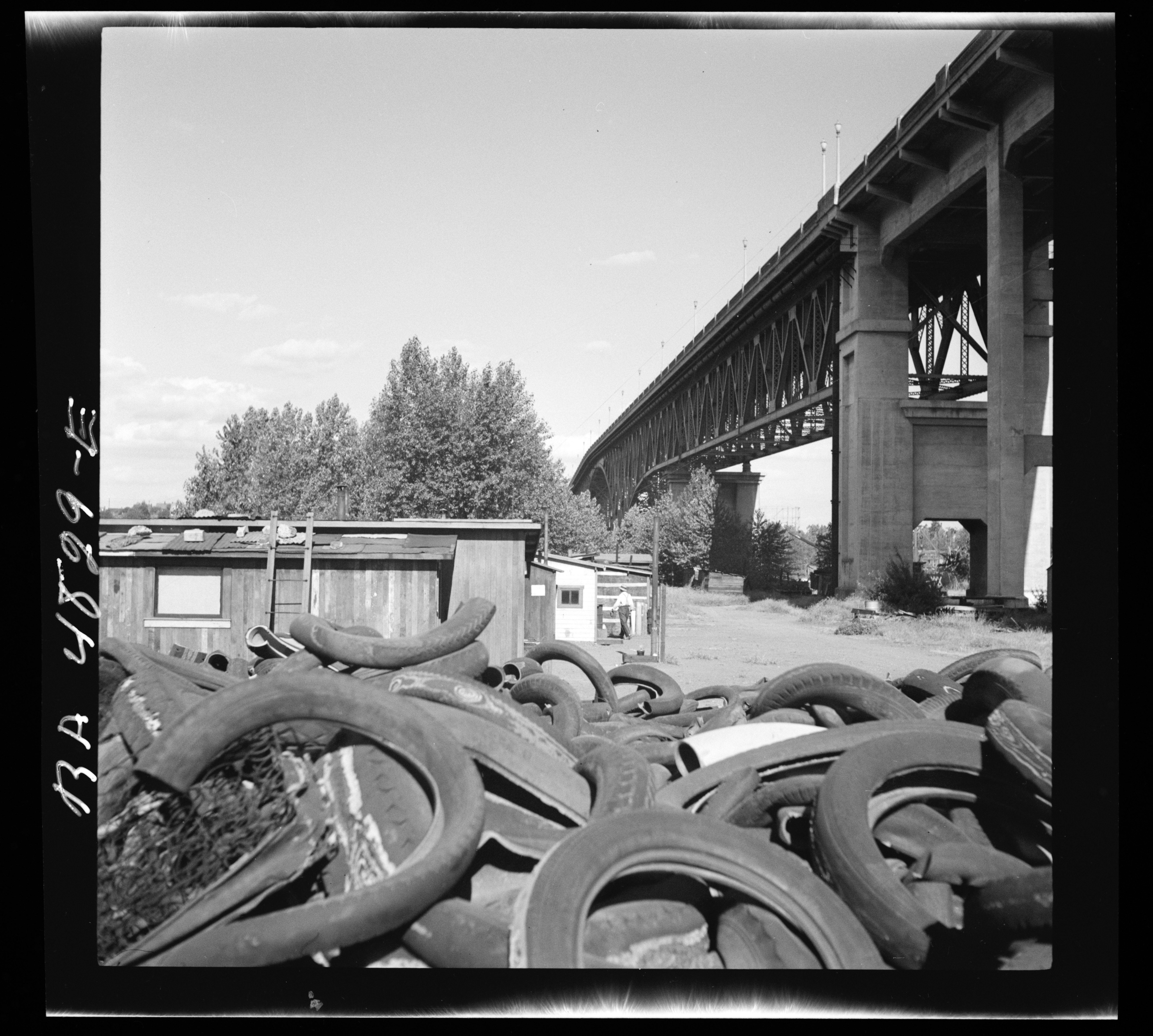
Dr. Francis Sweeney
A World War I veteran and former surgeon at St. Alexis Hospital in the Kingsbury Run neighbourhood. Brilliant, alcoholic, and physically imposing. He grew up in the ravine, had expert surgical knowledge, and failed two polygraph tests. His cousin, Congressman Martin Sweeney, made prosecution politically impossible. He spent the rest of his life in institutions, sending taunting postcards to Ness.
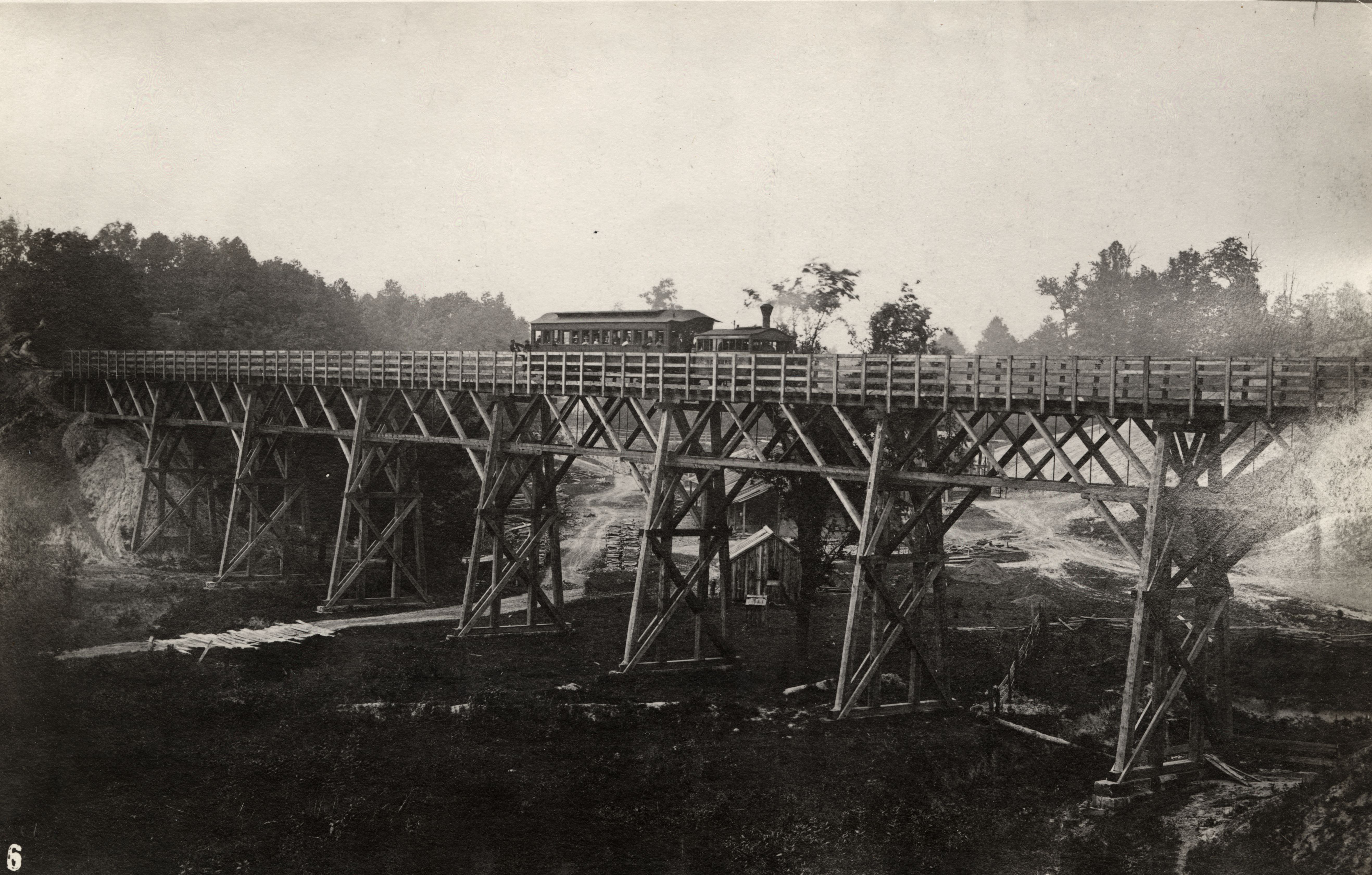
The Names They Never Had
The Cleveland Torso Murders are not remembered the way Jack the Ripper is remembered. There are no walking tours, no Hollywood films, no cottage industry of suspects and theories. The case has been largely forgotten — and that forgetting is the final injustice.
Twelve people were killed. Nine of them have no names. They were invisible in life, and they have been invisible in death. The ravine is still there. The question remains the same.
Get the Full Book
The complete story of the Mad Butcher — the victims, the investigation, the suspect who said "Prove it," and the man who couldn't.