Cleopatra's Last Breath
The Mystery of the Serpent Queen's Death
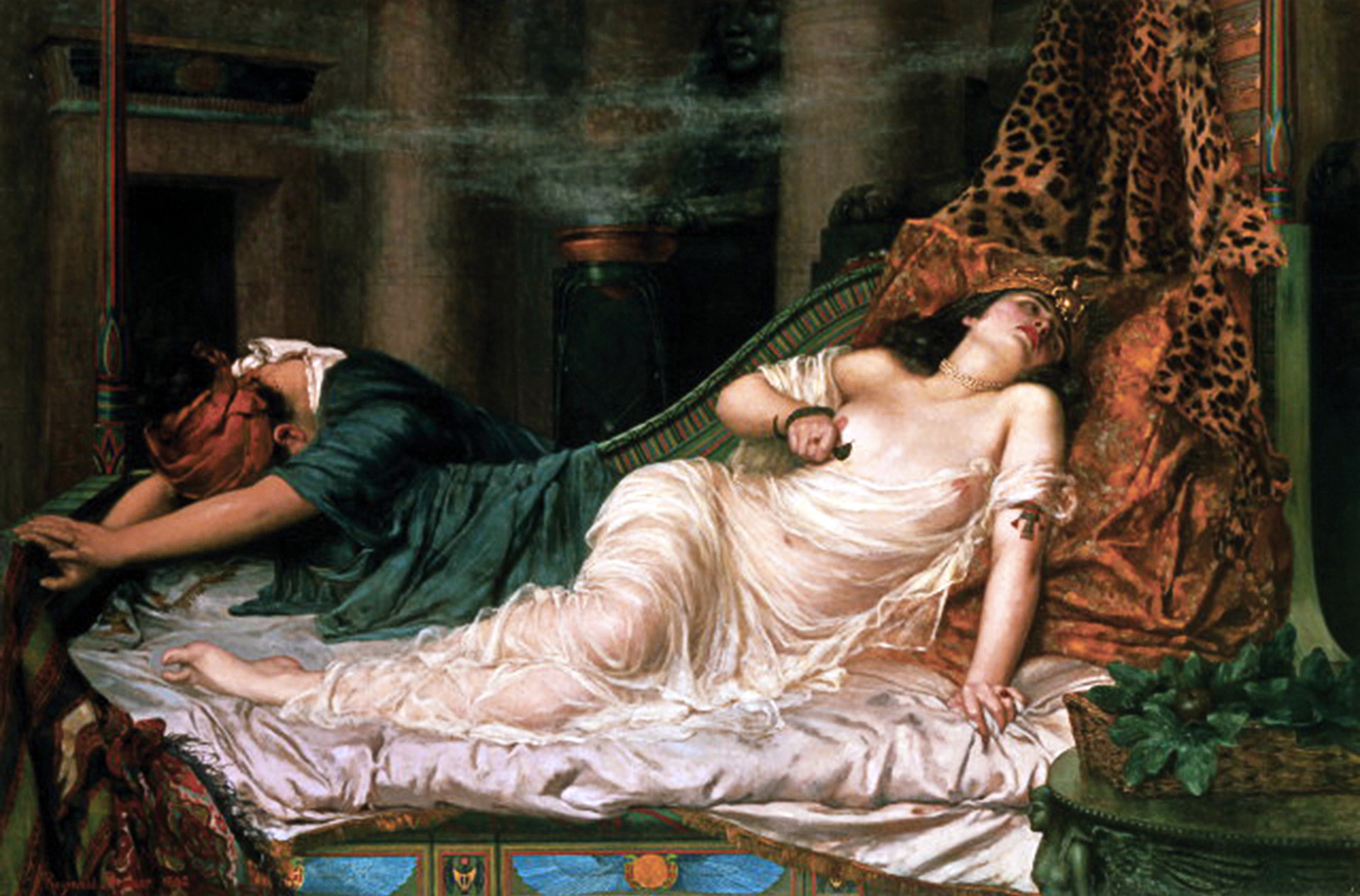
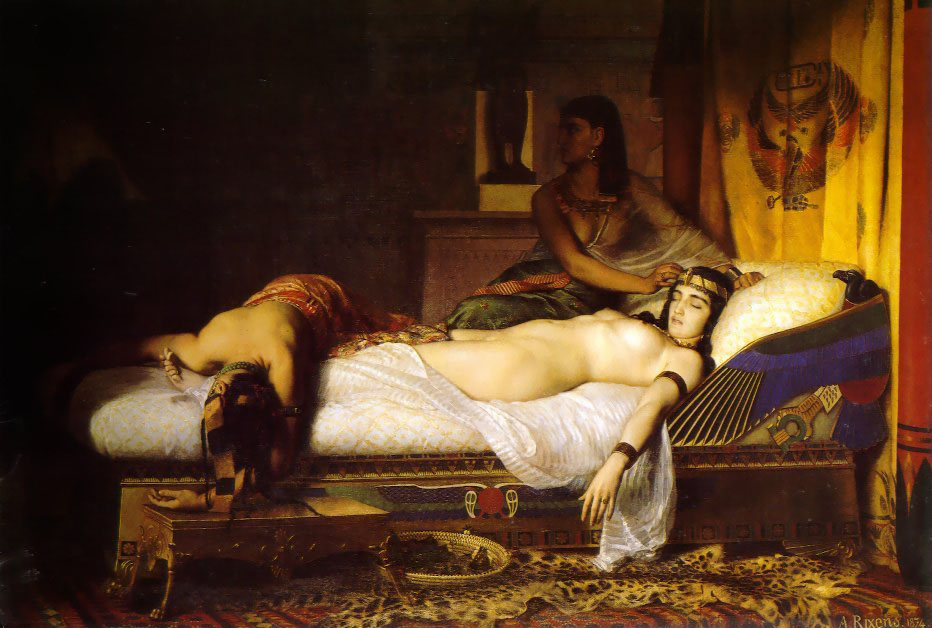
On a sweltering August day in 30 BC, Octavian's guards broke into a sealed mausoleum in Alexandria. They found three women — one dead on a bed of gold, one dying at her feet, and one barely standing, adjusting the dead queen's crown. No snake was ever found in the room.
For two thousand years, the world has told this story wrong.
30 BC
Cleopatra VII, the last pharaoh of Egypt, dies in a sealed mausoleum alongside her handmaidens Iras and Charmion. Ancient sources gave at least five different accounts of how she died. The truth has never been established.
5
Ancient writers recorded her death — and none of them agree.
3
Women dead simultaneously. One snake couldn't kill three.
None
No serpent was ever discovered in the mausoleum. Only "traces near the sea."
The Evidence
The Snake Problem
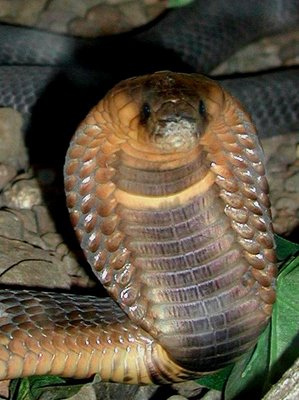
Egyptian cobras measure 5–6 feet long and can reach 8 feet. You cannot hide one in a basket of figs. Only 10% of bites deliver a lethal dose. And cobra venom takes 30 minutes to 2 hours to kill — far too slow for the near-simultaneous deaths described by every ancient source.
The Poison Expert
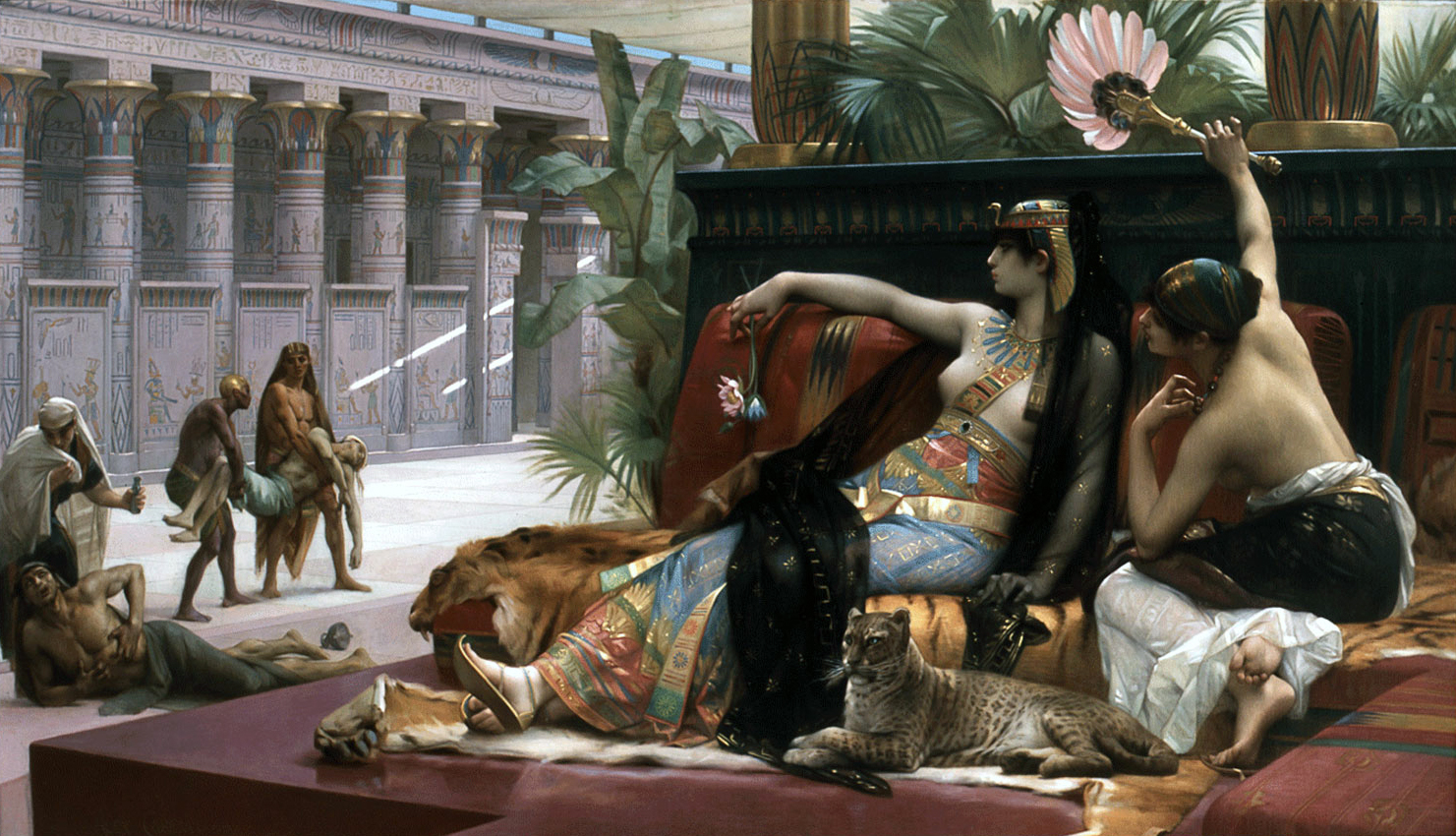
Plutarch records that Cleopatra systematically tested poisons and venoms on condemned prisoners, cataloguing which produced the quickest and most painless death. She found the cobra's bite caused "a heavy drowsiness and sinking." A woman with this knowledge would not leave her death to a snake's unreliable cooperation.
The Doctor's Silence
Plutarch's primary source was Olympos, Cleopatra's personal physician, who assisted her in her final plans and wrote his own account. But Olympos — the one man closest to the truth — never mentioned a snake. Plutarch only introduces the asp story after departing from Olympos's narrative.
The Last Days of Egypt
Battle of Actium
Octavian's fleet crushes Antony and Cleopatra in the Ionian Sea. The couple retreats to Alexandria, their empire crumbling. Within a year, both will be dead.
The Fall of Alexandria
Octavian's legions breach the city. Antony's forces desert. Believing Cleopatra dead, Antony falls on his sword and is carried to her mausoleum, where he dies in her arms.
The Death
Cleopatra sends Octavian a sealed letter requesting burial with Antony. His guards rush to the mausoleum. They find three women — one dead, one dying, one barely standing — and no snake.
The Propaganda
Octavian parades an effigy of Cleopatra with an asp in his Roman triumph — creating the iconic image that would define her death for the next two thousand years.
Plutarch Writes
140 years later, Plutarch records the fullest account — presenting the asp, poison in a comb, and other theories. He concludes: "The truth of the matter no one knows."
Key Figures
Octavian
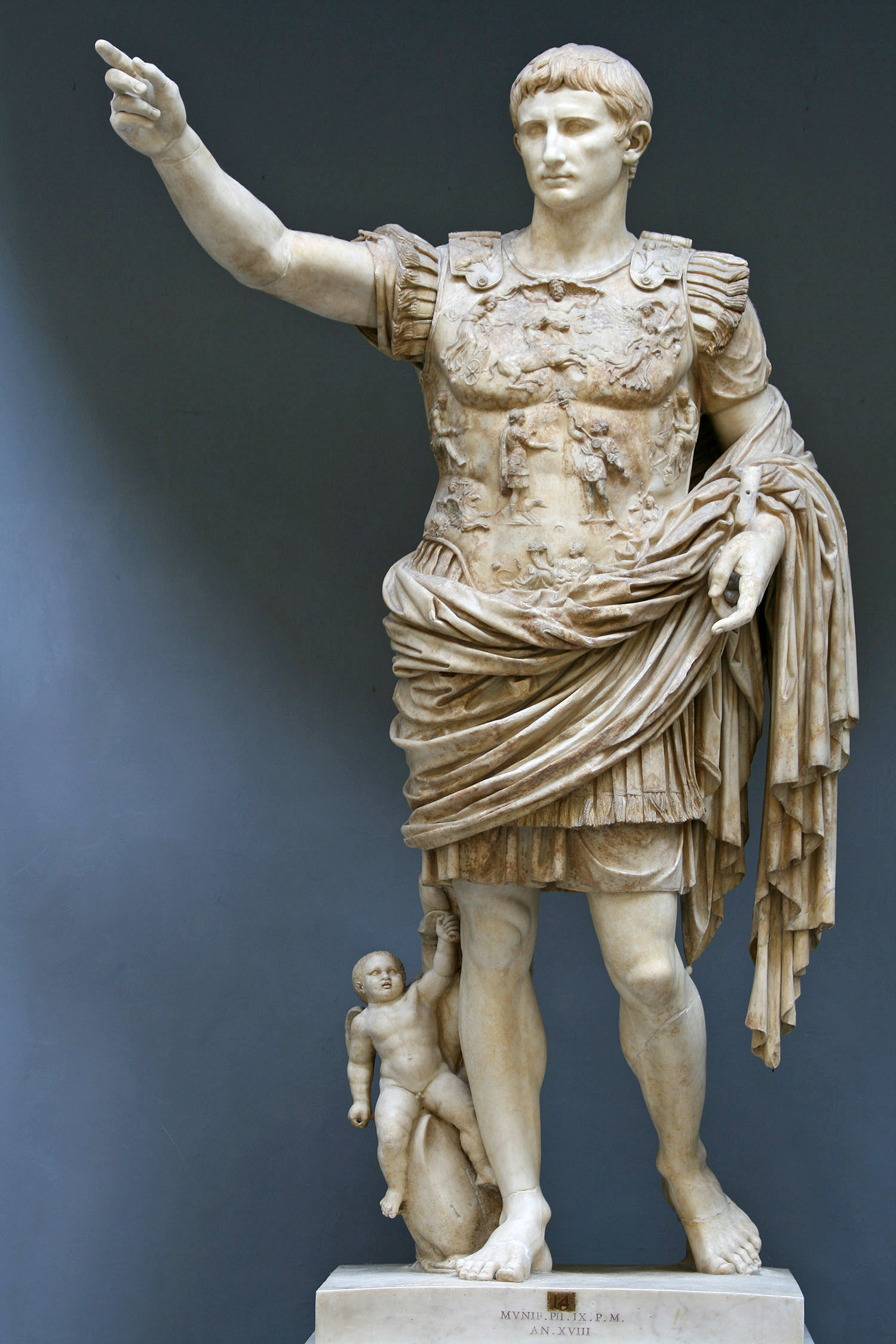
Caesar's adopted son and future Emperor Augustus. He needed Cleopatra alive for his triumph — but feared she would win public sympathy. Her death served his interests. Did he let it happen, or did he order it?
Mark Antony
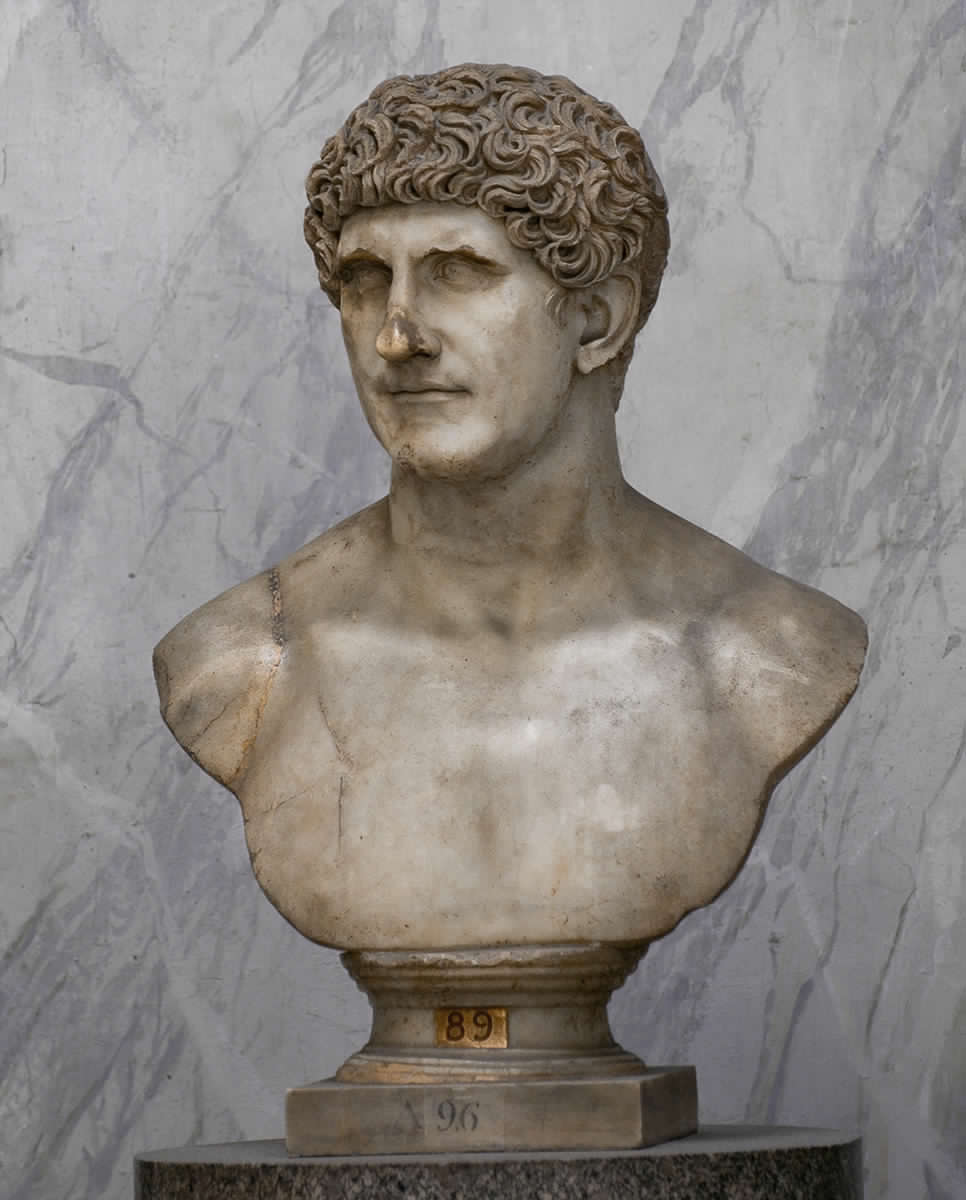
Roman general, Cleopatra's political and romantic partner. He fell on his sword when he believed she was dead, and was carried to her mausoleum to die in her arms. His death set the final act in motion.
The Truth No One Knows
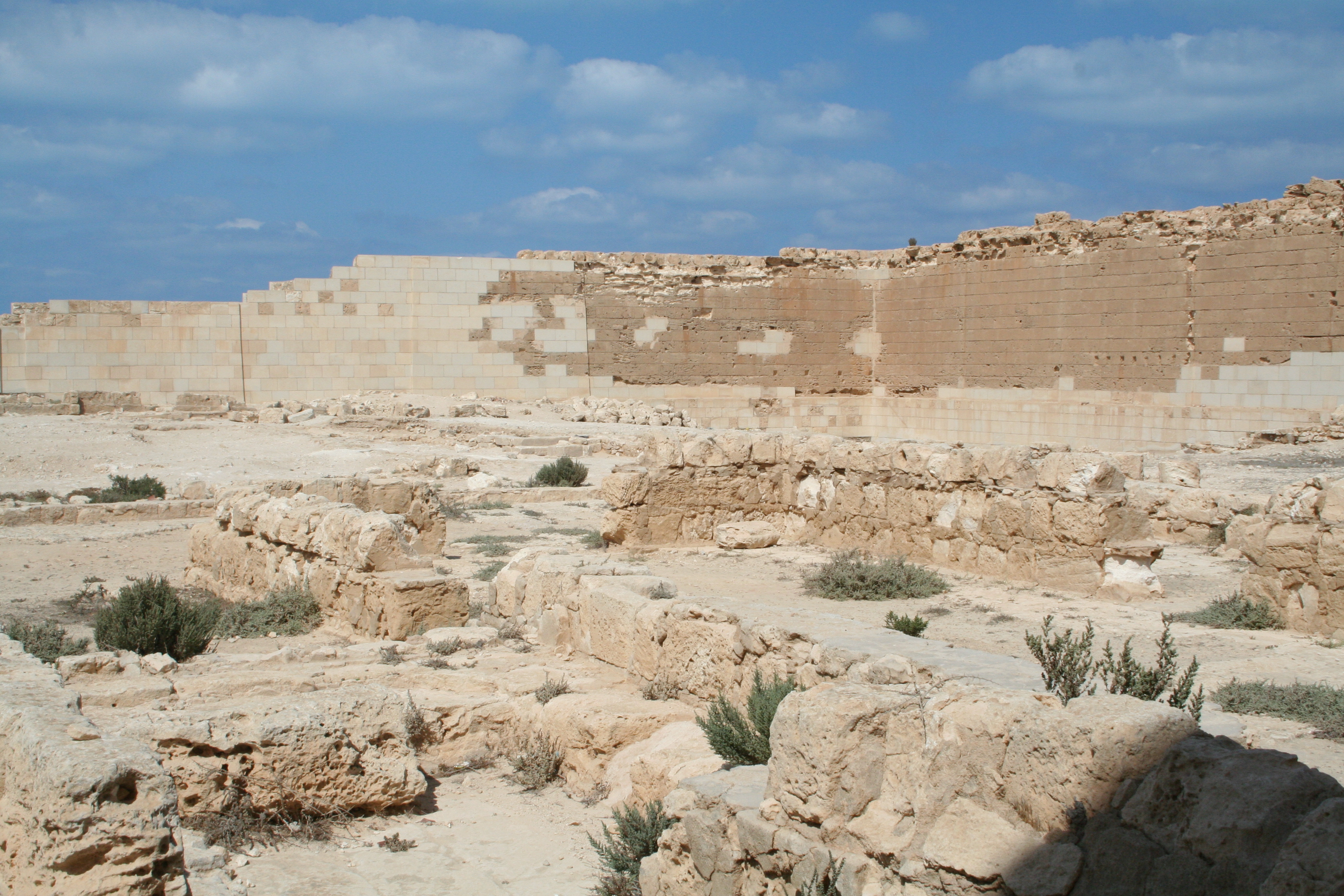
The snake story was irresistible — a divine cobra, a queen choosing death on her own terms, a last act of defiance. But the evidence says otherwise.
Modern toxicologists, historians, and criminal profilers increasingly agree: Cleopatra almost certainly did not die by snake bite.
Get the Full Book
The complete investigation into one of history's most famous cold cases — eight chapters of narrative nonfiction that will change how you see one of the ancient world's most iconic deaths.