The Black Dahlia
Hollywood's Most Haunting Cold Case
On a January morning in 1947, a young mother walking with her three-year-old daughter along a quiet Los Angeles street saw a pale shape in a vacant lot and thought it was a department store mannequin. It was the bisected body of twenty-two-year-old Elizabeth Short — and the beginning of the most infamous unsolved murder in American history.
Over 750 investigators. More than 150 suspects. Sixty false confessions. And nearly eighty years later, not a single arrest.
1947
Elizabeth Short, 22, found bisected in a vacant lot in Leimert Park, Los Angeles. She was last seen alive six days earlier at the Biltmore Hotel.
750+
The largest LAPD investigation of its era.
60+
False confessions from 'Confessing Sams' seeking notoriety.
150+
Named suspects investigated. No arrest has ever been made.
The Evidence
The Black Dahlia
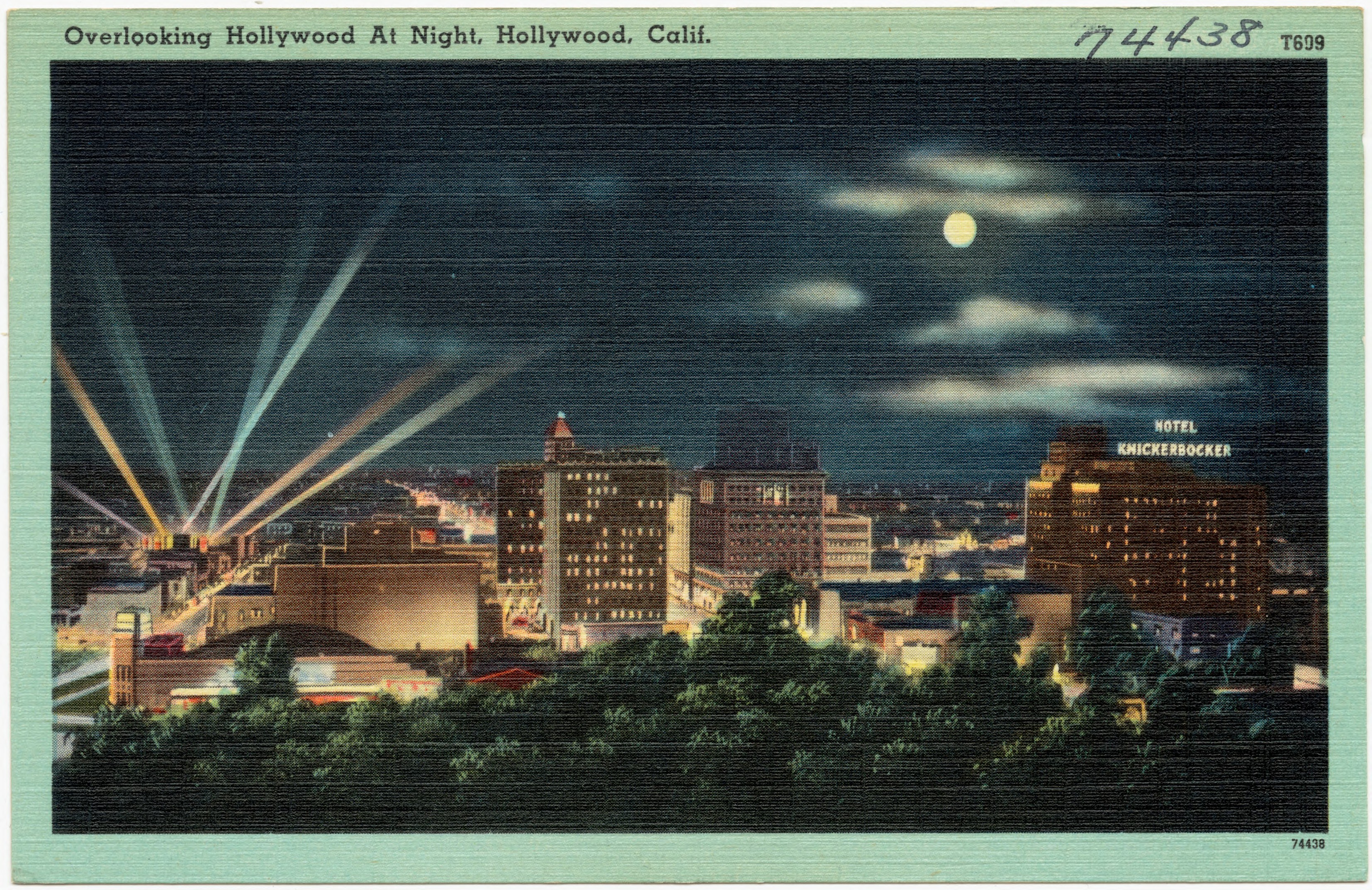
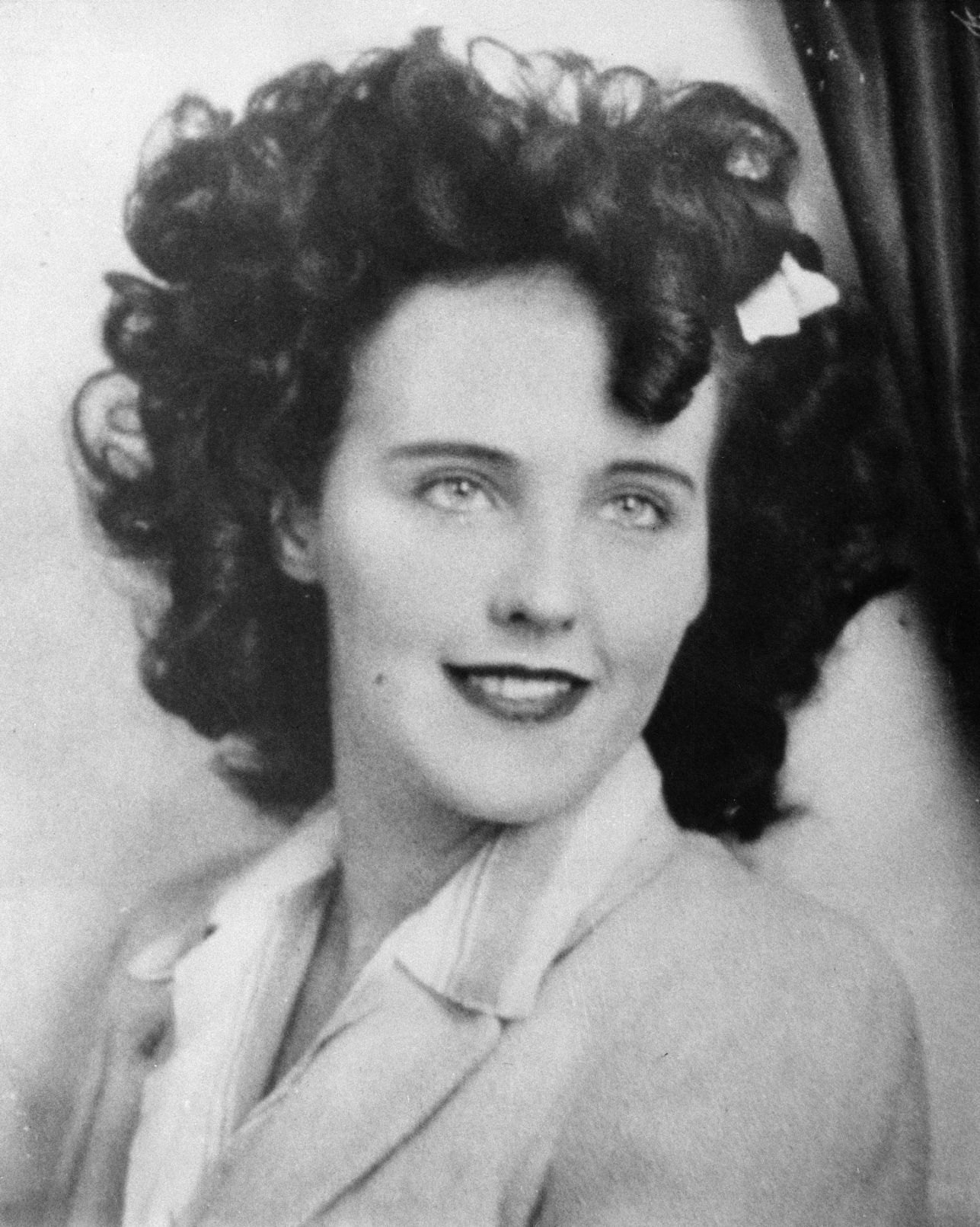
Her nickname came from the 1946 film The Blue Dahlia and her habit of wearing all black — black dresses, black suede shoes, a black coat. Elizabeth Short was an aspiring actress living behind the Florentine Gardens nightclub on Hollywood Boulevard, drifting between rooming houses and borrowed beds, chasing a dream the city had no intention of giving her.
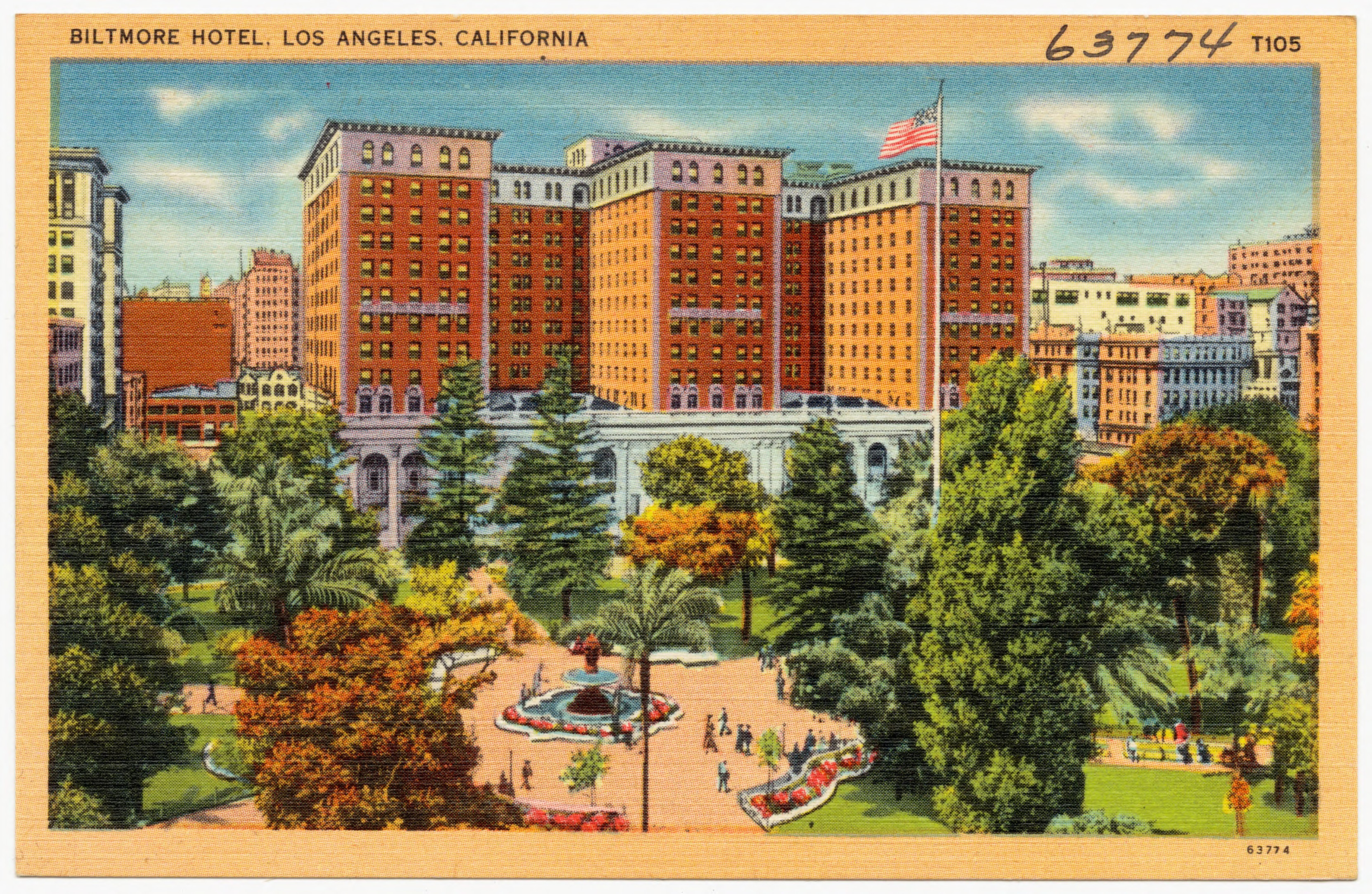
The Biltmore Hotel
Red Manley, a traveling salesman, dropped Elizabeth Short at the Biltmore Hotel lobby at 6:30 PM on January 9, 1947. She told him she was meeting her sister. The hotel doorman later recalled seeing her make a phone call from the lobby. Around 10 PM, she was seen leaving through the Olive Street exit — alone. Then six days of silence.
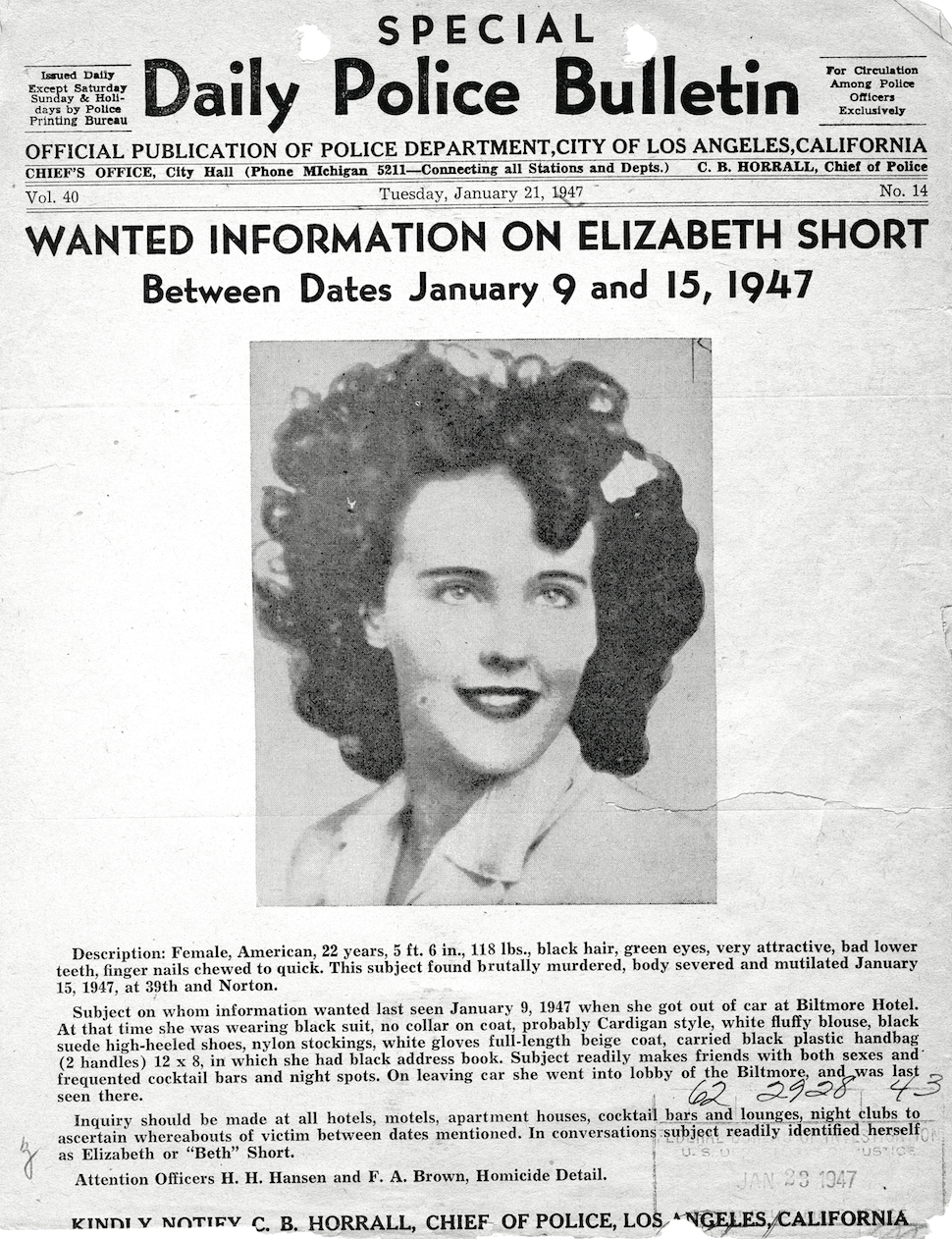
The Avenger
On January 24, a gasoline-washed envelope arrived at the Los Angeles Examiner. Inside: Elizabeth Short's birth certificate, business cards, photographs, and Mark Hansen's address book — with certain pages torn out. A pasted-letter message on the envelope read: "Here is Dahlia's Belongings. Letter to Follow." A second note taunted: "Had my fun at police."
The Black Dahlia
Last Seen Alive
Dropped at the Biltmore Hotel by Red Manley at 6:30 PM. Seen leaving via the Olive Street exit around 10 PM. Then silence.
The Discovery
Betty Bersinger discovers the body in a vacant lot on South Norton Avenue, Leimert Park. Bisected, exsanguinated, posed.
The Envelope
A gasoline-washed package arrives at the LA Examiner containing Short's belongings and Mark Hansen's address book with pages torn out.
The Wiretap
LAPD surveillance of Dr. George Hodel captures him saying: "Supposin' I did kill the Black Dahlia. They couldn't prove it now."
A Son's Investigation
Retired LAPD detective Steve Hodel publishes "Black Dahlia Avenger," making the case that his own father was the killer.
Key Figures
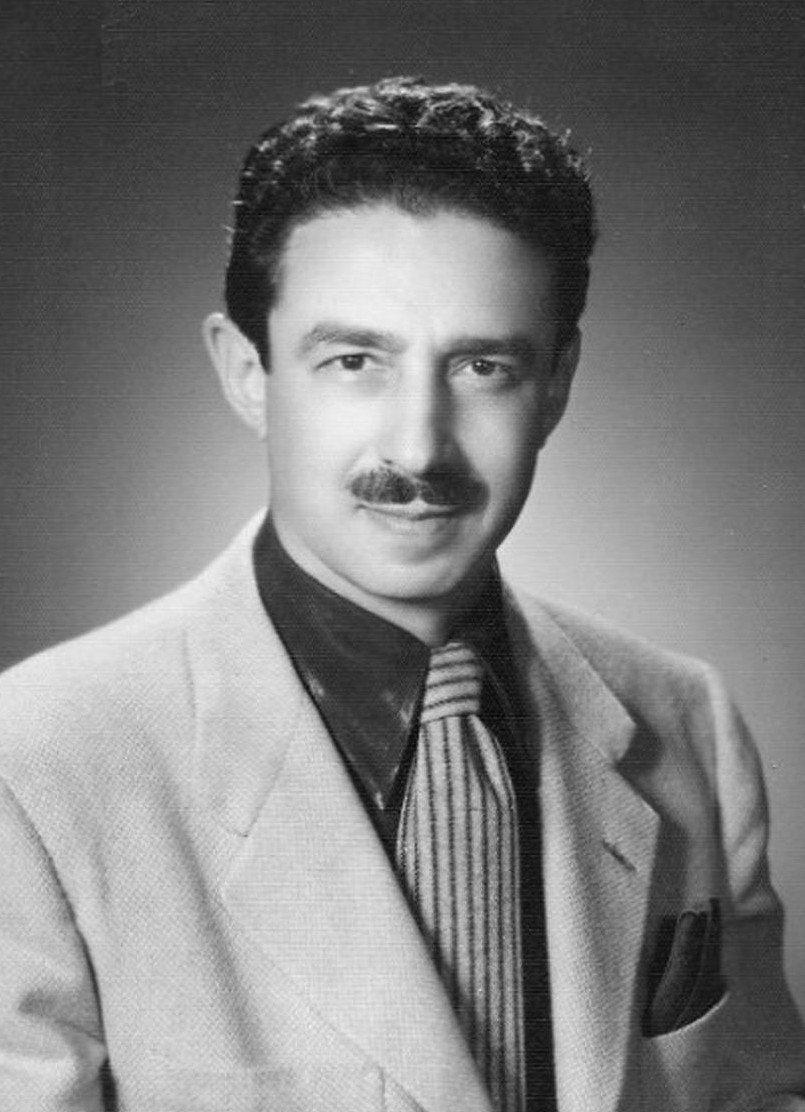
Dr. George Hodel
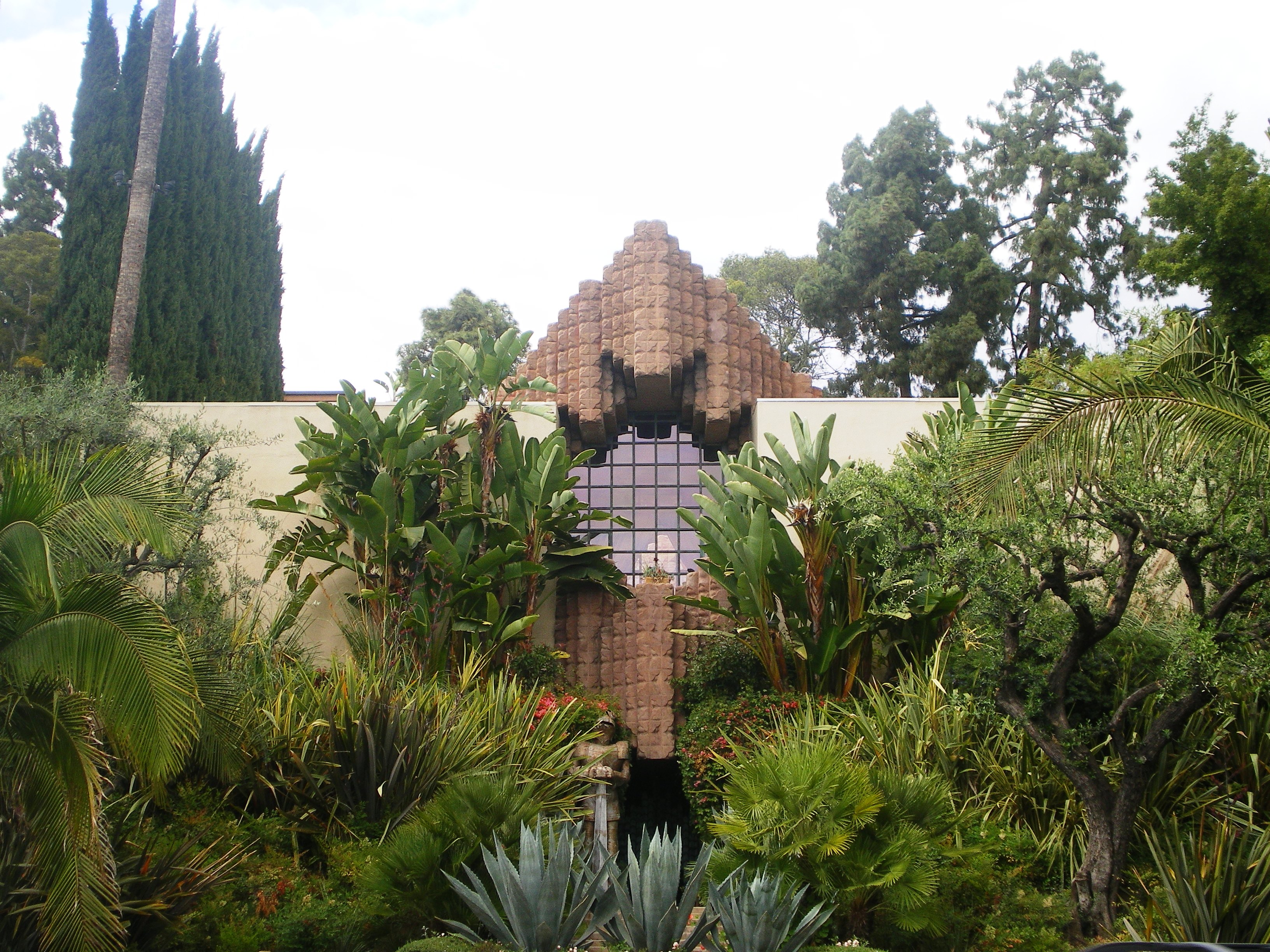
Prominent LA physician who lived in the Sowden House. Medical training matching the surgical precision of the bisection. Caught on wiretap: "Supposin' I did kill the Black Dahlia." Fled to the Philippines. His own son, an LAPD detective, later identified him as the killer.
Elizabeth Short
Born in Medford, Massachusetts. Abandoned by her father at age six. Arrested at nineteen. Moved to Hollywood with dreams that never materialized. Murdered at twenty-two. She has become an archetype of American noir — sunshine and shadow, aspiration and exploitation.
The Case That Will Never Die
Nearly eighty years later, the Black Dahlia case remains officially open. All principal suspects are dead. The evidence has degraded. DNA testing may never produce a match.
But the case endures — in novels, films, podcasts, and the collective imagination of a city built on dreams and shadows. Elizabeth Short asked Hollywood for a story. Hollywood gave her one she never wanted.
Get the Full Book
Eight chapters tracing every lead, every suspect, and every theory in Hollywood's darkest cold case.