Ball Lightning
The Fire That Walks Through Walls
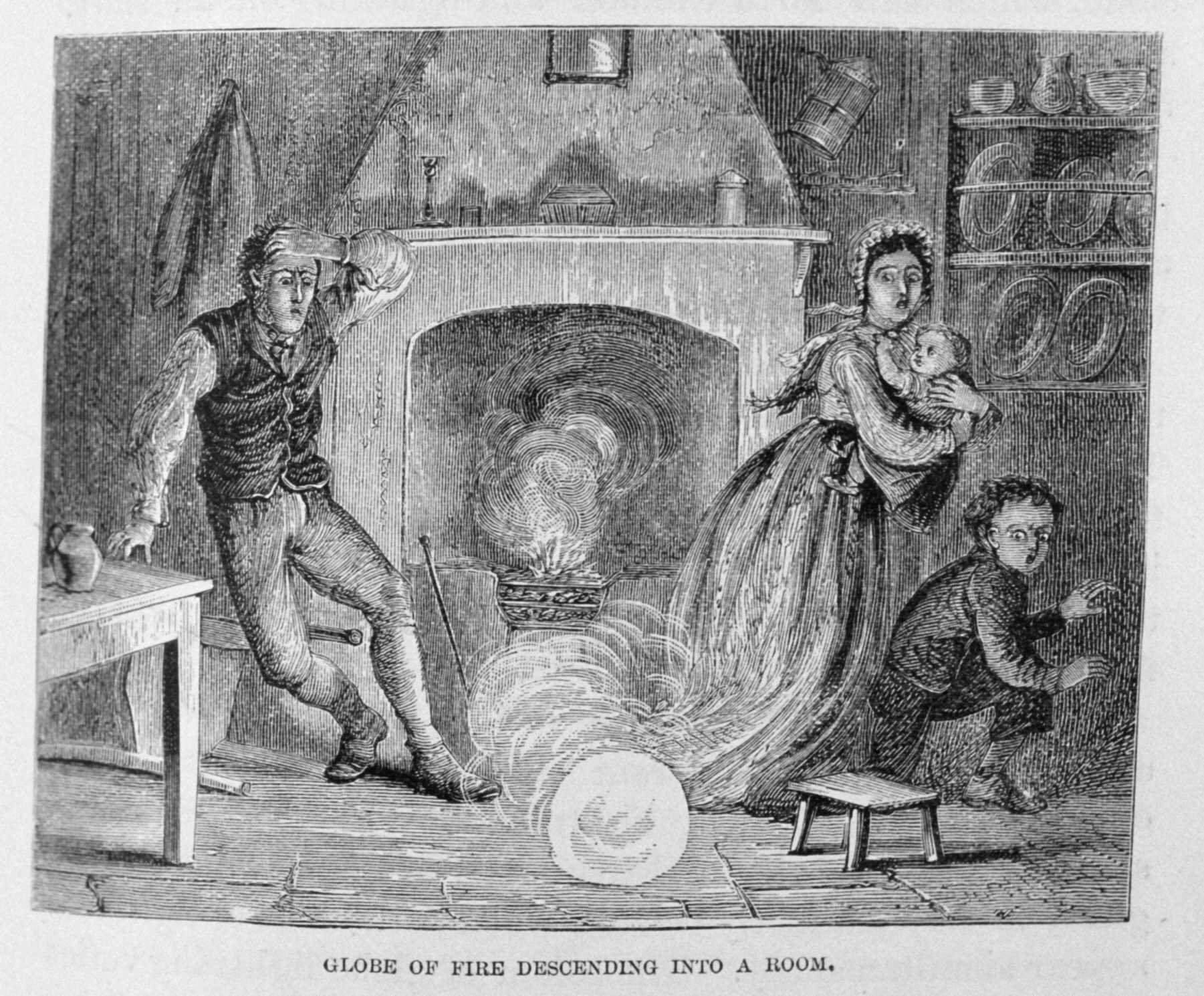
On a Sunday afternoon in 1638, a ball of fire smashed through the window of a packed Devon church, killing four worshippers and injuring sixty. The congregation blamed the Devil. Nearly four centuries later, science still cannot fully explain what happened. They call it ball lightning — glowing spheres that appear in thunderstorms, drift through walls, and vanish without a trace.
Over 5,000 eyewitness reports. Over 100 competing theories. Zero consensus.
1195
Earliest known record — a medieval monk in Canterbury describes a "fiery globe" descending near London. Ball lightning has been observed on every continent, in every century since.
1–180s
Balls persist from one second to three minutes — millions of times longer than a lightning bolt.
1cm–15m
From pea-sized to larger than a car. Most reports describe balls the size of a human head.
87
Documented cases of ball lightning encounters with aircraft, including three military losses.
The Evidence
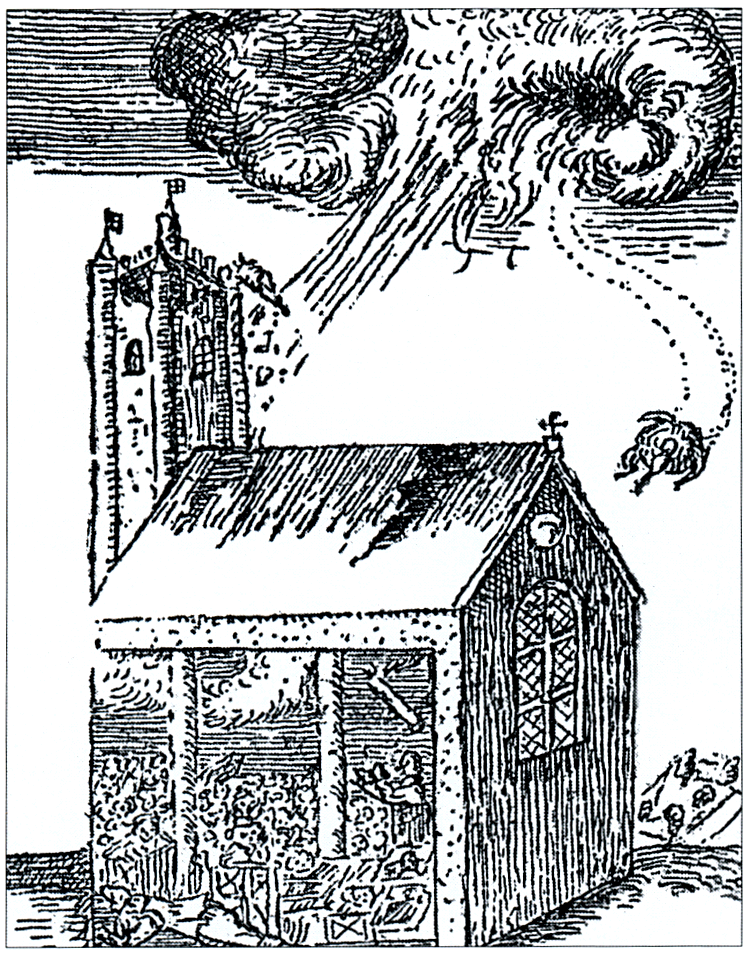
The Devil's Church
A ball of fire entered the Church of St Pancras during a packed Sunday service, killing four and injuring sixty. A contemporary woodcut depicted the Devil perched on the tower — the only explanation the seventeenth century could offer. The event is one of the earliest well-documented encounters with ball lightning.
The Scientist's Death
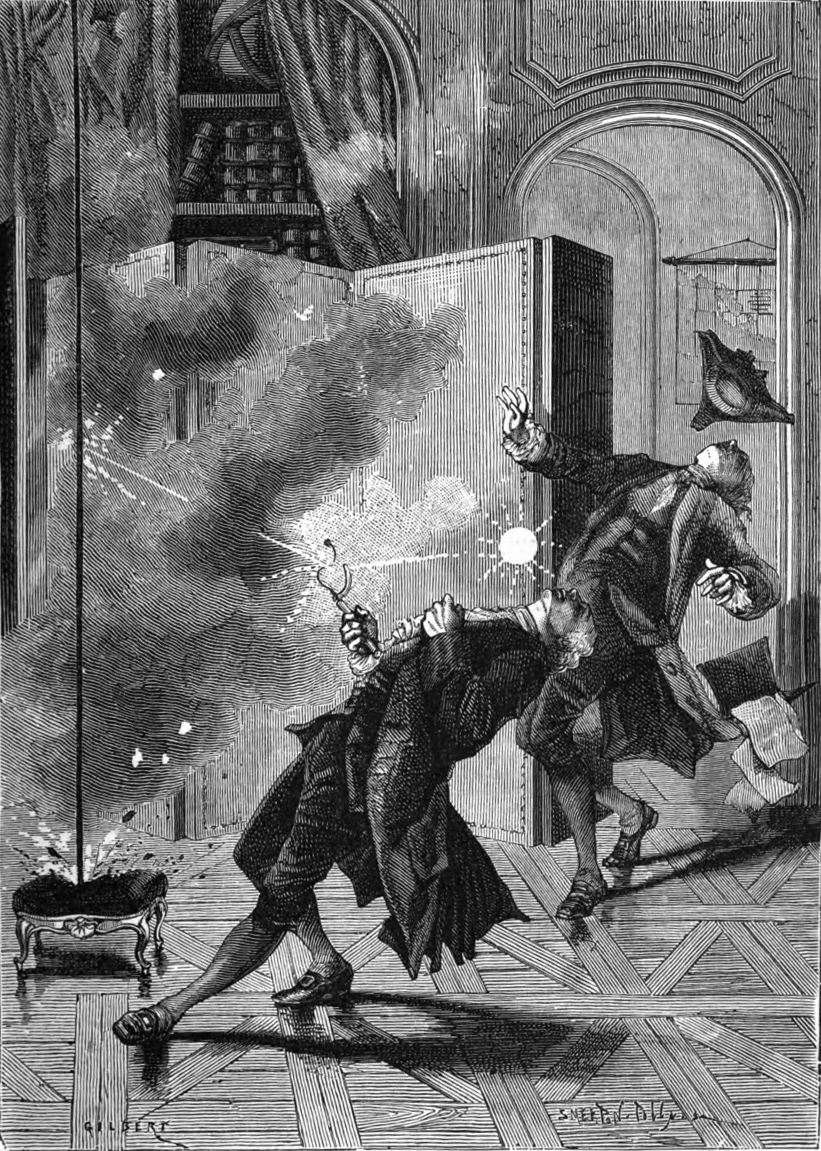
Professor Georg Wilhelm Richmann was measuring atmospheric electricity when a pale blue ball of fire appeared near his apparatus and struck him in the forehead. He became the first scientist killed during an electrical experiment — and the first scientific casualty of ball lightning.
The First Spectrum
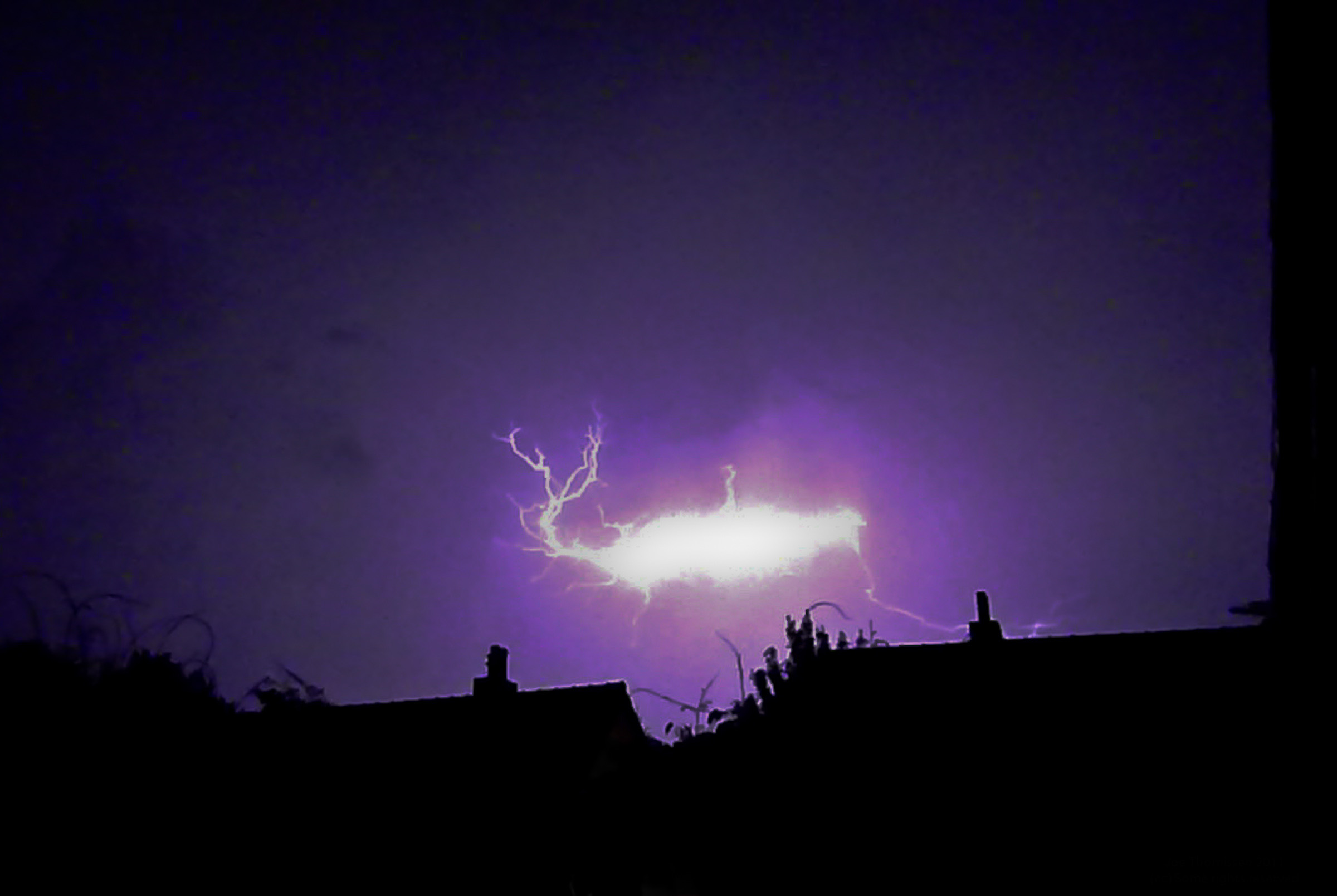
In 2012, Chinese researchers captured the first-ever video and emission spectrum of natural ball lightning. The spectrum revealed silicon, iron, and calcium — elements from vaporized soil, not air. The breakthrough was published in Physical Review Letters and remains the strongest scientific data ever obtained.
Centuries of Mystery
The Widecombe Disaster
A ball of fire enters a Devon church during a thunderstorm, killing four and injuring sixty. The event is blamed on the Devil and commemorated in a famous woodcut.
Richmann's Death
Georg Wilhelm Richmann becomes the first scientist killed during an electrical experiment when ball lightning strikes him in his St Petersburg laboratory.
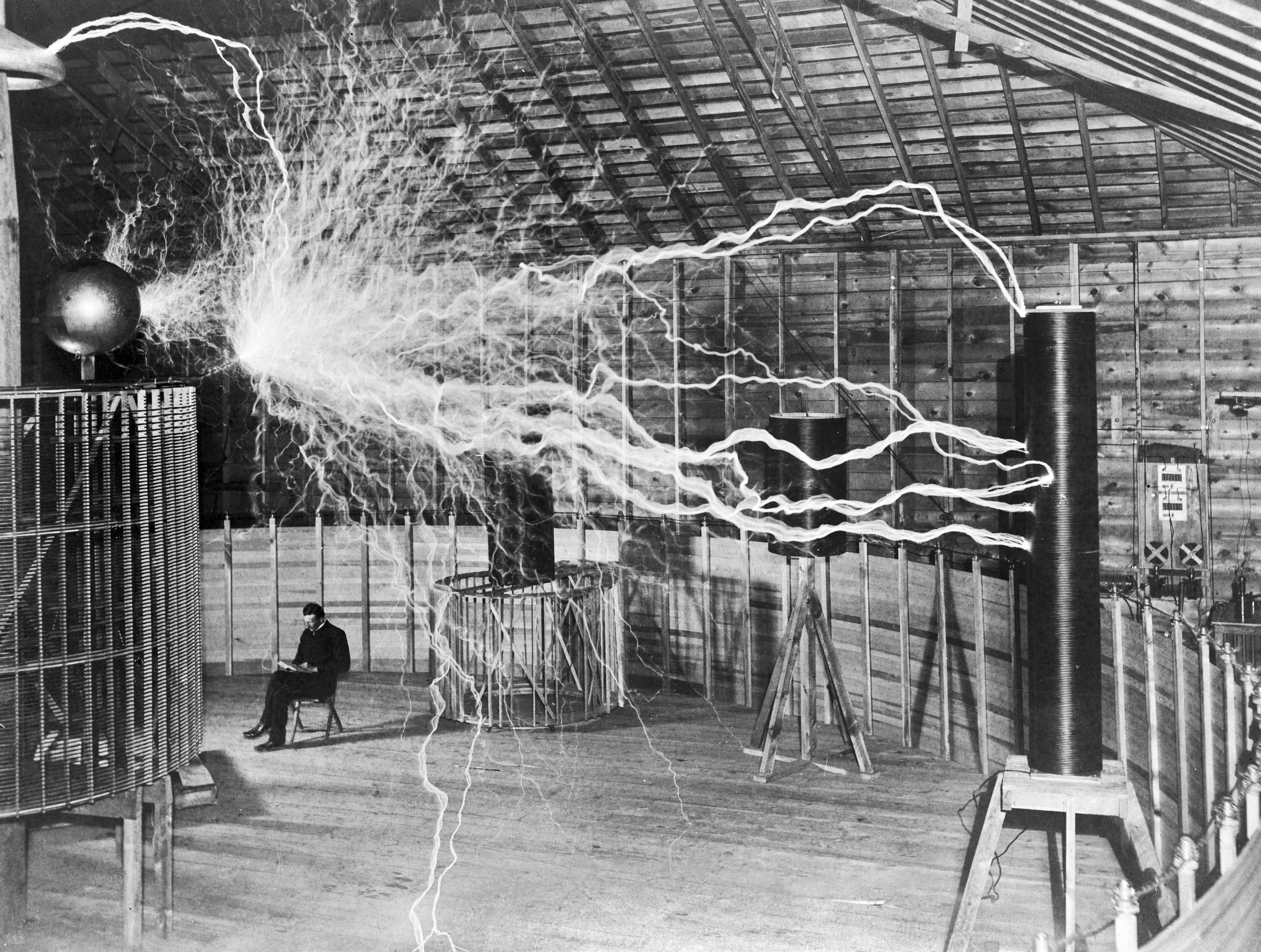
Tesla's Fireballs
Nikola Tesla accidentally produces small, stable fireballs in his Colorado Springs laboratory while experimenting with his magnifying transmitter.
Kapitsa's Theory
Nobel laureate Pyotr Kapitsa proposes that ball lightning is caused by standing electromagnetic waves — the most influential theory ever advanced.
First Spectrum Captured
Chinese researchers on the Qinghai Plateau capture the first scientific spectrum of natural ball lightning, finding silicon, iron, and calcium from vaporized soil.
Key Figures
François Arago
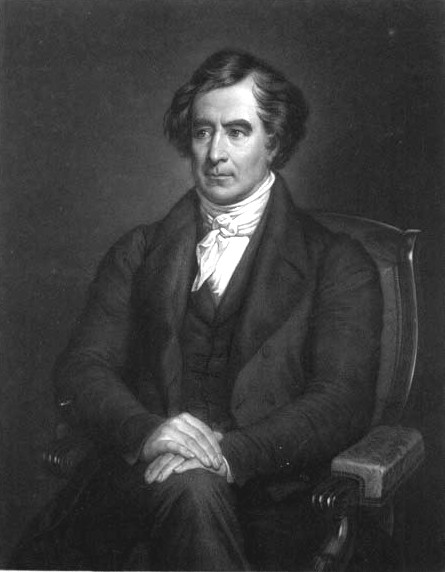
French astronomer who compiled the first systematic scientific catalogue of ball lightning, describing thirty instances in his 1855 book. He made it impossible for science to ignore the phenomenon.
Pyotr Kapitsa
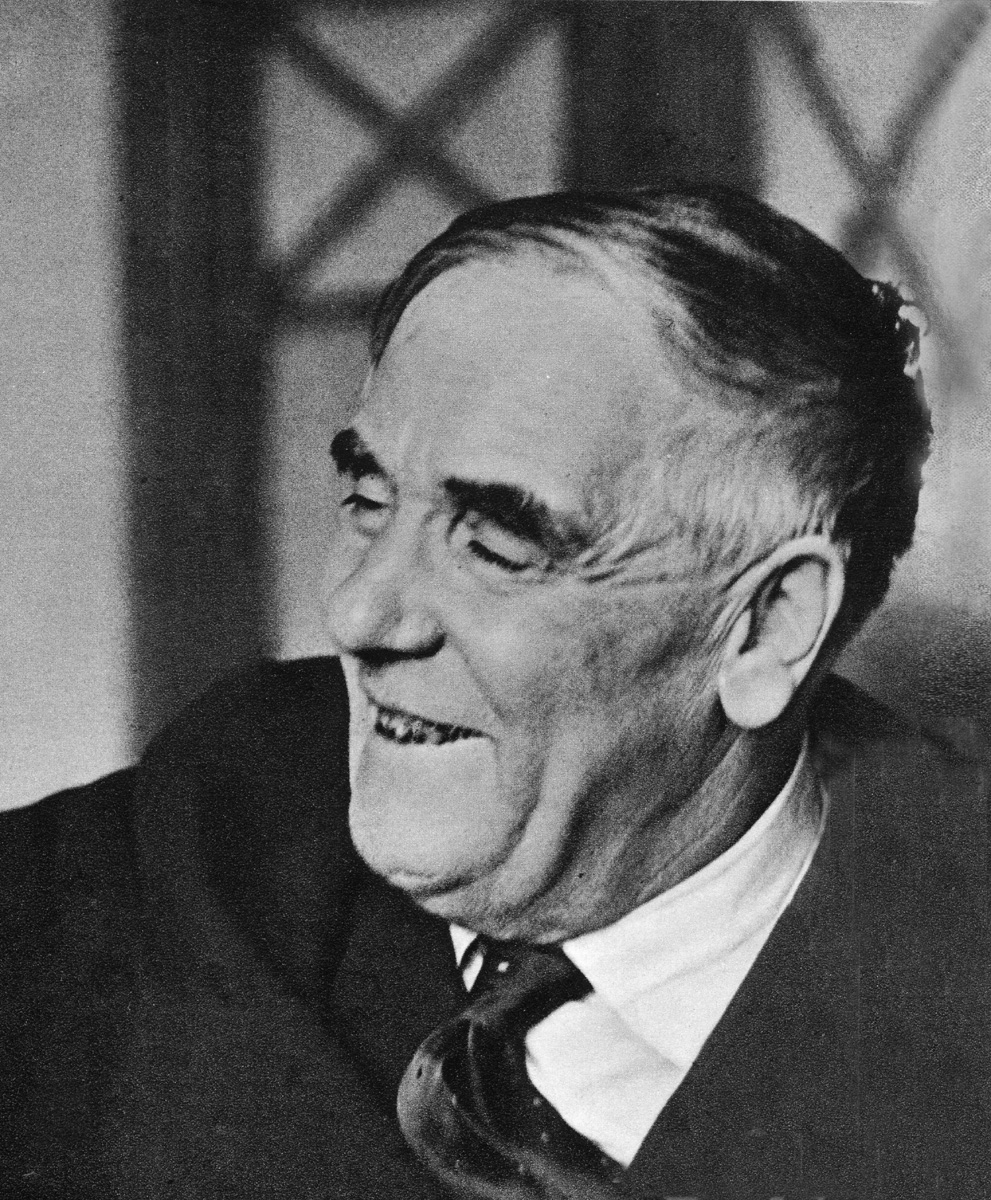
Nobel Prize-winning Soviet physicist who proposed the electromagnetic standing wave theory in 1955. His willingness to take ball lightning seriously gave permission to a generation of researchers.
The Fire Still Walks
After nearly a thousand years of observation, over a hundred theories, and one single spectrum captured on a Chinese plateau — ball lightning remains unsolved.
It has killed scientists, entered aircraft, passed through walls, and defied every explanation offered. The fire still walks. And we still do not know why.
Get the Full Book
The complete story of the phenomenon that has baffled science for centuries — from the Devil's church to the Qinghai Plateau.