
Atlantis
Deconstructing Plato's Original Myth
Everyone knows the story of Atlantis — the island paradise that sank beneath the waves. Almost nobody has read the original. What Plato actually wrote is stranger, more political, and more deliberately fictional than the legend suggests.
A philosopher's parable. A 2,400-year misunderstanding. And the myth that refuses to die.
2 Texts
The entire Atlantis story comes from just two of Plato's dialogues — the Timaeus and the Critias. No other ancient source independently corroborates the account.
9,000 yr
Before Solon — placing events in 9600 BCE, deep in the Mesolithic.
Dozens
From the Sahara to the Caribbean, centuries of searching have found nothing.
40+
Santorini, Sardinia, Antarctica, Bimini, the Richat Structure — everyone sees Atlantis where they want to.
The Evidence
The Only Source
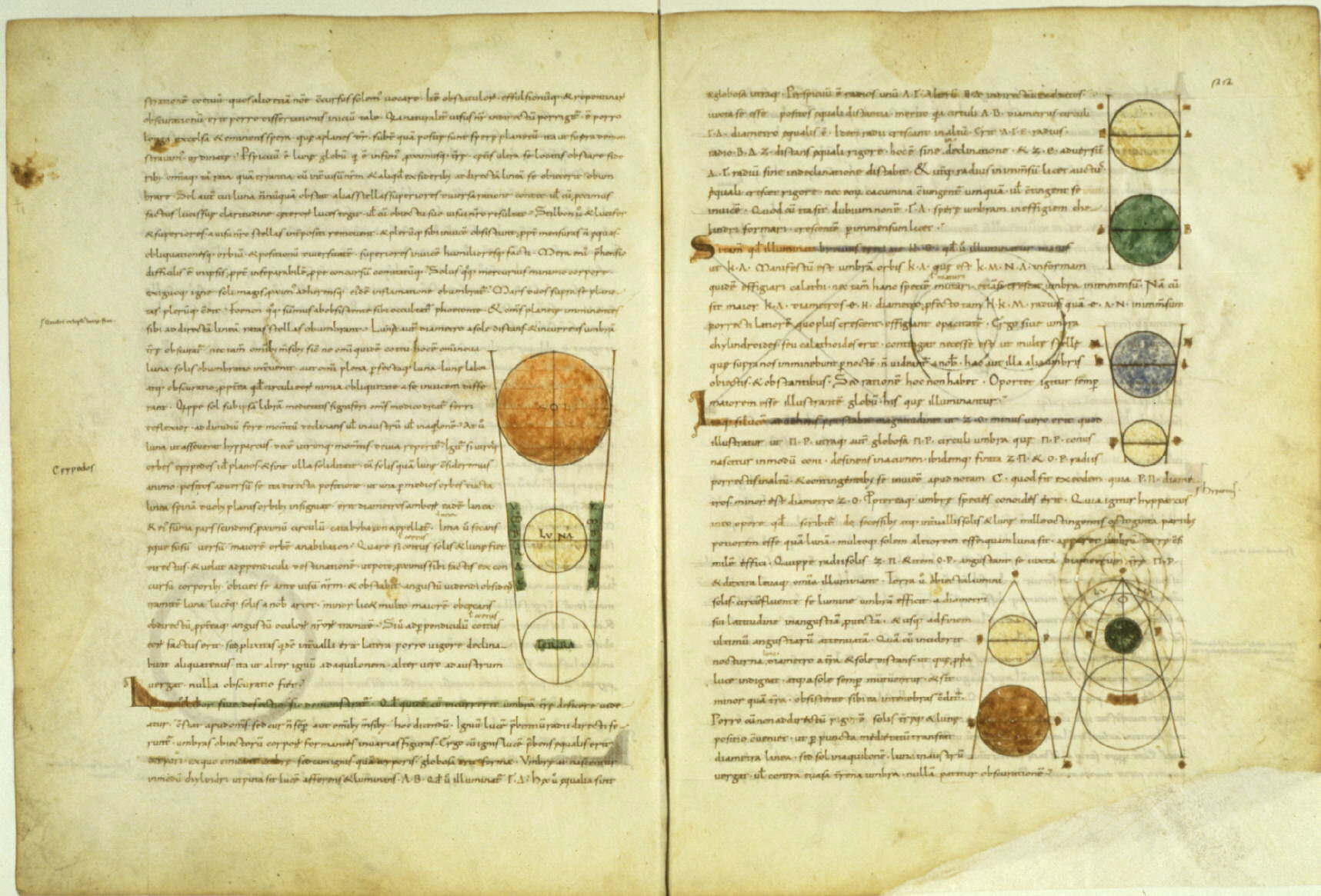
Every detail about Atlantis traces back to two dialogues by Plato, written around 360 BCE. The Critias breaks off mid-sentence — in the middle of Zeus's speech. No Egyptian record of the story has ever been found.
The Minoan Connection
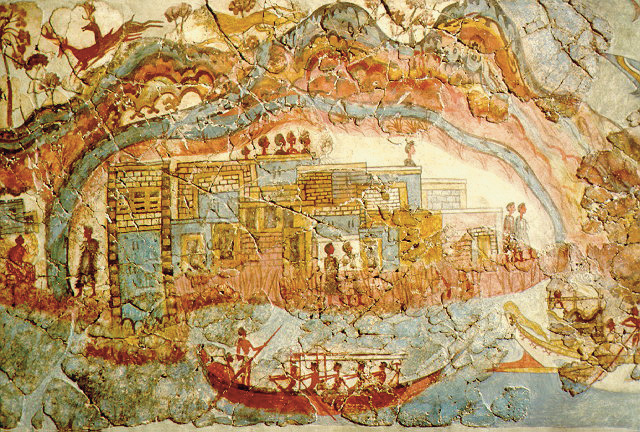
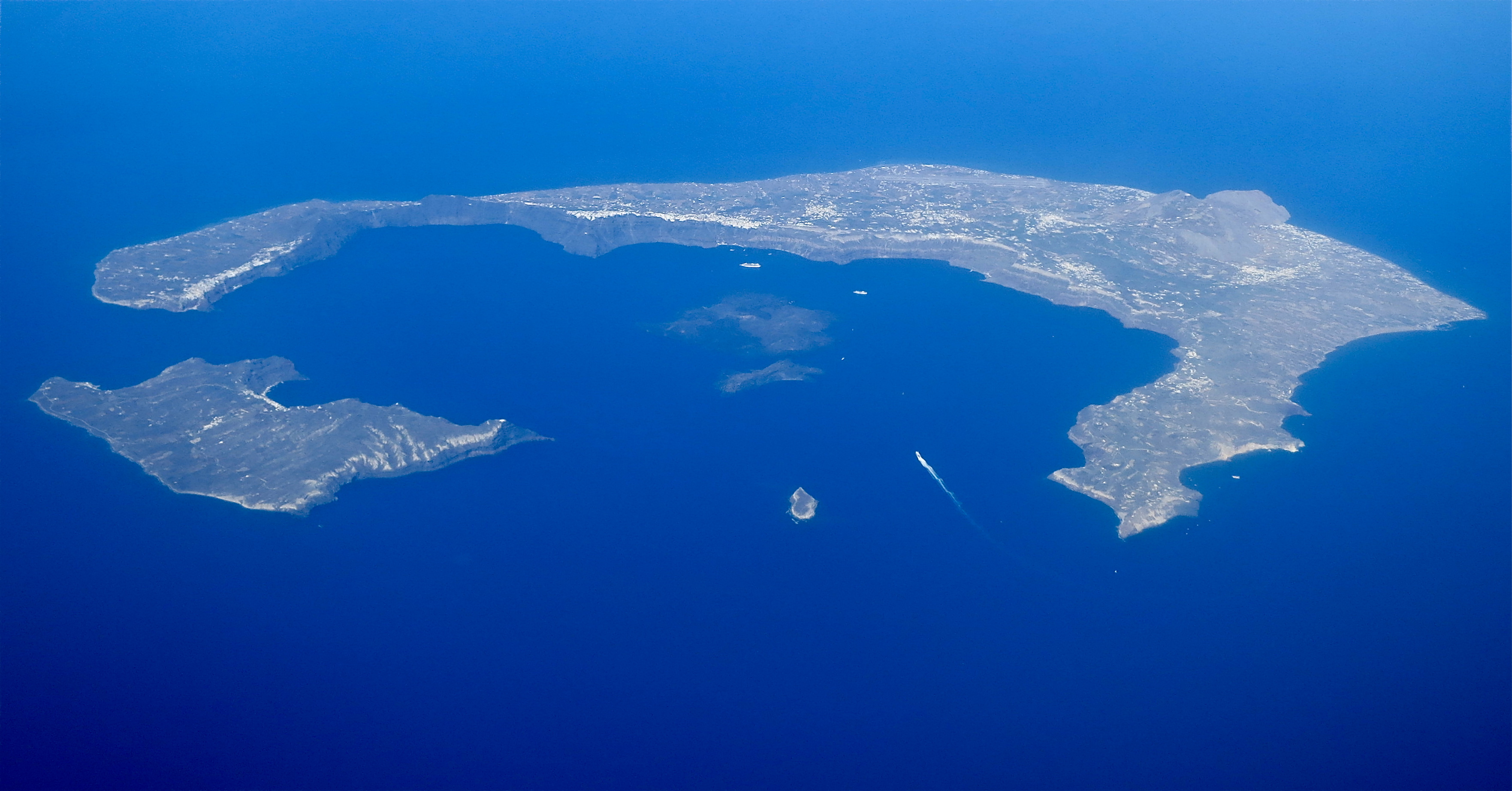
The eruption of Thera around 1600 BCE destroyed the Minoan settlement at Akrotiri. The Thera-Atlantis theory is seductive — but requires changing the date, location, size, and civilisation Plato described.
The Richat Structure
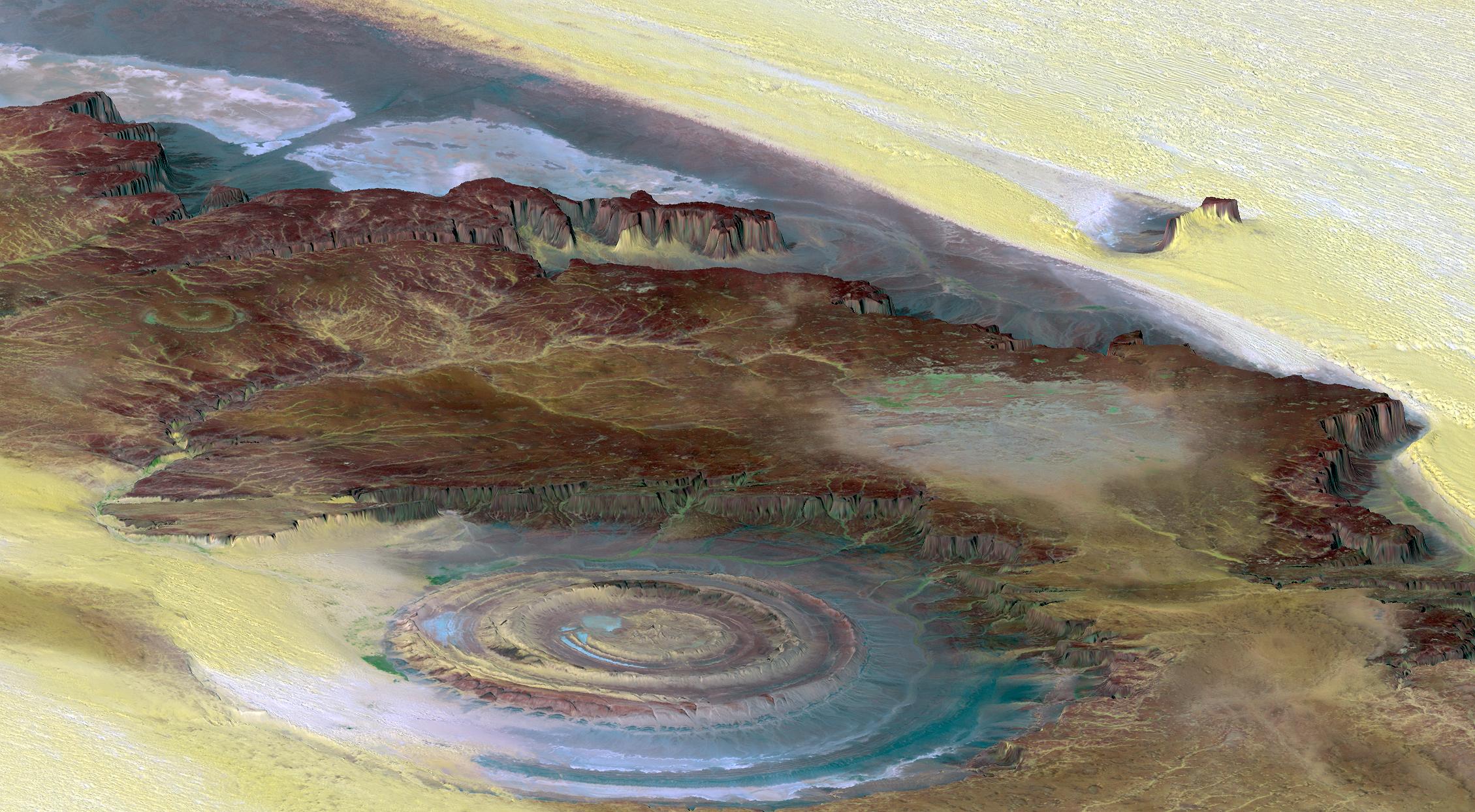
A 40-kilometre geological formation in the Sahara with concentric rings. Popular on YouTube, dismissed by geologists — it's 100 million years old, has never been underwater, and contains no artefacts.
The Life of a Myth
Plato Writes
Plato composes the Timaeus and Critias, introducing the story of Atlantis as a philosophical parable about power, corruption, and divine justice.
Aristotle's Verdict
"The man who dreamed it up also made it disappear." Plato's own student treats the story as fiction.
Kircher's Map
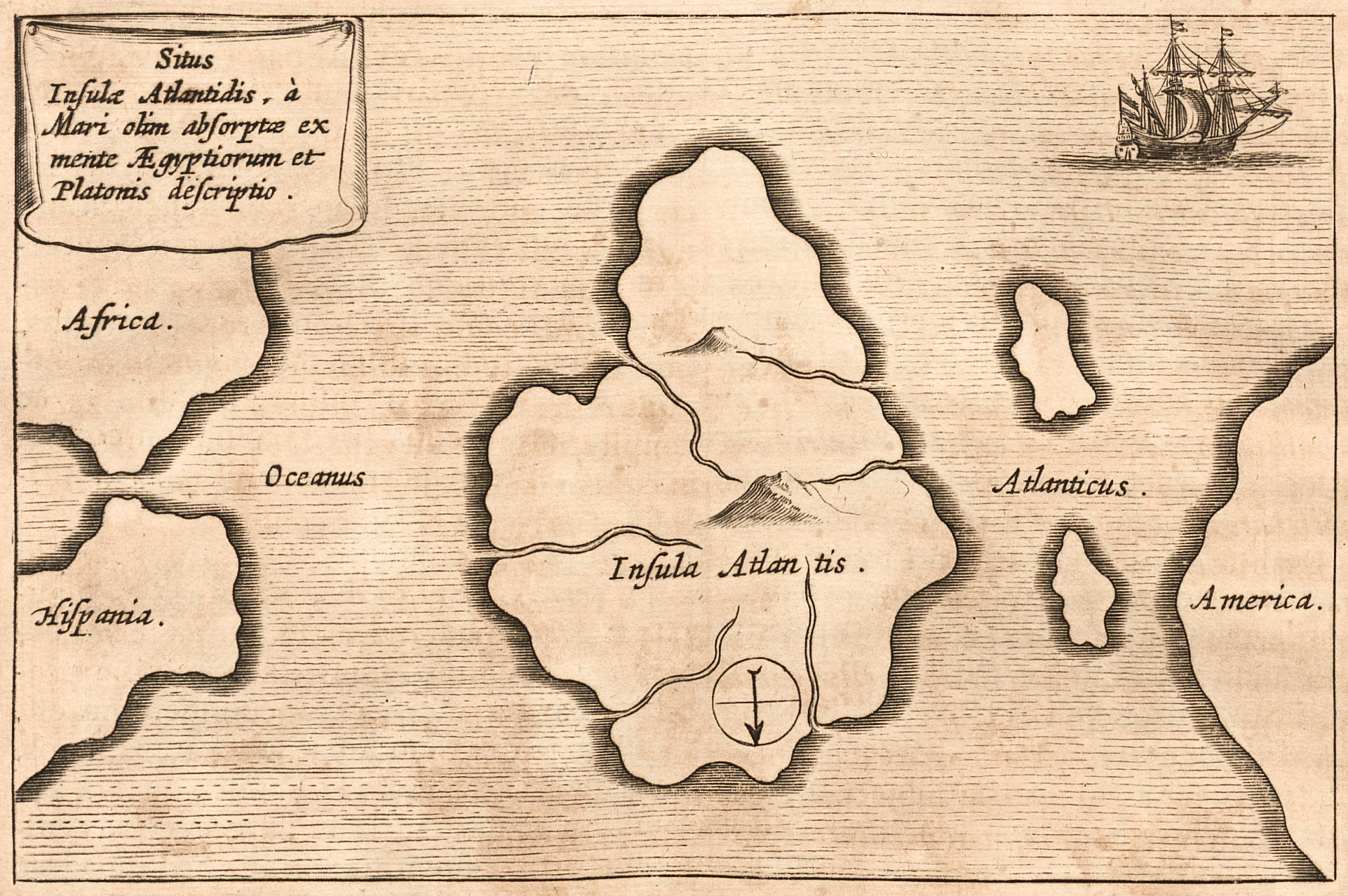
Athanasius Kircher publishes the first "map" of Atlantis — placed in the mid-Atlantic with no evidence. The image becomes iconic.
Donnelly's Bestseller
Ignatius Donnelly publishes Atlantis: The Antediluvian World, launching the modern obsession. Every fringe theory since traces its roots here.
The Philosopher and the Believer
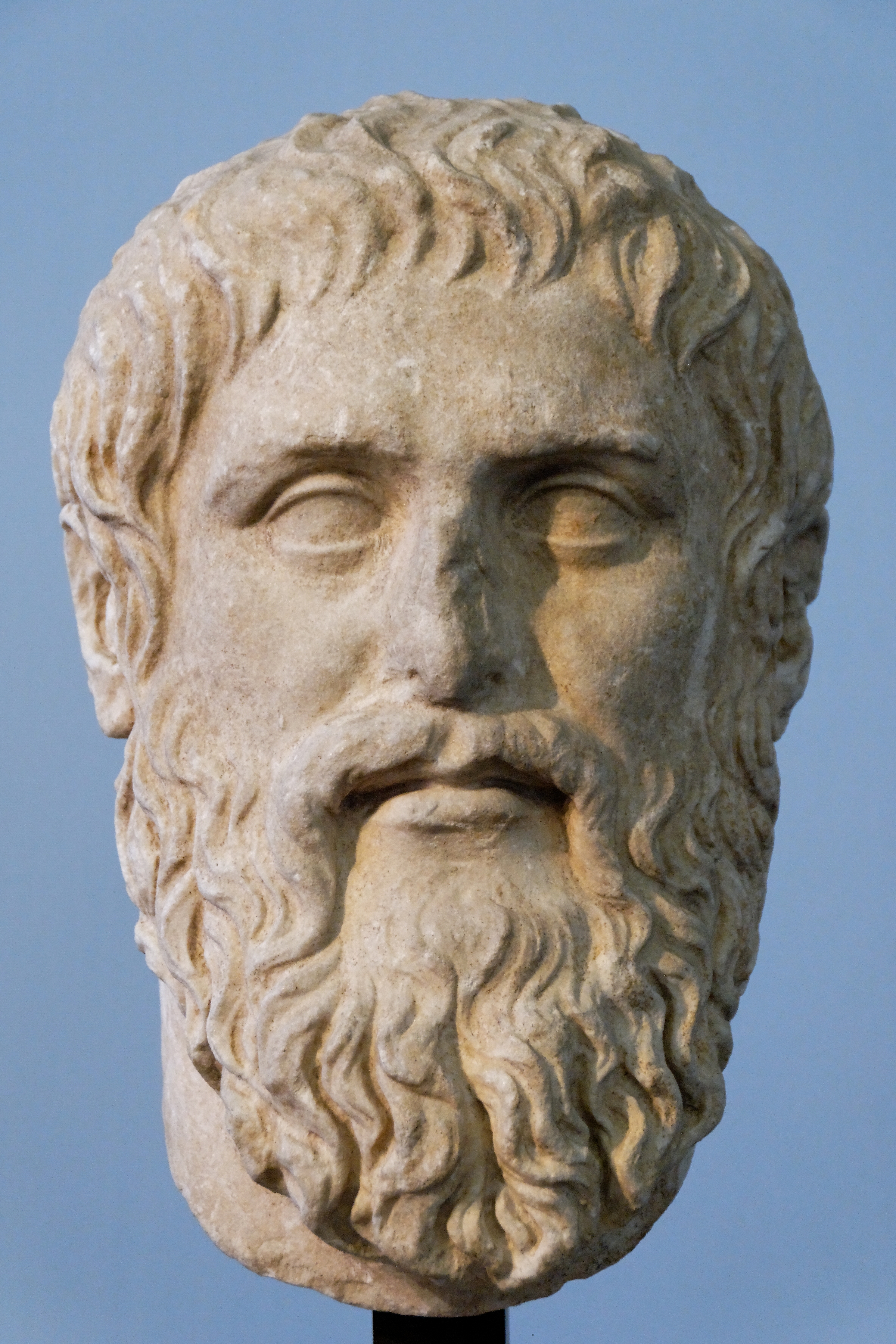
Plato
c. 428–348 BCEAthenian philosopher who invented the Atlantis story as a vehicle for his political philosophy. He never claimed to have discovered a real place — he constructed a parable about what happens when a powerful state loses its virtue.
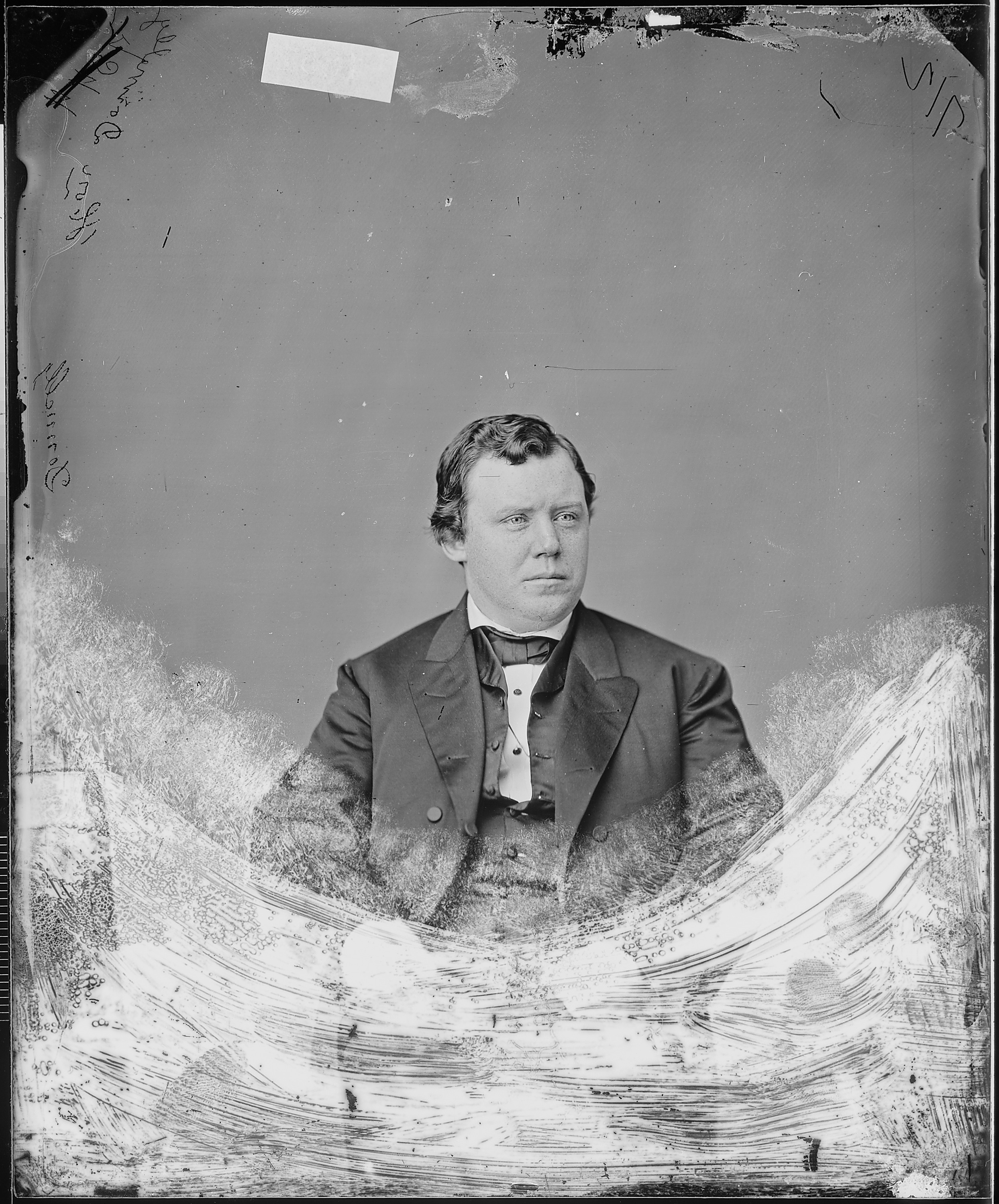
Ignatius Donnelly
1831–1901Minnesota congressman who published the 1882 bestseller that launched modern Atlantis mania. His claim that all civilisation derived from a single Atlantic island laid the groundwork for a century of pseudoarchaeology.
The Real Question
It isn't where Atlantis was. It's why we keep looking. Plato created a story so compelling that it has been mistaken for fact for two and a half thousand years.
The real Atlantis is not on the ocean floor. It exists where it has always existed — in the pages of a philosopher who understood that the most powerful truths are sometimes the ones you have to invent.
Get the Full Book
8 chapters. The complete story of Plato's invention, the believers who took it literally, and the real drowned cities that may have inspired it.