The Antikythera Mechanism
The Ancient Computer That Shouldn't Exist
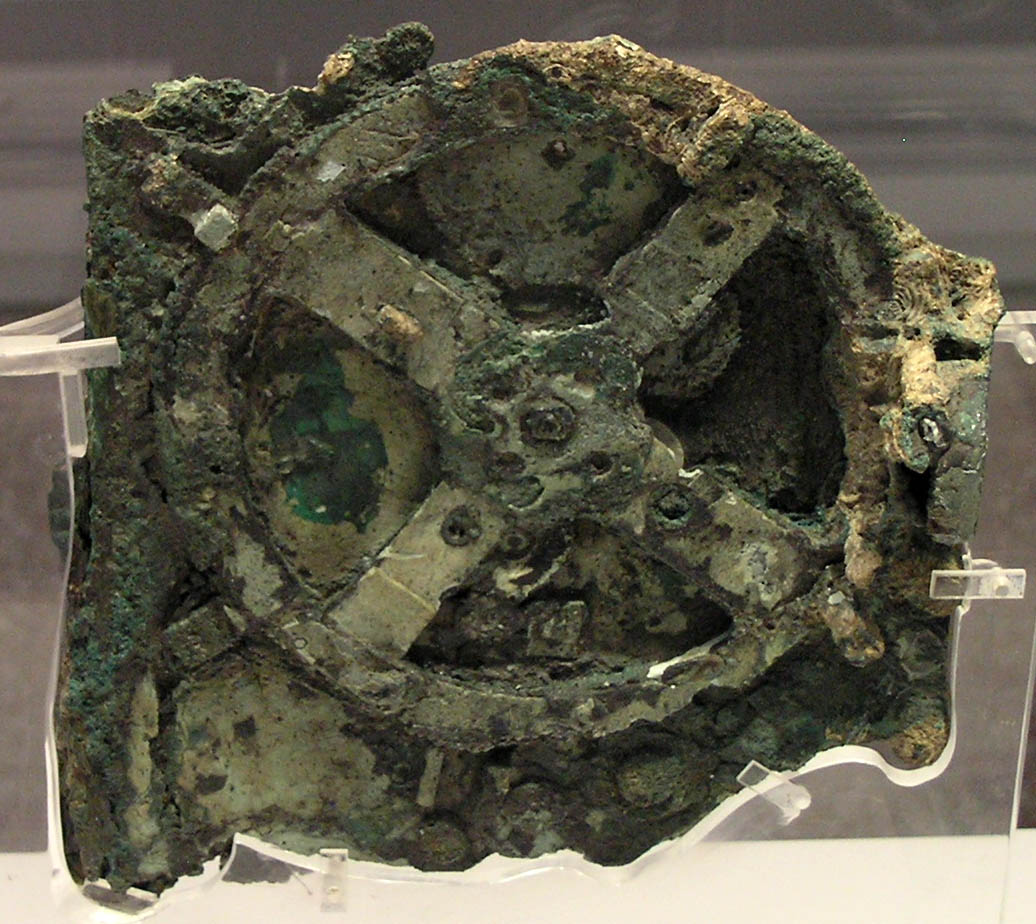
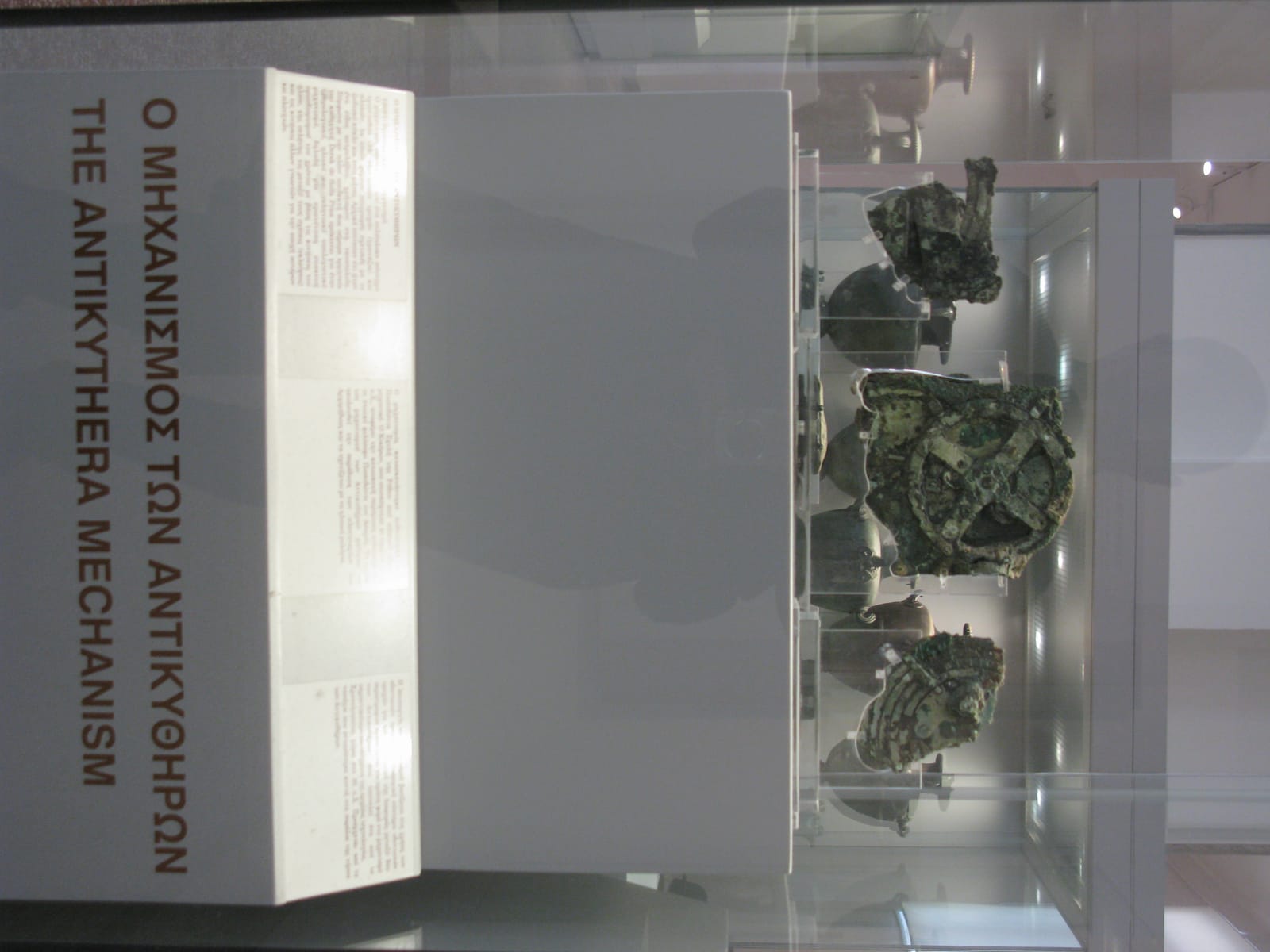
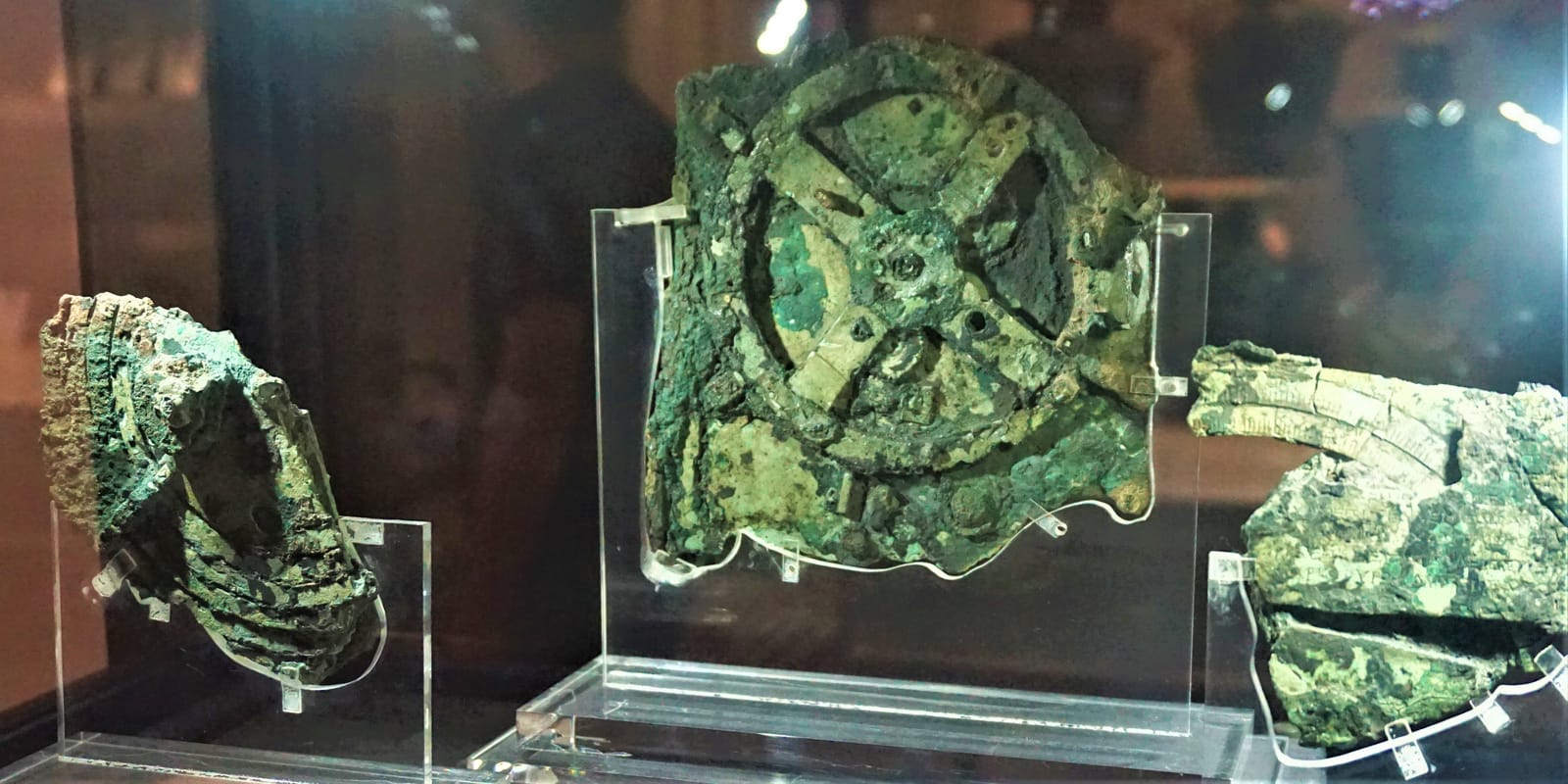
In 1901, sponge divers hauled a corroded lump of bronze from a Roman shipwreck off a tiny Greek island. It sat in a museum storeroom for months before anyone noticed the impossible thing inside it: a gear. Then another. Then thirty more.
It took a century to understand what they had found — a 2,000-year-old computer that could predict eclipses, track the planets, and time the Olympic Games.
37+
Interlocking bronze gear wheels, hand-cut with triangular teeth, housed in a wooden case the size of a shoebox. The largest gear has 223 teeth — one for each month in the Saros eclipse cycle.
60m
The depth at which sponge divers found the wreck. One diver died. Two were permanently paralysed.
82
Surviving pieces, from Fragment A (the main drive gear) to fragments smaller than a fingernail.
3,000+
Characters of Greek text discovered on the mechanism's surfaces — a user manual for operating the ancient computer.
The Evidence
The Gears
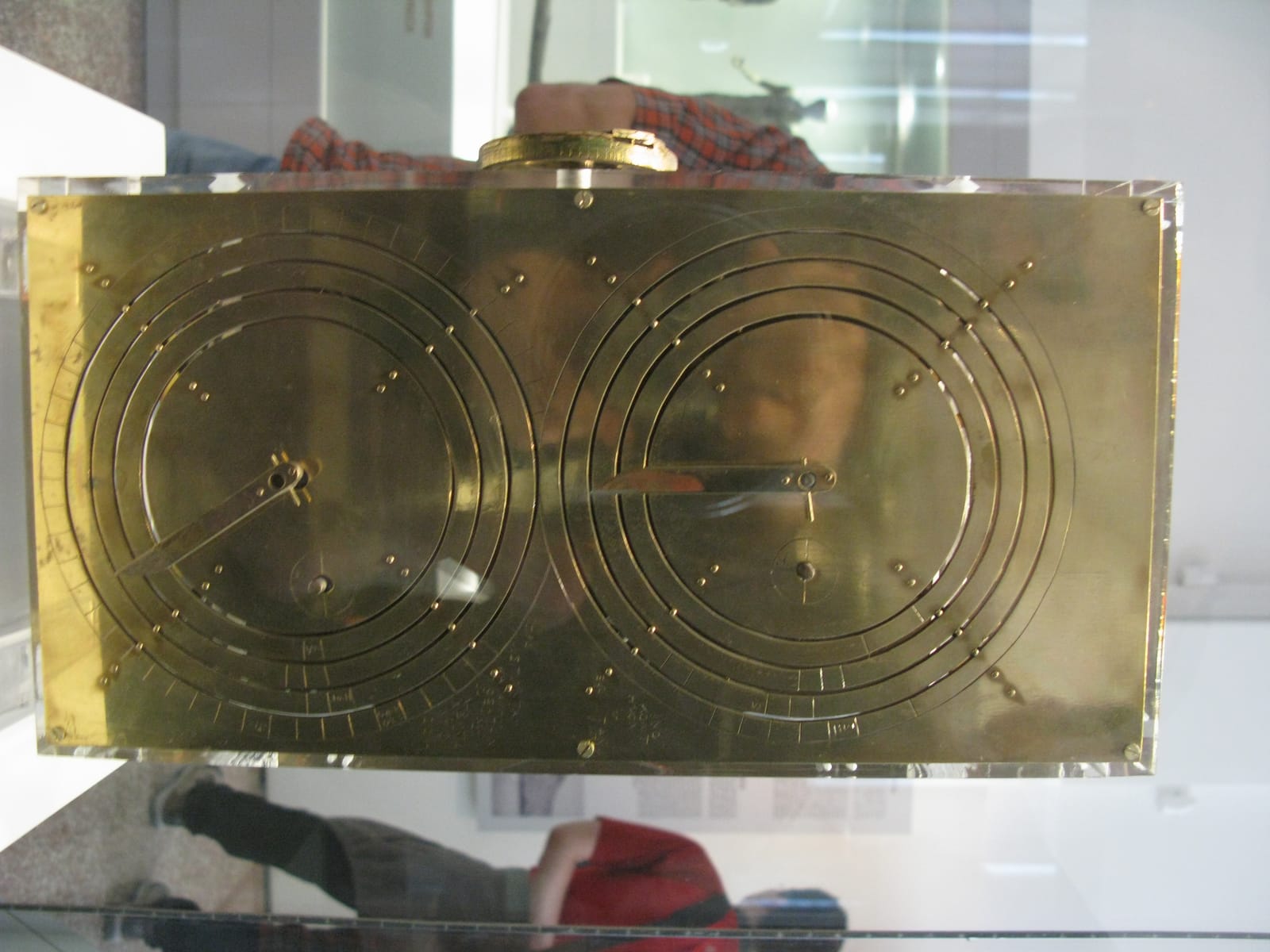
At least 37 interlocking bronze wheels, each hand-cut from sheet metal roughly 2mm thick. The gear ratios encode specific astronomical cycles — the 19-year Metonic cycle, the 223-month Saros eclipse cycle, and the variable speed of the moon's orbit. Nothing this complex was built again for over a thousand years.
The User Manual
Over 3,000 characters of Greek text were discovered using CT scanning and polynomial texture mapping. The inscriptions describe how to operate the device, what each dial displays, and even the predicted colours of eclipses. Some letters are barely 1.2mm tall — engraved with astonishing precision.
The Reconstruction
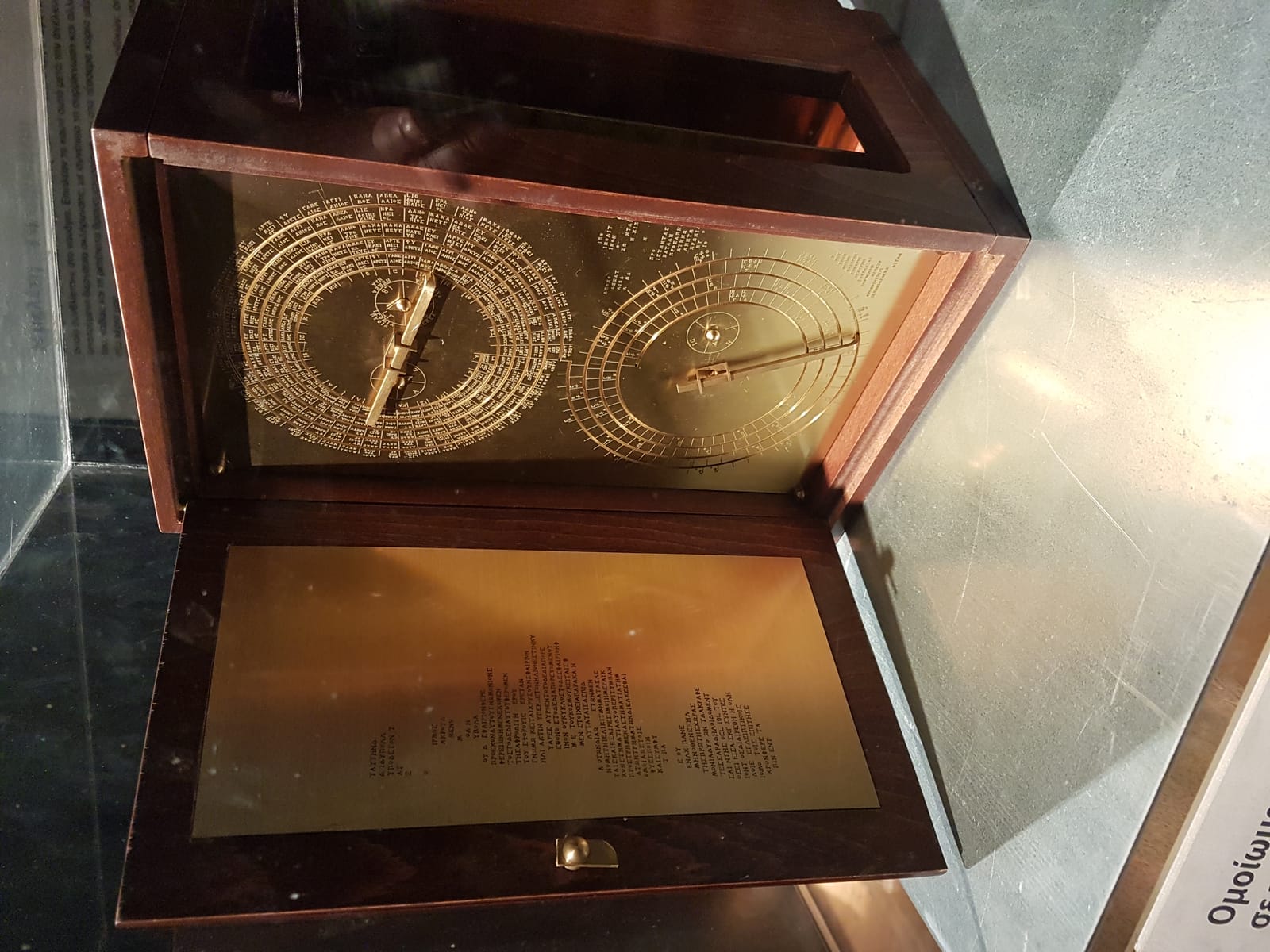
Modern researchers have built working replicas showing the mechanism could track the sun, moon, and five known planets through the zodiac, predict solar and lunar eclipses, display the moon's phase, and even schedule the Olympic Games. It was a portable model of the cosmos.
Two Thousand Years
Construction
The mechanism is built, probably on the island of Rhodes, using astronomical knowledge from Hipparchus and Babylonian eclipse records. The Corinthian calendar inscribed on its dials connects it to Syracuse — the home of Archimedes.
The Shipwreck
A Roman cargo ship carrying Greek art, statues, and luxury goods sinks near the island of Antikythera. The mechanism, already an antique, goes down with it. It will rest on the seabed for two millennia.
The Discovery
Sponge divers from Symi discover the wreck at 60 metres. They recover statues, coins, jewellery — and a corroded lump of bronze that nobody thinks to examine closely. One diver dies in the salvage operation.
The Gear
Archaeologist Valerios Stais spots a gear wheel through a crack in the corrosion. He proposes it's an ancient astronomical computer. Scholars dismiss the idea — the ancient Greeks didn't build machines like this.
Gears from the Greeks
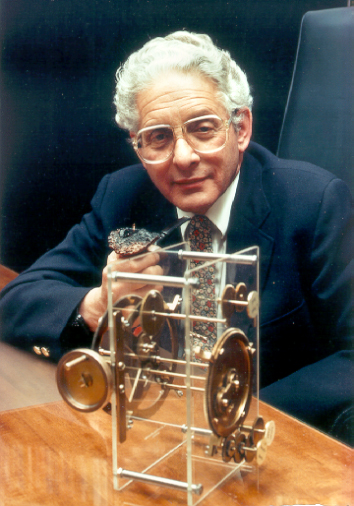
Derek de Solla Price publishes his landmark study, identifying 30+ gears and proving the device modelled celestial motions. The corroded lump becomes one of the most important archaeological finds in history.
The CT Revolution
An eight-tonne CT scanner is shipped from England to Athens. It reveals the mechanism's full complexity: 37+ gears, 3,000+ characters of inscriptions, eclipse predictions, planetary tracking, and the schedule of the Olympic Games.
Key Figures
Derek de Solla Price
British-American physicist who spent decades studying the mechanism. His 1974 monograph Gears from the Greeks proved it was an ancient computer. He died in 1983, before the full extent of its secrets were revealed.
The Antikythera Youth
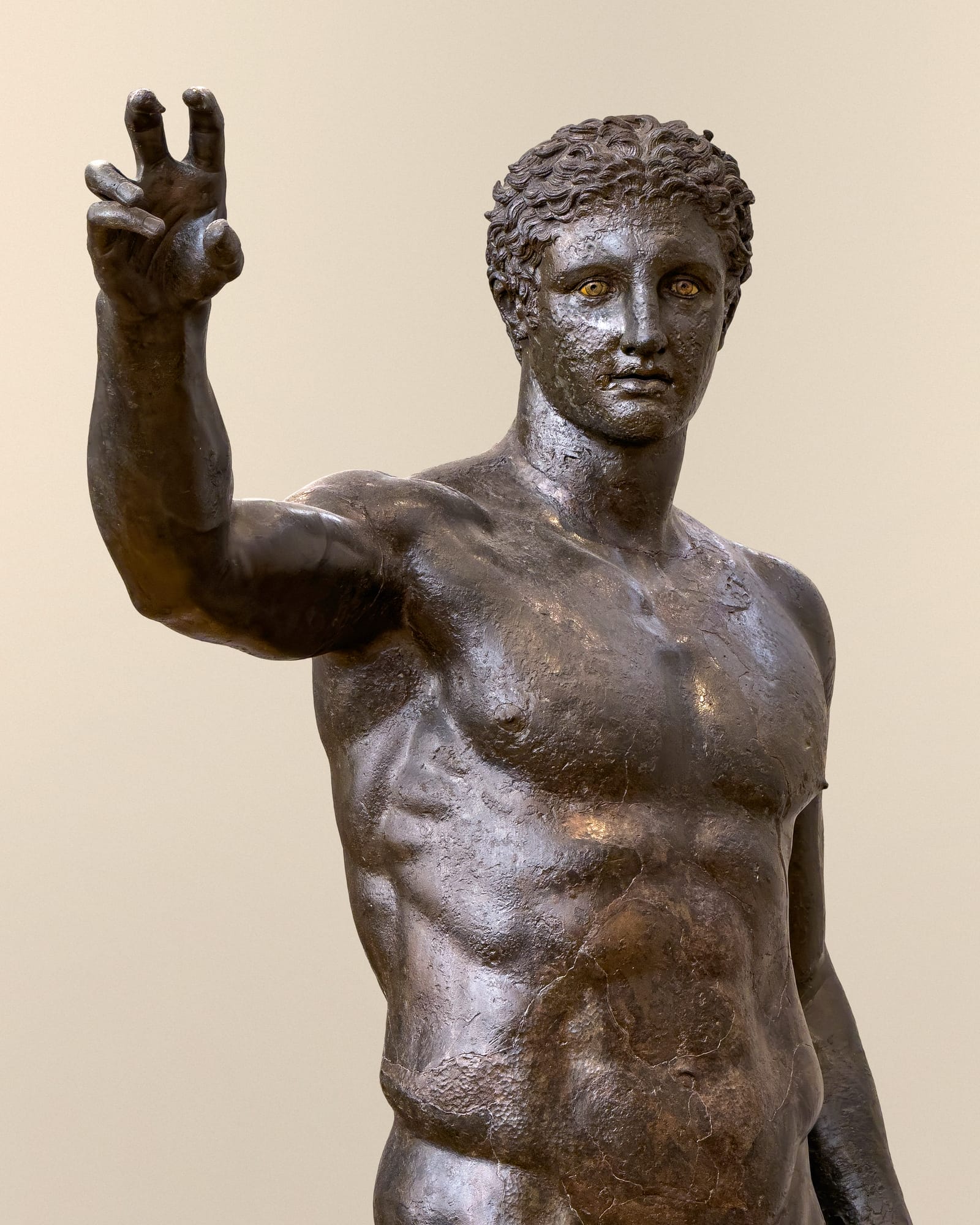
A magnificent bronze statue recovered from the same shipwreck. The Youth became the famous face of the Antikythera wreck — while the corroded lump of gears sat unnoticed in a storeroom for decades.
What Else Have We Lost?
The mechanism survived by pure chance — a storm, a shipwreck, a sponge diver, a crack in the corrosion. Nothing comparable would be built for another thousand years.
It doesn't just challenge what we know about ancient technology. It challenges what we think we know about what was possible.
Get the Full Book
The complete story of the shipwreck, the gears, and the century-long quest to decode the world's first computer.