The Amber Room
The Eighth Wonder of the World That Vanished
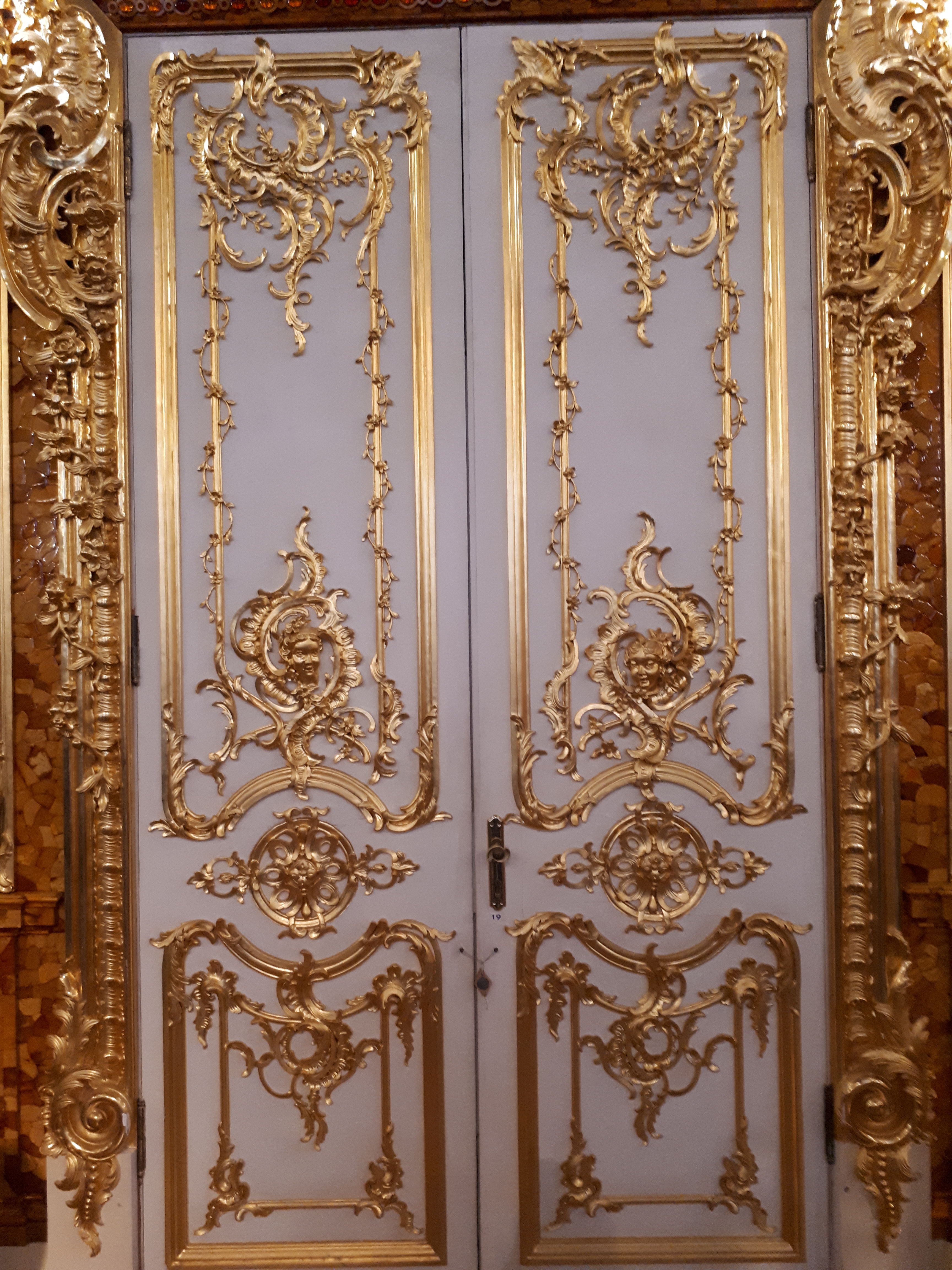
In 1701, a Prussian king commissioned a room made entirely of amber — six tonnes of fossilised sunlight, backed with gold leaf and mirrors, worth hundreds of millions of dollars. In 1941, the Nazis dismantled it in 36 hours and shipped it to Königsberg. Then it vanished.
Eighty years of obsession, mysterious deaths, and false leads have produced no answers. Where is the Eighth Wonder of the World?
6 Tonnes
Of amber — fossilised tree resin, 40 million years old — carved into panels, backed with gold leaf, and assembled over 70 years by three nations.
36 hrs
What took 70 years to build was stripped from the walls in a day and a half.
$500M
The most valuable single art installation ever lost.
24 yrs
50 craftsmen rebuilt the room from 86 photographs and one colour slide. Unveiled in 2003.
The Evidence
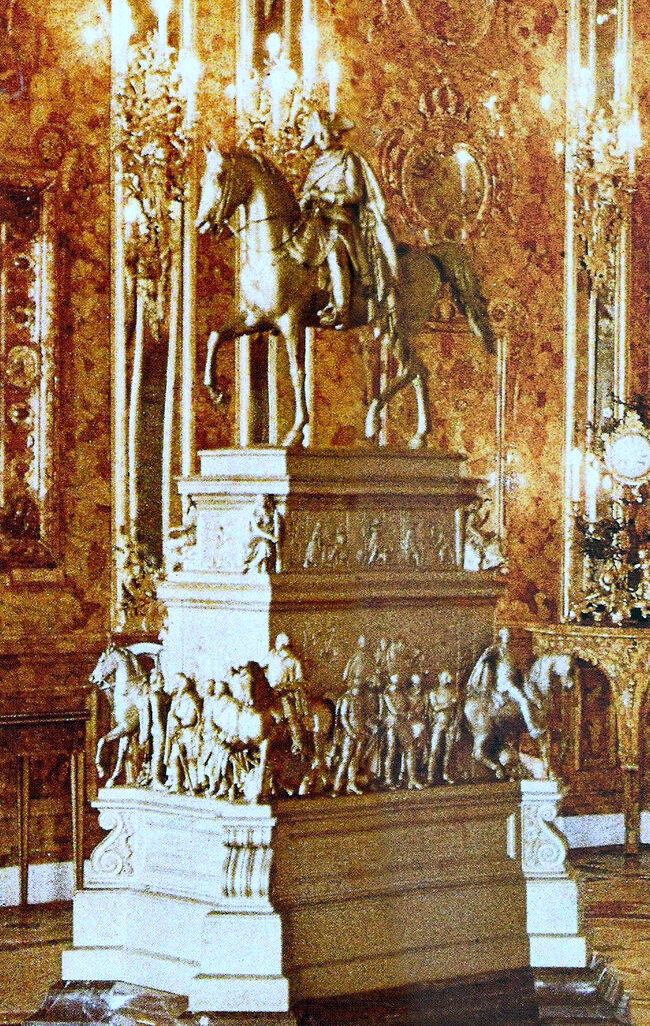
86 Photographs
The original Amber Room was documented in just 86 black-and-white photographs and a single 1937 colour slide. This slim archive became the only blueprint for reconstruction — and the only proof of what the world had lost.
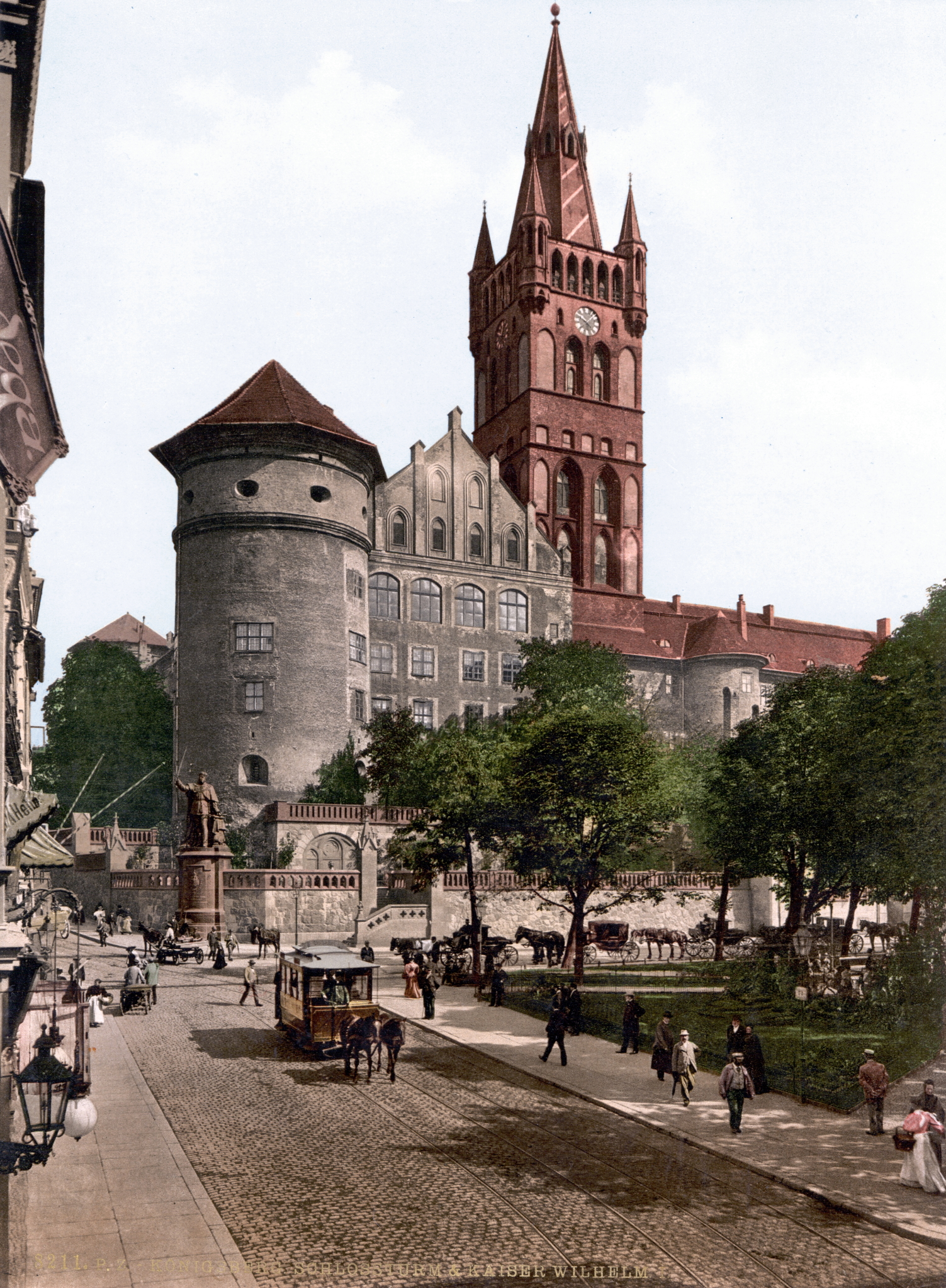
Königsberg Castle
The panels were displayed in the Knight's Hall until 1944, then packed into 28 crates and stored in the castle vaults. RAF bombing, Soviet shelling, and a fire swept through the castle. When it fell on April 9, 1945, the crates had vanished.
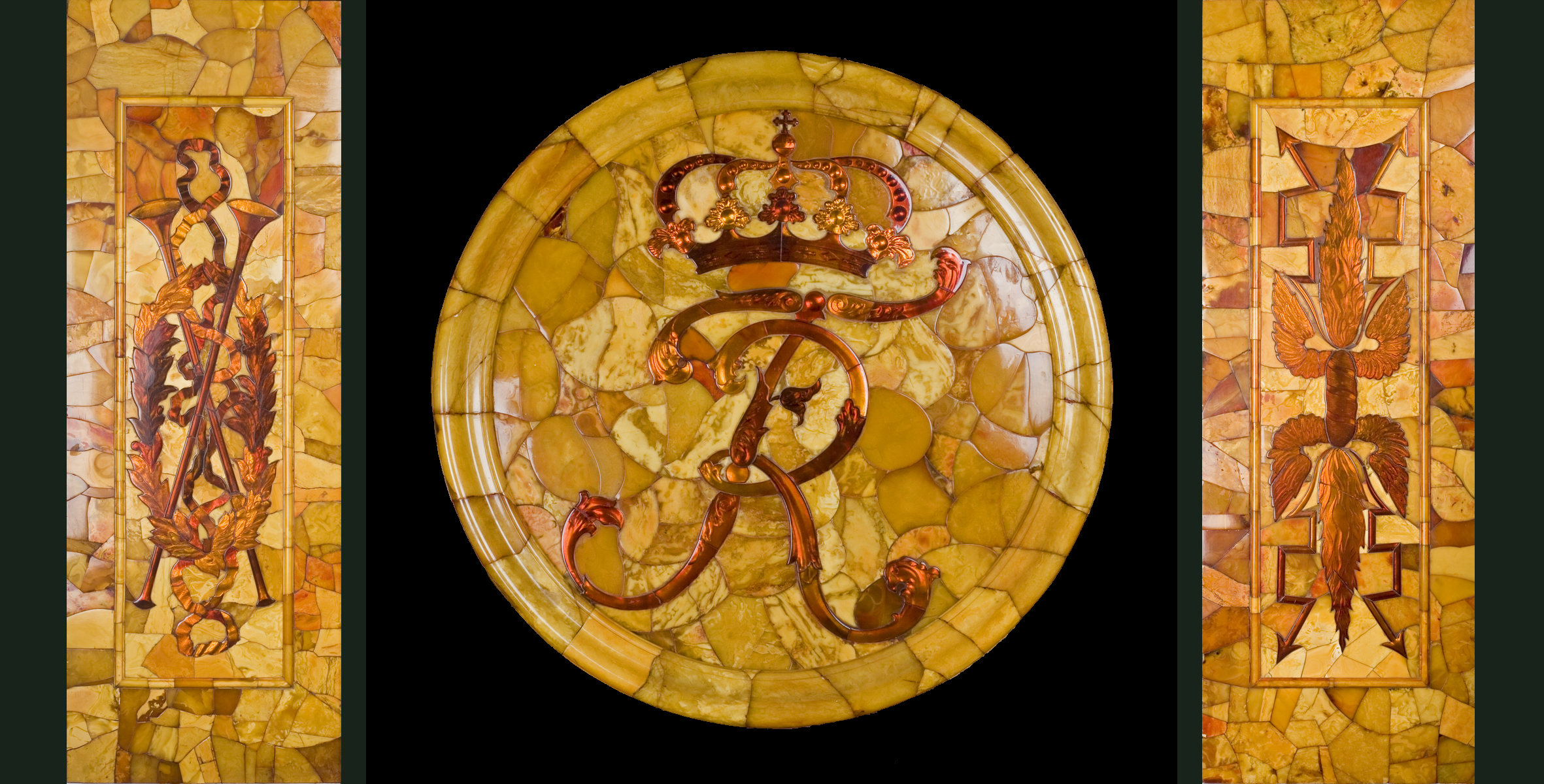
Lost Techniques
Each panel was a mosaic of amber slices — cut to 5mm, heated, treated with honey and linseed oil, and fitted onto gold-leaf-backed boards. The techniques died with the 18th-century craftsmen. Reconstructors spent years reinventing them from scratch.
Captured Sunlight
The Commission
Frederick I of Prussia orders a room lined with amber for his Charlottenburg Palace. Craftsmen in Berlin and Danzig begin decades of painstaking work.
Amber for Giants
Frederick William I gifts the unfinished panels to Peter the Great of Russia — in exchange for 55 tall soldiers for his "Potsdam Giants" regiment.
The Catherine Palace
Empress Elizabeth installs the panels at Tsarskoye Selo. Architect Rastrelli expands the design with mirrors, gilded carvings, and Florentine mosaics. The room is completed by 1770.
36 Hours
Nazi soldiers dismantle the entire room in a day and a half and ship the panels to Königsberg Castle. Curator Kuchumov's wallpaper disguise fails immediately.
The Vanishing
Last confirmed sighting. Rohde writes that the crates are packed. Railway connections are severed days later. The Amber Room is never seen again.
Resurrection
After 24 years and $11 million, a reconstructed Amber Room is unveiled at the Catherine Palace — built from 100,000 amber pieces by 50 craftsmen working from photographs.
Key Figures
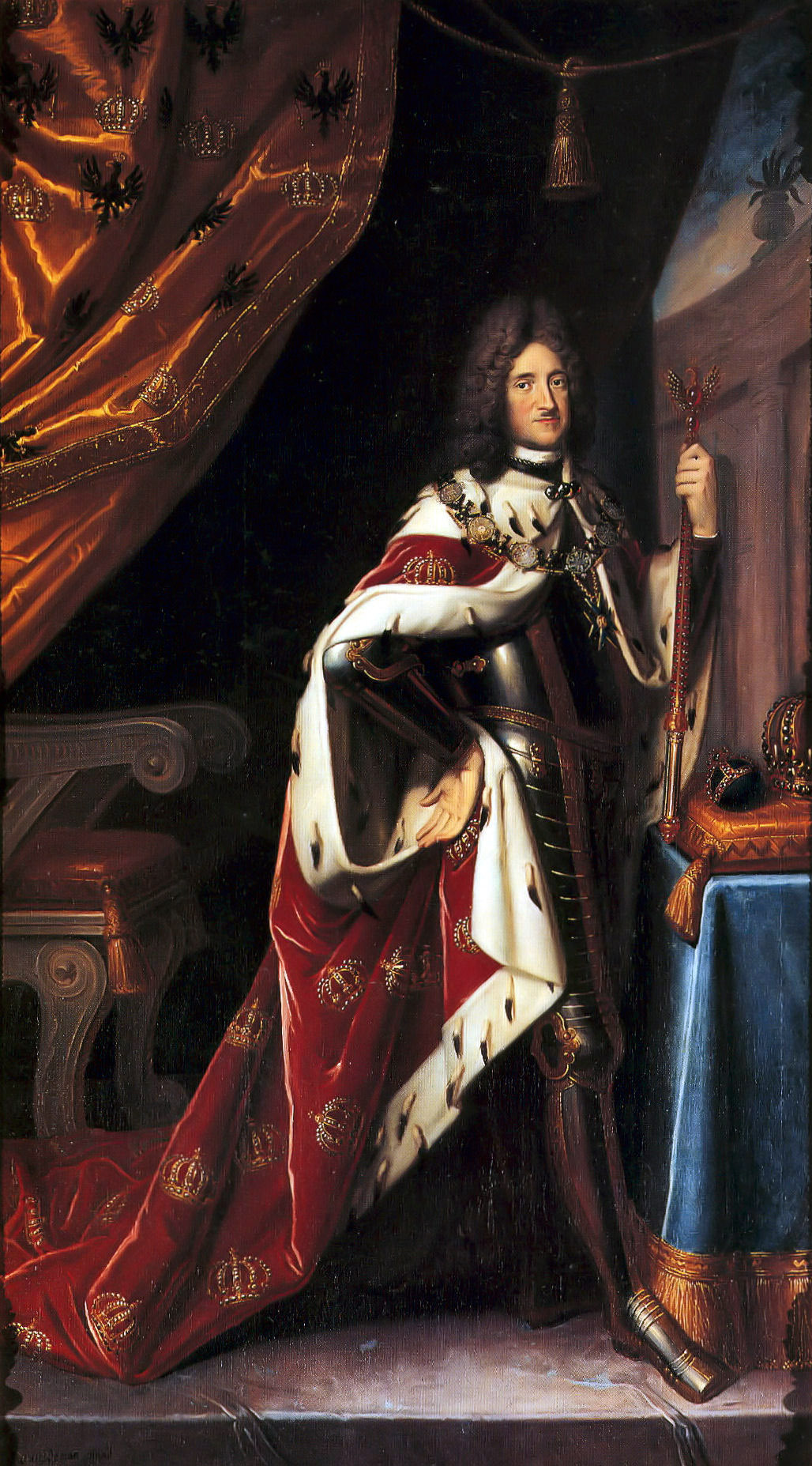
Frederick I of Prussia
Newly crowned king who commissioned the room in 1701 to rival Versailles. His son gave it away. His creation outlasted his dynasty — and then vanished entirely.
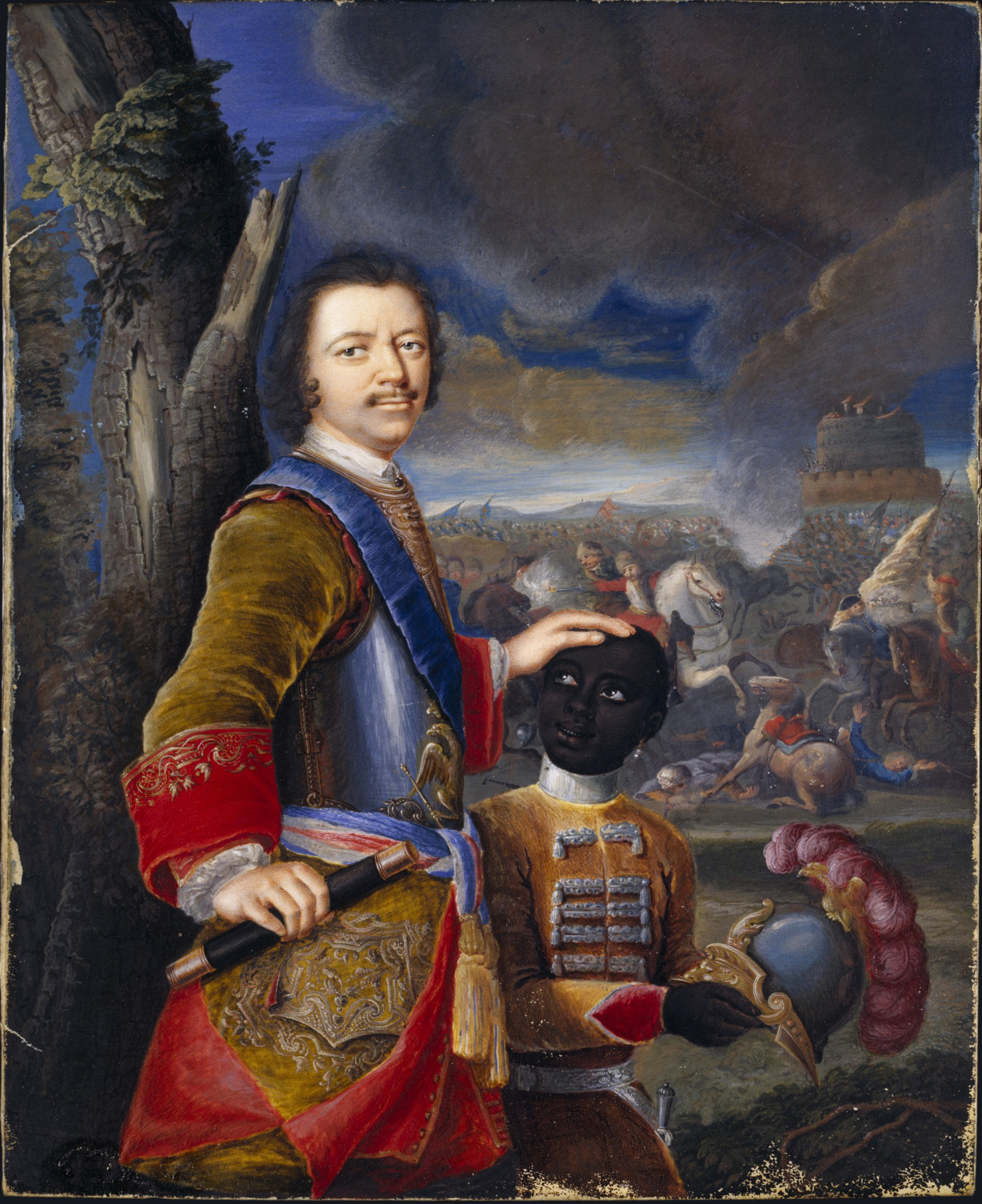
Peter the Great
Tsar of Russia, six feet eight inches tall. He received the amber panels in exchange for 55 grenadiers. The room became Russia's most treasured possession for 225 years.
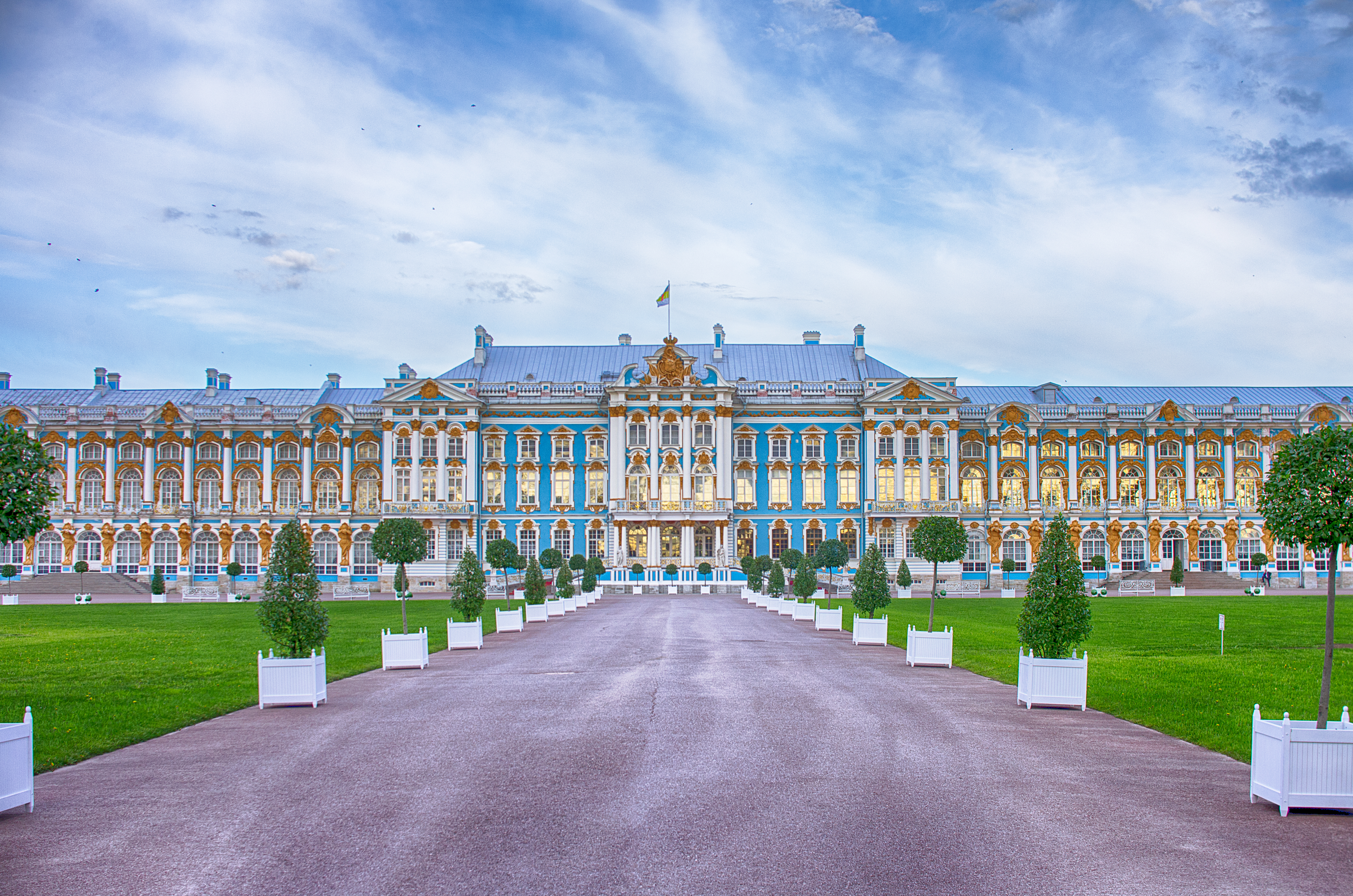
Still Missing
Eighty years of searching have produced mysterious deaths, false leads, Baltic shipwrecks, and ground-penetrating radar anomalies — but not a single amber panel.
The reconstruction glows in the Catherine Palace. The original remains the most valuable object ever lost.
Get the Full Book
The complete story of the kings, the craftsmen, the Nazis, and the 80-year hunt for the world's most valuable missing treasure.